 Add ToI as a Preferred Source on Google
Exactly one year to the day after then-health minister Yaakov Litzman toured Sheba Hospital and said “we are prepared to deal with the virus,” Israel on Thursday night registered its 5,000th death from the coronavirus.
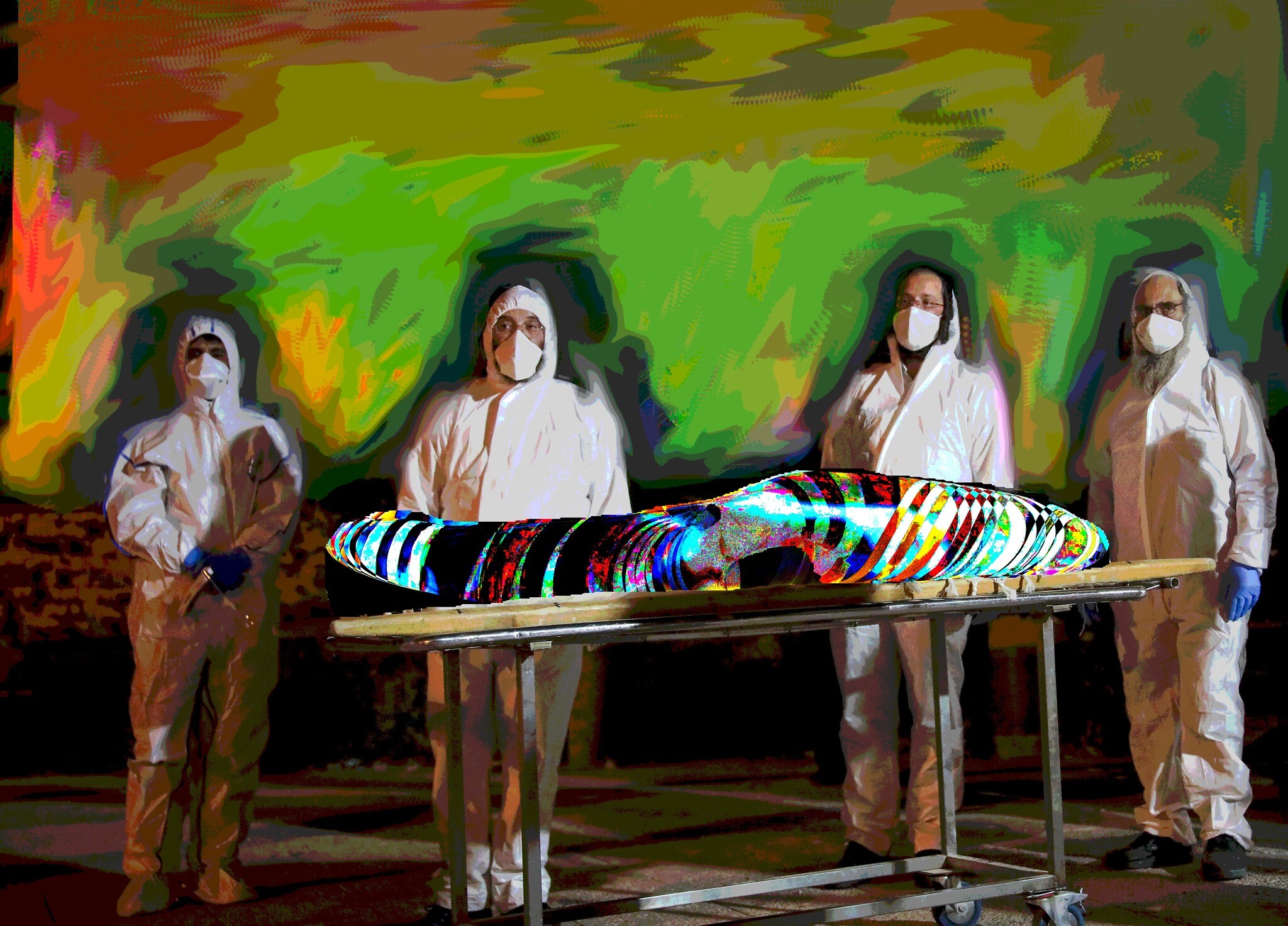
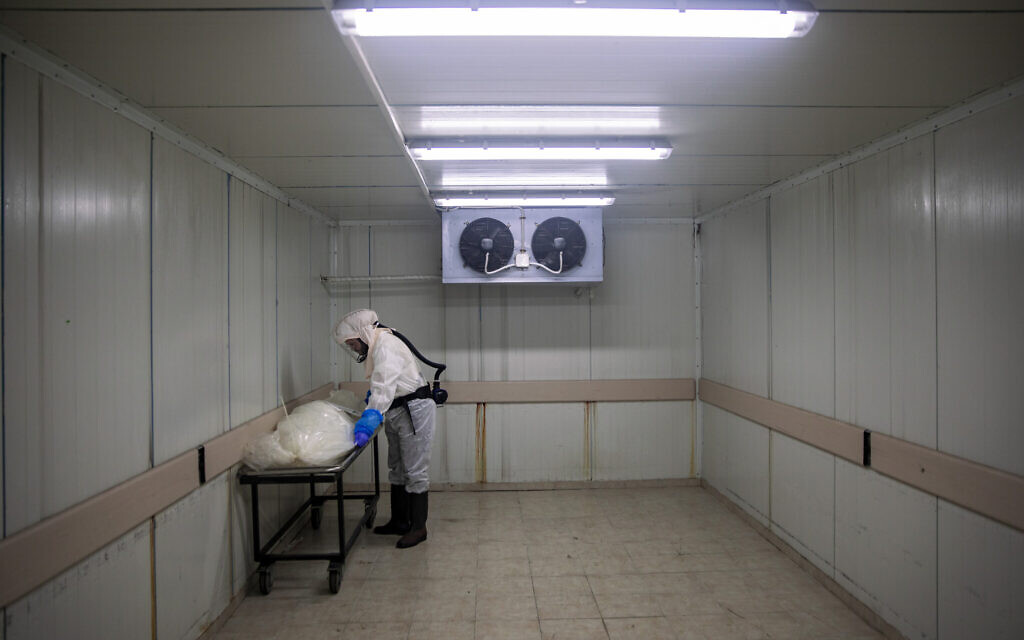
Mourning those who died from COVID-19 is a ritual laden with complications. Funerals are limited during lockdowns. The week-long shiva, rather than being a time when people can visit and comfort the mourning, is curbed or forced to take place via Zoom.
At the start of the pandemic, articles were written daily about each person who succumbed to the disease. But as the deaths have piled up, and up and up, the obituaries slowed, and then disappeared.
“Slowly, there were fewer stories and more data,” said Amit Yizraeli, a teacher who helped create Rikma, a website dedicated to remembering Israelis who died from the virus. “We felt we had to mourn with the families, for the victims themselves. In Jewish tradition, no one’s just a number, they’re an entire world.”
Rikma, We Are All One Human Tapestry, is an online project created by a group of socially-minded friends from Dror Israel — an organization of 1,300 trained educators promoting social activism in Israel — in order to help Israelis properly mourn those who have died from COVID-19. The site is modeled on the Defense Ministry’s Izkor website, which displays bios and stories of all of Israel’s war dead.
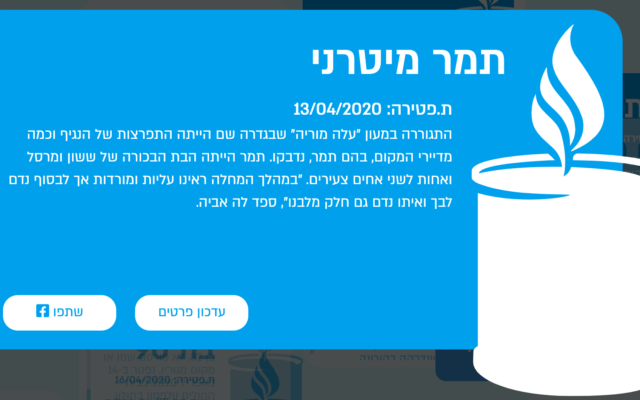
The Rikma website works simply; mourners are invited to add the name and details of a departed loved one, or can search for the name of a departed loved one. The name and details of each departed person are listed on blue tiles decorated with the image of a memorial candle. The hundreds of tiles float on the homepage, until a user clicks on one of the squares to read it.
As of Thursday evening, there were 376 stories of Israelis who have succumbed to COVID-19 since the start of the outbreak.
With thousands of new cases a day and dozens of deaths — 51 fatalities were recorded Wednesday alone — the total number hit 5,001 on Thursday night, according to Health Ministry figures.
“January was a horrifying month,” said Yizraeli. “There were more than 1,000 deaths, more than 20% of the total number of deaths since the start of the pandemic.”
The site functions in Hebrew for now, and an Arabic version is being developed. It’s all operated by seven Dror Israel volunteers, members of Dror Soft, a profit-making sister organization dedicated to using technology to service society and human beings, using their profits to support their social service projects.
The memorials range from the personal to the matter-of-fact, each of them deeply infused with the loss and longing that each death carries.
“Moshe Hillel, died March 25, 2020. Hillel died in Sheba Hospital Tel Hashomer. ‘We asked for a coronavirus test for a long time, but they only came after five days. When the positive result came back, he was already on a ventilator,’ said his daughter.”
“Meir Yadi, died July 29, 2020. Dad we love you and miss you, you are missed!!”
“Shoshana Giat, died September 9, 2020. Savta Shoshi (72) was a healthy woman. Without health issues. An active and involved grandmother. Doing good deeds all the time. Loved traveling in Israel and the world. Made sure to eat well and stay active. Was infected with the coronavirus during the summer vacation. For seven weeks, Shoshana fought for her life. She had a will to live. But unfortunately, the coronavirus invaded her system and she died in a coronavirus ward, at a distance from her family. May her memory be a blessing.”
Some of the coronavirus victims are listed without a name: “89 years old from Jerusalem, a resident of the Migdal Nofim assisted living facility who was hospitalized for two weeks. She was the third resident to succumb to the coronavirus from the assisted living facility. She died March 26 at Hadassah Ein Kerem hospital in Jerusalem.”
When a request to list someone on the website is sent in, one of the Rikma volunteers calls the mourner to record all of the details.
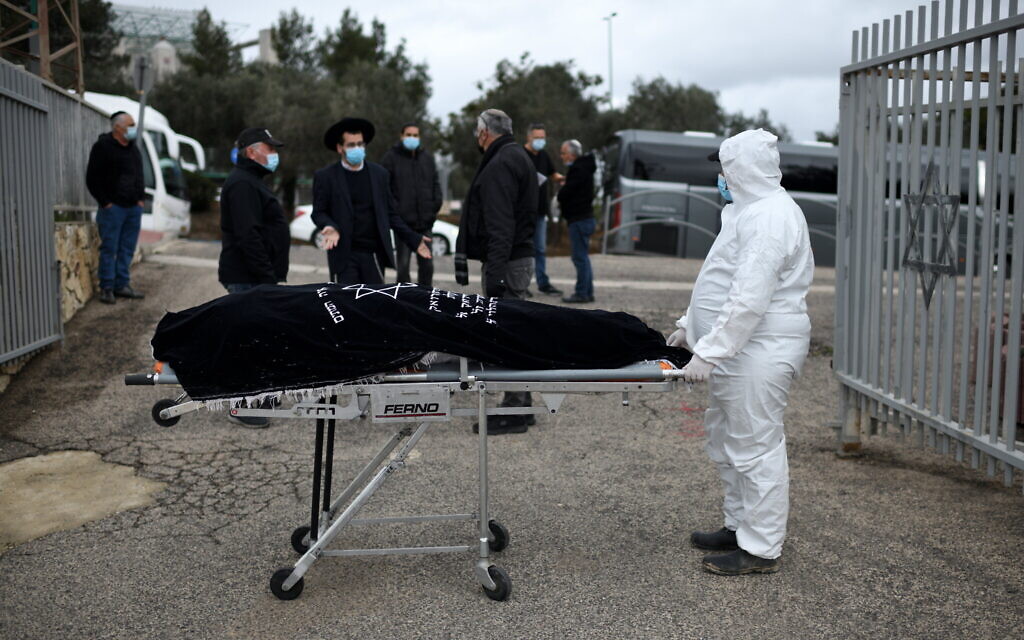
“A whole world opens up during that phone call,” said Yizraeli. ‘They get to talk about their loved one. It’s another way of mourning that person, especially now when there’s no real shiva.”
It was a New York Times package from May 2020, remembering the 100,000 Americans who had died from the coronavirus, that motivated the creation of the Rikma website.
The front page of The New York Times for May 24, 2020 pic.twitter.com/d14JhFp4CP
— The New York Times (@nytimes) May 24, 2020
Yizraeli was speaking to his friends on Zoom about the pandemic and the sense that each coronavirus victim had become just a number, without being remembered as individual people.
“We figured that if the New York Times can do this, we can too,” said Yizraeli. “We turned it from a Zoom conversation to, ‘let’s do this.'”
They rallied their volunteers, including a well-known graphics studio that volunteered their time for the design work, creating the site that mirrors the Defense Ministry’s Yizkor website created to remember Israel’s victims of battle and terror.
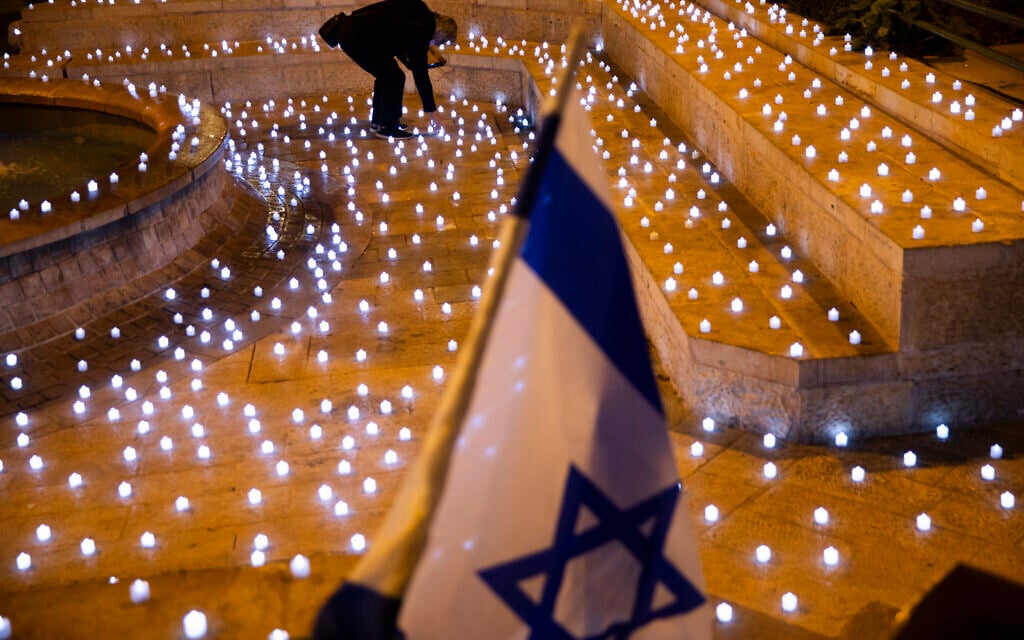
The Rikma analytics show that once a person’s name has been entered into the website, dozens of people enter Rikma to read the post and share it on social media.
“It’s a kind of digital shiva,” said Yizraeli. “It just didn’t feel right that people will leave this world without being remembered even minimally.”

The Times of Israel Community.