Add ToI as a Preferred Source on Google
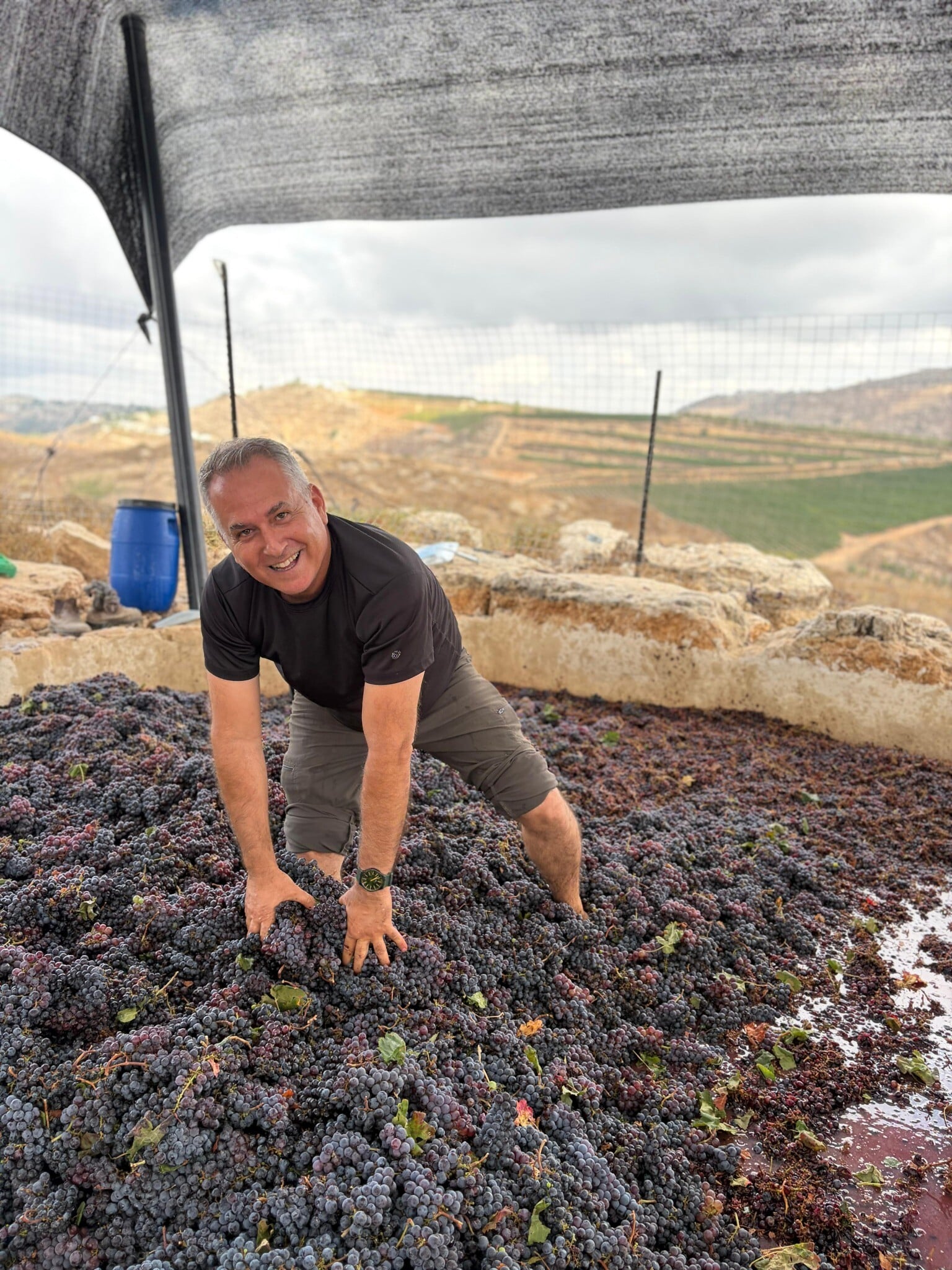
Standing at an ancient wine press on a West Bank hilltop last week, a team of researchers and volunteers removed their shoes in the name of science. Then they washed their feet and began stomping on several tons of red grapes on the reconstructed treading floor.
The goal: to uncover the ancient process of winemaking in the land of Israel.
“This is a once‑in‑2,200‑years event,” scientist and winemaker Shivi Drori told The Times of Israel in a phone call after the initial wine pressing. “We are recreating the ancient wine industry of Israel.”
The purpose of this particular project, Drori explained, was to determine whether ancient Judean winemakers let the juice flow directly into the adjacent collection vats to ferment, or instead left it to ferment on the treading floor itself.
But the question was just one part of a larger effort by Drori to understand how wine was made in ancient Israel. Drori is a professor of chemical engineering and biotechnology at Ariel University and head of its Samson Family Wine Research Center, as well as chief winemaker at Gva’ot Winery in Shilo. His studies have focused on identifying the indigenous grapes used for wine in ancient Israel and understanding how wines were produced and imbibed.
“We’ll never know everything,” he said, “but we’re getting closer to uncovering what you would have seen at a wine press like this in the time of the Bible.”
Recreating the process
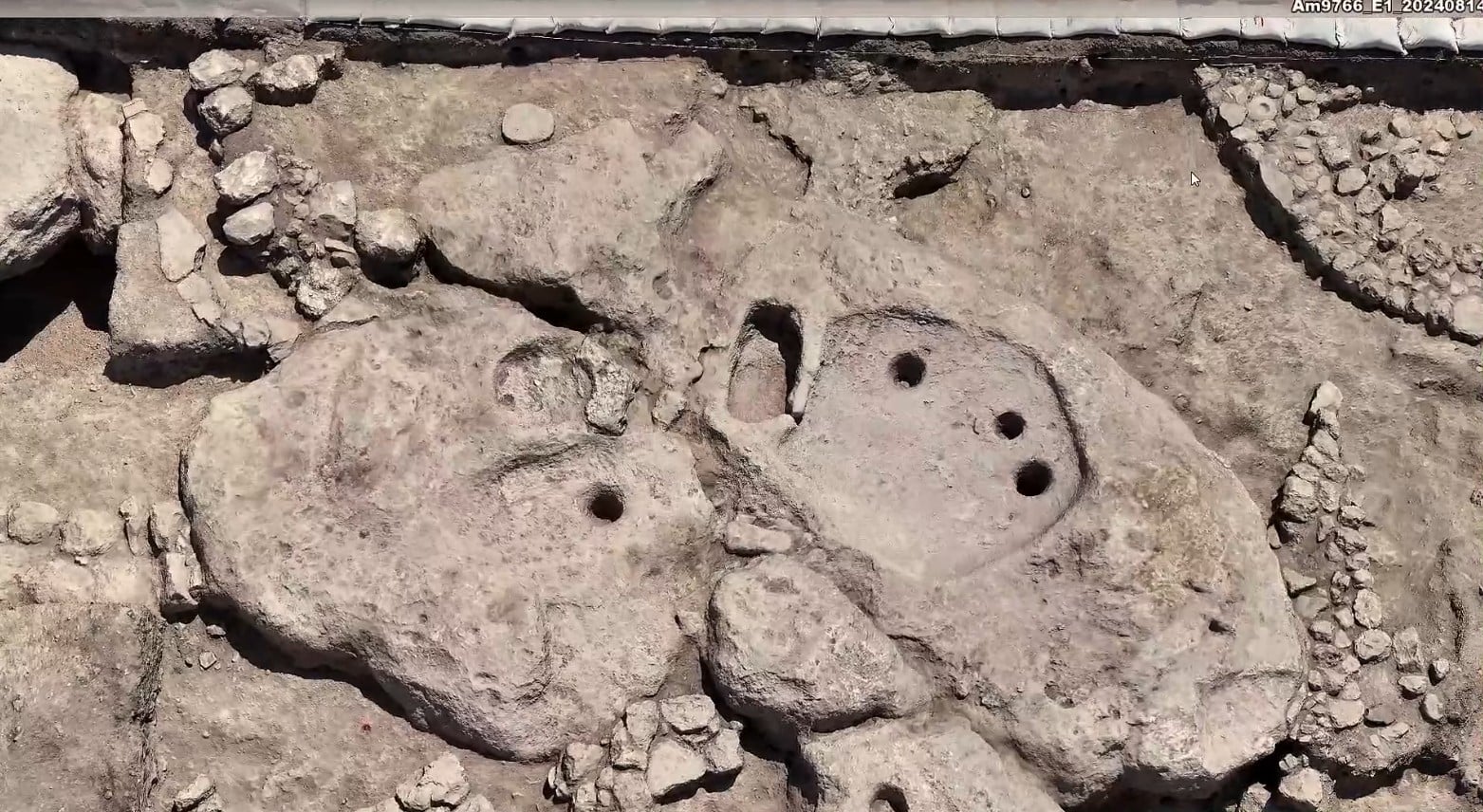
At the heart of Drori’s current research is a well-preserved Hasmonean winepress discovered at the Khirbet er-Rafid excavation site, on a hilltop between the Israeli town of Shilo and the Palestinian town of Turmos-Aya. The winepress was discovered several years ago during excavation work at the site led by Dr. Aharon Tabgar of Ariel University.
Like many winepresses from the period, it had two main components: a wide treading floor, 20 to 40 centimeters (eight to 16 inches) deep, where people crushed the grapes with their feet, and adjacent collection vats where the juice was gathered for storage.
The question, Drori asked, is where the ancient winemakers actually fermented their wine.
“It’s not totally clear if the grapes were crushed on the treading floor and then transferred into the collection vat immediately, or if they fermented on the floor and were only later moved into the vat,” Drori said. “There are reasons to believe one way or the other.”
Fermenting the juice on the broad but shallow treading floor would expose it to more oxygen, increasing the risk of oxidation but also encouraging the growth of natural yeast, Drori said. It would also keep the juice in contact with the grape skins and allow heat generated by the fermentation process to dissipate, keeping the juice cool.
Fermenting inside the narrower and deeper collection vats, on the other hand, raises different challenges. Oxygen is depleted more quickly, and greater manual intervention is needed to ensure the skins maintain contact with the juice. Unlike modern stainless steel vats, these stone vats would allow heat to accumulate, potentially harming the wine quality.
“It’s not clear if fermenting on the treading floor would allow the wine to oxidize too much, or if doing so in the collection vats would have allowed temperatures to get too high,” Drori said. “Or it’s possible that both options would yield good wine. That’s what we want to find out.”
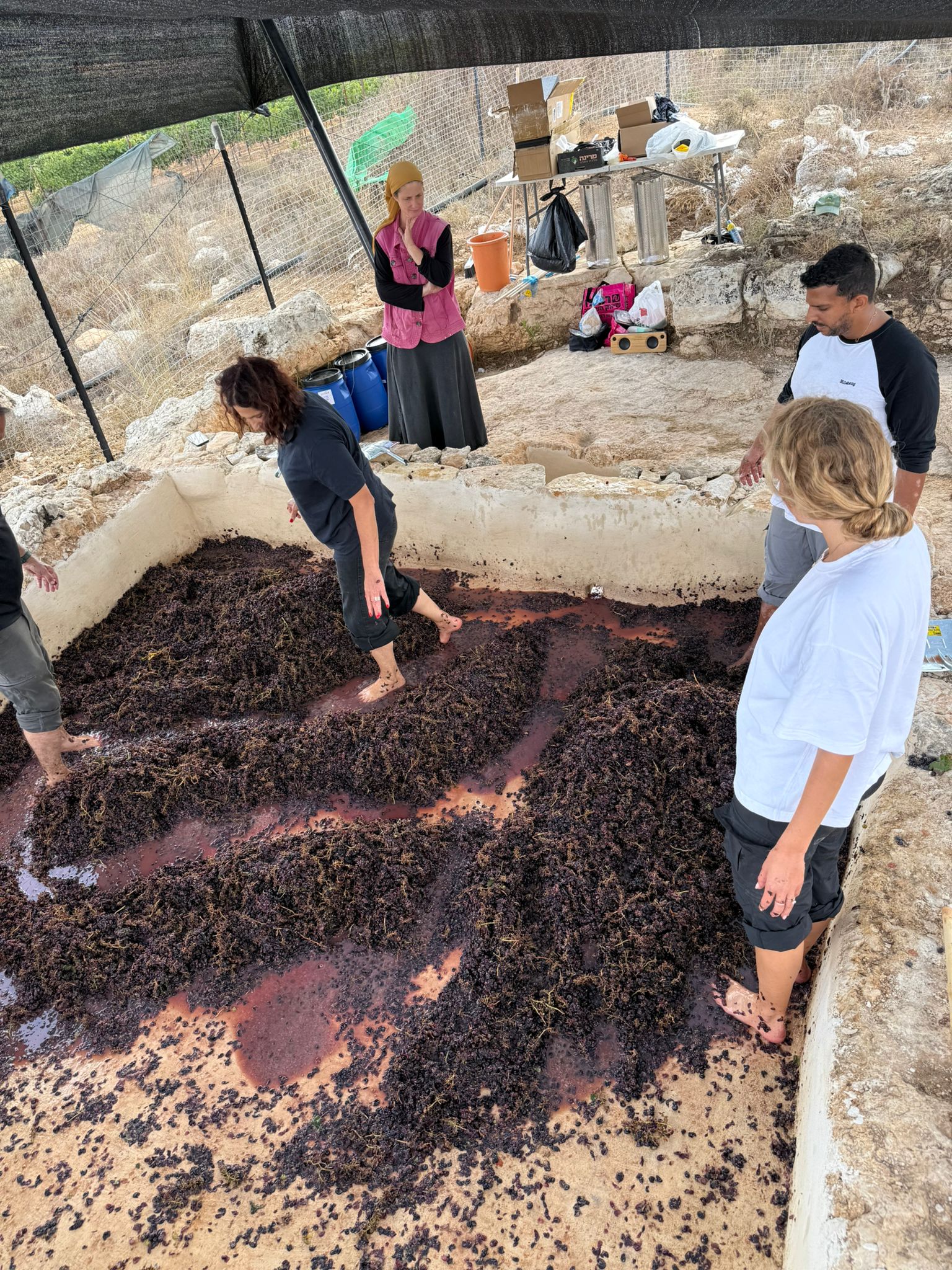
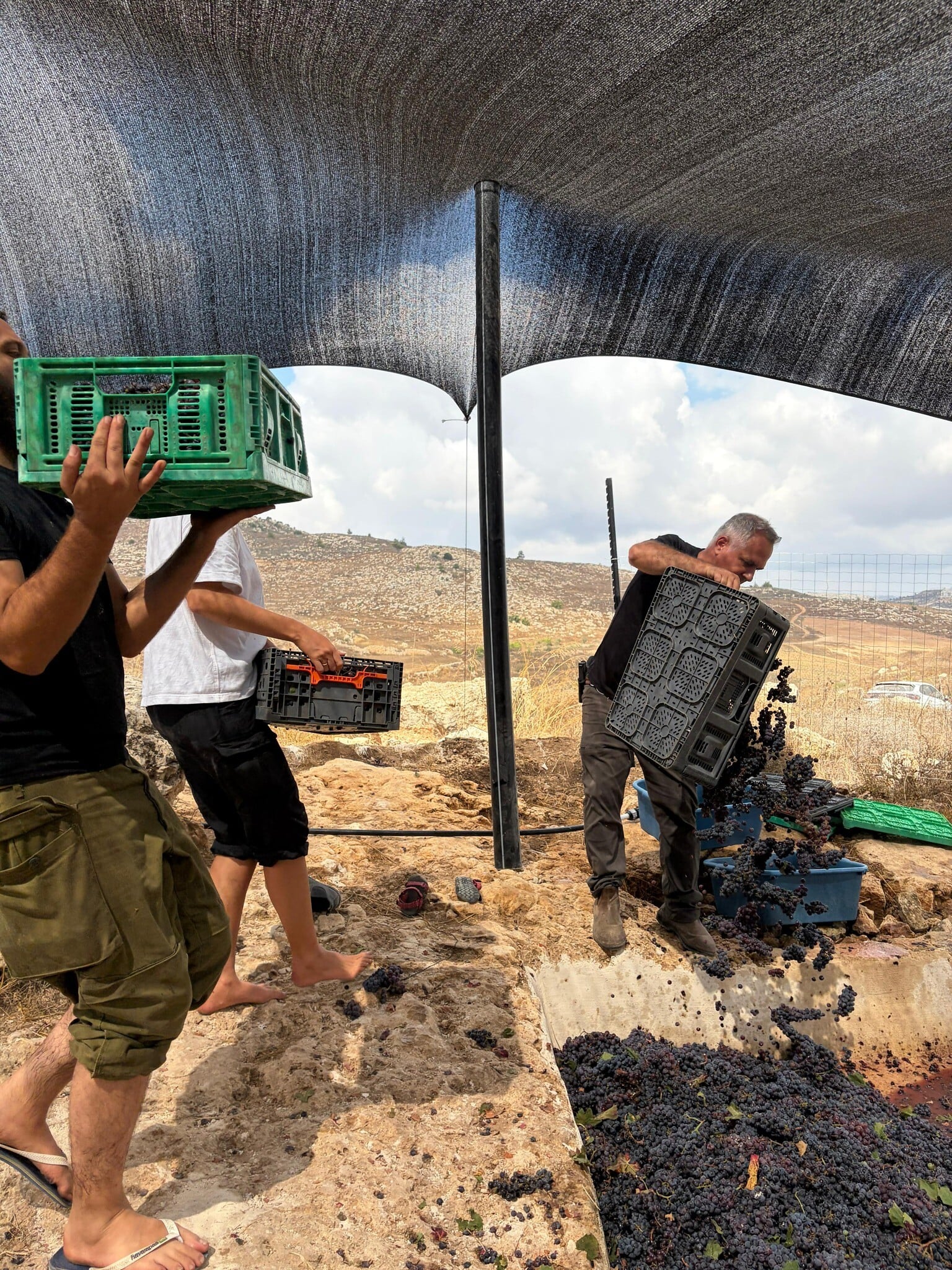
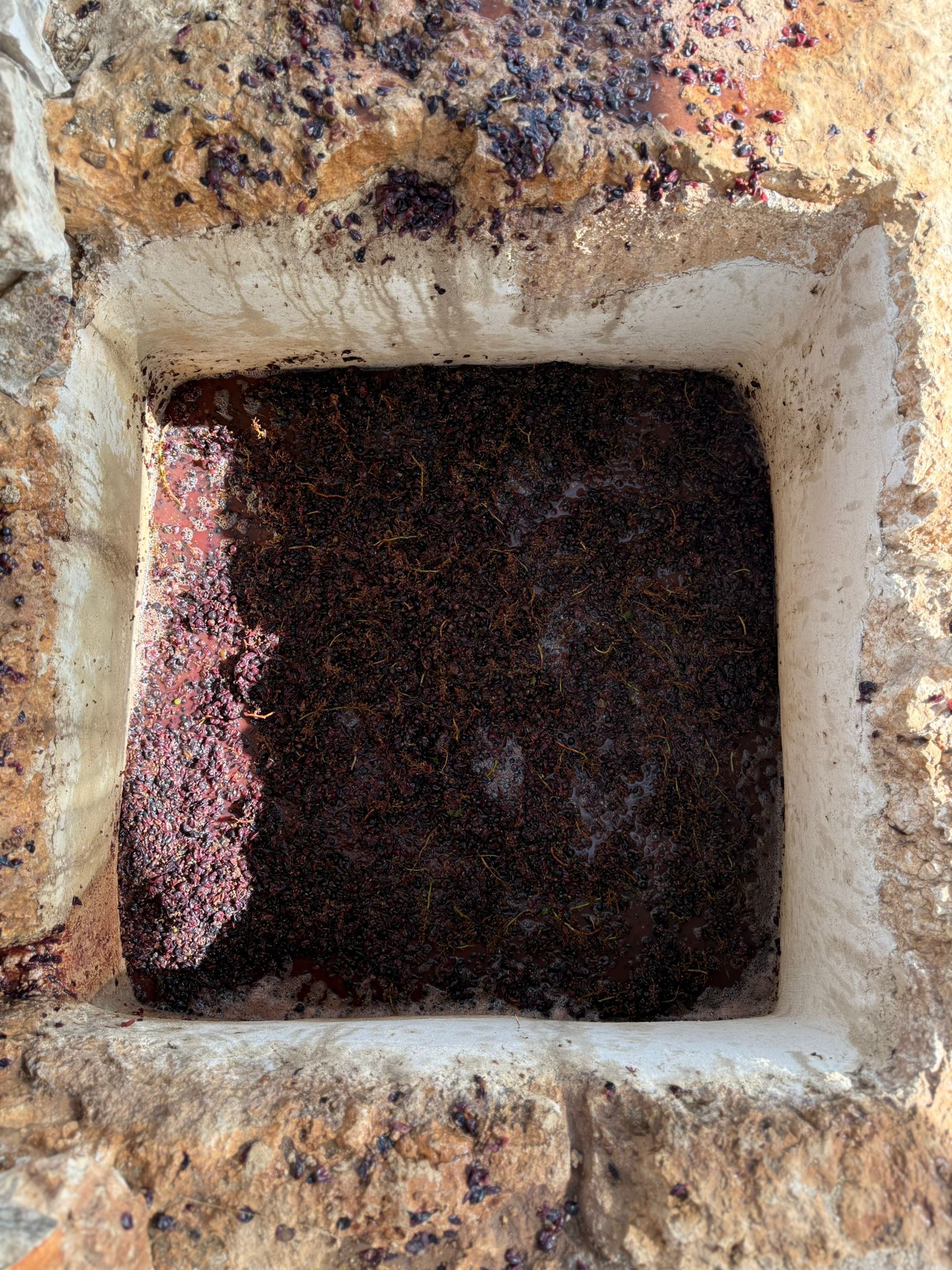
For the experiment, the winepress was reconstructed and sealed with hydraulic plaster. Sensors and cameras were installed in both sections to continuously monitor temperature, dissolved oxygen and sugar levels in the wine.
Early last week, the team took off their shoes and crushed four tons of Merlot grapes on the treading floor, allowing one ton to flow immediately into the collection vats while leaving three tons to ferment on the treading floor.
“I wish we could do this using fully verified ancient indigenous varieties, but they aren’t available in the volume we needed,” Drori said. “Merlot gives us a consistent, well‑understood baseline so we can focus on the process itself.”
The team, which included Ayelet Dayan, Noa Ohana-Levi and PhD student Noga Friedlin, would return each day to measure the progress of the two batches. Meanwhile, they had to do what some call the hardest part of the winemaking process — wait patiently for the results.
A taste of ancient Israel
The stakes for making good wine were high in ancient Israel, where winemaking was both an everyday agricultural necessity and a massive export industry. Wine was already produced 5,000 years ago at Tel Megiddo and was exported in clay jars all over the Mediterranean region by the time of the Hasmonean dynasty, Drori said.
“People in those days used watered‑down wine as a main beverage, because it allowed them to hydrate safely,” Drori said. “Water was often contaminated with bacteria, especially in the summertime, and wine was a way to disinfect it, the way chlorine is used today. Diluting wine into the water to a level of about four or five percent alcohol disinfected the water and often made it much better.”
Most wine produced at the time was sweet, although Drori said dry wine was also produced. Different types of wine served different purposes, including higher-quality types for religious rituals and spiced wines used to mask bad smells.
The sweetest wines mixed well with water, lasted the longest, and were best suited for export. Without chemical preservatives, refrigeration, or airtight glass bottles, ancient wine oxidized and turned to vinegar quickly, and high sugar levels allowed it to survive long-distance maritime transport, he said.
Diluting wine successfully, meanwhile, was a sophisticated procedure described in the Talmud that required training and skill, Drori said.
“If you had a liter of wine that was 12 percent alcohol, you’d probably dilute it with two liters of water to get to 4%, and if it was stronger, it might be diluted even further,” he said. “A skilled wine-pourer would have to learn the taste of each wine to determine the right proportions.”
Proper dilution could improve the taste of questionable water and reduce some contamination, but would not make heavily polluted water safe to drink, Drori said.
“Imagine being on a caravan of camels traveling through the desert,” he said. “The water in your water skins would stink in the heat, so you’d use wine to make it taste better and disinfect it from any possible pollution.”
Botanical forensics
Besides investigating the mechanics of ancient wine presses, Drori has spent the last 15 years working to identify and recreate the grape varieties used in ancient Israeli vineyards. So far, he said, he has collected about 85 different varieties of local grape strains.
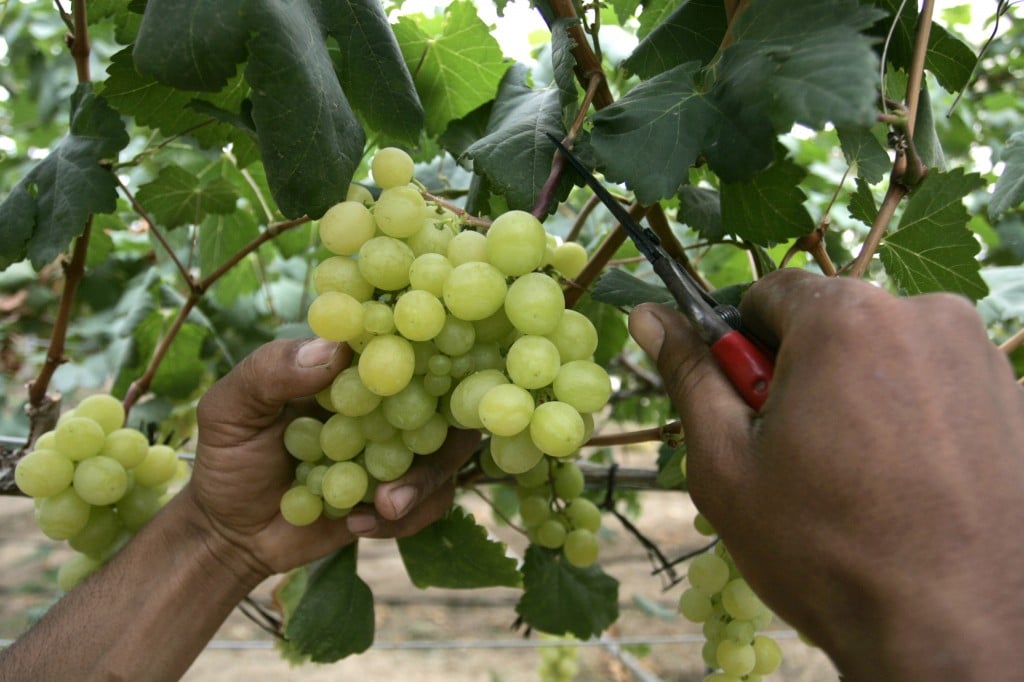
“Many of them are more suitable for table grapes, but others could very well be processed into wine,” Drori said, noting that different grapes were used in other regions of the world. “Some were lost during the Muslim period, but we hope to use the ones we have to really reconstruct the ancient wines of Israel.”
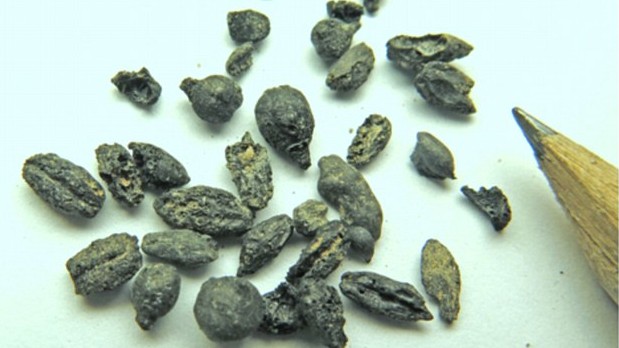
Drori’s expertise in wine, archaeology, and chemistry makes him uniquely positioned to do forensic research on ancient grapes. He works with archaeologists when they recover grape seeds preserved in ancient wine presses. He and his team can then compare their DNA with that of modern vines.
“So far, we know of at least two varieties that were used in wines,” Drori said. The varieties will be identified in an upcoming scientific publication and could eventually be cultivated for commercial wine production, he added.
An answer — of sorts
So is the treading floor or the collection vats better for fermenting grapes? The experiment was inconclusive.
“Technologically and logistically, it’s definitely way easier on the treading floor,” he said in a follow-up call after the experiment was completed. “As soon as we opened the pipes, we had a huge amount of free-running wine, very clear and with good color. In the collection vats, it was a lot of work and a huge mess.”
Taste-wise, however, the results were different. Too much oxygen exposure caused the wine on the treading floor to spoil by the end of the week, while the wine in the vats remained fine. More research will be needed, he said.
Drori noted that a statement in the Talmud suggests wine can remain exposed on the treading floor for three days before it risks being infected with snake venom. It is possible that the rabbis understood that snakes would be repelled by the bubbling carbon dioxide and harsh vapors of active fermentation during this time, he said.
“It’s quite amazing that what we saw in the fermentation process may match what the rabbis described,” he said.
More experimentation will also be needed to identify the optimal fermentation time. After that, Drori wants to try to recreate the process of pressing the wine skins along with other aspects of ancient winemaking. For him, it’s all part of the excitement of the scientific process.
“I kind of like that we didn’t get a clear answer from the first test,” he said. “If we couldn’t figure it out, it means that the ancients really knew what they were doing. There is so much more that we have to learn.”

The Times of Israel Community.