

Jerusalem’s Botanical Gardens bring sculpture to green spaces
The urban nature site launches ‘Returning to Nature’ exhibit, offering outdoor access to arts and culture
 Add ToI as a Preferred Source on Google
Jessica Steinberg, The Times of Israel's culture and lifestyles editor, covers the Sabra scene from south to north and back to the center
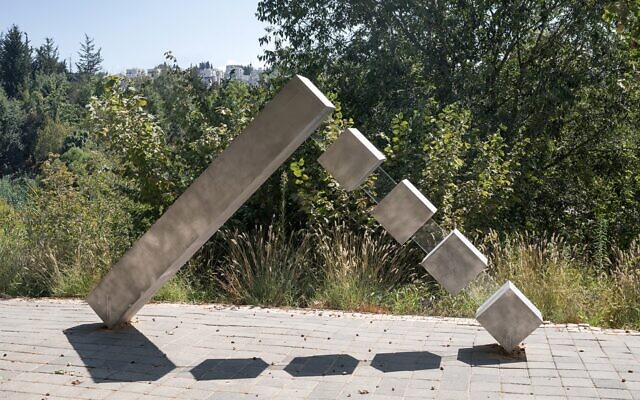
Renowned Israeli artist Menashe Kadishman has arrived at the Jerusalem Botanical Gardens.
Actually, it’s Kadishman’s 1982 sculpture, “Segments II,” made of stainless steel and glass, that’s currently ensconced in the “Returning to Nature” exhibition that opened Monday at the urban nature site.
The exhibit, open through the end November, had been part of the garden’s overall plan to bring arts and culture into its natural space.
The sculptures are placed in a circular route throughout the gardens, and there is also a virtual tour in place designed for those who can’t come in person right now. The garden is offering activities and guided tours tied to the exhibit, all available through the special website created for “Returning to Nature.”
“We wanted it to be as much online as possible, for the audience who can get out and see nature, and for those who can’t,” said Hannah Rendell, executive director at the gardens.
“Returning to Nature” includes 16 sculptures by iconic artists Kadishman and Dani Karavan, established artists Tsibi Geva, Yehudit Sasportas and Sigalit Landau, and younger artists such as Ella Littwitz, Yaara Zah and Saher Miari.
It’s a response to the lack of art and culture available right now due to the coronavirus pandemic, said Hadas Maor, who curated the exhibit. “We’re returning to nature and open spaces but we still can’t go to museums and galleries,” she said.
Two works were commissioned for the garden: A sound installation by Maya Dunietz that responds to the murmurs and voices of the garden, and a chapter from the Liquid Desert project by Yehudit Sasportas, part of which was shown in January 2019 in Germany.
The aim was to combine iconic works and works by new artists, curating the show based on existing works loaned from museums, private collections and galleries, and commissioning new works from artists, particularly those who work in relation to nature, said Maor.
Maor contacted Kadishman’s daughter to see which of his earlier works was available. The artist and sculptor, best known for his series of goat faces, had the Segments II sculpture available, having had it returned to Israel from the US for restoration.
The sculpture is part of an earlier body of work about the disconnect between nature and the world, and allows viewers to see the garden through the work, said Maor.
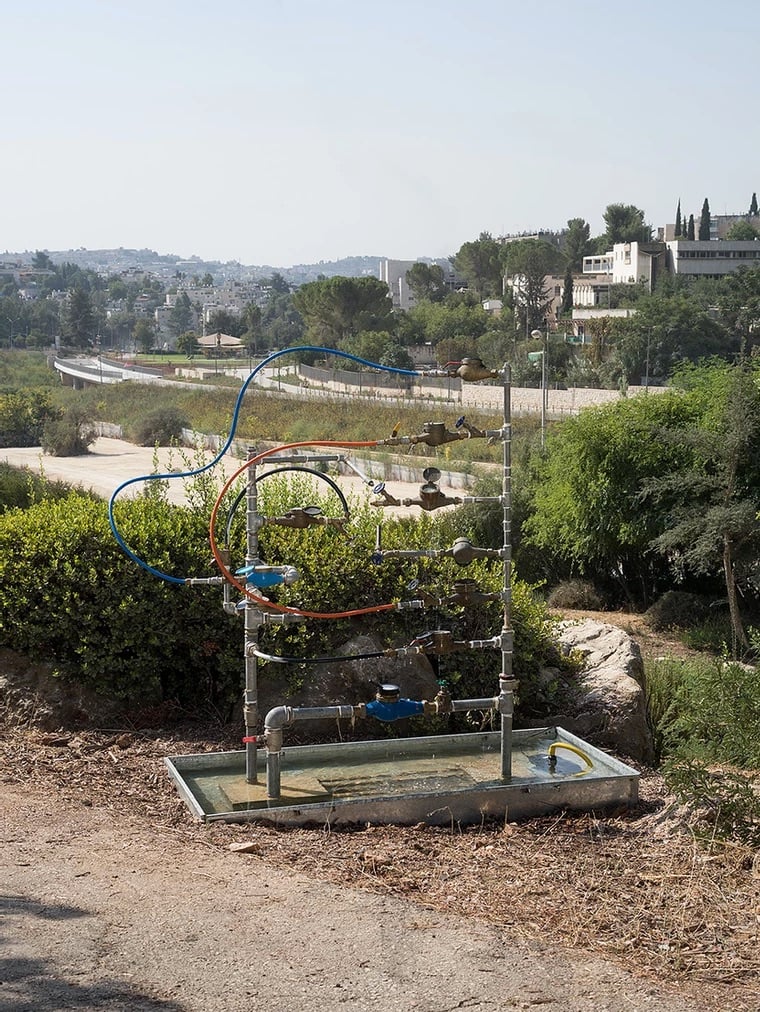
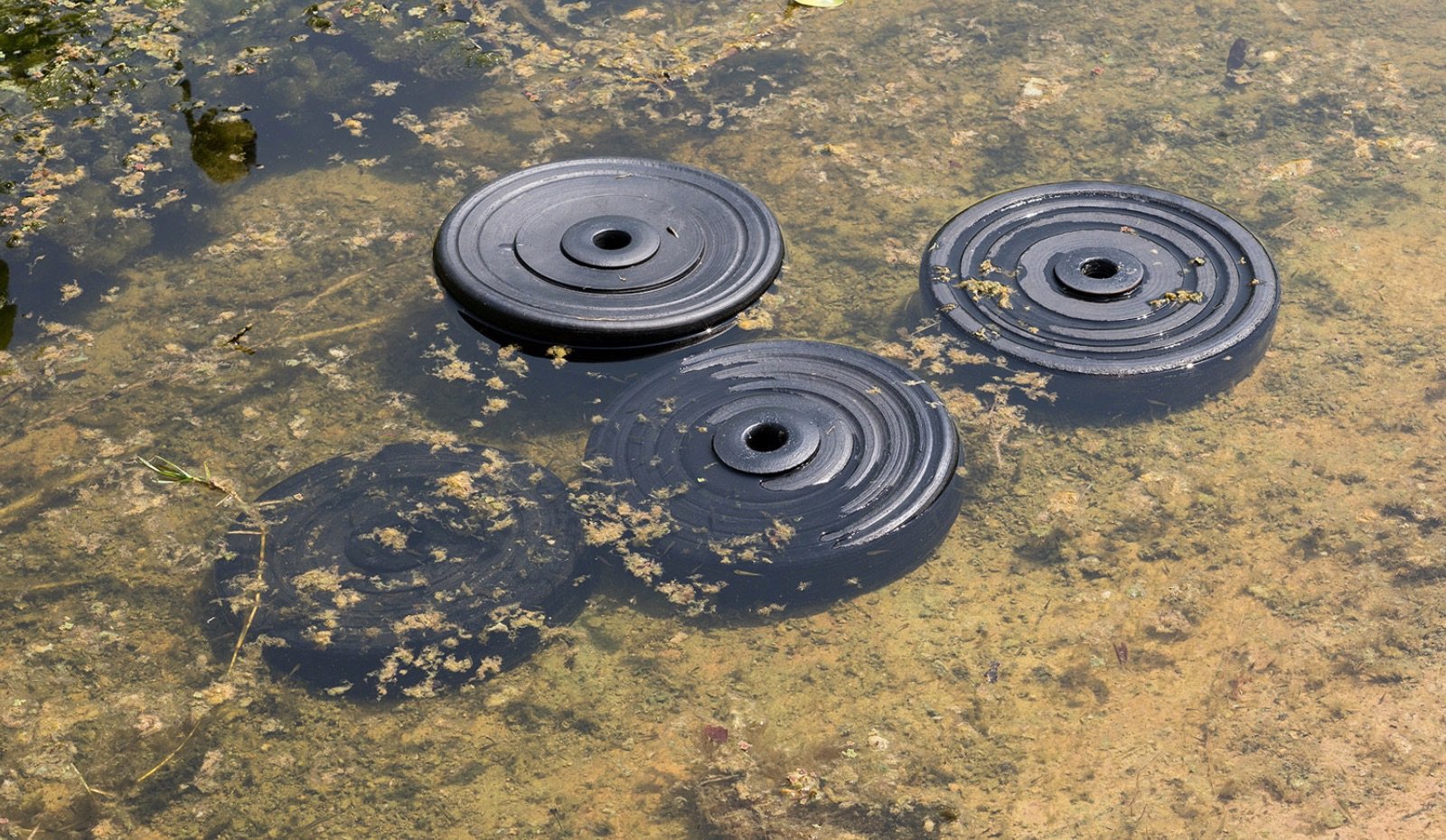
Sigalit Landau used water meters to construct “Falling Water,” a sculpture that refers to life through the revolving pattern of water and water meters, as a reference to Israel and its ongoing water issues.
Ella Littwitz repurposed old soccer ball skins for a horizontal sculpture that fits itself to the ground and the site, while Maya Dunietz and Yehudit Sasportas created sound installations that can be heard in certain spaces in the gardens, creating “sculptures in space,” said Maor.
“It gives a conceptual horizon to sculpture,” she said. “There’s the tension of the vertical sculptures, and usually you expect to see something starting at the ground and going upwards.”
The final result is as good as any experience one can have in a museum, said Maor, noting that this was her first time curating an exhibit in nature.
“We expect Israelis, Jerusalemites and the art community to come see this, because they know the space and what to expect at the gardens,” said Rendell. “It’s a chance to go for a walk in the park, and see something new.”







The Times of Israel Community.