

New Kuwait emir expected to face US pressure to normalize ties with Israel
Sheikh Nawaf al-Ahmad al-Saba has complex task ahead; local analyst says steps toward normalization ‘will be met with popular rejection’
 Add ToI as a Preferred Source on Google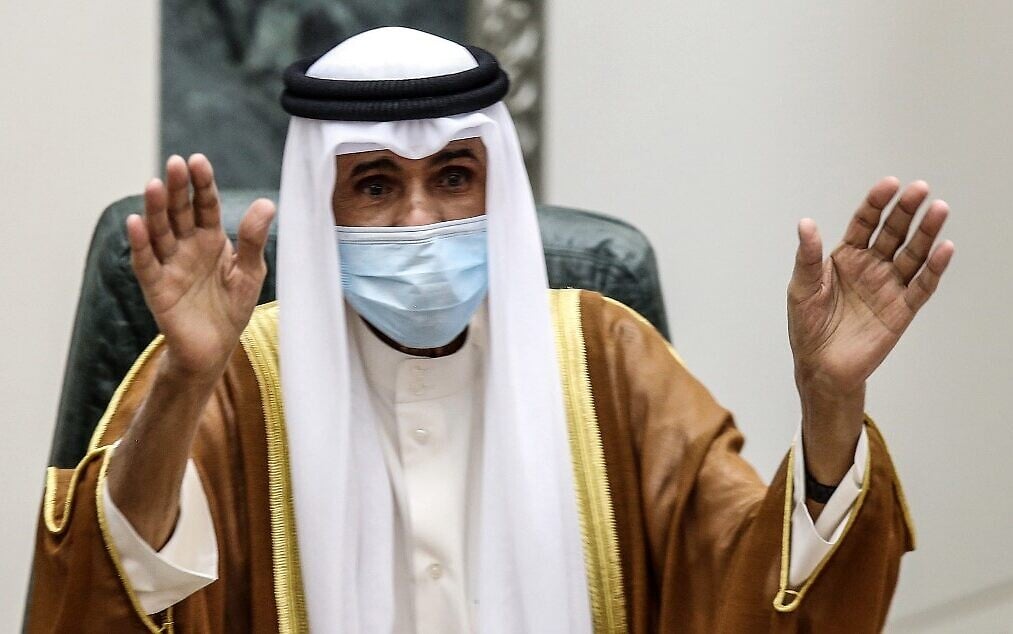
KUWAIT CITY, Kuwait — The new Kuwaiti emir has big shoes to fill and formidable issues to deal with — balancing relations with regional powers Saudi Arabia and Iran, steering the economy through crisis, and selecting a new crown prince.
The hot topic of whether to establish ties with Israel, and how to respond to low oil prices amid the coronavirus slump, will also preoccupy the 83-year-old Sheikh Nawaf al-Ahmad al-Sabah.
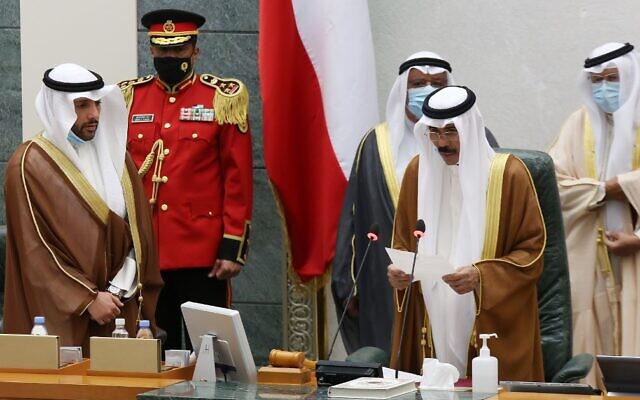
He was sworn in Wednesday after the death of his half-brother, Sheikh Sabah al-Ahmad Al-Sabah, one of the giants of Gulf diplomacy who for decades dominated life in the emirate, located in an unstable region and with its own turbulent politics.
In his inauguration speech on Wednesday, Sheikh Nawaf warned of “serious” challenges and called for national unity to face them.
“The general image is that he is a calm person who, when it calls for it, can take firm decisions,” said Mohammed al-Faily, an expert in constitutional law and professor at Kuwait University.
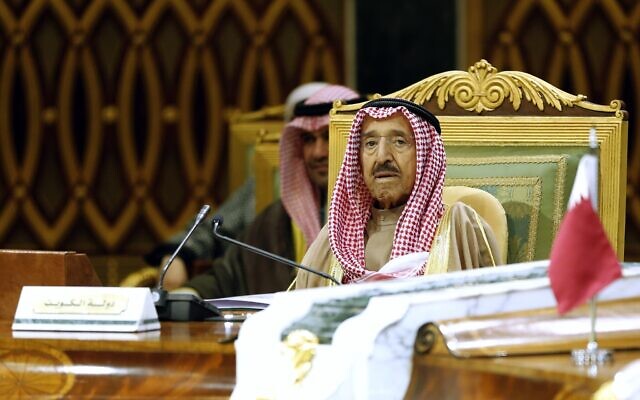
But experts note that Sheikh Nawaf does not have the stature of the late emir, a political veteran who guided the nation through its worst crises and made Kuwait a respected regional mediator.
“Sheikh Nawaf is also old… and not in perfect health,” said Cinzia Bianco, a research fellow at the European Council on Foreign Relations who said he would be viewed more as a caretaker than a “watershed new leader.”
Who’s next?
One of the new emir’s delicate tasks will be to select an heir apparent — a process for which he has a one-year deadline, with the decision to be ratified by parliament.
Kuwait’s constitution stipulates only that the ruler should be a descendant of the nation’s founder, Mubarak Al-Sabah. By tradition, the throne has alternated between two branches of the family — the descendants of his sons Salem and Jaber — for four decades.
However, when Sheikh Sabah, who is from the Jaber branch, ascended to the throne in 2006, he named his half-brother as his heir, sidelining the Salem branch.
Contestants for the newly vacated role of crown prince include Sheikh Sabah’s son and former deputy prime minister and political heavyweight Nasser Sabah al-Ahmed al-Sabah.
Others are former prime minister Nasser al-Mohammed, and Deputy Chief of the Kuwait National Guard Sheikh Meshal Al-Ahmad Al-Jaber Al-Sabah.
In recent years, the ruling family has been flaunting its differences, with lurid accusations of corruption and political conspiracies lodged by some of its members against others.
“This competition unfolding behind the scenes may impact Kuwait’s posture vis-a-vis relations with Iran and Iraq, as well as its ability to mediate in the Qatar crisis,” said Bianco, particularly “if a younger candidate takes the throne.”
The Gulf has been divided since 2017, when Saudi Arabia, the United Arab Emirates, and Bahrain imposed a blockade on Qatar. Kuwait, under Sheikh Sabah, one of the driving forces behind the Gulf Cooperation Council, did not take part.
Pressure on Israel
Ibrahim Dichti, a Kuwaiti political analyst, said the new emir will most likely face increased US pressure to normalize ties with Israel — in line with decisions made by allies the UAE and Bahrain.
“It is clear that President Donald Trump’s direction is to push Kuwait to sign a peace deal, and the next government may head towards normalizing relations, but will be met with popular rejection,” he said.
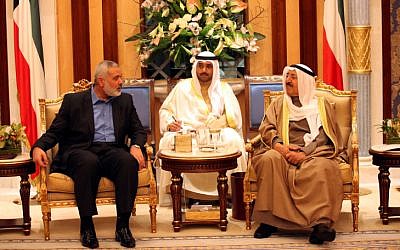
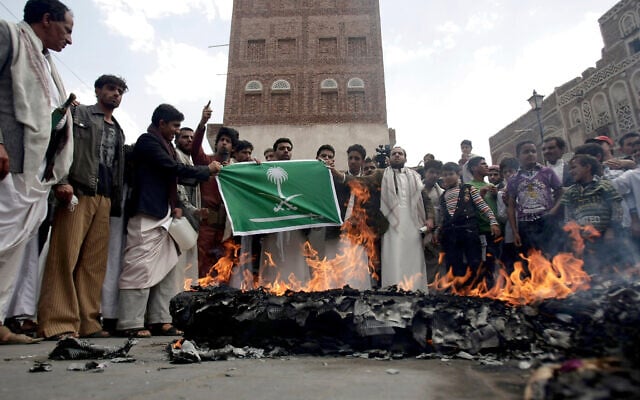
Normalization with the Jewish state is highly unpopular among the Kuwaiti public, which largely supports the Arab world’s historic position of demanding a resolution of the Palestinian cause before giving diplomatic concessions to Israel.
Kuwait, unlike other Gulf states, has a lively political life with an elected parliament that enjoys wide legislative powers and can vote ministers out of office. Political rows often burst into the open.
Despite US lobbying for its neighbors to put pressure on Iran, Faily said Kuwait — which manages to maintain good relations with both Saudi Arabia and Iran — is unlikely to harden its position towards the Islamic Republic.
“It is irrational to enter into conflict just because there is a change in the leader,” he said.





The Times of Israel Community.