

Soaring Iran executions appear to be a ‘tool of state intimidation,’ UN warns
Rights chief decries ‘systematic use’ of death penalty that reportedly killed 1,500 in Iran last year, pans proposed Israeli law on mandatory sentences for terrorists
 Add ToI as a Preferred Source on Google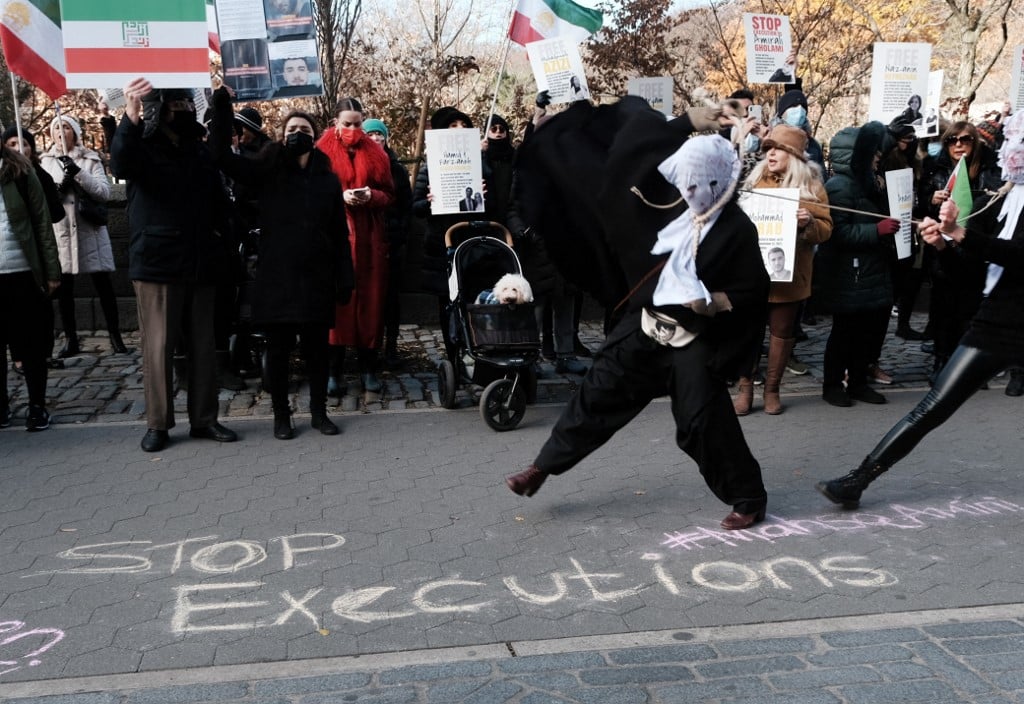
Iran appears to be using executions “as a tool of state intimidation,” the United Nations said Monday, as it denounced a jump in capital punishment globally in 2025.
The Islamic Republic reportedly executed 1,500 people last year, UN rights chief Volker Turk said in a statement.
“The scale and pace of executions suggest a systematic use of capital punishment as a tool of state intimidation, with disproportionate impact on ethnic minorities and migrants,” he warned.
The spike in executions in Iran — which, according to rights groups, is the world’s most prolific executioner after China — had contributed to “an alarming increase” in the use of capital punishment worldwide last year, Turk said.
While the overall global trend continues to move toward universal abolition of the death penalty, executions surged in Iran and a handful of other states, such as Saudi Arabia and the United States.
Many of those executions were “for offenses not meeting the ‘most serious crimes’ threshold required under international law,” Turk said, also criticizing “the continued execution of people convicted of crimes committed as children, as well as persistent secrecy around executions.”

Public executions
The sharp hike had especially been driven by a growing number of executions for drug-related offenses not involving intentional killing.
“This is not only incompatible with international law, but also ineffective in deterring crime,” Turk insisted.
In the case of Iran, at least 47 percent of executions in 2025 were related to drug offenses, the rights office said.
The percentage was even higher in Saudi Arabia, where 78% of the 356 people reportedly executed there last year were sentenced for drug-related crimes.
“At least two among those executed in Saudi Arabia were convicted of crimes committed as children,” Turk pointed out.
In the United States, meanwhile, 47 executions were carried out in 2025 — the highest number in 16 years, the rights office said, stressing that the broadened use of gas asphyxiation for executions there raised “serious concerns of torture or cruel punishment.”
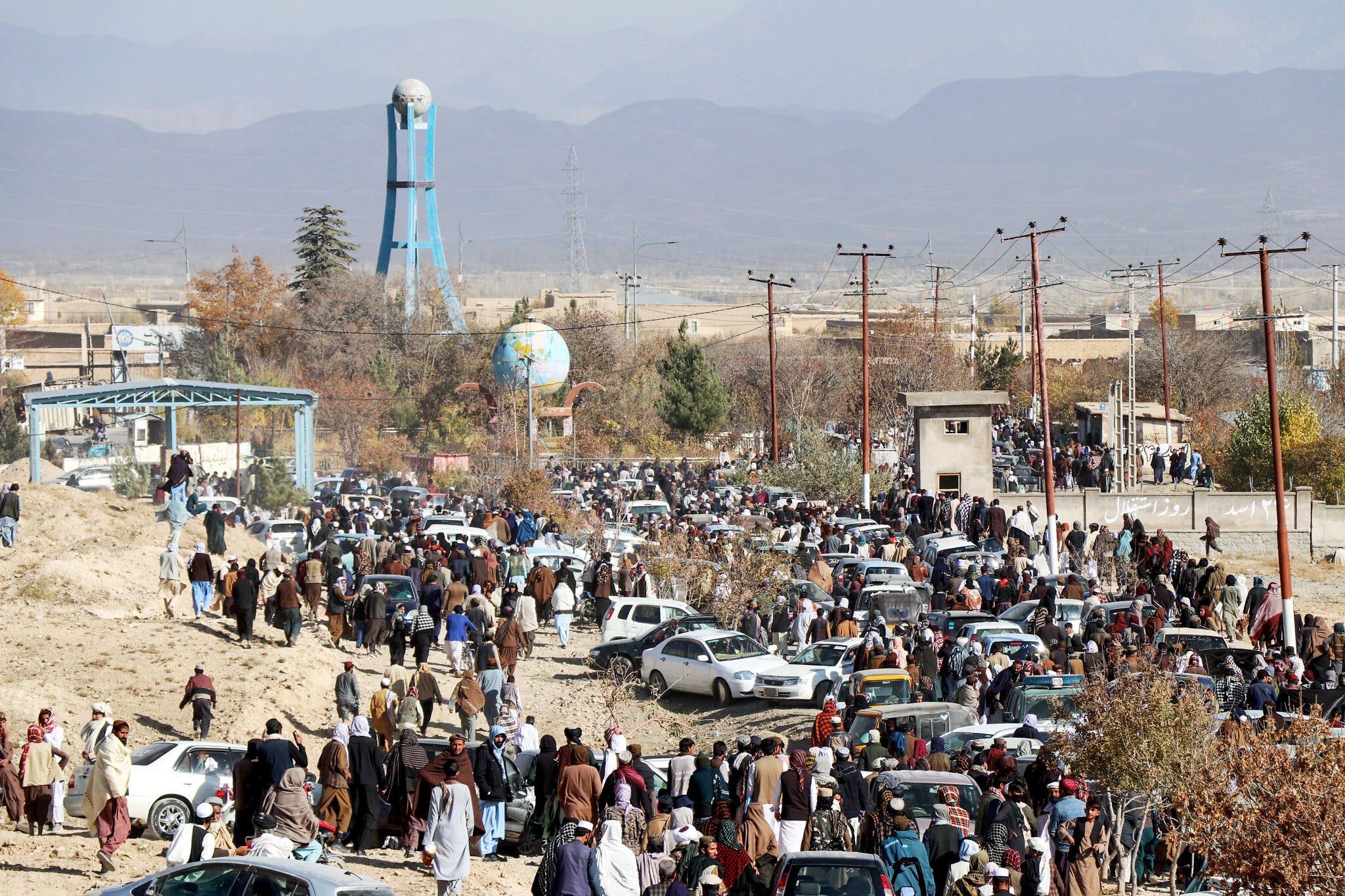
It also highlighted the ongoing public executions in Afghanistan, “in breach of international law.”
At least 24 people were executed in Somalia last year and 17 in Singapore, it said, adding that secrecy around the death penalty in China and North Korea made it “difficult to obtain accurate numbers.”
And in Israel, the rights office pointed to a series of legislative proposals seeking to expand the use of the death penalty with mandatory capital punishment provisions applying “exclusively to Palestinians.”
“This raises serious concerns about violation of their due process rights, as well as other breaches of international human rights law and international humanitarian law,” it said, also slamming executions carried out by Hamas in Gaza as “blatant human rights violations.”
“The death penalty is not an effective crime-control tool, and it can lead to the execution of innocent people,” Turk said, reiterating his call for all states to “move towards full abolition.”
In November, the Knesset approved in a first reading a controversial government-backed bill sponsored by Otzma Yehudit MK Limor Son Har-Melech to impose the death penalty on terrorists who have killed Israelis. The bill states that it applies to those who kill Israelis due to “racism” and “with the aim of harming the State of Israel and the revival of the Jewish people in its land,” leading to criticism that it would apply only to Arabs who kill Jews and not to Jewish terrorists.
Meanwhile, last week, the Knesset approved in a first reading another bill that would establish a special military tribunal to try perpetrators of Hamas’s October 7, 2023, massacre.
The tribunal will be able to try the dozens of Gazans captured in Israel between October 7 and October 14, 2023, suspected of being Hamas operatives for crimes listed under Israel’s 1950 Law for the Prevention of Genocide, which is based on the 1948 Genocide Convention and can carry a death sentence.
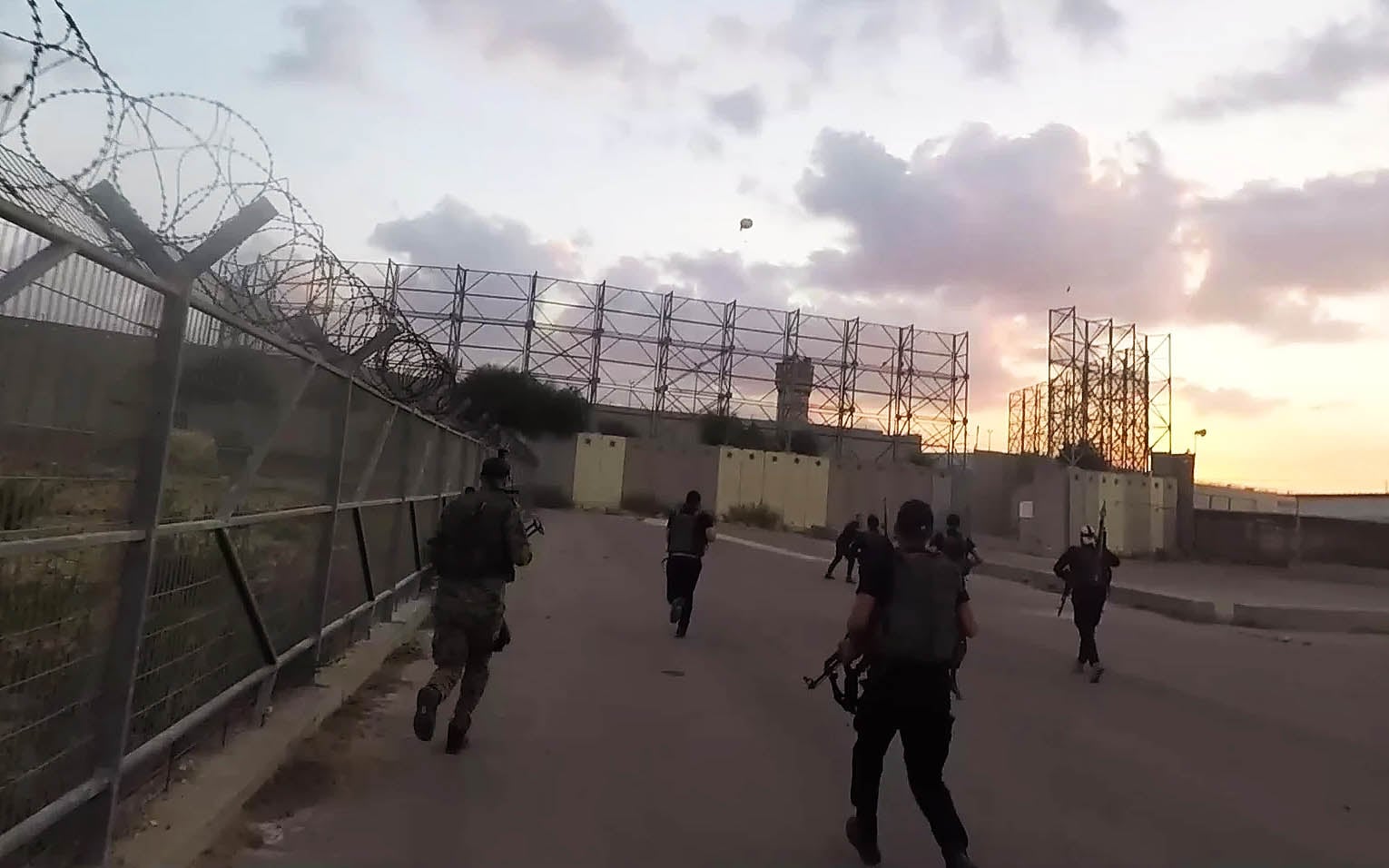
On October 7, 2023, Hamas led an invasion of southern Israel in which 1,200 people were massacred. The thousands of terrorists who burst into the country also abducted 251 people as hostages to the Gaza Strip.
Terror operatives committed numerous atrocities during the savage invasion, many of which were documented by the terrorists themselves on bodycams they wore during the attack.
The IDF estimated that it killed more than 1,600 terrorists during the onslaught in Israel, and captured 149, who have been held in Israeli prisons and detention centers since.







The Times of Israel Community.