

The mess that is Lebanon
After 18 months of deadlock, the divided country may have a new president. Which won’t heal any rifts
 Add ToI as a Preferred Source on Google
Avi Issacharoff, The Times of Israel's Middle East analyst, fills the same role for Walla, the leading portal in Israel. He is also a guest commentator on many different radio shows and current affairs programs on television. Until 2012, he was a reporter and commentator on Arab affairs for the Haaretz newspaper. He also lectures on modern Palestinian history at Tel Aviv University, and is currently writing a script for an action-drama series for the Israeli satellite Television "YES." Born in Jerusalem, he graduated cum laude from Ben Gurion University with a B.A. in Middle Eastern studies and then earned his M.A. from Tel Aviv University on the same subject, also cum laude. A fluent Arabic speaker, Avi was the Middle East Affairs correspondent for Israeli Public Radio covering the Israeli-Palestinian conflict, the war in Iraq and the Arab countries between the years 2003-2006. Avi directed and edited short documentary films on Israeli television programs dealing with the Middle East. In 2002 he won the "best reporter" award for the "Israel Radio” for his coverage of the second intifada. In 2004, together with Amos Harel, he wrote "The Seventh War - How we won and why we lost the war with the Palestinians." A year later the book won an award from the Institute for Strategic Studies for containing the best research on security affairs in Israel. In 2008, Issacharoff and Harel published their second book, entitled "34 Days - The Story of the Second Lebanon War," which won the same prize.
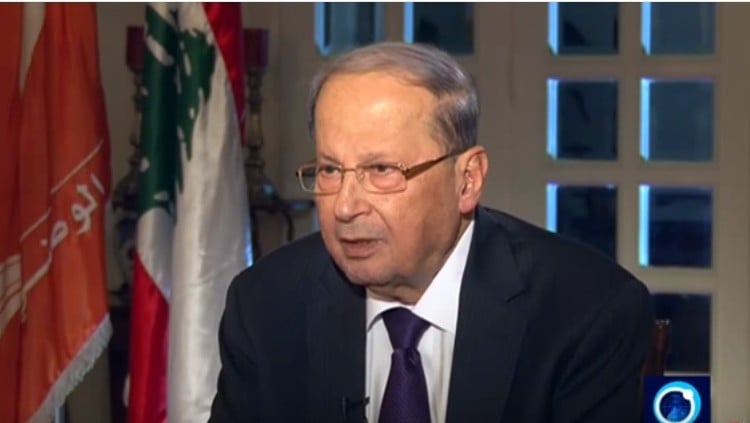
The latest goings-on in Lebanon’s presidential race have stunned quite a few experts, commentators and journalists — Lebanese and foreign alike. People who were bitter foes in the past have banded together, while alliances have fallen apart overnight. And yet it is far from certain that the entire political soap opera is going to bring about an end to the crisis in the presidency and the running of the country.
Where to begin?
A good starting point might be the resignation of former president Michel Sleiman in May 2014. Nobody has been chosen to replace him in the year and eight months that have gone by since then. This governmental vacuum makes it difficult for the political and diplomatic system to function, since unlike, say, Israel’s presidency, which is merely symbolic, Lebanon’s presidency is an office with real powers. The government itself is suffering from severe problems in its functioning (the trash crisis, for example), and parliament hardly ever meets.
But what just happened here that took so many people by surprise?
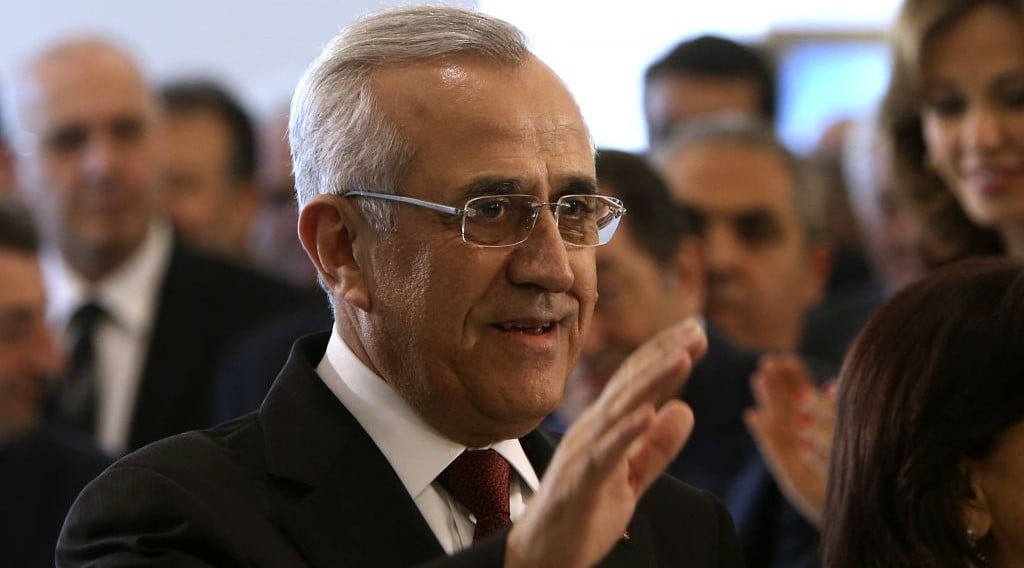
According to Lebanon’s constitution and its national covenant, which was established in 1943, the country’s president must be a Maronite Christian. This is even though Christians are now a small minority compared with other religious communities, such as the Shiites and the Sunnis. So two Christian candidates, each from a different political camp, were proposed immediately after Sleiman left office.
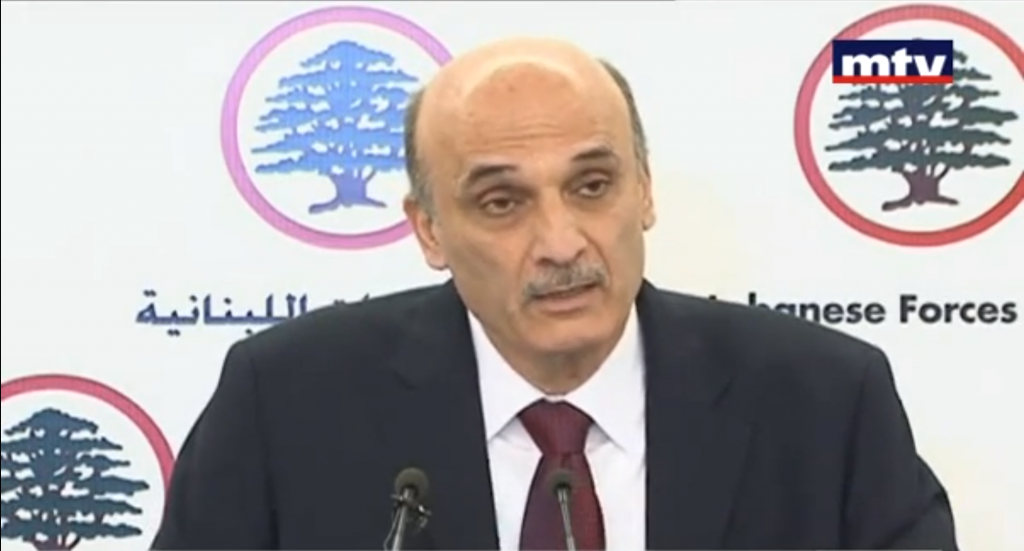
The first candidate was Samir Geagea, executive chairman of the Lebanese Forces party. He was the leader of one of the armed Christian militias that won the support of the March 14 Alliance led by Sa’ad-eddine Rafik al-Hariri, son of former Lebanese prime minister Rafik Hariri who was assassinated in 2005, evidently by Hezbollah. Geagea’s camp is known for its opposition to supporters of Syria and Hezbollah. Sa’ad-eddine Hariri, who is of Sunni origin, is a former prime minister of Lebanon, like his father.
The second candidate, Michel Aoun, was the founder of the Free Patriotic Movement, which he led from 2005 to 2015. The Free Patriotic Movement has marched hand in hand with Hezbollah and its supporters since 2006 (though it fought against Hezbollah earlier on), and before that refused to join the March 14 Alliance. It should be noted that most of the Maronite Christians favor Aoun’s camp over that of Geagea.
The stalemate regarding the appointment to the presidency led Hariri to make a move several months ago that took many people by surprise: He expressed his support for a third candidate, Suleiman Frangieh, leader of the Marada Movement.
Frangieh, who also comes from a distinguished and well-known Christian family, was a member of the March 8 movement until that point, and is considered a sympathizer of the Syrian regime.
He is the son of Tony Frangieh, who was assassinated in 1978 in his home in the town of Ehden by Christian Phalangists commanded by Elie Hobeika and Samir Geagea (who were considered at the time to be followers of Bashir Gemayel, who worked with Israel). Tony’s wife, Vera, and their three-year-old daughter Jihane were also murdered in the attack. Suleiman, who was 14 at the time, escaped the attack because he was in Beirut. So there is not much love lost between Suleiman Frangieh and Samir Geagea, to put it mildly.
Geagea has a bloody history of rivalry with Aoun as well. His Lebanese Forces party fought against Lebanese troops commanded by Aoun late in the civil war at the start of 1990. But Geagea began taking steps toward reconciliation with Aoun more than a year ago. Aoun, after returning from exile in France, was among the prominent figures who called for Geagea’s release from prison (for his part in the murders of Lebanese officials). The Lebanese parliament agreed in 2005 to commute Geagea’s sentence and release him early, and the few members of parliament who did not support the act and abstained from the vote were from Hezbollah.
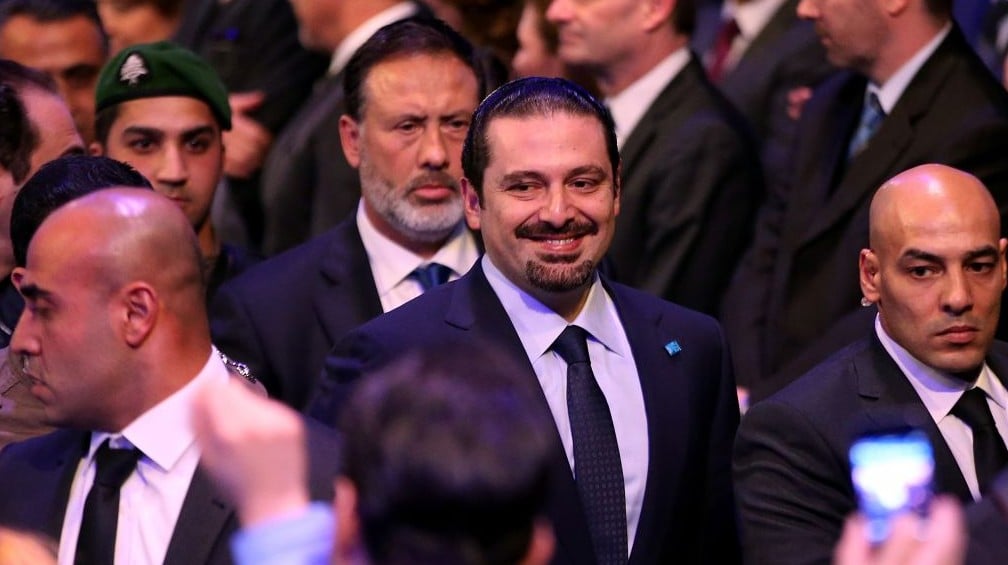
Geagea saw Hariri’s endorsement of Frangieh as an act of betrayal. Other members of the March 14 Alliance saw it as surrender to pressure from Hezbollah. Surprisingly, Hezbollah and the supporters of the Syrian regime were in no hurry to adopt Hariri’s initiative either, and Hezbollah announced a few days later that it continued to support Aoun’s candidacy. So the stalemate continued until this week’s dramatic announcement, which took everyone by surprise: Geagea held a press conference together with Aoun, during which he announced his support for “General” Aoun’s candidacy.
Confused? You’re not alone.
Most of the parties and centers of political power in Lebanon are waiting to see what will happen, and are in no hurry to issue endorsements of any kind. While it is not yet certain that Aoun has the parliamentary majority he needs to be elected president, his chances have improved dramatically. And if the “general” should be the one to enter Baabda Palace as Lebanon’s next president, we can be sure of one thing: Hezbollah and its allies will be continuing their takeover of Lebanon.



The Times of Israel Community.