

The qualm before the storm
Nobody is quite certain what Trump is threatening Iran with, but everybody sees clouds of conflict on the horizon
 Add ToI as a Preferred Source on Google
Joshua Davidovich is The Times of Israel's Deputy Editor
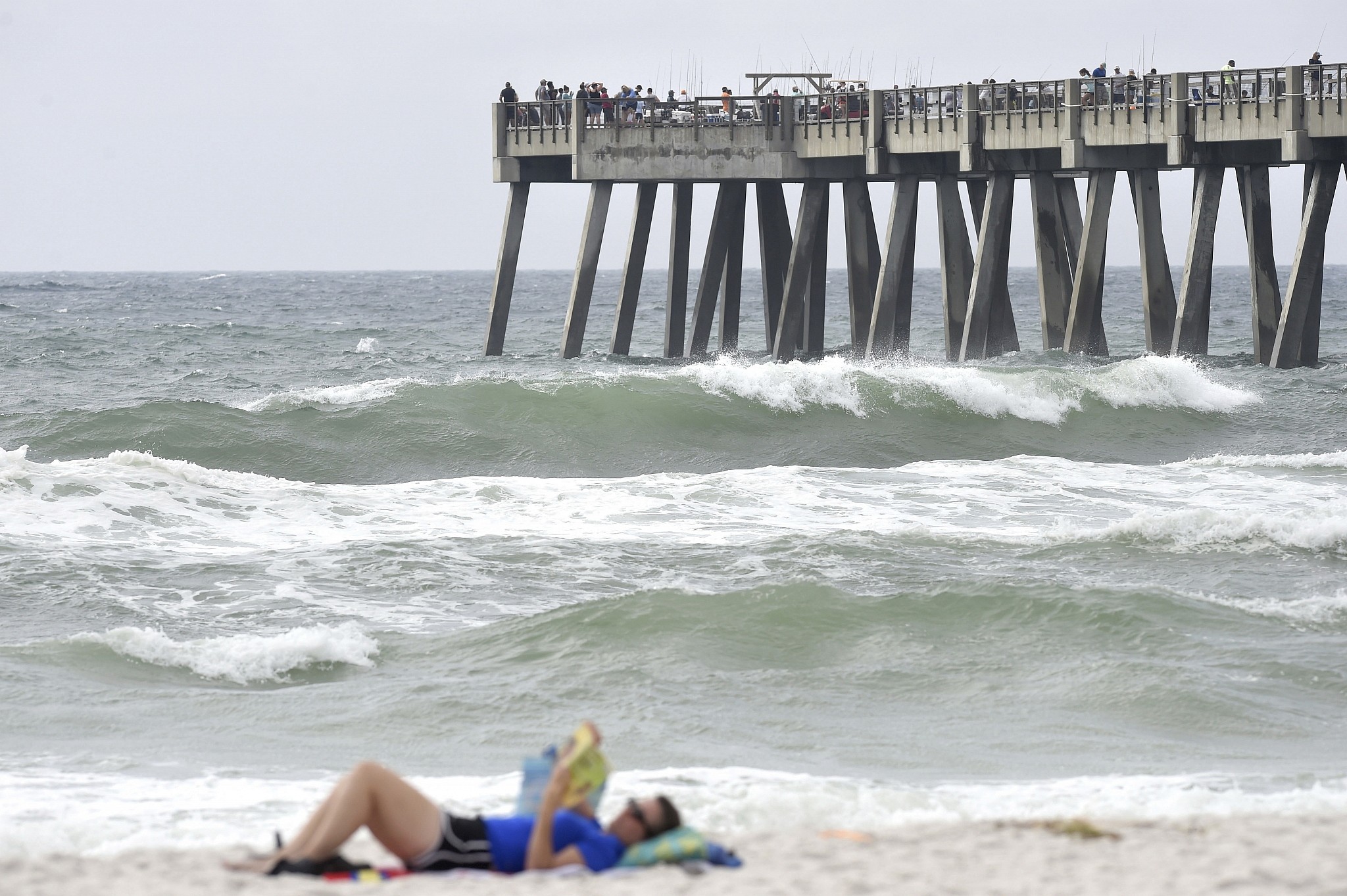
There’s nearly a week until US President Donald Trump is expected to decertify Iranian compliance with the nuclear deal, but tensions are already both ramping up and rippling outward, with enough storm imagery to make anyone living in a ramshackle shanty for the Sukkot holiday feel uneasy.
Like a bad love quadrangle, papers are filled with potential conflicts between the US and Iran, Israel and Iran, the US and Israel, and Israel and Syria Sunday morning,with more sabers being rattled than holiday fronds.
Haaretz’s front page sets up the biggest clash cleanly, with a top headline quoting Trump saying Iran isn’t holding to the spirit of the deal and Iranian leader Hassan Rouhani vowing that the deal cannot be overturned, against the backdrop of what the paper calmly calls “uncertainty over its future.”
The swords are unsheathed, though, in Yedioth, which plays up Trump’s cryptic “calm before the storm” remark and crows in a large headline that the two countries are “on a path to confrontation.”
“Trump’s strange comment roiled the press and created a wave of speculation,” the paper reports. “Was he talking about an upcoming operation against North Korea, which he has hinted at over the last few weeks? Or maybe it was a coded threat toward Iran, against the backdrop of his apparent decision to not certify the nuclear deal.”
The papers are also focused on Israel’s place in the standoff with Iran (and Syria), especially Israel Hayom, which reports that Israel is continuing to put pressure on the Trump administration to just scrap the deal or renegotiate it.
The tabloid’s lead story, though, is an exclusive on a military excursion that almost occurred, but didn’t, against a crematorium found in a prison run by the Syrian regime.
The discovery of the facility in May, with its obvious echoes of crematoria used by Nazis against Jews in the Holocaust, enraged the world. The paper reports in the end the US decided to do nothing, as did Israel, but seems to indicate Israel should get points for seriously considered bombing it.
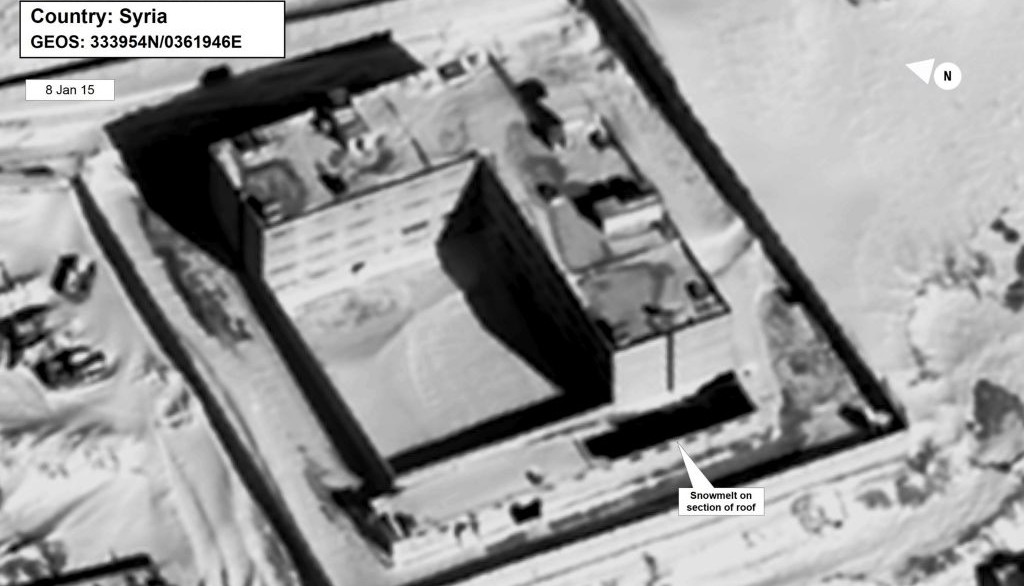
“A country that lost millions of its countrymen in crematoria can’t just stand aside as something like this happens to other people, just a few dozen kilometers from its border,” the paper quotes a senior official involved in the discussions as saying. “Most of the world stood aside and was quiet, just like they were 70 years ago.”
Despite the historical parallels, the paper reports Israel held back in order to keep from angering the US and Russia over an issue that was not security-related but only moral.
Israel indeed shows much less willingness to stand aside when it comes to security matters, and Alex Fishman in Yedioth writes that Israel and Iran are headed now toward a confrontation, over both the Islamic Republic’s use of militias along Israel’s northern border and its nuclear program.
“Israel’s policies in this current crisis are determining that there is no diplomatic way to cause a significant change in Iran’s behavior in the region, and so the only way to deal with it is via harsher sanctions, i.e., punishments, or via what is termed ‘another crisis,’ as in a military threat against Iran, in Syria or any other theater in the area. The atmosphere created by the Trump administration against the nuclear deal adds to the winds whipping up the hurricane that is closing in,” he writes.
In Haaretz, columnist Chemi Shalev has a foreboding feeling about this supposed coming storm, which he sees little good coming of, and predicts Prime Minister Benjamin Netanyahu will be held responsible for a chunk of the mess should war break out.
“Such a move by Trump will make him a local hero in Israel, some Arab capitals and among US hawks who have never reconciled with the deal reached by Barack Obama in 2015, but that will probably be the extent of its achievements. The storm is likely to create more havoc in the US than in Iran. A rejection of the deal, even one that isn’t legally binding, will exacerbate tensions with western European allies, who are still trying to persuade Trump to change course. It will give Moscow and Beijing another opportunity to portray Trump as a loose cannon who cannot be trusted. It will cast the United States as a rogue country that does not abide by the agreements it signs,” he writes.
“A harsh confrontation between the deal’s supporters and opponents could develop, in which Israel would find itself on the losing side, as it was in 2015. The Jewish community, whose fear of Iran is only eclipsed by its loathing for Trump, will be torn apart once again. And if the decertification actually leads to new sanctions that derail the deal and spark conflict or even war between the US and Tehran, Israel will be accused of pushing America too far, as it was during George W. Bush’s Iraq war. This time, however, the allegations will be harder to refute.”
One place where the US, Israel and Iran at least seemingly share common ground is the fight against the Islamic State group, which is everyone’s favorite villain. Well, maybe not everyone: Yedioth reports that Israeli officials fear Bedouin in the Golan will be drawn to the group and are trying to sell Israeli army service, complete with a sweetheart benefits package, to lure those potential jihadi recruits away.
Among the goodies meant to turn would-be terrorists into members of the so-called most moral army in the world are shortened service, home-purchasing discounts and scholarships.
The story, however, doesn’t actually have any hard numbers about Bedouin joining IS and takes its central thesis from what may have been a throwaway line by Bedouin commander Shadi Grifat, who said officials want Arabs to join the army before they become indoctrinated into some other ideology.
“From an academic perspective, we want to keep the elite with us, instead of them going to Jordan or another place that can have a negative influence on them. If we don’t embrace them now, wrap them up and get them on our side, they’ll get to anti-Israel places: the Islamic Movement, joining Islamic State and so on,” he’s quoted as saying. “We want to embrace the Bedouin population and tell them: Here it’s good for you. In other places it’s not.”
In Haaretz, Rogel Alpher isn’t talking about Bedouin, but he might as well be. in an op-ed, he writes that those who want to leave Israel or oppose it and do their own thing should be able to without being guilt tripped.
“Israelis who leave Israeli society are no less worthy than those who stay here. There’s no need to draw one’s identity from national affiliation. Nationality is just one option. A Jew can grow up in Israel and feel more comfortable as an adult in London, Helsinki, New Delhi or Melbourne,” he writes. “If such people believe they have no chance of fundamentally changing the way Israeli society is headed and they prefer German or Canadian society, they are under no obligation to feel solidarity with Israeli society. It’s their right to reject responsibility for actions they believe are criminal, to try to disengage from that society and become a partner in a different society whose business they prefer. That’s fine. There’s something disheartening about people who can’t make a rational decision to minimize the damage being caused to them, and who insist on clinging like martyrs to a society that goes against their interests, to the bitter end.”



The Times of Israel Community.