

UN experts: Islamic State still poses world threat
Largely defeated in Syria and Iraq, jihadist terror group is entering a new phase but remains fully capable of inflicting harm, panel says
 Add ToI as a Preferred Source on Google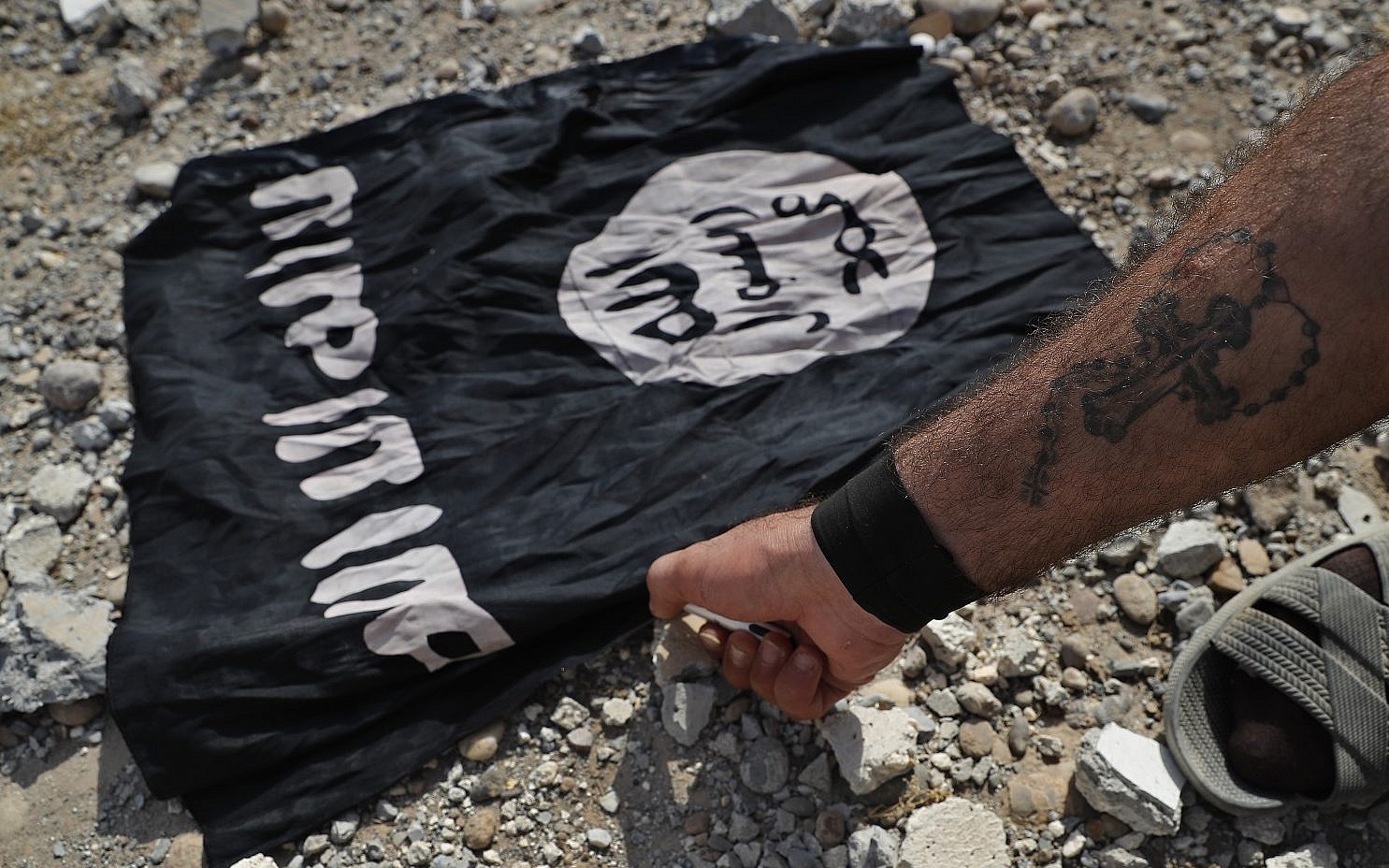
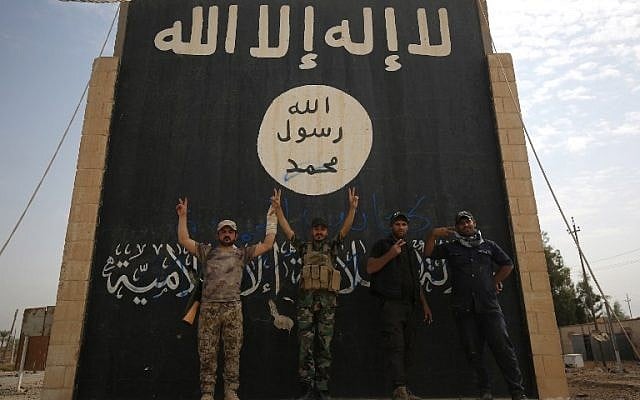
UNITED NATIONS (AP) — The Islamic State group still poses “a significant and evolving threat around the world” despite recent setbacks in Iraq, Syria and the southern Philippines that forced them to relinquish strongholds, UN experts said.
Their report to the Security Council circulated Tuesday said IS “has lost its focus on conquering and holding territory” but is continuing “to give prominence to external attacks.”
“In future, it will focus primarily on a smaller and more motivated group of individuals willing to fight or conduct attacks,” the experts said.
According to the experts, the Islamic State group is now organized “as a global network, with a flat hierarchy and less operational control over its affiliates,” with some members willing to cooperate with al-Qaeda networks “to support one another’s attacks.”
As a result of the changing threat, the report said the fight against the extremist group is entering a new phase “with more focus on less visible networks of individuals and cells acting with a degree of autonomy.”
The experts said in some ways, individual countries and the international community now face “a more difficult challenge,” making it vital to share information on the identity of former fighters, their location and travel plans.
They said IS foreign fighters unable to blend into the local population may be trying to leave, making their identification critical.
“ISIL has collected travel and identification documents from incoming fighters for potential use in future travel and has obtained several thousand blank Syrian passports,” the experts said, using another name for the group. While the numbers have been reported to INTERPOL and are in their database, “member states highlighted that their use by returnees or relocators is possible.”
The experts said countries bordering Iraq and Syria have highlighted “continued challenges” in identifying IS foreign fighters seeking to return home or relocate, as well as those on the UN sanctions blacklist.
The report urged greater use of biometric data, fingerprints and high-quality pictures to identify IS fighters.
It noted that the flow of new foreign fighters to Iraq and Syria “has almost come to a halt.”
In the past six months, the experts said, governments and organizations at all levels have continued to strengthen cooperation with the private sector on sharing sensitive information on terrorism-financing patterns and suspect individuals.
This has enabled “law enforcement authorities to disrupt travel by foreign terrorist fighters, detect terrorists and individuals associated with terrorism networks and bring terrorists to justice,” the report said.
“Nonetheless,” it said, “financial intelligence in the possession of entities in the private sector remains underused in many regions of the world.”
The experts assessed the threat from extremists from the Islamic State by region:
In the Middle East, following the rout of IS from strongholds in Iraq and Syria “clandestine terror cells remain in some cities, and small ISIL groups are located east of the Euphrates River, in the southwest of the Syrian Arab Republic and in northern Iraq.”
While the group’s ability to generate revenue “was considerably weakened” by its losses, falling by more than 90 percent according to one unnamed country, IS may still be able to profit from oil and gas sales, extortion, and control of checkpoints. And the group is still able to send money to its branches “despite heavy military pressure.”
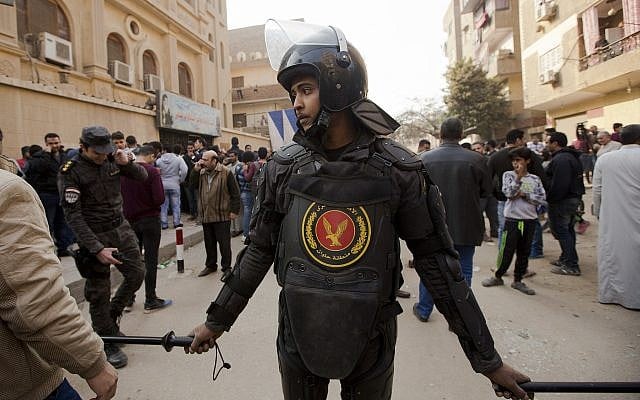
In Africa, unnamed UN member states “expressed concern at the resilience of the two separate wings of ISIL operating in Egypt” — in Sinai and on the mainland, where “cells of ISIL sympathizers” have been responsible for attacks against Coptic Christians.
UN members also noted IS’s determination “to rebuild its capabilities in Libya,” where its numbers have been reinforced by fighters from Iraq and Syria. Some members reported “they had arrested foreign terrorist fighters on their way to Libya to join ISIL.” And returning or relocating fighters are likely to use human trafficking and smuggling networks, including in Libya, to evade detection.
In West Africa, “the threat posed by ISIL-related groups continued to spread into Mali and neighboring states.”
In East Africa, despite IS’s expansion and activities being curtailed last year, the group has established underground cells in some regions of Somalia. But the al-Qaeda affiliate Al-Shabab is determined to ensure that IS doesn’t eclipse it in Somalia.
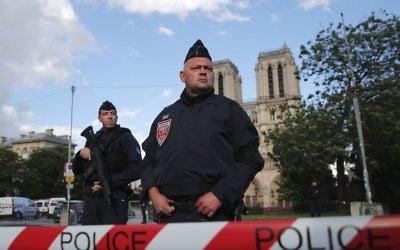
In Europe, “the region remains high on the group’s priority list” for attacks. Foreign fighters from IS “are increasingly using the Internet and social media to communicate with followers in Europe and to support their plans to conduct attacks” including by sending designs for improvised explosive devices.
In Central and South Asia, fighters relocated from Central Asia have been involved in attacks in Europe, Russia and Turkey over the past two years.
“ISIL in Afghanistan continues to mount aggressive attacks, especially in Kabul,” despite being weakened by military operations, and commands between 1,000 and 4,000 fighters in the country. In neighboring Pakistan, “terrorist attacks claimed by ISIL are carried out mainly by members of local groups, with cross-border planning and support from ISIL.”
In Southeast Asia, some members assess IS’s loss of Marawi City in the southern Philippines as “a symbolic and propaganda victory” for the group that “could serve as an inspiration for other militants.” The events in Marawi may also have enabled IS affiliates “to generate funds through the looting of banks.”
In Indonesia, two organizations remain “key ISIL-linked networks,” with Jamaah Ansharut Daulah responsible for more attacks, but Jamaah Ansarul Khilafah is “considered to be a growing threat.”






The Times of Israel Community.