

US to focus on reconstructing Gaza as peace plan stalls — report
Officials tell Washington Post the Trump administration hopes that helping with humanitarian crisis will make it harder for PA President Abbas to reject future initiatives
 Add ToI as a Preferred Source on Google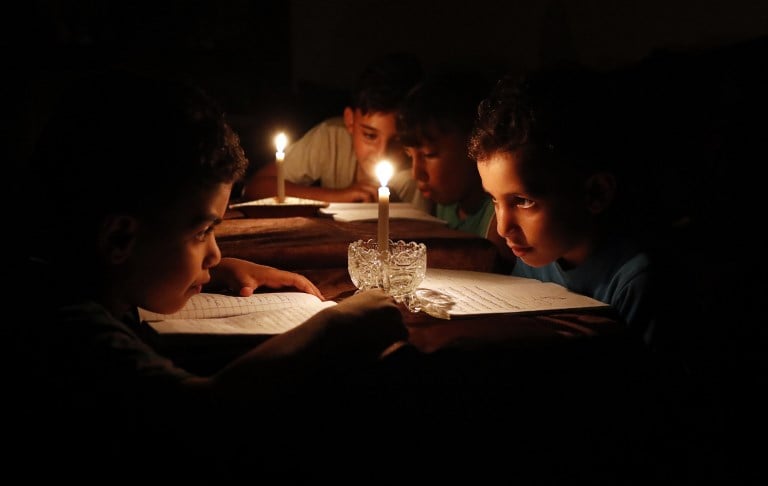
The Trump administration is reportedly focusing on improving humanitarian conditions in the Gaza Strip, while putting its as-yet unveiled peace plan on a back burner after the Palestinian Authority rejected overtures from US President Donald Trump’s negotiation team.
A senior US official told the Washington Post that by helping to relieve the humanitarian crisis in Gaza, the US hopes that it will demonstrate a commitment to the well-being of Palestinians, making it harder for Palestinian Authority President Mahmoud Abbas to reject future initiatives from the United States.
“We definitely have a Gaza focus right now because the situation is the way it is, and we want to try to help,” the official told the newspaper. “But it’s not as though we think we need to fix Gaza first before we would air the peace plan.”
White House officials have been effectively blackballed by Ramallah, which was angered by Trump’s recognition of Jerusalem as Israel’s capital in December 2017 and his relocation of the US embassy there in May. The Gaza Strip is controlled by the terrorist group Hamas, a rival to the Fatah-led Palestinian cabinet in the West Bank.
According to the paper, one proposal under discussion with Israel is for a solution to the electricity and water crises plaguing the coastal enclave.
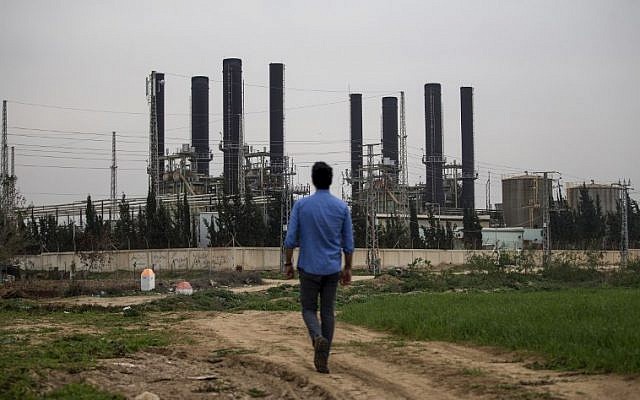
Gaza faces a lack of electricity, drinkable water, and food. Israel and Egypt maintain a blockade on the Strip which they say is designed to prevent Hamas from importing weapons and other goods that could be used to build fortifications or tunnels.
The situation has been exacerbated by an ongoing dispute between Hamas and the PA, which has cut the salaries it pays to workers in Gaza and imposed various sanctions, including cutting of payments for electricity supplies to Gaza.
The US State Department this year cut some $250 million from the budget of the United Nations Relief and Works Agency, or UNRWA. Trump tweeted on the issue in January, seemingly angered by the Palestinians’ failure to embrace his policy for the Middle East.
“We pay the Palestinians HUNDREDS OF MILLIONS OF DOLLARS a year and get no appreciation or respect,” he tweeted. “But with the Palestinians no longer willing to talk peace, why should we make any of these massive future payments to them?”
A senior Israeli official told the paper that focusing on Gaza was a stopgap measure.
“It’s providing support to people in Gaza as a first stage,” the official told the Washington Post. “They know the Palestinians are not willing to consider [the larger proposal], so they are starting to put more attention on the humanitarian situation in Gaza.”
However, Israel has said the humanitarian situation will not improve in Gaza until Hamas returns the bodies of two IDF soldiers and the two civilians captives it holds. It blames Hamas for the dire situation, charging the terror group with diverting millions in aid to purchase weapons, dig tunnels, manufacture rockets and train its military wing, instead of using it for the welfare of the people.
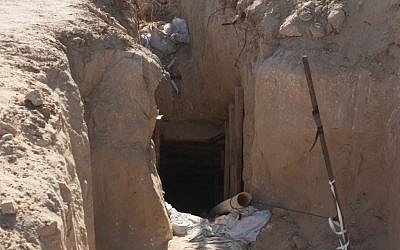
The Israeli official told the Washington Post that it remains unclear whether Hamas would agree to returning the Israelis in exchange for humanitarian aid.
In June, an aide to Abbas alleged that a reported effort by the US administration to raise over $500 million from Arab states for Gaza was designed to create further divisions between the West Bank and Gaza.
The US official denied to the Washington Post that the US is planning to create a Palestinian state in Gaza and thus sideline the Palestinian Authority.
“That’s ludicrous,” the official said. “We are not trying to do this. We think that the solution under a peace agreement would be a united Gaza and West Bank, under one Palestinian leadership
Proposals recently reported in Israeli and Arab media have indicated Israel is willing to take a number of steps to ease the humanitarian situation in Gaza. In June, Prime Minister Benjamin Netanyahu said Israel is working to prevent a “humanitarian collapse” in Gaza and blamed the recent border violence on economic conditions in the Palestinian enclave.
Recent months have seen an uptick in violence at the border between Gaza and Israel, with weekly violent Palestinian protests, ongoing rocket attacks, and the new phenomenon of incendiary kites and balloons flown over the border, sometimes at a rate of several dozen each day.
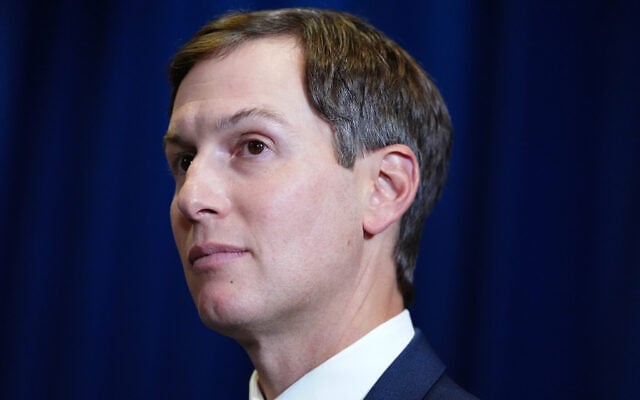
On a recent trip to the region, US Middle East envoy Jason Greenblatt and senior White House official Jared Kushner met with leaders to discuss the Trump administration’s efforts to put forward an Israeli-Palestinian peace plan with allies in the region. However, they did not meet with Palestinian officials, who had already cut off contact.
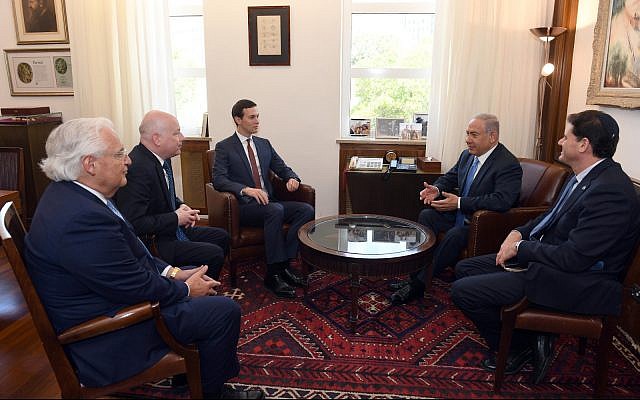
Palestinians claim East Jerusalem for the capital of their own future state and say the US recognition of the city as the capital of Israel showed Washington is not an honest broker.
A June interview given by Kushner to the East Jerusalem-based Al Quds newspaper was seen as an attempt by the Trump administration to reach out to the Palestinian people, despite the official boycott.
“If President Abbas is willing to come back to the table, we are ready to engage; if he is not, we will likely air the plan publicly,” said Kushner.
“There have been countless mistakes and missed opportunities over the years, and you, the Palestinian people, have paid the price,” Kushner said, according to a transcript of the interview provided by the White House. “Don’t let your leadership reject a plan they haven’t even seen.”
Agencies contributed to this report.




The Times of Israel Community.