

Virus czar asks ministers to impose tight restrictions over holidays
Gamzu pushing for partial ban on intercity travel, shutting schools and limiting workforce for nearly a month before gradual rollback, in bid to bring infections down to 700 a day
 Add ToI as a Preferred Source on Google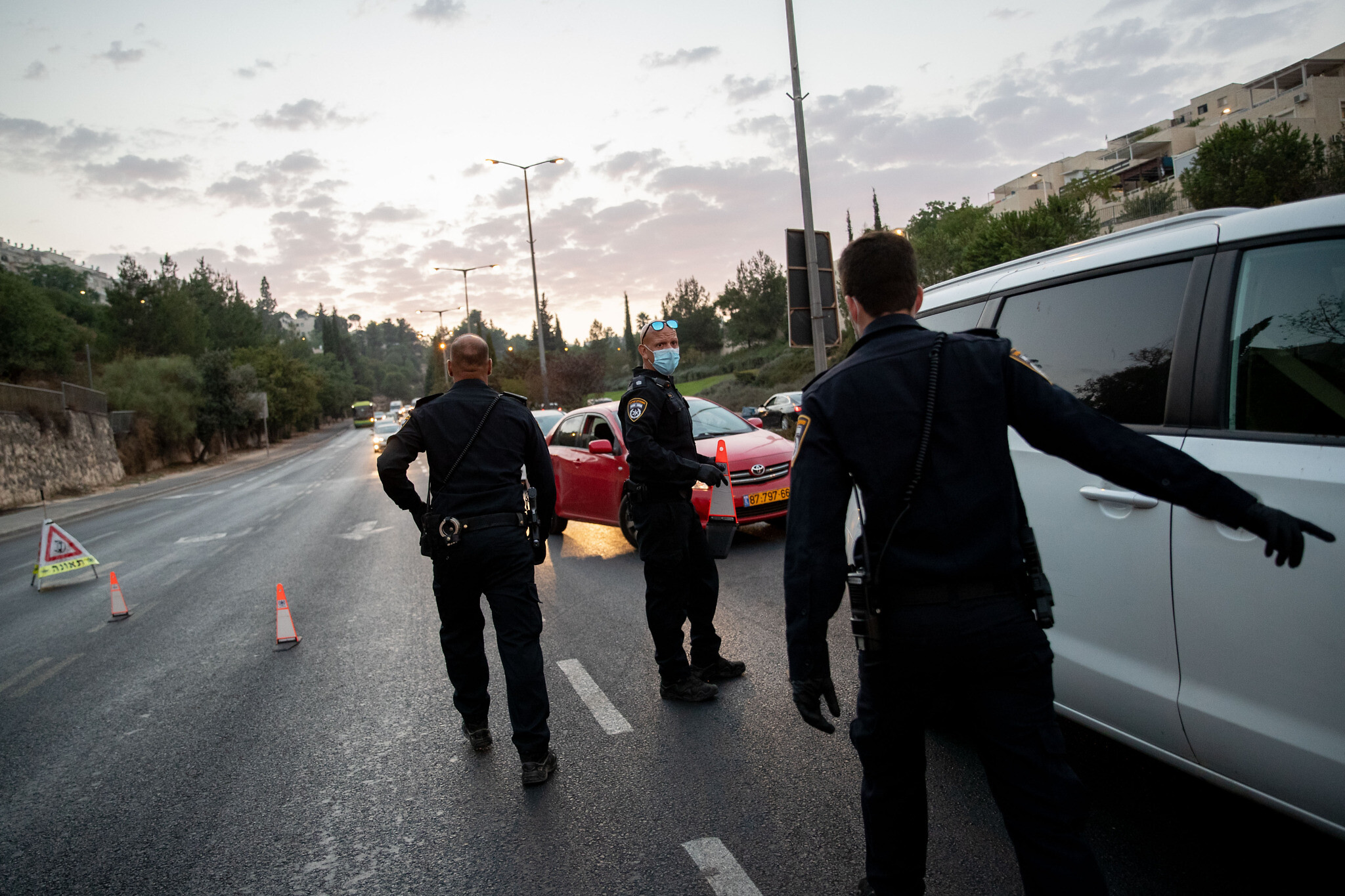
Israeli ministers met Thursday to hash out plans for new pandemic restrictions, with coronavirus czar Ronni Gamzu reportedly recommending a series of wide-ranging guidelines that would stem economic activity and shackle movement as Israel enters the High Holiday period.
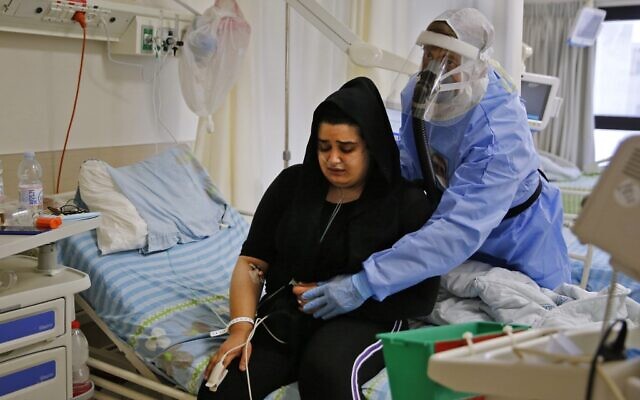
Israel has seen virus cases skyrocket in recent weeks, and hospitals have said that they are struggling to keep up with the influx of patients, as officials search for a way to clamp down on the outbreak without destroying the economy.
A plan presented by Gamzu to the so-called coronavirus cabinet would impose stricter restrictions on movement from the day before the Jewish New year, on September 17, until the end of the fall holiday period on October 12.
Under the scheme, intercity movement would be banned for Rosh Hashanah, Yom Kippur, the first day of Sukkot and Simchat Torah. The restrictions would begin at 5 a.m. on the eve of the holiday and be lifted at 5 a.m. the day after the holiday, according to Hebrew-language media.
On all other days, travel would be permitted, but outdoor gatherings for the entire country will be capped at 20 people and indoor gatherings at 10 — the same restrictions currently in place for locales designated as “red” in Gamzu’s “Traffic Light” program, which classifies towns as red, orange, yellow and green based on their infection rates.
Schools would also be closed nationwide, with students returning to full-time distance learning.
During that nearly one-month period, all restaurants, cafes, bars clubs and other recreational institutions would be shuttered. The public sector would be limited to its “emergency format” operational level and the commercial workforce would be limited to 30-50 percent.
In an apparent nod to the lobbying of Haredi lawmakers, indoor prayer will not be barred completely, but rather outdoor services will be “highly encouraged,” according to the Walla news site.

After October 12, Gamzu recommended slightly easing restrictions for an interim “tightened restraint” period of at least two weeks, during which outdoor gatherings for the entire country will be capped at 50 people and indoor gatherings at 25 — the same restrictions currently in place for locales designated as “orange” in the Traffic Light program.
School attendance would be gradually reintroduced, starting with those in fourth grade and below, while restaurants, bars and other recreational institutions will be allowed to open until 5:00 p.m. every evening.
In addition, workplaces that don’t serve customers would be able to welcome employees back in full.
Gamzu told the ministers he is hoping the widespread measures will drop the number of daily cases from their current 3,500 to 600-700 infections — the approximate level Israel was at the height of the first wave of the pandemic.
The coronavirus czar told ministers that as hospitals have opened additional wards to treat coronavirus patients, it has come at the expense of other care, Walla reported.
Gamzu was also expected to offer ministers with three alternate plans to the above-explained restrictions to various degrees.
The most lenient plan would allow public gatherings as currently permitted in “orange” cities according to the “Traffic Light” plan. It would keep restaurants and attractions open with certain restrictions and would make no changes to current limitations on houses of worship.
The most stringent alternative would see public gatherings banned altogether and the holiday curfews extended for the entire period from September 17 to October 12.
Israel imposed a varying degree of lockdown measures from late March to early May, successfully tamping down on the spread of the virus. Since then it has shown a reluctance to snap nation-wide restrictions back in place, amid pressure from business owners and others to remain open.
Earlier this week, the cabinet voted to place a curfew on 40 cities and towns with especially high infection rates, most of which were majority Arab or ultra-Orthodox. Ultra-Orthodox lawmakers have protested the measures and said the whole country should lock down if their communities have to.
The full cabinet was set to meet later Thursday to reach a decision on the matter, after Attorney General Avichai Mandelblit said that lockdown restrictions could not only be approved by the smaller coronavirus-cabinet.
Law enforcement authorities have reportedly asked for the government to not delay a decision in order to give them enough time to prepare for the mission.
But Finance Minister Israel Katz was pushing for the coronavirus cabinet to reconvene next week before the Rosh Hashanah holiday in order for the ministers to reassess the situation using the latest coronavirus figures, according to Walla.
Small businesses and self-employed workers on Wednesday threatened “anarchy,” saying that if the government decides to impose a complete lockdown on the economy, as expected in the coming weeks, they will keep their businesses open unless they are promised financial compensation in advance.
Earlier Thursday, Health Minister Yuli Edelstein told Army Radio that he found it hard to envision a scenario that wouldn’t require a national closure.







The Times of Israel Community.