

Crisis-cum-circus
As the Syrian chemical weapons issue devolves (or defuses) Israeli papers seem ready to return to an old flame: Iran
 Add ToI as a Preferred Source on Google
Joshua Davidovich is The Times of Israel's Deputy Editor
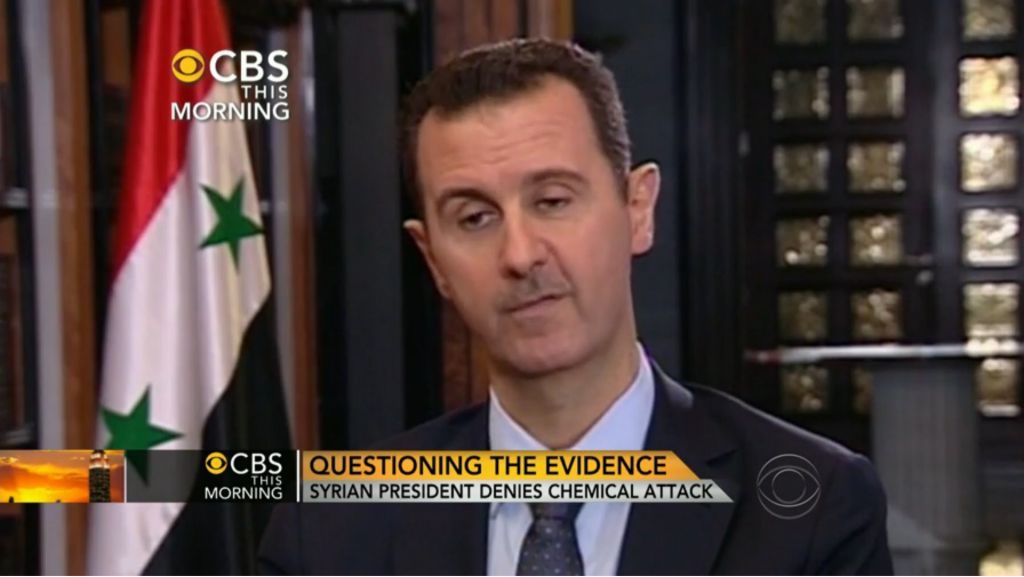
Like everyone else, Israeli papers are starting to show signs of weariness after covering the Syria crisis ad nauseam for the past several weeks. Only Yedioth Ahronoth and Haaretz lead with the news that Syria will give up its chemical arms, while Maariv starts things off with a possible Iranian push for diplomacy in the wake of the Syria deal, and Israel Hayom takes the “news” out of “newspaper,” filling its first pages with stories from some other war in Syria 40 years ago.
Yedioth Ahronoth focuses mostly on analysis of the deal, which will see Syria’s array of gases and other dastardly weapons brought under international control, which, if you believe the paper, will leave Bashar Assad, Barack Obama and Vladimir Putin all winners.
Or so you might think. Alon Pinkas, who calls Assad “Tony Soprano with chemical weapons” says what Assad got was less a victory and more a rain delay.
“Assad might think he has won,” Pinkas writes in Yedioth. “Maybe his friends in Tehran told him that, maybe Putin led him to believe it. In reality, Assad won time, but it’s the time of others … Now Assad is leveraged. He owes Iran, Hezbollah, Russia, and is still in the sights of the US.”
Haaretz’s Chemi Shalev takes on himself the heavy load of trying to figure out what in tarnation is going on, calling the whole thing the theater of the absurd, a favorite Israeli allusion. And, he says, Assad will likely use the whole diplomatic maneuver to make even more shakshouka and draw Israel in as well.
“Having justified his huge reserves of chemical weapons for years as Syria’s strategic response to Israel’s alleged nuclear stockpile — the so-called ‘Poor Man’s Atomic Bomb’ gambit — it will also come as no surprise if Assad demands that Israel also be compelled to ratify the Chemical Weapons Convention, which it hasn’t, and to join the Nuclear Non-Proliferation Treaty as well.”
Israel Hayom devotes its first few pages to reminiscing over the Yom Kippur War and how sad Moshe Dayan really was, a preview of a 128(!)-page special section to run over the weekend. Inside, Boaz Bizmuth writes that he hopes Obama’s Syria doctrine doesn’t extend to Iran, which could be disastrous for little old us.
“This may be a good time to remind our good friends in the US that chemical weapons are extremely deadly and Assad has only showed signs of being willing to part from them after he used them. Here in Israel we are not interested in seeing Iran willing to give up its nuclear weapons, after only one use. On us!”
Maariv gives a big chunk of its Page 1 real estate to a day-old opinion piece by Dennis Ross, first published in The Washington Post, in which he claims that Iran will feel the heat if Congress blocks action on Syria.
However, the paper’s Eli Berdenstein claims that Iran is actually looking for a diplomatic way out of its nuclear mess, and may take the Syria route, i.e., acquiescence to a supervision regime in exchange for some goodies, in Iran’s case an end to its international isolation. He writes, though, that instead of the P5+1 making the deal happen, Europeans are fearful that the US may pull an end-around and do it themselves, cutting the international community out of the equation.
“Against this fear, senior Israeli officials have even heard from their European colleagues a warning about the American stance. ‘We are following the Iranian issue, but you should pay attention to the American stances,’ the Europeans caution the Israelis,” he writes, citing no actual sources. “They claim the American government could come to a partial understanding with the Iranians to put supervision on their nuclear facilities, in exchange for easing sanctions, which is one of the main tenets of Israel’s diplomatic efforts.”
Yedioth also runs some lengthy Yom Kippur War coverage, but that’s not the only thing premature going on. The paper reports on a study at Soroka hospital that found that fasting increases the risk of having a baby early. The theory emerged after researchers found a higher rate of preemies among Jews as compared to Bedouin, but found that before the fast of Yom Kippur there was no difference, and it only jumped after the fast. However, the doctors admit that the evidence is circumstantial and the theory is still unclear.
In Haaretz, Zvi Bar’el marks another upcoming anniversary, the signing of the Camp David Accords 35 years ago. Though Israel and Egypt are not besties, the peace treaty has proved resilient, even if it is a cold peace, he writes, and Israelis need to see peace deals as a good thing, and not a prologue to war. “An annual, or periodic, review of the accords, especially after such a long time, would show they missed the target of lowering suspicion and heightening mutual trust. They are no doubt looked at with distrust and skepticism. But how many more years are needed to prove their validity and importance? More correctly, how much time is needed for Israelis to believe that living within a framework of peace agreements, even if they are not perfect, is a not bad option?”








The Times of Israel Community.