

Rabbinate concedes kosher supervision industry needs ‘fixing’
But religious body’s director rejects Treasury report linking it to high food prices, dismisses ‘monopoly’ characterization
 Add ToI as a Preferred Source on Google
Marissa Newman is The Times of Israel political correspondent.

The director of the Chief Rabbinate on Monday admitted that reforms to the kosher supervision industry were necessary and said they were in the process of being hammered out by a special committee, telling lawmakers he was “attentive to the criticism” on the issue.
During a Knesset Economy Committee session that devolved repeatedly into an angry melee, the rabbinate and ultra-Orthodox lawmakers maintained adamantly that the body did not retain a “monopoly” over the kosher industry, and disputed Treasury figures that put the cost to the economy of keeping kosher through the rabbinate’s supervision at over NIS 600 million ($157 million) annually.
Other Knesset members from the Yesh Atid and Kulanu parties accused the rabbinate of hurting business owners by charging high prices for its services and setting out outrageous requirements for kosher certification, with MK Elazar Stern (Yesh Atid) charging that the word “kosher” had become synonymous with “corruption.”
But Moshe Dagan, the Chief Rabbinate director, insisted he was “attentive to the criticism. We are aware there are things that need fixing.”
Dagan also rejected the “monopoly” characterization, saying the rabbinate received the authority by law to serve as the central authority overseeing kosher supervisions in Israel. He said the rabbinate had established a committee to propose reforms to the process of authorizing certifications.
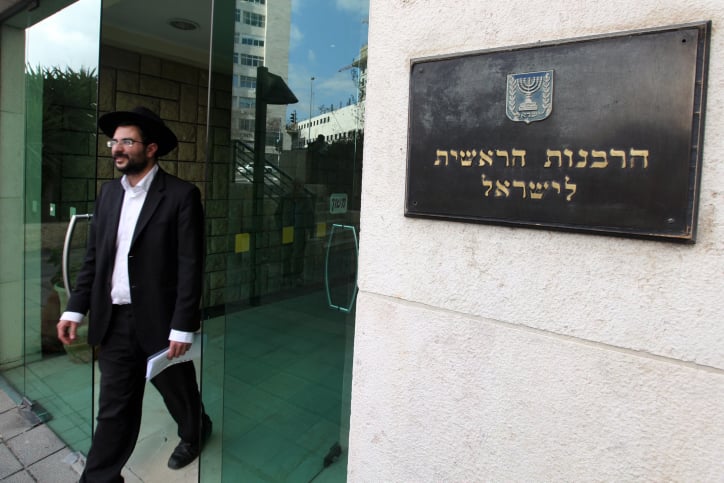
“With all due respect, I think these solutions need to come from experts, professionals, from rabbis who work in the field,” he said. The rabbinate committee issued an open call for suggestions, with invitations extended to MK Rachel Azaria (Kulanu) and the Ne’emanei Torah Va’Avodah lobbying organization to present their ideas, he said.
The committee was formed after the High Court of Justice ruled in June that businesses can only present themselves as meeting Jewish religious dietary requirements (known in Hebrew as kashrut), if they have a certificate from the Orthodox Chief Rabbinate. But the court ruling noted the widespread criticism of the current system and gave the rabbinate two years to make improvements.
Kosher certifications for businesses in Israel are granted by local state rabbinic bodies, known as kashrut committees, that are under the auspices of the national Chief Rabbinate. Kashrut inspectors visit applicants and supervise their kitchens during food preparation to ensure their methods meet the standards of Jewish ritual law.
However, the ultra-Orthodox community also operates a variety of certification committees, known as “Badatz” boards, that provide services for those who adhere to stricter kashrut standards.
Dagan urged the unifying of Jewish legal standards on matters of kashrut among all boards that offer kosher approval, including the quasi-private ultra-Orthodox ones.
“We need to set two levels of kashrut — basic and mehadrin (stringent) — and I am certain that everyone will fall in line on this,” he said.
Monday’s debate centered in part on a draft report released by the Finance Ministry, which maintained that the kashrut industry in Israel overall drains the economy of NIS 2.8 billion ($731 million) per year. The rabbinate’s expenses came to NIS 600 million, according to the report. The draft report — leaked over a year ago — alleged that the industry was causing a hike in food prices.
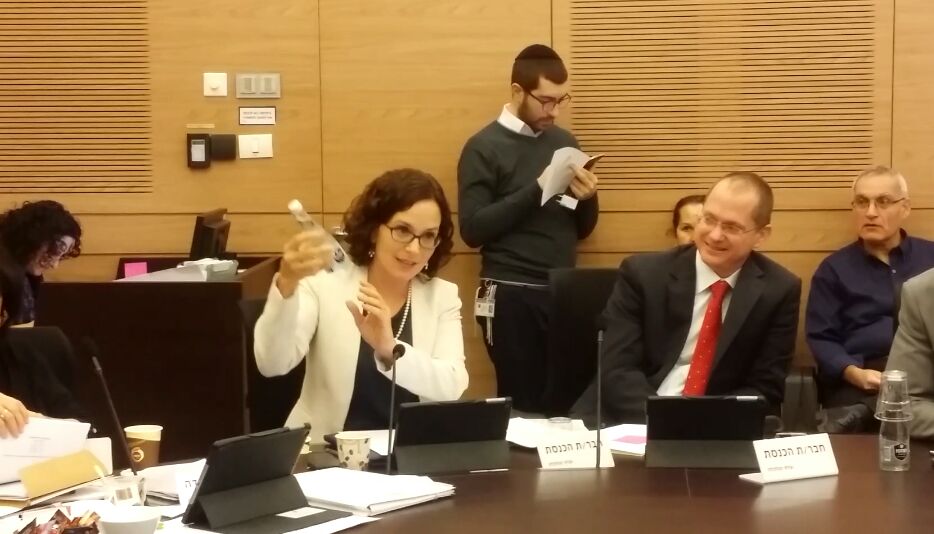
During the meeting, Azaria brandished a seltzer bottle with three kosher certifications on it — from the rabbinate and two private ultra-Orthodox groups.
“The cost of the rabbinate’s kashrut to the market is NIS 2.8 billion a year,” she said, citing the Treasury draft, which she described as a “conservative” estimate. “So if every product has three certifications, the costs are much higher, for no reason, and this is a burden on the Israeli public.”
The Knesset’s Research and Information Center sought to replicate the Finance Ministry study, concluding that the rabbinate draws NIS 30 million a year in certification fees from some 15,000 businesses. It stressed, however, that there were “insufficient figures” on kosher supervisors, and that, therefore, it couldn’t establish a direct connection between food prices and the kashrut industry, according to a representative from the research center. The rabbinate’s director, Dagan, dismissed the Finance Ministry report, which he said was based on “partial” figures, “without any coordination with the Rabbinate.”
“We stand behind the numbers,” said Ma’ayan Nesher from the Treasury at the meeting. She said the finance minister would release the full report in the coming weeks, with a detailed breakdown.
Nearly all the lawmakers present identified themselves as kashrut observant. Those who were stridently calling out the rabbinate insisted that their beef was bureaucratic and institutional, rather than religious.
Much of the criticism voiced by lawmakers at the meeting focused on the rabbinate’s rules, including preventing hotels from serving corn on the cob and strawberries over fears of bugs and the hefty costs of employing a kosher supervisor. Azaria cited an example of a restaurant in northern Israel, informed by the rabbinate it must employ two supervisors — from 7 a.m. until 4 p.m. and from 4 p.m. until midnight — at at a monthly cost it found prohibitive, if it wishes to retain its certification. Yesh Atid MK Aliza Lavie said that when her brother opened a pizzeria in the coastal city of Netanya, he was told he could only purchase lettuce from one particular seller at the local market.
Countering the claims of exorbitant fees, Amichai Filber, the head of the kashrut department in the Ministry of Religious Services, told the panel that 30 percent of businesses pay no more than NIS 600 in fees a year for the kashrut approval. Some 60% of businesses don’t spend more than NIS 1,200 annually on the kashrut fees, he said. Addressing the complaints regarding the kosher supervisors, Filber maintained that supervisors are for the most part paid minimum wage.
If you go into an eatery and buy a falafel, you have covered most of the establishment’s daily costs for kosher supervision, he said.
Also rejecting the monopoly characterization were Shas and United Torah Judaism lawmakers, who noted the dozens of private ultra-Orthodox certification operating independently from the rabbinate, while stressing that no one is forcing restaurants or hotels to opt for those more stringent options.
But Meretz MK Tamar Zandberg said the “competition is one-sided,” as it only allows for more strict alternatives on top of the rabbinate kosher stamp.









The Times of Israel Community.