

As Iran protesters brave regime forces, questions arise about US, Israel assistance
Experts disagree over how significant month-long demonstrations truly are, and whether Western countries can and should be offering moral and technological support

 Add ToI as a Preferred Source on Google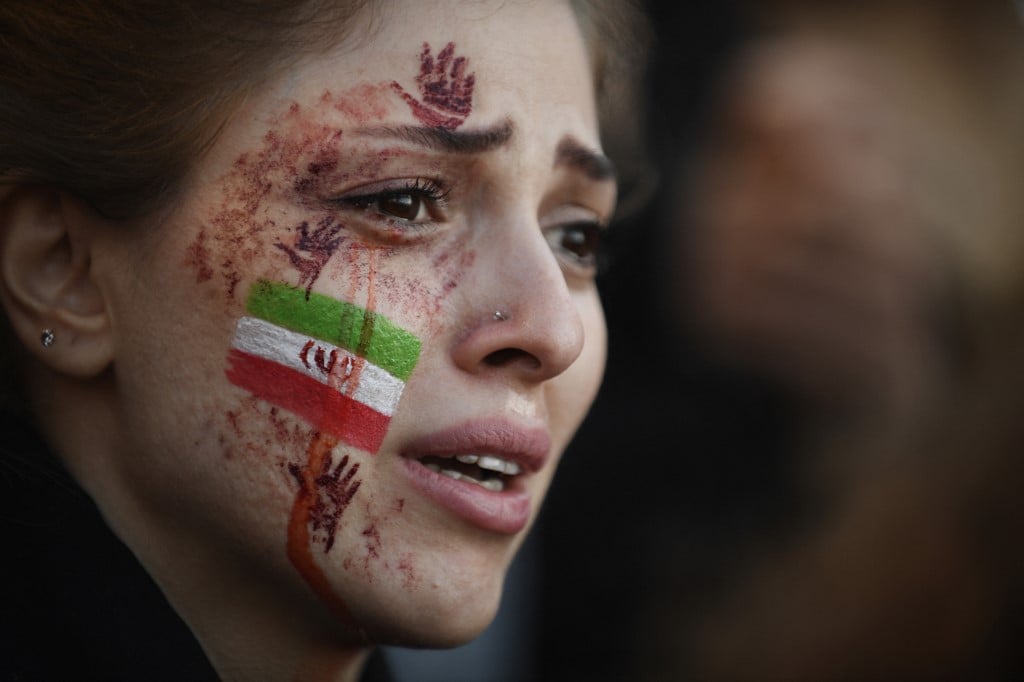
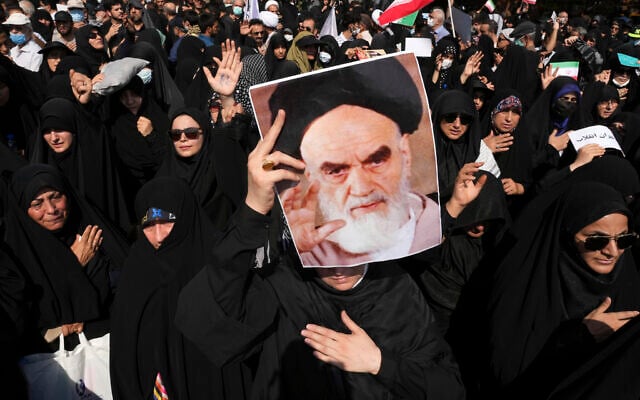
For the past month, Iranian citizens have been defying the regime by taking to the streets in protest.
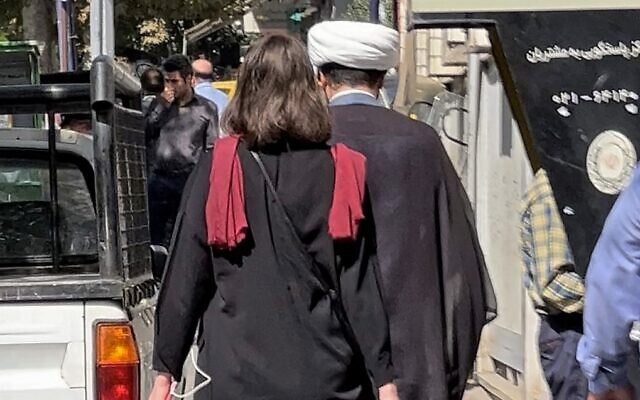
The demonstrations, in which dozens of protesters and some security forces have been killed, began after 22-year-old Mahsa Amini died on September 16, three days after she was arrested by morality police in Tehran for allegedly violating the country’s strict dress code for women.
Officials have accused the country’s “enemies,” mainly the United States but also Israel, of inciting “riots.”
Though the Islamic Republic regularly tries to discredit protesters by accusing them of being Western pawns, it does raise the question of what — if anything — the US, Europe, and even Israel could do to support the demonstrators.
Before outside powers develop a plan to back the dissidents, they would have to determine that the demonstrations at high schools and universities have a chance of becoming a genuine threat to the regime.
Behnam Ben Taleblu, senior fellow at the Washington-based think tank Foundation for Defense of Democracies, pointed to the fact that the pace of massive protest episodes is accelerating.
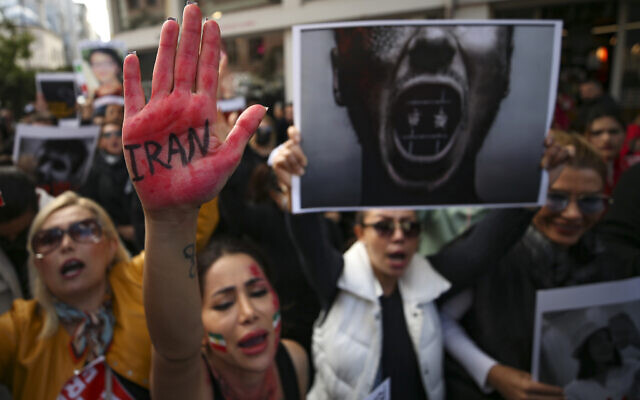
“The fact that this is a new normal is simply unsustainable in Iran,” he said.
“This used to take place once a decade,” concurred Atlantic Council fellow Ksenia Svetlova, “but since 2016 this happens at least once a year, sometimes more.”
“This is an ongoing revolutionary reality, which can ultimately harm the regime’s ability to operate,” she added.
“Even if the protests hypothetically end tomorrow, this saga is not over,” Ben Taleblu said. “This sentiment against the regime is widespread and nationalized, from rural to the capital.”
Western, especially American support, could have tangible results, he maintained.
“More naming and shaming, more creative telecom support, bringing the public and private sector together to see how you can actually facilitate the issue of satellite internet in Iran,” Ben Taleblu elaborated.
The Islamic Republic has imposed drastic restrictions on internet access, and is planning to criminalize the sale of virtual private networks (VPNs) used to skirt them.
Ben Taleblu also called on European countries to pull their ambassadors from Tehran, and to join the US in continuing to issue condemnations in order to keep the plight of the protesters in the press.
Despite being a small country with no diplomatic relationship of any kind with Iran, Israel does have a range of options to support the protesters, Ben Taleblu maintained.
Continuing to talk publicly about the demonstrations puts pressure on Western partners, he said, and signals that Israel cares about more than just the nuclear issue.
“It signals from Israelis to the Iranian people that while Israel’s qualm is with the Islamic Republic… Israelis understand that a more representative Iranian government would mean a fundamentally different national security and foreign policy by a new regime.”
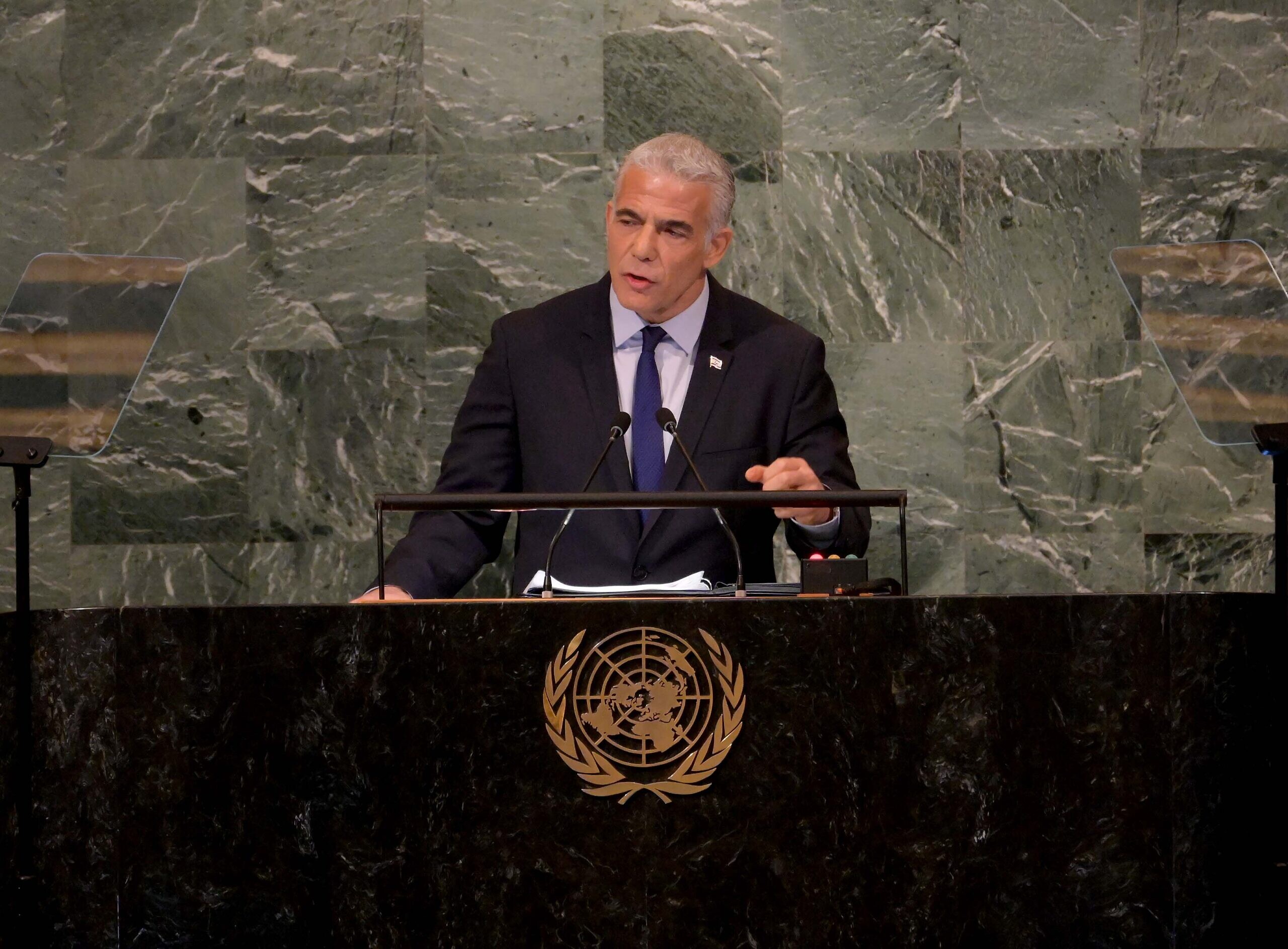
Both the Foreign Ministry and Prime Minister Yair Lapid’s office declined to comment on whether Israel is working to support the demonstrations.
Israel’s security services could also play a role. While cyberattacks attributed to Israel have focused on Tehran’s nuclear program, its hackers could shift their attention to regime telecommunications and command headquarters of security forces involved in suppressing protests.
They could also provide technologies to help protesters keep regime cyber experts from hacking into their phones and computers. “They could block Iranian servers, and open up secured ways that allow protesters to communicate and coordinate, because that is what worries them the most,” Svetlova said.
Intelligence assets could monitor and publish the movements of the Basij militia, police, and revolutionary guards, giving protesters the ability to anticipate their arrival.
“Let them know the world is watching,” said Ben Taleblu.
‘Nothing outside world can do’
But not all Iran experts believe that there is anything for the West, much less Israel, to do.
“The West’s ability to support regime change in Iran exists only in very advanced stages of revolutionary episodes,” said Raz Zimmt, Iran scholar at the Institute for National Security Studies and Tel Aviv University.
Iran is far from that situation currently, he argued: “Even with all the excitement, it includes tens of thousands of demonstrators in total. In most locations, it’s dozens or hundreds. It could develop, but right now I don’t see how it develops into something broader.”
Ori Goldberg, Reichman University Iran expert, stressed that the current protests do have elements of the “perfect storm” of diverse socioeconomic and geographic needed to turn into a successful revolution.
“It started in the periphery but then caught fire and the flames grew higher,” he said. But they haven’t spread into a mass movement.
“Whether these protests cohere into a revolutionary moment, I don’t think there’s anything that anyone can do outside Iran to sway the situation one way or another,” he said.
And any outside involvement would discredit the protesters, said Goldberg, emphasizing that the popular revolutions that have succeeded in Iran — in 1892, 1905-11, 1951, and 1979 — do so only when the public sees them “as inherently and organically Iranian.”
“It’s a narrative of people rising against oppression, a people rising against injustice,” he continued. “If the oppressed become affiliated with foreign might, then it takes from their status as the oppressed.”
If the US and European countries do decide that it is possible to support the protests, they will be forced to make a difficult policy choice. For almost a year, the US and E3 European powers have prioritized finding a way to bring Iran back to the 2015 JCPOA nuclear deal. Ramping up support for the protesters would likely destroy any remaining hope they might have for reviving the tattered agreement.
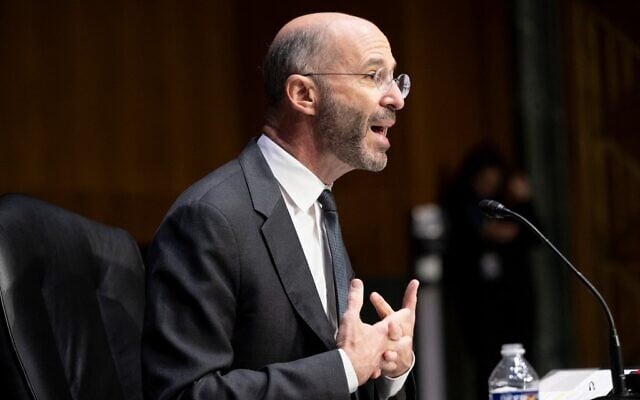
At least in the short term, the US priority is voicing support for the protests. “Right now the talks on revival of JCPOA are not on the US agenda,” Special Envoy Rob Malley told CNN last week. “The focus is on what’s happening in Iran as the talks are stalled.”
Even without foreign support, time is on the protesters’ side, Goldberg argued. “The more the protests last, the more the oppression practiced by the Islamic Republic appears more blatant and more offensive.”






The Times of Israel Community.