

Schools to stay closed, gathering restrictions remain unchanged until end of week
Home Front Command says tighter restrictions to remain hours, forcing education minister to walk back announcement that schools could resume operating in certain areas
 Add ToI as a Preferred Source on Google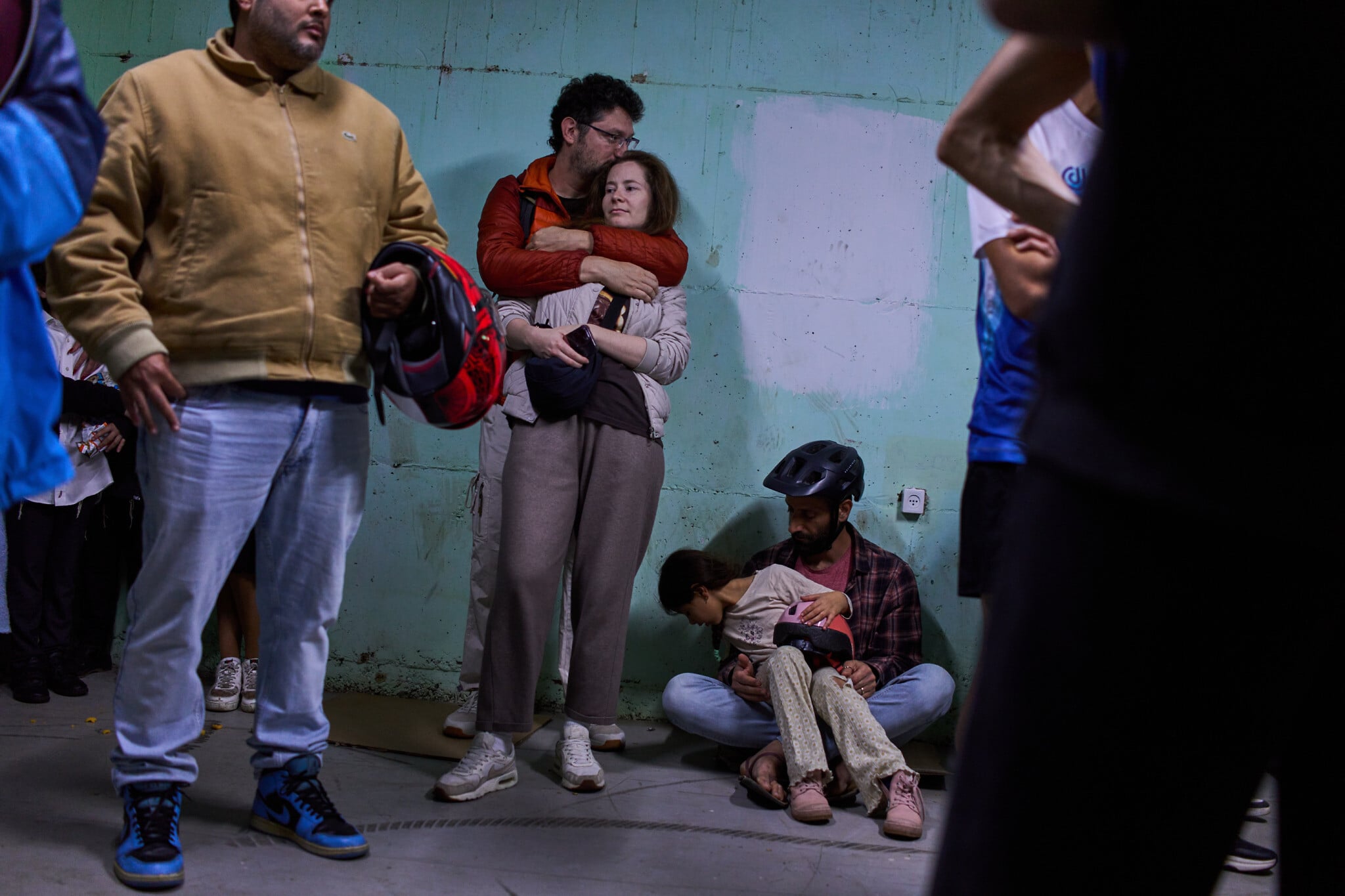
The IDF Home Front Command announced on Monday evening that nationwide restrictions amid the war with Iran would remain in place, forcing Education Minister Yoav Kisch to walk back an announcement that schools would gradually resume operations.
Following a fresh assessment, the Home Front Command said that the current restrictions would remain in place until Saturday at 8 p.m. By then, another assessment will be conducted.
As part of the current guidelines, educational activities are prohibited, except for a number of outlined exceptions; gatherings of up to 50 people are permitted, provided a shelter can be reached in time; and workplaces can operate under the same conditions.
Following the Home Front Command’s assessment, Kisch announced that his plan to allow for a gradual reopening of the education system later this week is postponed to Sunday.
Kisch met virtually earlier Monday with representatives of local authorities to present his plan for a gradual reopening of the education system during the ongoing war with Iran. The minister stressed that on Tuesday, schools will remain closed or operate only remotely, but the plan could be implemented in the course of the week.
Under the new framework, the school system will be able to operate in areas classified as “yellow” (that is, at a lower level of risk) by the Home Front Command, provided that schools have access to shelters. Currently, the whole country is designated as “orange” until Monday at 8 pm, when a new assessment will be published.

Municipalities that are not classified as yellow will be able to request special permission from the Home Front Command to reopen schools.
“Each authority has different challenges and characteristics, and therefore requires tailored responses in the field of education,” Kisch said.
“The security and safety of students and education staff are our top priority,” he noted. “We will continue to maintain close coordination with the Home Front Command and with local authorities and will update the public on any developments.”
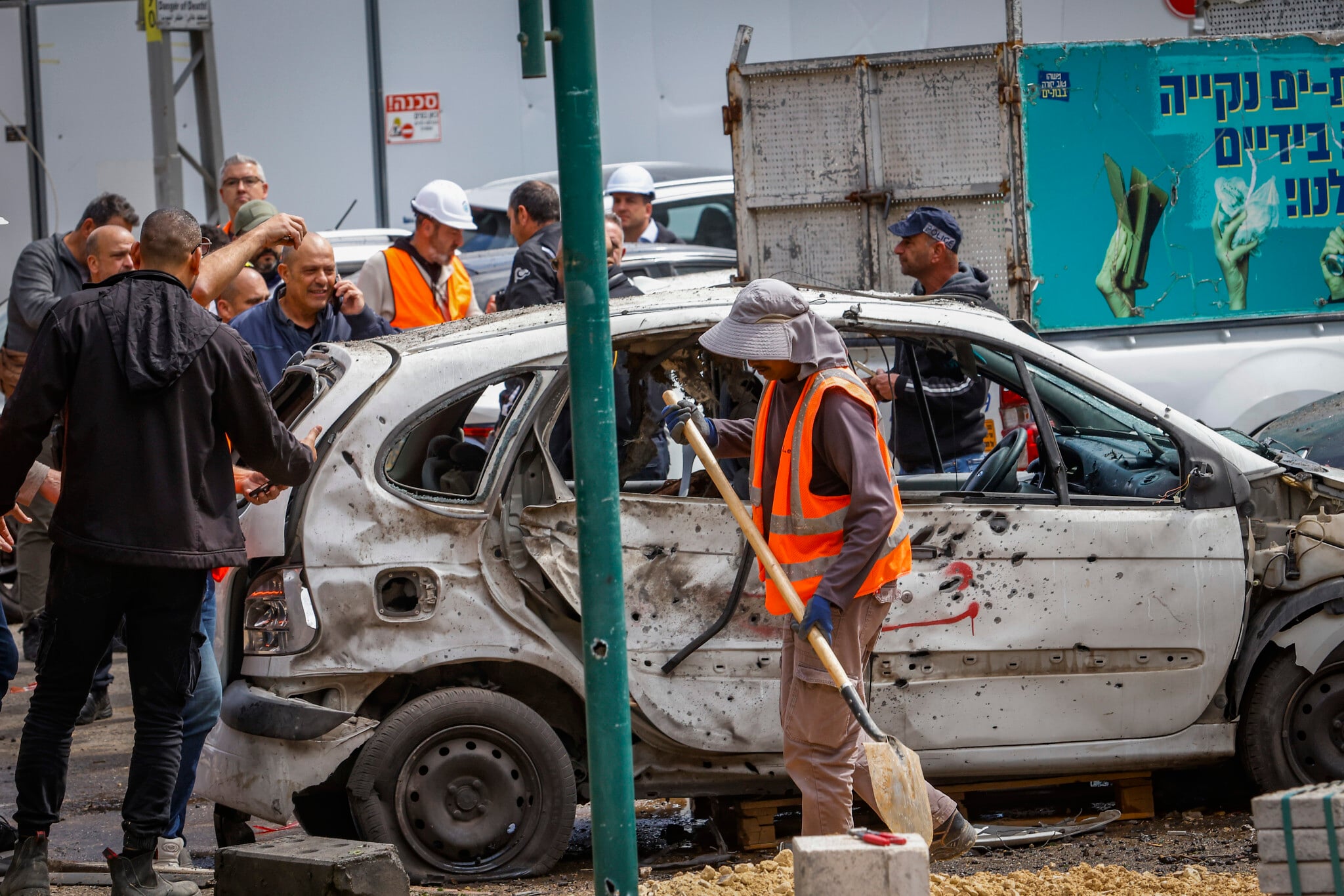
Iran has continued to fire volleys of missiles at Israel, while the Iran-backed Hezbollah in Lebanon has been firing rockets at communities across northern Israel.
The push to reopen schools comes after workplaces reopened last week, creating a situation where many parents were unable to work because they could not leave their young children home alone.
Kisch’s announcement also comes a day after the Knesset Research Center released a report stating that over 450,000 children are studying in schools without sufficient shelter, and the ministry has no data regarding whether there is shelter in over 50% of kindergartens.
According to the report, about 14% of Israeli schools have no protection at all, while 24% have only partial protection. This means that about 466,000 students, comprising roughly one-quarter of the country’s students, lack adequate protection against rockets and missiles.
The report was compiled at the request of the Knesset Education, Culture and Sports Committee and is based on findings from the State Comptroller released in its audit of shelters in January.
The Knesset Research Center also found that the Ministry of Education lacks data for about 51% (10,975 classrooms) of kindergartens. For the remaining 49% (10,444 classrooms), the ministry assumes they are protected simply because they were built after 1992, when protection requirements took effect, but does not actually know, since it has not been tracking the issue. Therefore, the number of unprotected kindergartens is likely much higher.
The ministry told the State Comptroller that it was in the process of contracting a company to collect updated information and map the status of all educational institutions, including kindergartens.
Under Kisch’s plan presented on Monday, local authorities will be required to establish educational frameworks for young children of teachers and school staff if their schools and daycares do not operate.
In addition, regarding special education schools, during the first phase, parents will need to bring their children to school (the special education system typically provides transportation).







The Times of Israel Community.