 Add ToI as a Preferred Source on Google
When Rimon Buchshtab-Kirsht left her husband Yagev Buchshtab behind in a Gaza tunnel, she promised to get through the short list they’d scrawled in a notebook during their captivity.
The couple was taken hostage from their home in Kibbutz Nirim during the bloody October 7, 2023, Hamas onslaught. Buchshtab-Kirsht was released on November 28, after 53 days of captivity, during the brief ceasefire between Israel and Hamas.
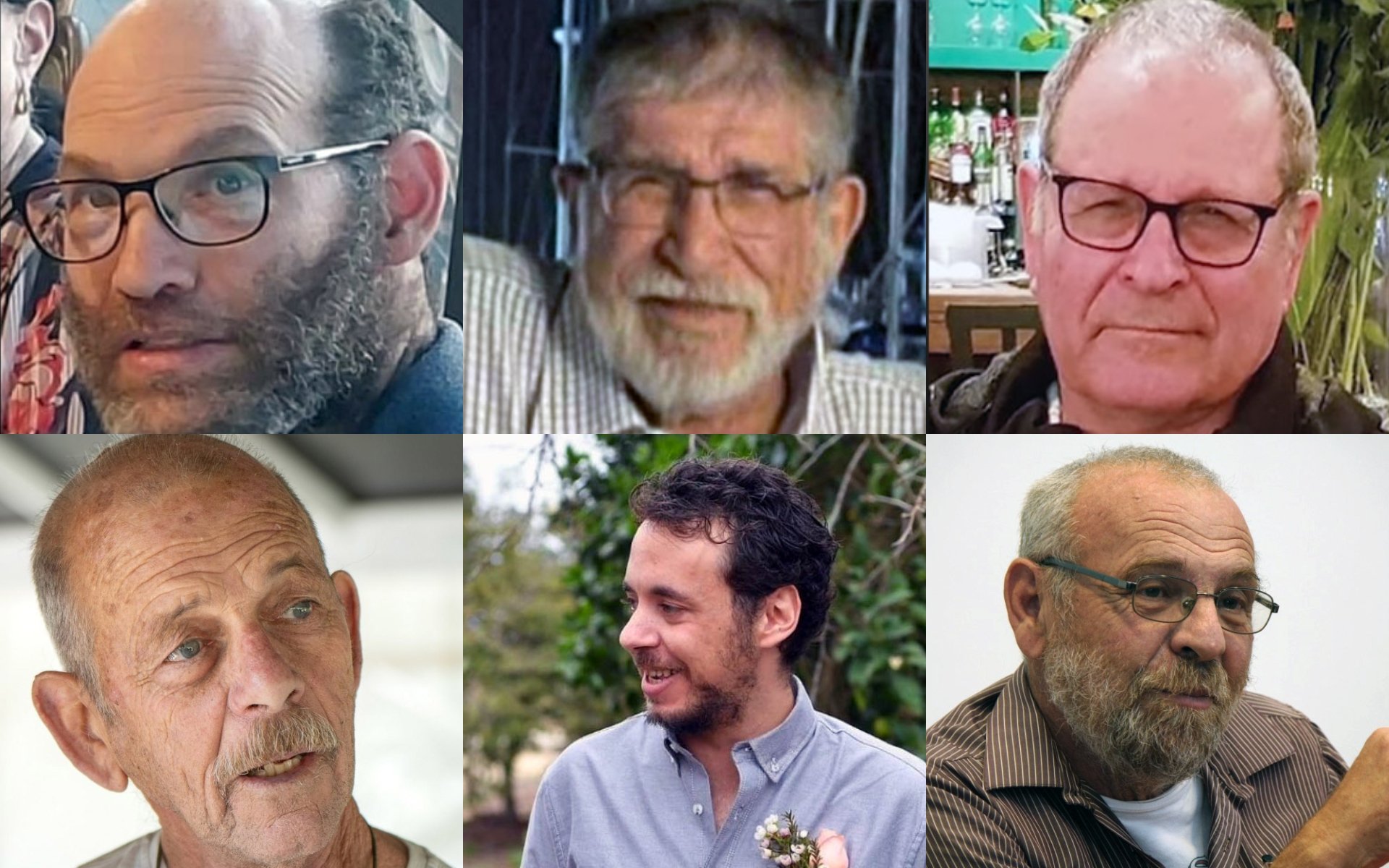
Hamas executed her husband three months later in February 2024 as IDF troops were closing in. IDF troops recovered his body from Khan Younis alongside those of Avraham Munder, Nadav Popplewell, Alex Dancyg, Chaim Peri and Yoram Metzger — who were all kidnapped alive and slain in captivity — during a military operation in August 2024.
Rimon completed one item on the list on her second day of freedom, officially changing her name to Buchshtab-Kirsht from Kirsht.
“If Yagev had gotten out before me, he would’ve changed it to Kirsht-Buchshtab,” she said, speaking in her new home in Avshalom, a moshav near the Gaza border. “He was more of a feminist than I was.”
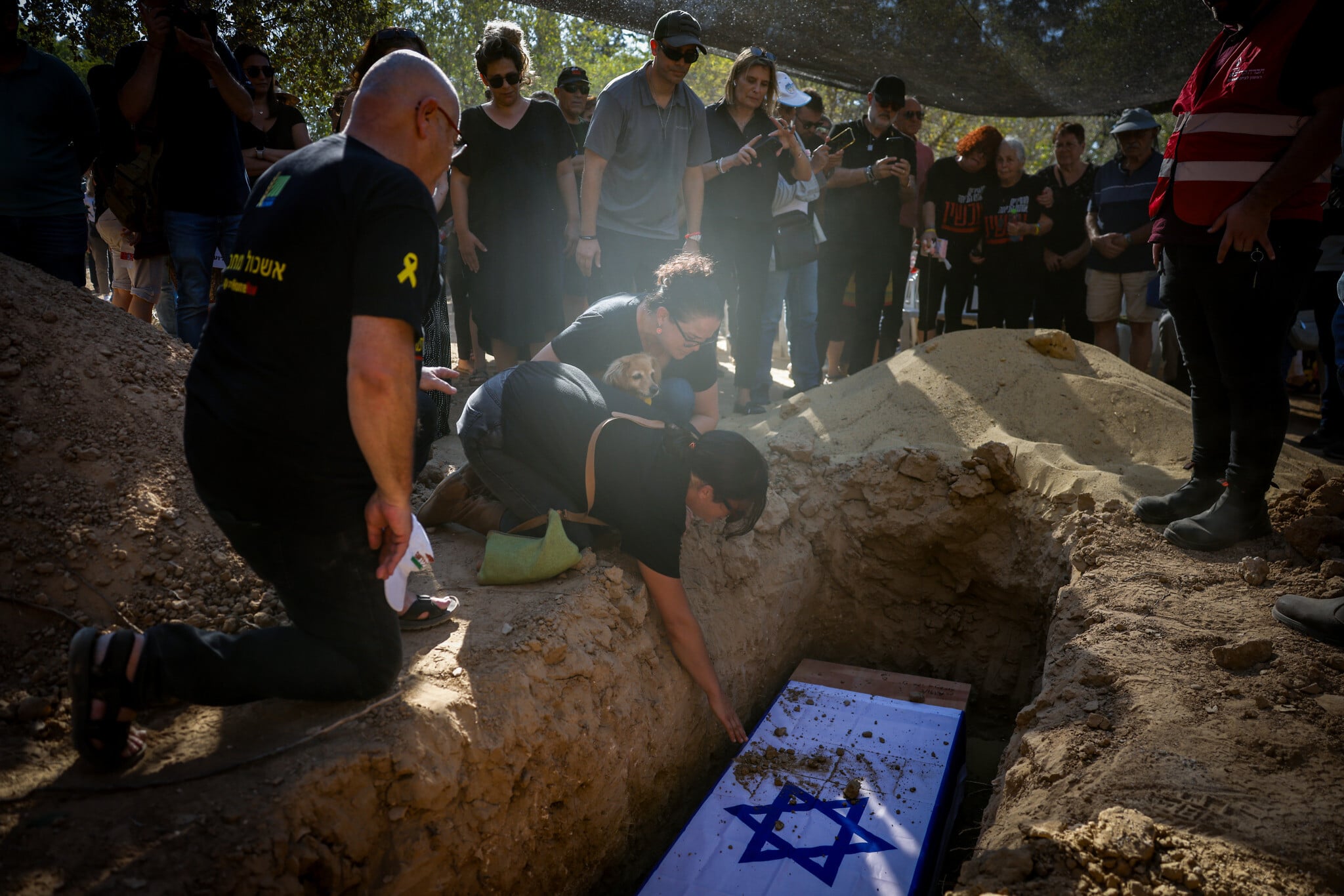
Yagev was buried on August 21, 2024, in Kibbutz Nirim, where he was born, raised and lived with his wife. His body was partially mummified after languishing in Gaza, down to 19 kilos (42 pounds) on his initially 69-kilo (152-pound) frame.
In July this year, Buchshtab-Kirsht began sharing details of her captivity and release with the media, during lengthy interviews with Channel 12 and other outlets.
“I want everyone to know about Yagev, and if I don’t write a book or talk, they won’t know,” said Buchshtab-Kirsht.
Immediately after her release from captivity, Buchshtab-Kirsht wasn’t allowed to speak publicly about her husband or share details about their captivity. At the time, the concern was that details about his past IDF service could be used to harm him in captivity.
After he was killed, Buchshtab-Kirsht said she had a long period of thinking: “Who gives a f**k about interviews, about anything apart from the fact that I lost my best friend, the only person I relied on, the other half of my soul, he was my father and mother and sister, he was everything,” she said.
Fast childhood friends to eventual lovers
The pair met as young children studying in the regional elementary school; they became fast friends and were inseparable during their teen years.
Years later, in their 30s, Buchshtab-Kirsht broke her leg, and Yagev came to visit her, “for coffee.” He never left, and their relationship transitioned to that of romantic soulmates.
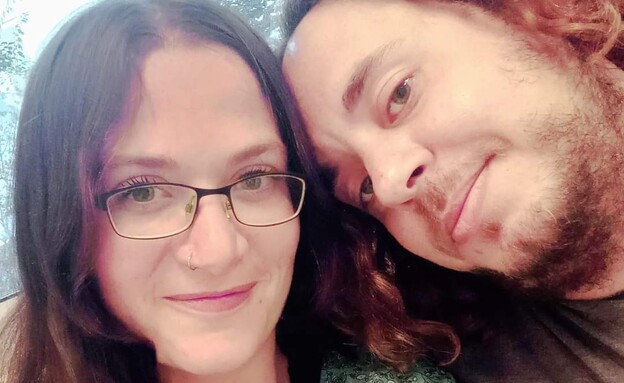
“From that moment, we were together, and I proposed to him two weeks later,” she said.
“He was a clean soul, a pure soul,” said Buchshtab-Kirsht. “He was magical.”
She spoke about Yagev’s army service in the Armored Corps when he was a tank gunner during the 2008 Operation Cast Lead, a three-week war in Gaza that left him with severe PTSD.
The scenes Buchshtab witnessed in combat stayed with him, she said, and he later suffered from depression and anxiety attacks, which he’d alleviate with marijuana and music. Buchshtab was a soundman who built his own instruments, including electric guitars.
“He was a hurt soul, but he saw everyone, whatever they were going through,” said Buchshtab-Kirsht.
She called her husband a man of peace who drove Palestinian children to Israeli hospitals, “just like Chaim [Peri] and Alex [Dancyg],” their fellow hostages, and donated money to Palestinian causes.
“I told Osama,” their Gazan captor, “you took the wrong people,” said Buchshtab-Kirsht.
The couple, who refused to separate in captivity, were kept in a cage within the cell. Buchshtab-Kirsht described how they wrapped themselves tightly around one another as the terrorists violently took them captive on October 7 from their home.
Her ring finger on her right hand is swollen and misshapen after she was beaten on October 7, and Buchshtab-Kirsht doesn’t think she’ll be able to work again as a masseuse. Likewise, missing teeth on both sides of her mouth from repeated beatings during captivity make it difficult for her to speak clearly.
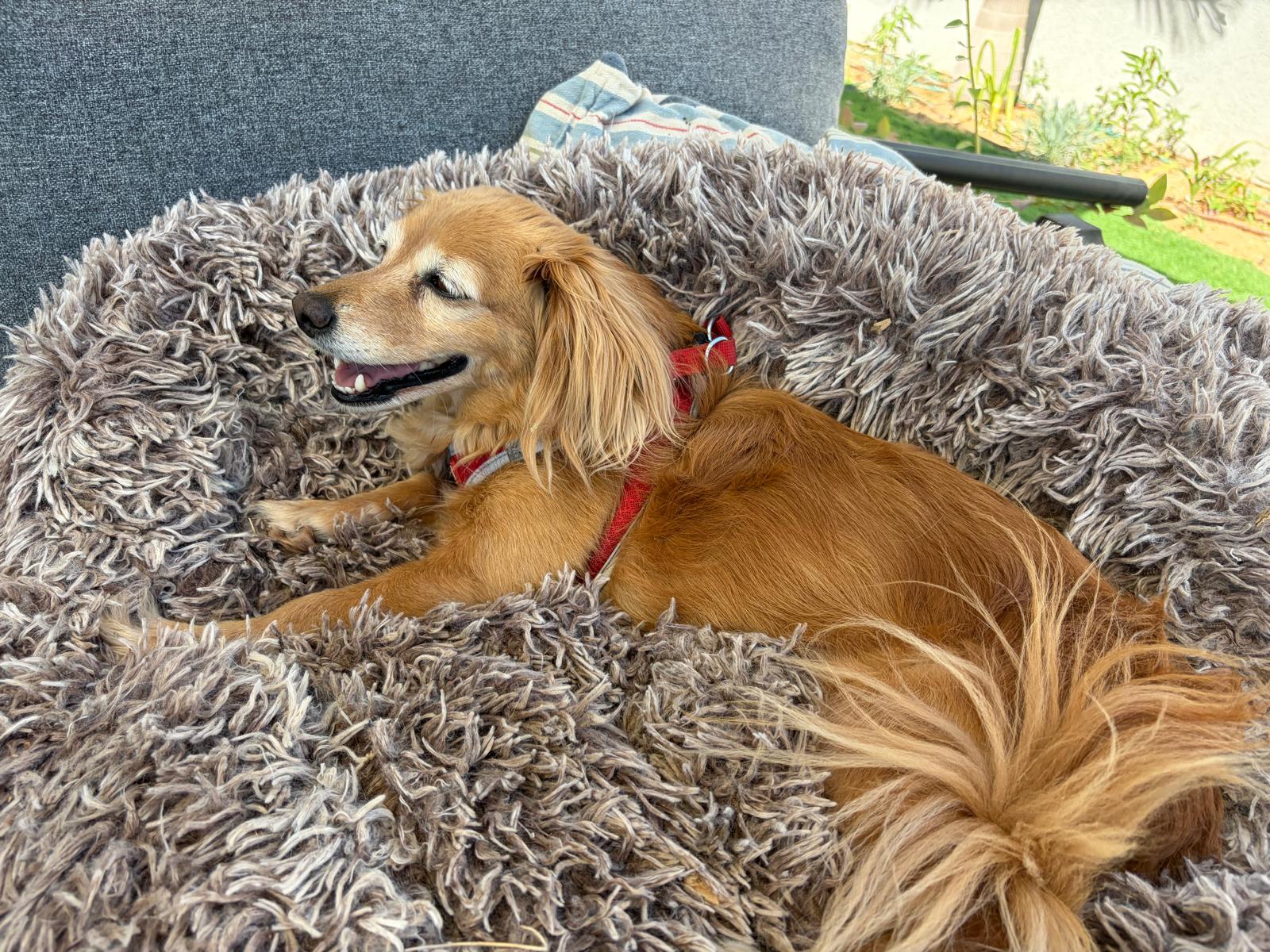
Their five dogs and four cats hid with the couple in the bedroom on October 7. During our conversation, Buchshtab-Kirsht lay on an outdoor couch, her chestnut-haired dog Tova lying alongside her.
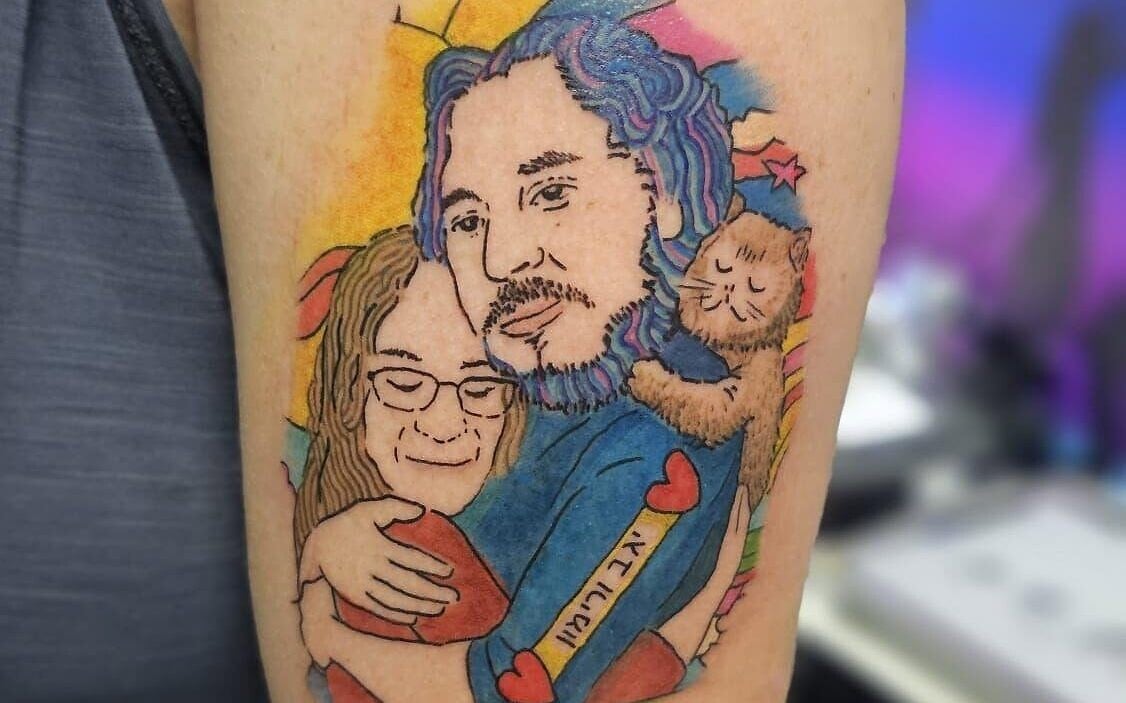
Tova bit one of the Hamas terrorists on October 7, and Buchshtab-Kirsht has a tattoo of her on her forearm, just below the one featuring her with Yagev, on her left bicep.
“She’s the love of my life,” said Buchshtab-Kirsht, stroking Tova’s head.
Tested in humanity’s crucible
When they were brought from their initial captors’ Gaza apartment to the tunnels, the Buchshtab-Kirshts were kept in a cell of 14 people, many of whom they knew from the kibbutz communities in which they all lived.
Cliques formed, said Buchshtab-Kirsht, even in captivity.
“You can hear everything that’s being said in a cell; it’s hard to miss,” she said. “People’s real characters were revealed.”
She described being tough with her fellow cellmates and with the Hamas captors, battling them to get medicine for fellow hostage Daniella Aloni, trying to help care for Peri and Dancyg, and eventually begging the captors to release the older men instead of her.
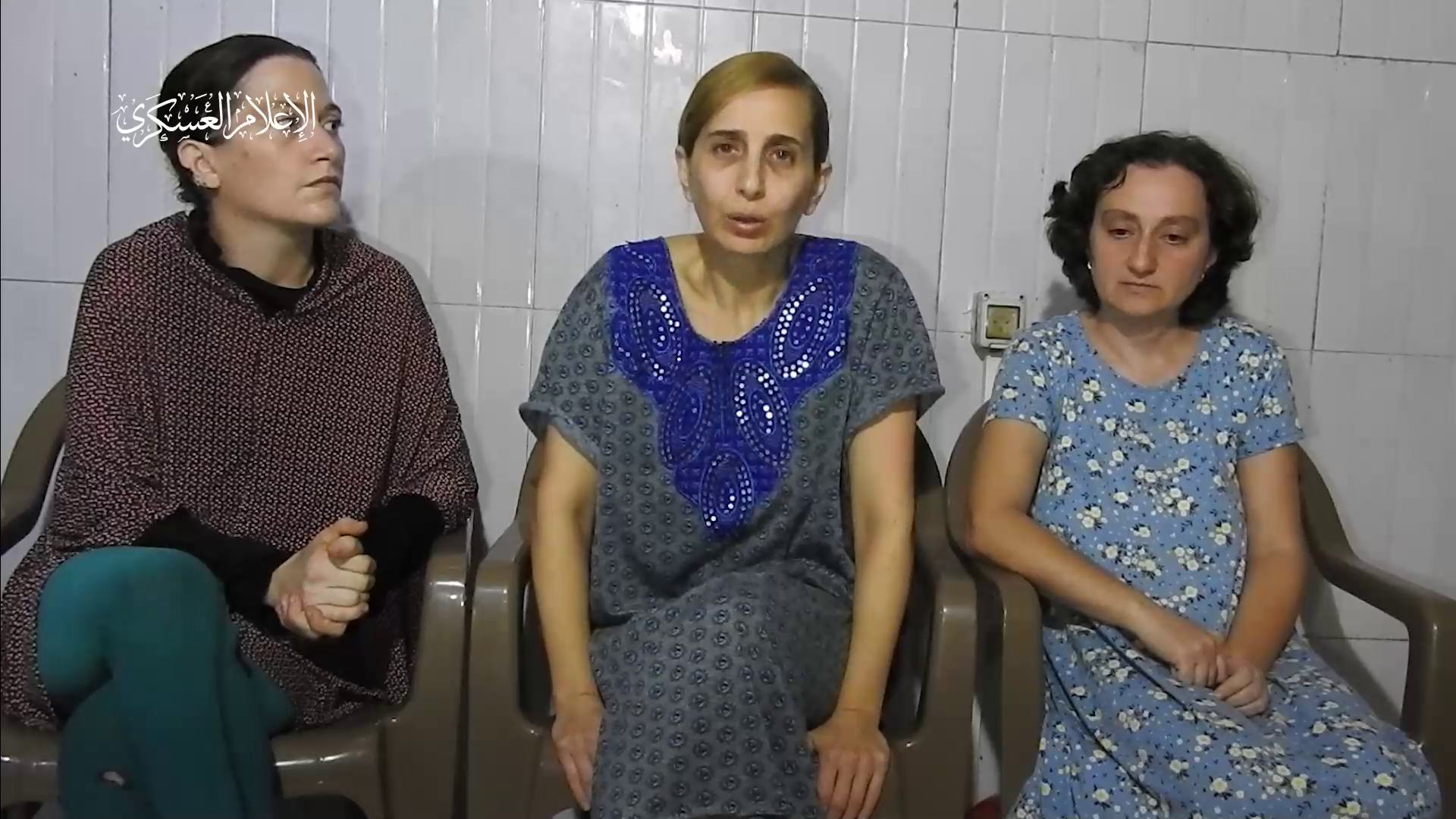
“I asked to stay with Yagev, and it’s the shame of my life that Alex Dancyg, Avraham Munder and Chaim Peri” — three of the older hostages in her cell — “died there,” said Buchshtab-Kirsht.
“Alex needed meds and he should have only been able to last for a couple of weeks, but he lasted like a king, for months,” she said.
There were some friends there as well, including Yarden Bibas, whom she knew from their school days. Yarden had been separated on October 7 from his wife Shiri and their two sons, 4-year-old Ariel and baby Kfir, all three of whom were later revealed to have been murdered in captivity.
When Buchshtab-Kirsht had to leave her husband behind as she was released from captivity, Bibas was still being held in the cell with them, and he promised her that every time he drank water he would make sure that Yagev drank as well.
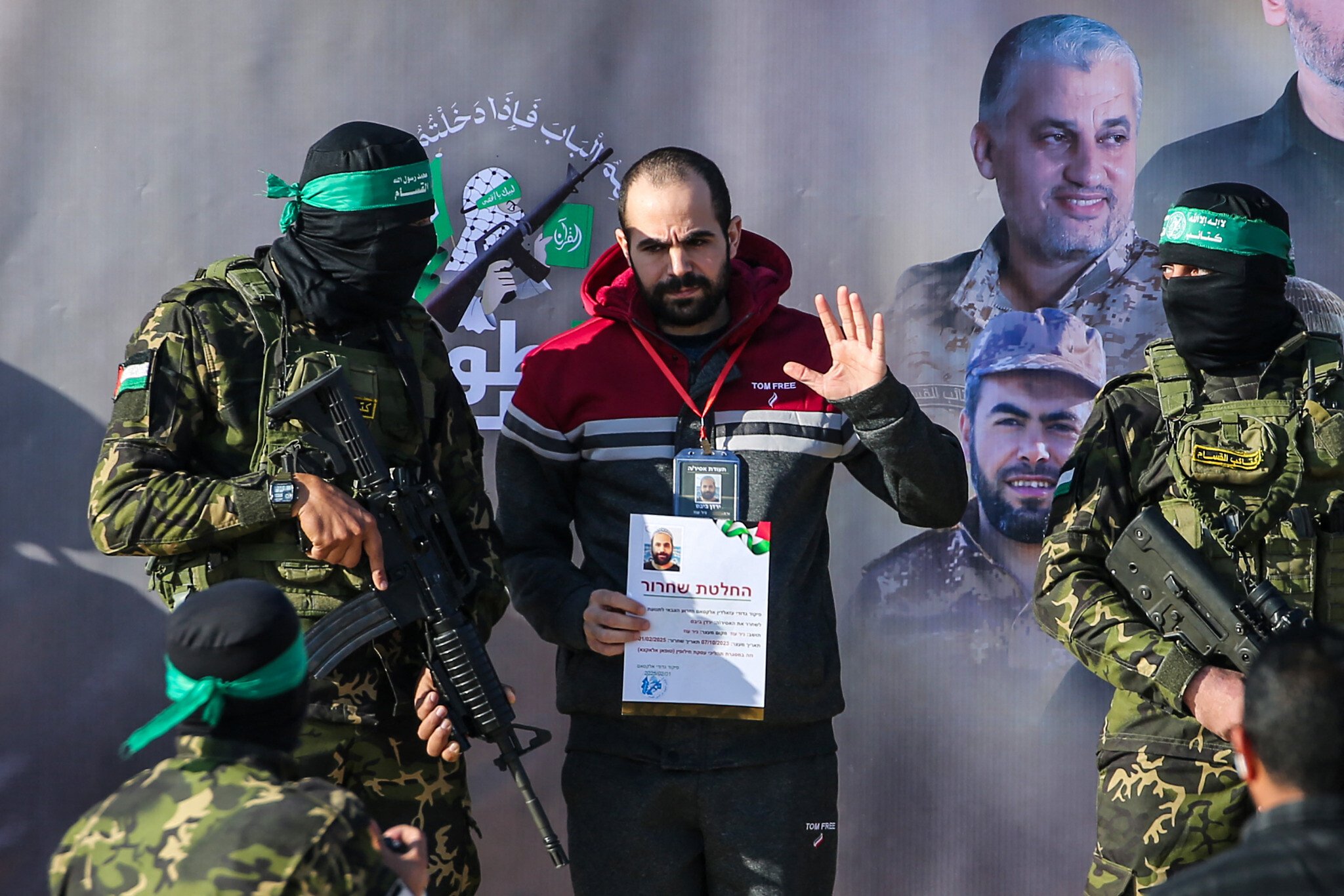
“But then Yarden was sent to Rafah and Yagev was left to care for the older people,” said Buchshtab-Kirsht.
For those interim months, she believed that Yagev would also be released. She knew what she would wear the day of his release, and planned to have two Optalgin pain relief tablets and two joints ready for her husband, as he had requested.
‘I promised I would find someone new’
She has mourned her husband deeply, grieving the loss of her soulmate. In the two years since he was buried, Buchshtab-Kirsht has worked to keep the promises they made to one another, written in that notebook.
“I also promised him that if we didn’t get to be together, I wouldn’t be angry and I would find someone new,” said Buchshtab-Kirsht.
She shares a new home in Avshalom, a Gaza-border community, with her dogs, cats, and Eliran Mizelman, an old friend who became her new life partner over the last few months.
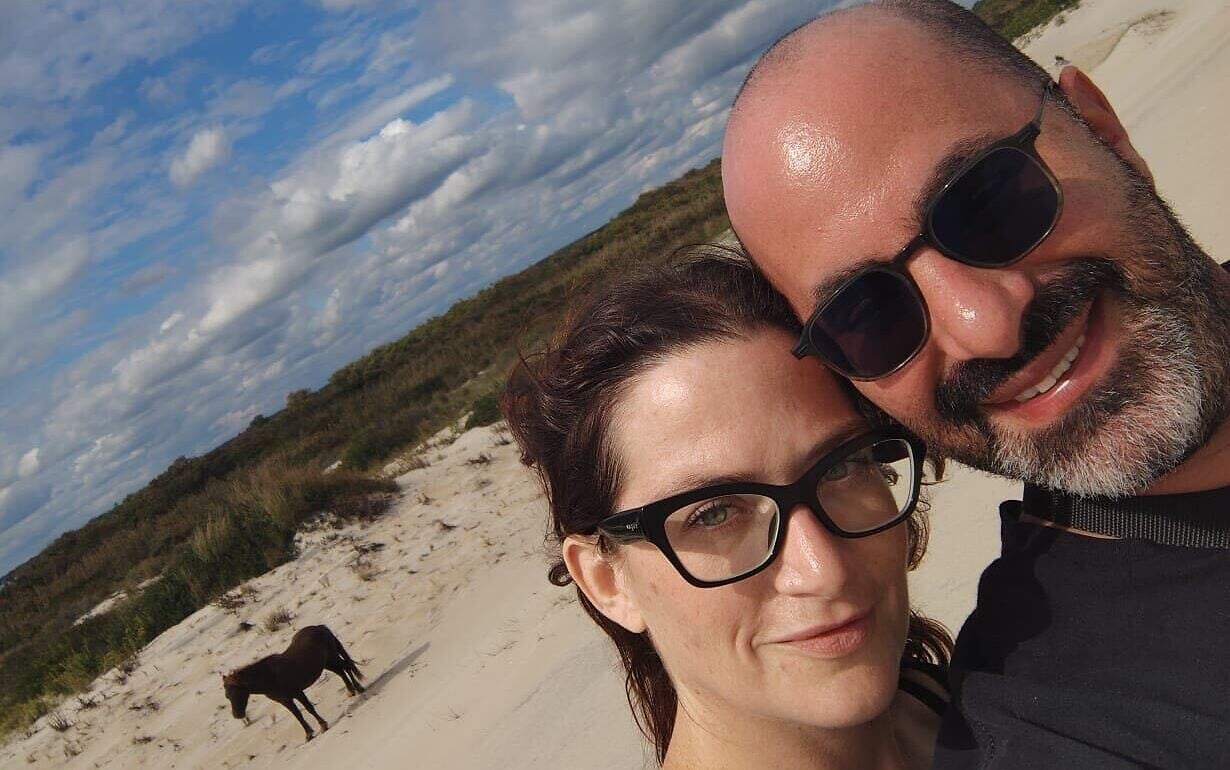
The moshav is a 20-minute drive south from Kibbutz Nirim, where she and her husband lived, and where he is buried.
As part of her efforts to rehabilitate herself, Buchshtab-Kirsht set up a NIS 3 million crowdfunding campaign to support herself in the future.
“He told me, ‘Don’t forget what I taught you,'” said Buchshtab-Kirsht. “I thought I was worth nothing before Yagev. I promised to get help and to find love and not to forget what he taught me.”
Now, said Buchshtab-Kirsht, she has one more dream to fulfill: to have the daughter they dreamed of.
“He taught me who I am, what I’m worth, what I can give, what I deserve,” she said. “That was a blessing.”

The Times of Israel Community.