

Iran frees rights activist after more than 8 years in prison
Amnesty International in July demanded Narges Mohammadi’s release due to serious preexisting health condition, suspected COVID-19 symptoms
 Add ToI as a Preferred Source on Google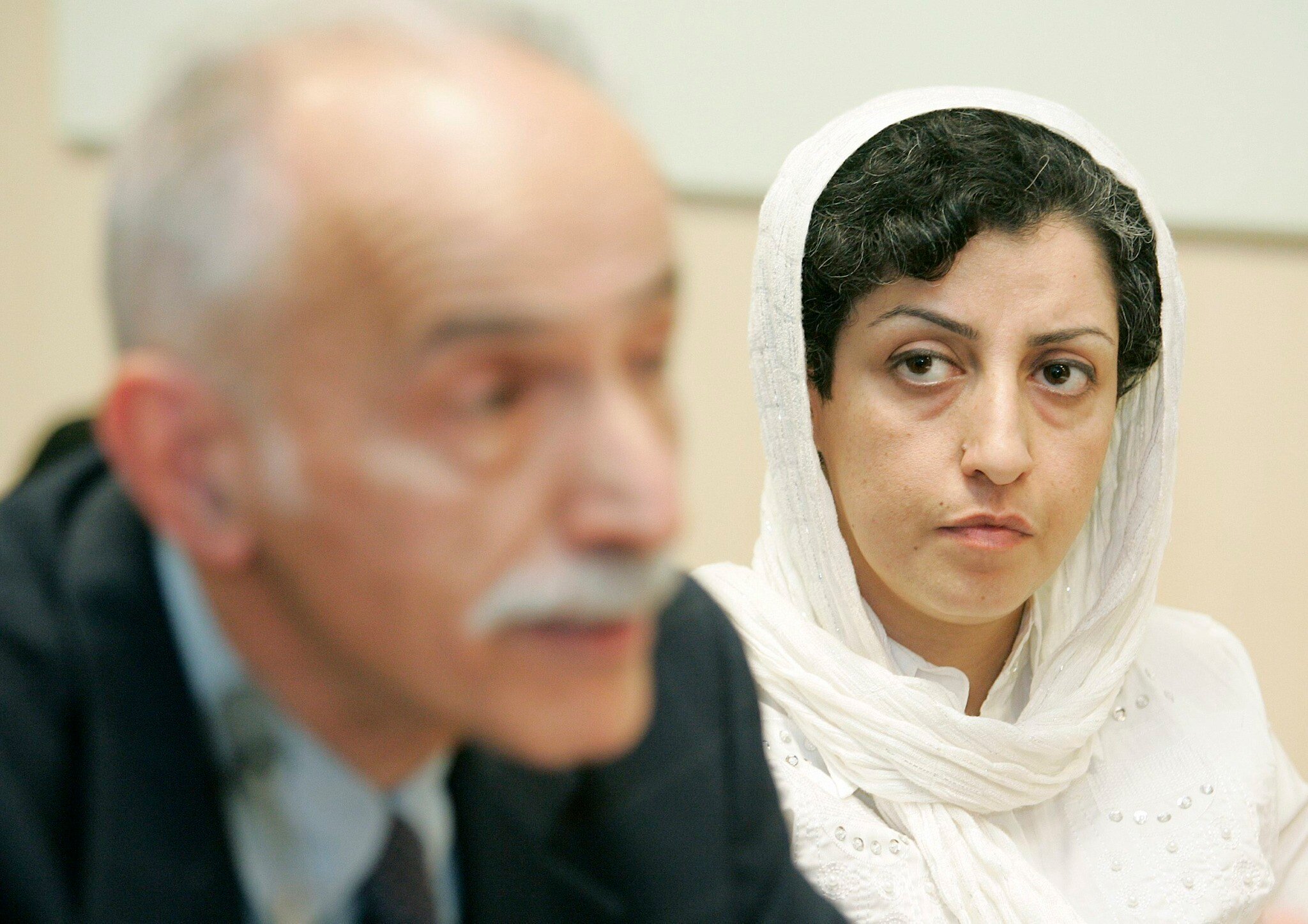
TEHRAN, Iran — Iran has released a prominent human rights activist who campaigned against the death penalty, Iranian media reported Thursday.
The semiofficial ISNA news agency quoted judiciary official Sadegh Niaraki as saying that Narges Mohammadi was freed late Wednesday after serving 8 1/2 years in prison. She was sentenced to 10 years in 2016 while already incarcerated.
Niaraki said Mohammadi was released based on a law that allows a prison sentence to be commutated if the related court agrees.
In July, rights group Amnesty International demanded Mohammadi’s immediate release because of serious preexisting health conditions and showing suspected COVID-19 symptoms. The Thursday report did not refer to her possible illness.
Mohammadi was sentenced in Tehran’s Revolutionary Court on charges including planning crimes to harm the security of Iran, spreading propaganda against the government and forming and managing an illegal group.
She was in a prison in the northwestern city of Zanjan, some 280 kilometers (174 miles) northwest of the capital Tehran.
Mohammadi was close to Iranian Nobel Peace Prize laureate Shirin Ebadi, who founded the banned Defenders of Human Rights Center. Ebadi left Iran after the disputed re-election of then-President Mahmoud Ahmadinejad in 2009, which touched off unprecedented protests and harsh crackdowns by authorities.
In 2018, Mohammadi, an engineer and physicist, was awarded the 2018 Andrei Sakharov Prize, which recognizes outstanding leadership or achievements of scientists in upholding human rights.









The Times of Israel Community.