

Irma bashes Florida Keys as Category 4 hurricane menaces mainland
Eyewall hits archipelago with maximum sustained winds near 130 mph ahead of expected landfall near St. Petersburg
 Add ToI as a Preferred Source on Google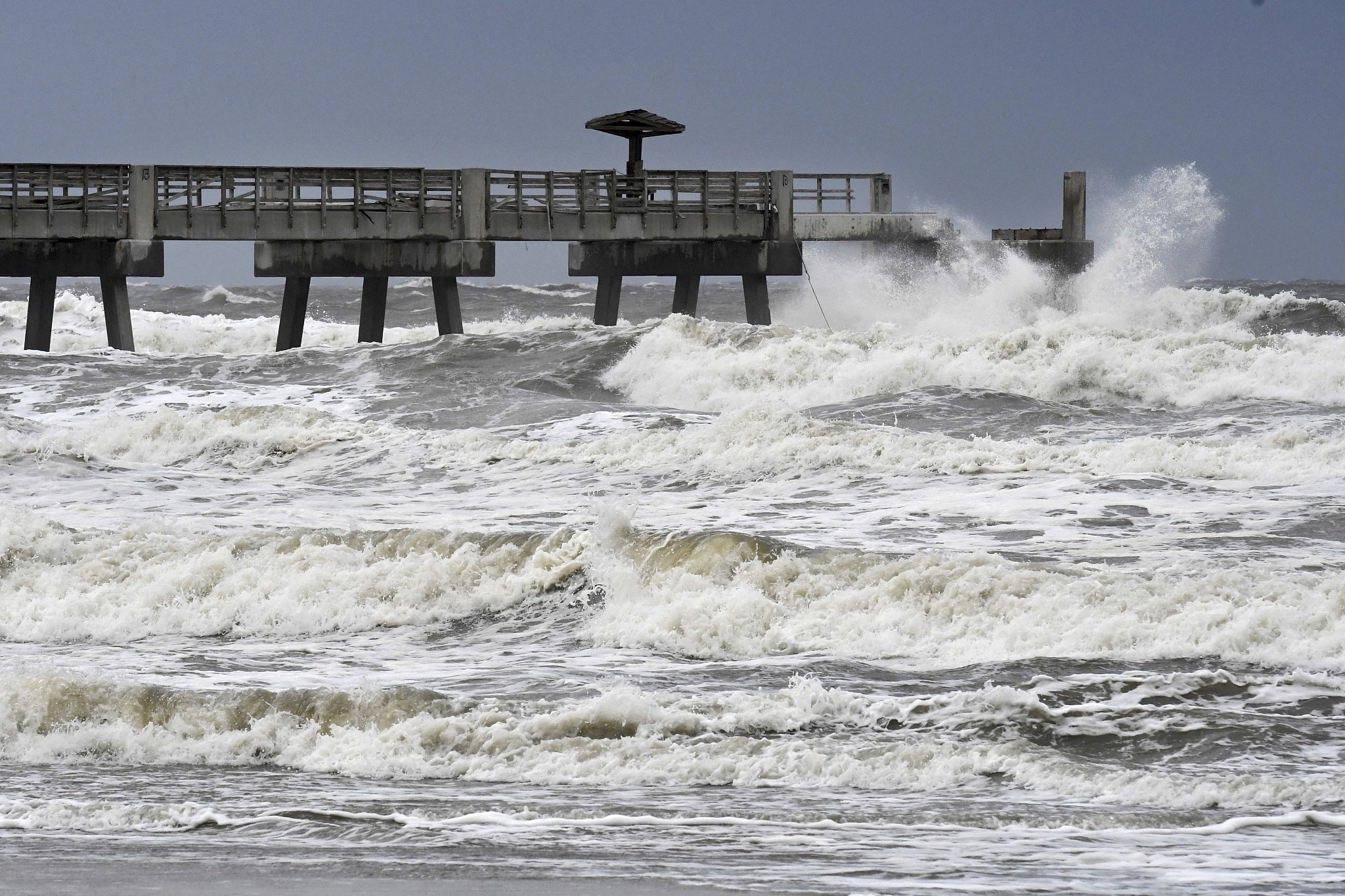
ST. PETERSBURG, Florida (AP) — Hurricane Irma began its assault on Florida early Sunday with the storm’s northern eyewall reaching the lower Florida Keys as a powerful Category 4 storm.
Irma lashed the area with maximum sustained winds near 130 mph (215 kph) and the US National Hurricane Center said it was expected to remain a powerful storm as it moved through the Florida Keys and near the state’s west coast.
As of 7 a.m. EDT Sunday, the hurricane was centered about 15 miles (25 kilometers) south-southeast of Key West, Florida, and was moving northwest at 8 mph (13 kph). The Key West International Airport measured sustained winds of 50 mph (80 kph) with a gust of up to 70 mph (113 kph), according to the hurricane center.
Tens of thousands of people huddling in shelters watched for updates as the storm swung to the west, now potentially sparing Tampa as well Miami the catastrophic head-on blow forecasters had been warning about for days.
Man riding out #HurricaneIrma in Key West: “I have an emotional attachment to Key West… I’m staying… I’d much rather be here” pic.twitter.com/Y1FJZxJhH0
— CNN (@CNN) September 10, 2017
But those few miles meant St. Petersburg could get a direct hit, rather than its more populous twin across Tampa Bay. Neither city has suffered a major hurricane in nearly a century.
The leading edge of the immense storm bent palm trees and spit rain across South Florida, knocking out power to more than 170,000 homes and businesses, as the eye approached Key West.
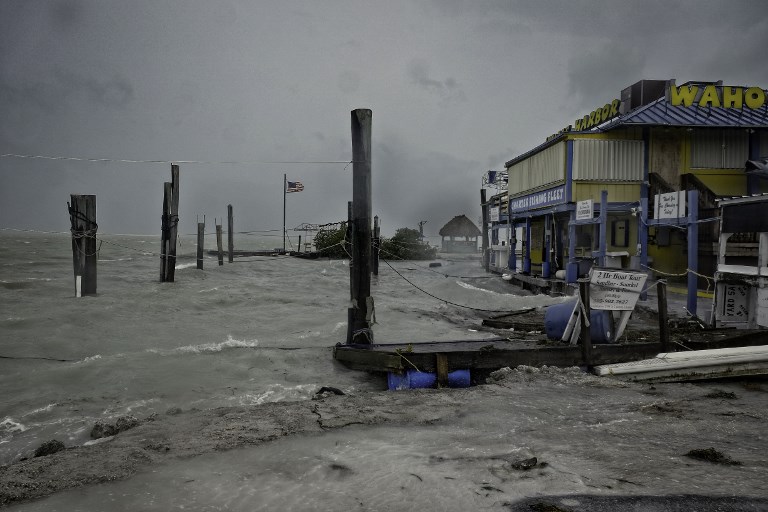
“Tonight, I’m sweating. Tonight I’m scared to death,” said 60-year-old Carol Walterson Stroud, who sought refuge in a senior center in Florida’s southernmost city with her husband, granddaughter and dog Saturday night. The streets emptied and shops were boarded up before the wind started to howl.
Florida Gov. Rick Scott had warned residents in the state’s evacuation zones Saturday that “this is your last chance to make a good decision.”
About 6.4 million people were told to flee.
But because the storm is 350 to 400 miles wide, the entire Florida peninsula was exposed. Forecasters said the greater Miami area of 6 million people could still get life-threatening hurricane winds and storm surge of 4 to 6 feet (1.1-2 meters).
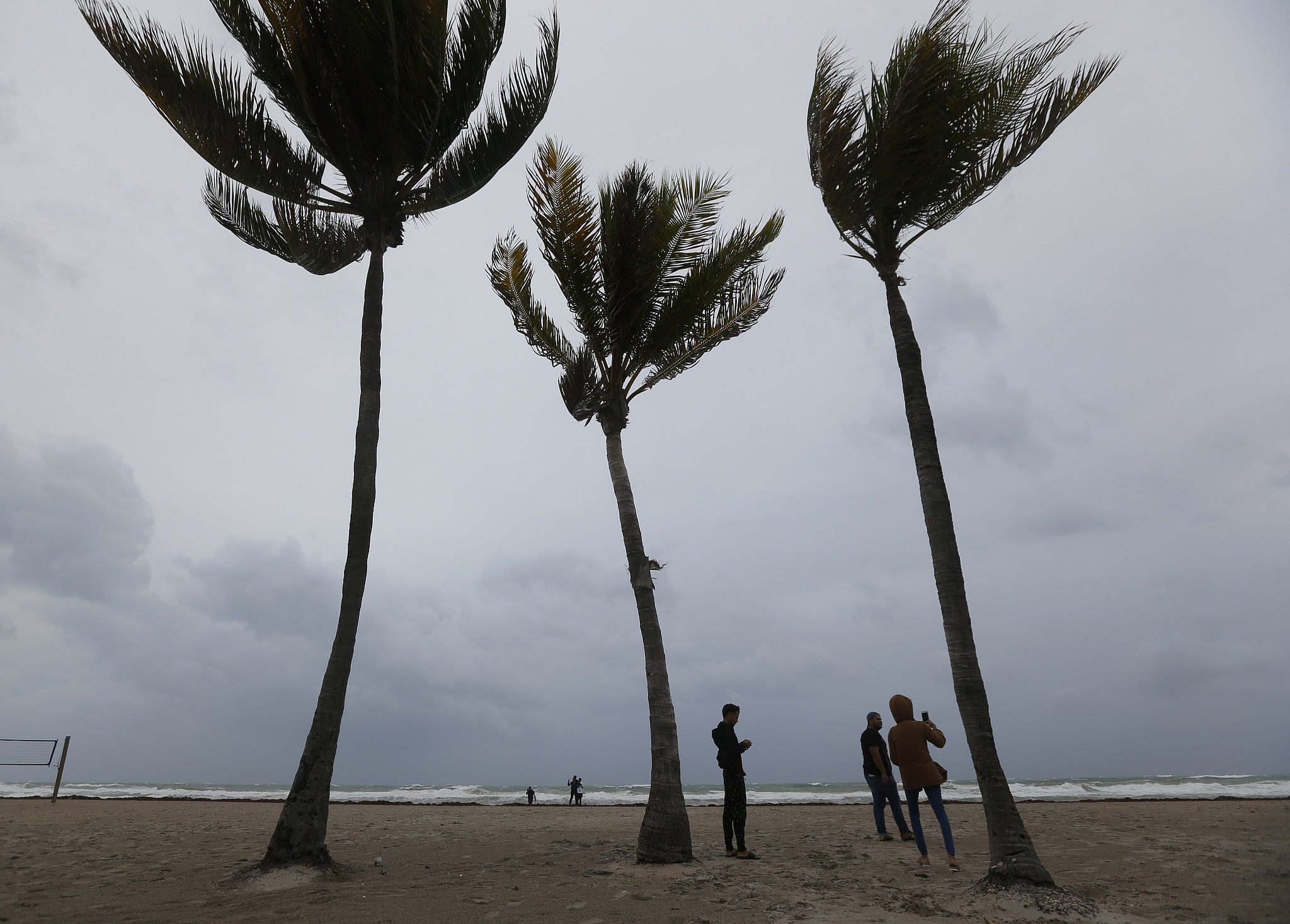
Irma was at one time the most powerful hurricane ever recorded in the open Atlantic with a peak wind speed of 185 mph (300 kph) last week. It left more than 20 people dead across the Caribbean and as it moved north over the Gulf of Mexico’s bathtub-warm water of nearly 90 degrees, it was expected to regain strength.
Meteorologists predicted Irma would plow into the Tampa Bay area Monday morning. The area has not been struck by a major hurricane since 1921, when its population was about 10,000, National Hurricane Center spokesman Dennis Feltgen said. Now around 3 million people live there.
The latest course also still threatens Naples’ mansion- and yacht-lined canals, Sun City Center’s retirement homes, and Sanibel Island’s shell-filled beaches.
Irma’s course change caught many off guard and triggered a major round of last-minute evacuations in the Tampa area. Many businesses had yet to protect windows with plywood or hurricane shutters.
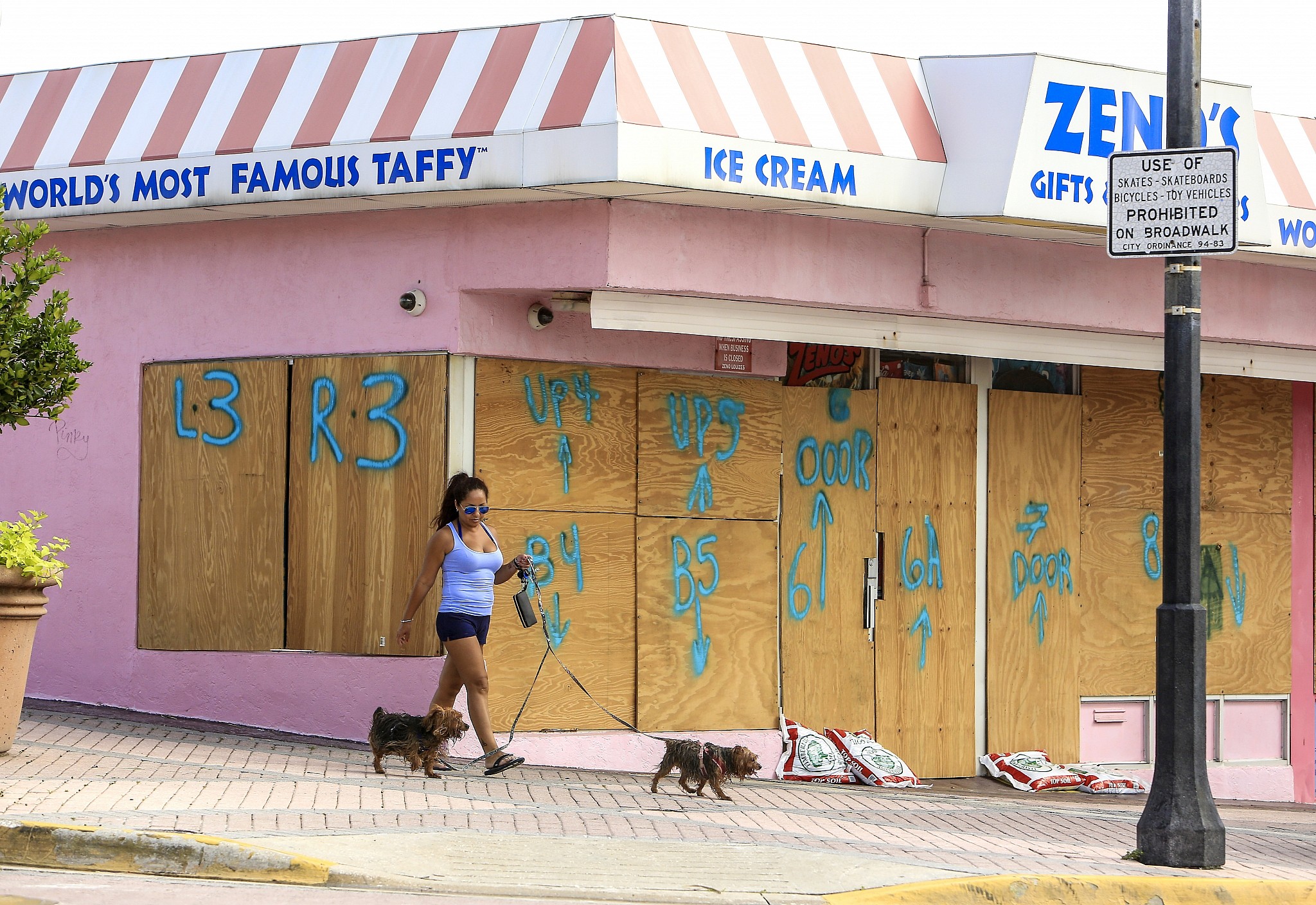
Some locals grumbled about the forecast, even though Florida’s west coast had long been included in the zone of probability.
“For five days, we were told it was going to be on the east coast, and then 24 hours before it hits, we’re now told it’s coming up the west coast,” said Jeff Beerbohm, a 52-year-old entrepreneur in St. Petersburg. “As usual, the weatherman, I don’t know why they’re paid.”
Nearly the entire Florida coastline remained under hurricane watches and warnings, and the latest projections could shift again, sparing or savaging other parts of the state.
Forecasters warned of storm surge as high as 15 feet (4.5 meters).
“This is going to sneak up on people,” said Jamie Rhome, head of the hurricane center’s storm surge unit.
The westward shift prompted Pinellas County, home to St. Petersburg, to order 260,000 people to leave, while Georgia scaled back evacuation orders for some coastal residents. Motorists heading inland from the Tampa area were allowed to drive on the shoulders.
At Germain Arena not far from Fort Myers, on Florida’s southwestern corner, thousands waited in a snaking line for hours to gain a spot in the hockey venue-turned-shelter.
“We’ll never get in,” Jamilla Bartley lamented in the parking lot.
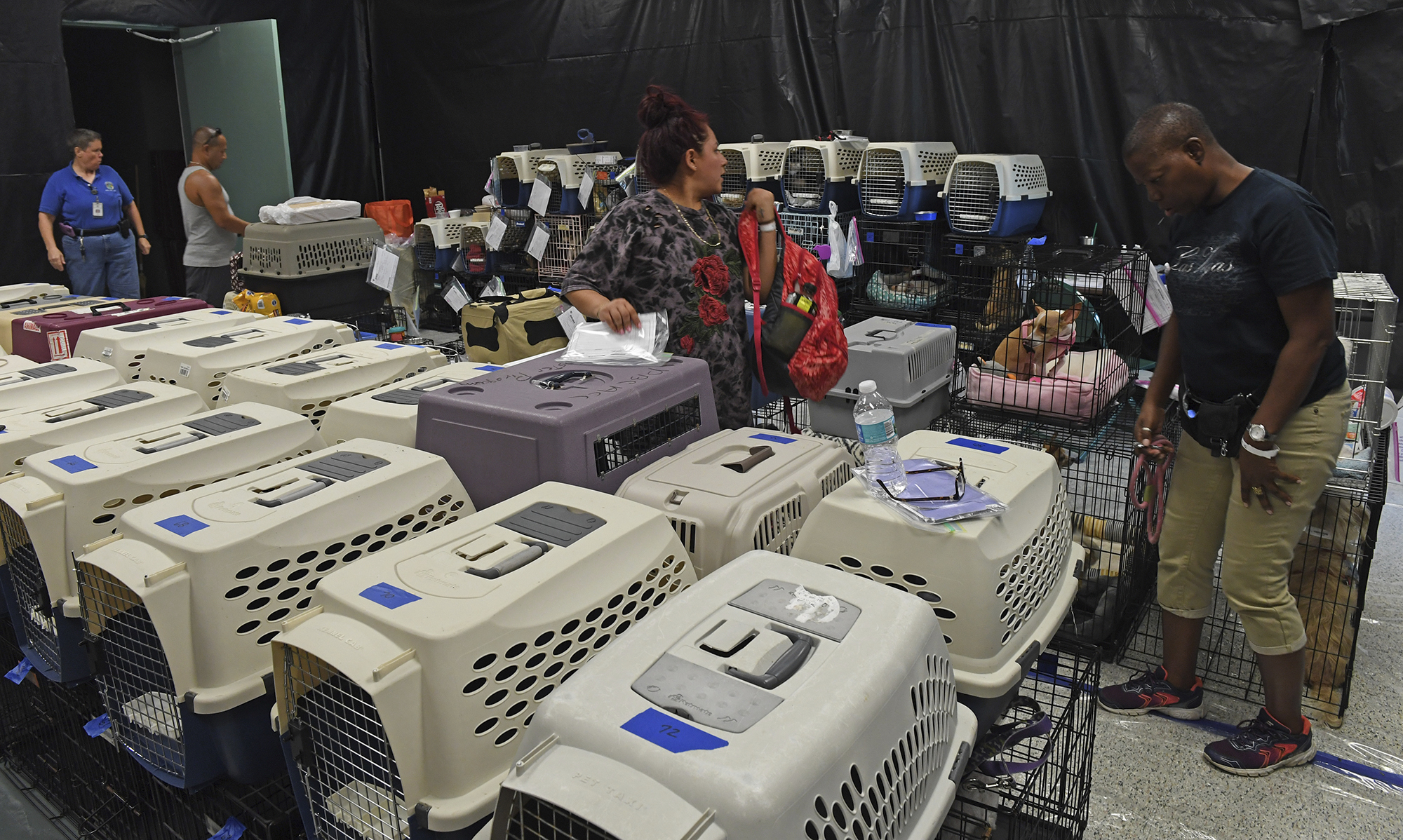
The governor activated all 7,000 members of the Florida National Guard, and 30,000 guardsmen from elsewhere were on standby.
In the Orlando area, Walt Disney World, Universal Studios and Sea World all were closing Saturday.
The Miami, Fort Lauderdale, Tampa and Orlando airports shut down.
Given its mammoth size and strength and its course up the peninsula, it could prove one of the most devastating hurricanes ever to hit Florida, and inflict damage on a scale not seen here in 25 years.
Hurricane Andrew smashed into suburban Miami in 1992 with winds topping 165 mph (265 kph), damaging or blowing apart over 125,000 homes. The damage in Florida totaled $26 billion, and at least 40 people died.









The Times of Israel Community.