

Knesset advances motion adopting Trump’s plan for Gaza; Netanyahu, coalition boycott vote
Lapid, ‘surprised and disappointed’ by PM’s absence, says vote is a chance to show Israel is united around ‘common goal’ and indicate gratitude to US president
 Add ToI as a Preferred Source on Google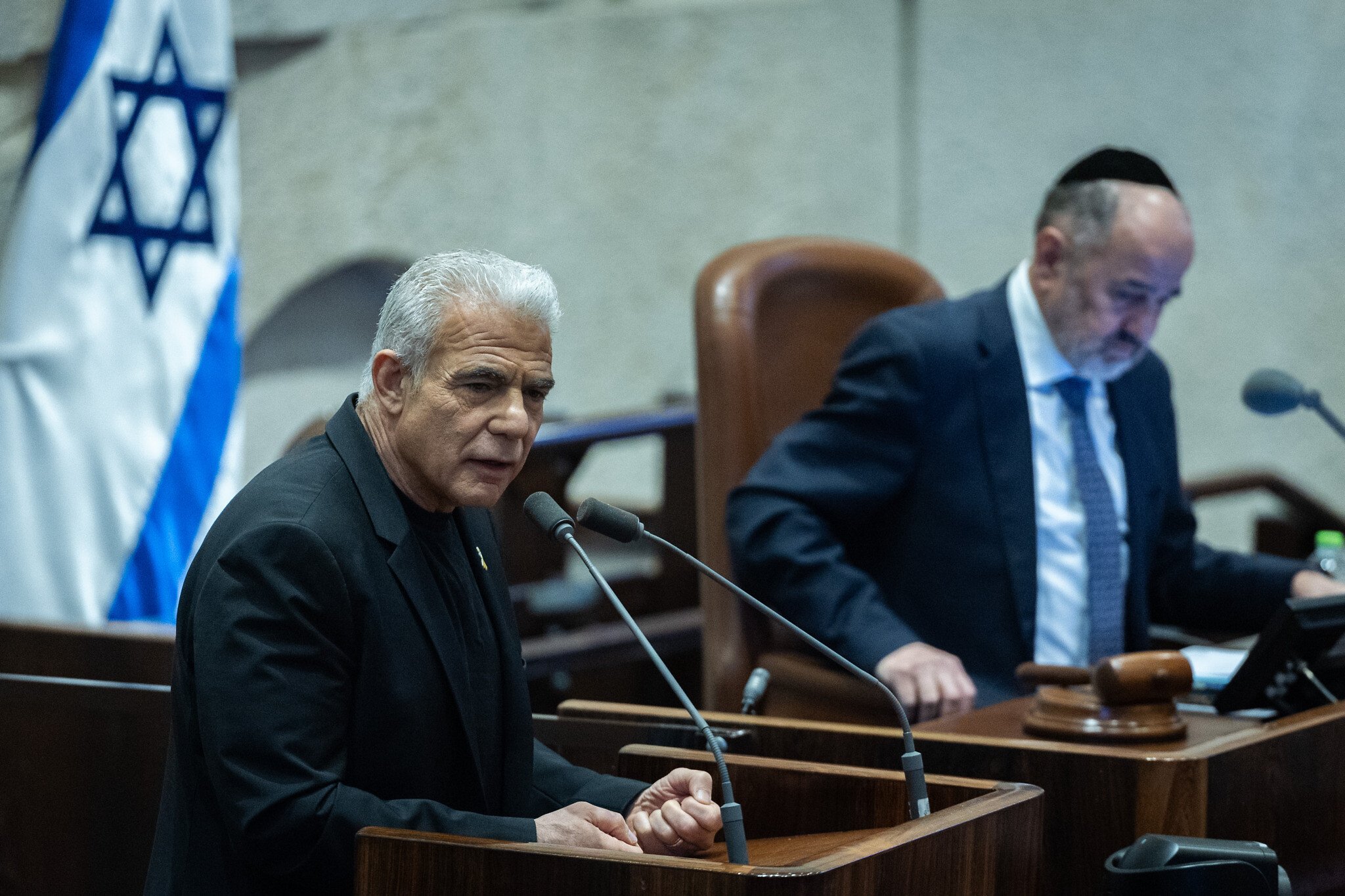
A motion to adopt US President Donald Trump’s 20-point “Comprehensive Plan to End the Gaza Conflict” advanced in the Knesset on Wednesday, passing its first reading with 39 votes in favor and zero votes against.
Almost all coalition lawmakers, including Prime Minister Benjamin Netanyahu, didn’t attend the vote, in an apparent boycott of the motion, which was brought by Opposition Leader Yair Lapid. The few coalition lawmakers who were in attendance, including Likud MK Tali Gotliv, declined to participate in the vote.
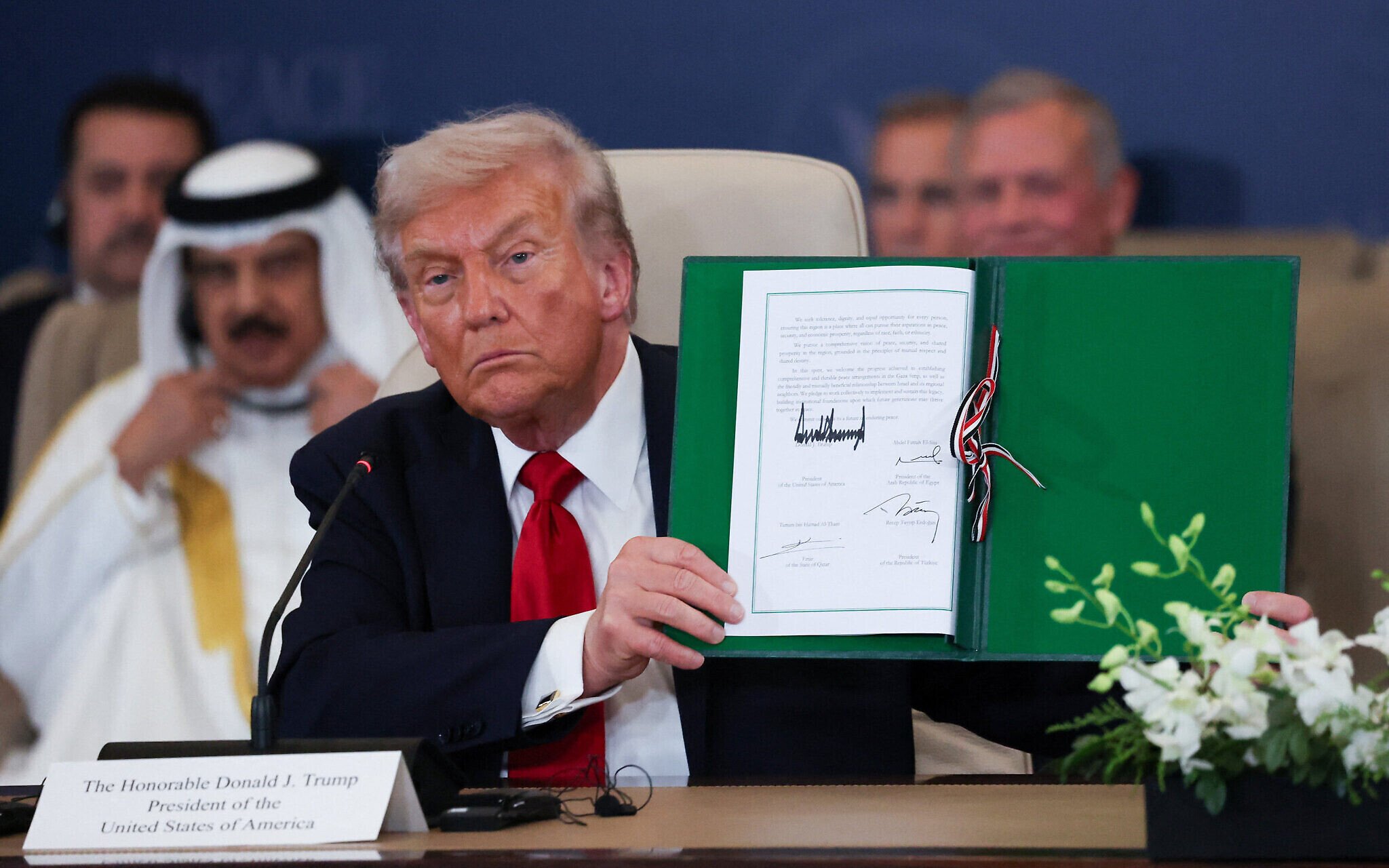
Beyond outlining a path toward ending the conflict and disarming Hamas, Trump’s plan hints at a potential pathway to Palestinian statehood, but does not provide many details or an estimated timeline for when this could happen. This element of the plan has drawn pushback from some coalition and government members, who oppose any effort to establish a Palestinian state.
Given the plan’s reference to Palestinian statehood, which the government opposes, a coalition boycott of Wednesday’s vote had been expected, with the vote largely viewed as an attempt to embarrass the coalition. Nevertheless, Lapid told the Knesset that he was “surprised and disappointed” by Netanyahu’s absence.
“This is the first opportunity we have been given as a Knesset to tell President Trump, to tell the world, to tell ourselves, that we are uniting around a common goal,” Lapid said. “Netanyahu chose to boycott the vote and not come here. It’s a shame.”
Beyond outlining a path toward ending the conflict and disarming Hamas, Trump’s plan envisions the Palestinian Authority carrying out extensive reforms in Ramallah, at which point it says “the conditions may finally be in place for a credible pathway to Palestinian self-determination and statehood, which we recognize as the aspiration of the Palestinian people.”
Netanyahu has vowed repeatedly that the Palestinian Authority and PA President Mahmoud Abbas will have no role in governing Gaza and has vowed that “there will not be a Palestinian state.”
Trump’s plan entered into effect on October 10 with the start of a fragile ceasefire in Gaza, which has held despite instances of terror operatives attacking troops and Israeli airstrikes across the war-torn enclave. With the start of the ceasefire, Hamas released the final 20 living hostages on October 13, and has slowly been returning the 28 bodies of deceased hostages ever since, with just two bodies yet to be returned as of Wednesday afternoon — those of police Master Sgt. Ran Gvili and Thai national Sudthisak Rinthalak. Hamas claimed to return the body of one of the remaining captives on Wednesday evening, with the body yet to be identified.
The second phase of Trump’s plan will see Israel withdraw further from the so-called Yellow Line to which it is currently deployed, along with the establishment of a transitional authority to govern Gaza, the deployment of the multinational security force meant to take over from the Israeli military, the disarmament of Hamas, and the start of reconstruction.
Wednesday’s vote, Lapid said, was an opportunity for the Knesset to “show its gratitude to President Trump for this plan, and for what it has achieved: The return of the hostages, the end of the war, a return to life.”

Last week, the opposition leader told an Israel Democracy Institute conference in Jerusalem that he had put the motion forward as he believed there to be symbolic importance for “all factions of the house” to back the American proposal and thereby say that “we stand behind these steps, behind the idea of ending the war.”
He posited that the plan had been presented to the Israeli public as solely a hostage deal instead of as “a full and complete outline that puts us on the path toward an arrangement for what happens in Gaza.”
The bill, having passed its first vote, will now proceed to the Knesset Foreign Affairs and Defense Committee, where it will be discussed ahead of a second and third reading.
After Lapid submitted the motion last month, his spokesman said there had been “no change” in the Yesh Atid leader’s views on the establishment of a Palestinian state.
Lapid told The Times of Israel last year that after the October 7, 2023, invasion and massacre, statehood was not currently realistic, but “the best that we can do is to maintain the option for the distant future.”








The Times of Israel Community.