

Labor party head Amir Peretz prevented from speaking at Rabin memorial rally
Organizers say Benny Gantz better suited to represent center-left at Saturday event than leader of assassinated PM’s political party
 Add ToI as a Preferred Source on Google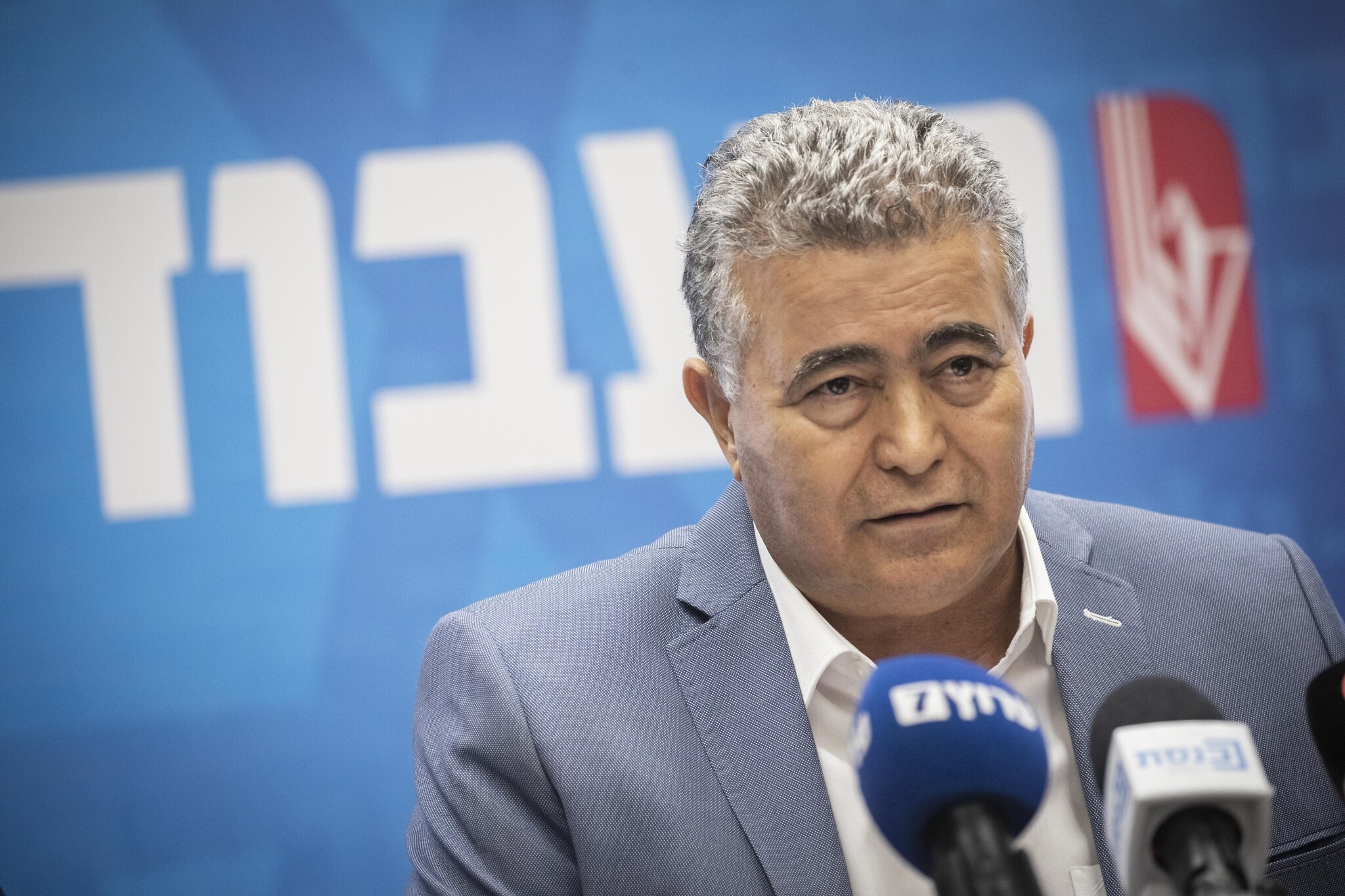
Labor party chairman Amir Peretz will not speak at the annual Tel Aviv rally marking the anniversary of the assassination of prime minister Yitzhak Rabin on Saturday night, despite his request to do so, a report said Tuesday night.
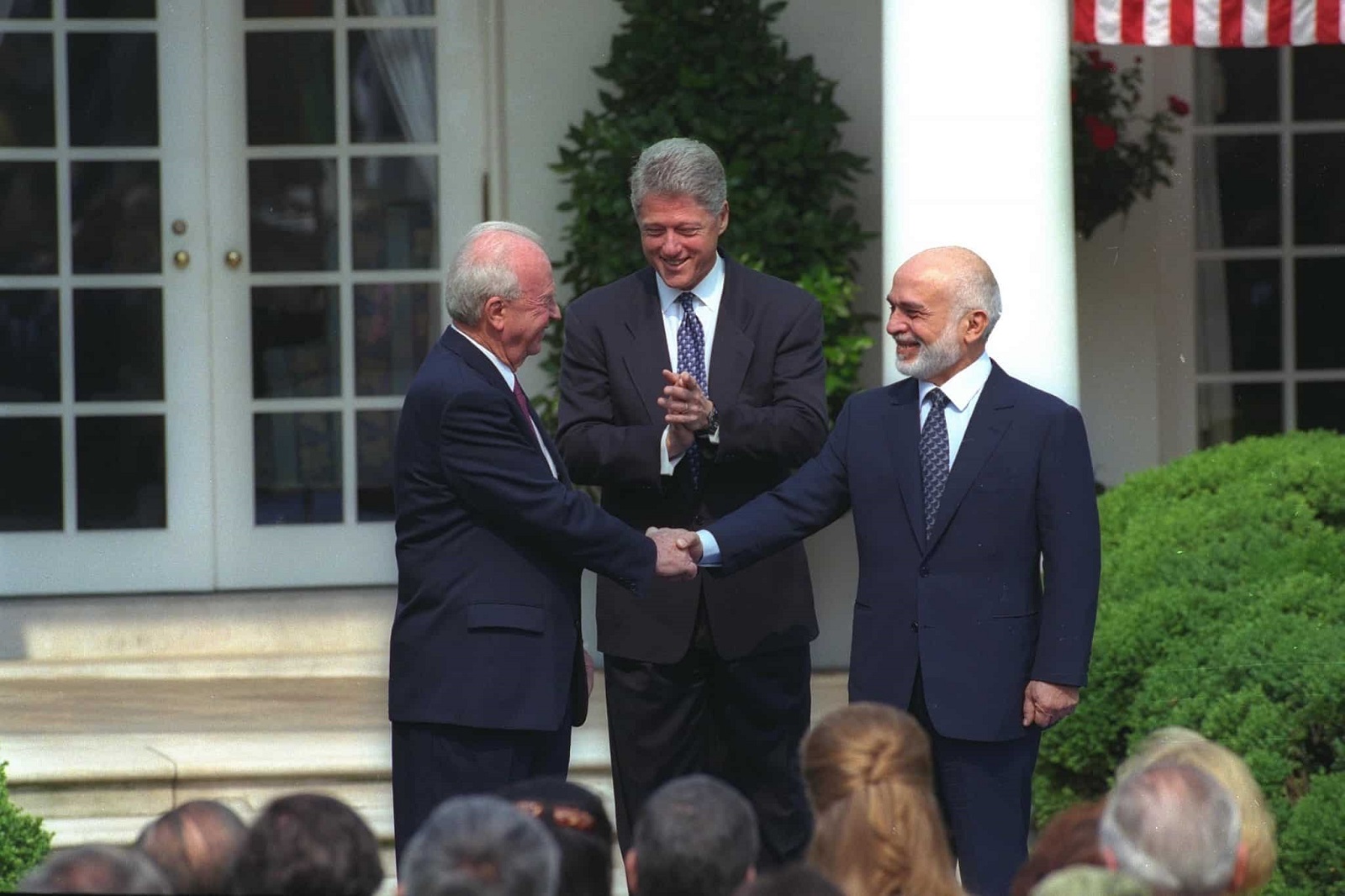
Rabin — who was Labor leader at the time — was murdered on November 4, 1995, by Jewish extremist Yigal Amir, who was opposed to the Oslo Accords and the handing over of control of portions of the West Bank to the Palestinians as part of the landmark peace agreement.
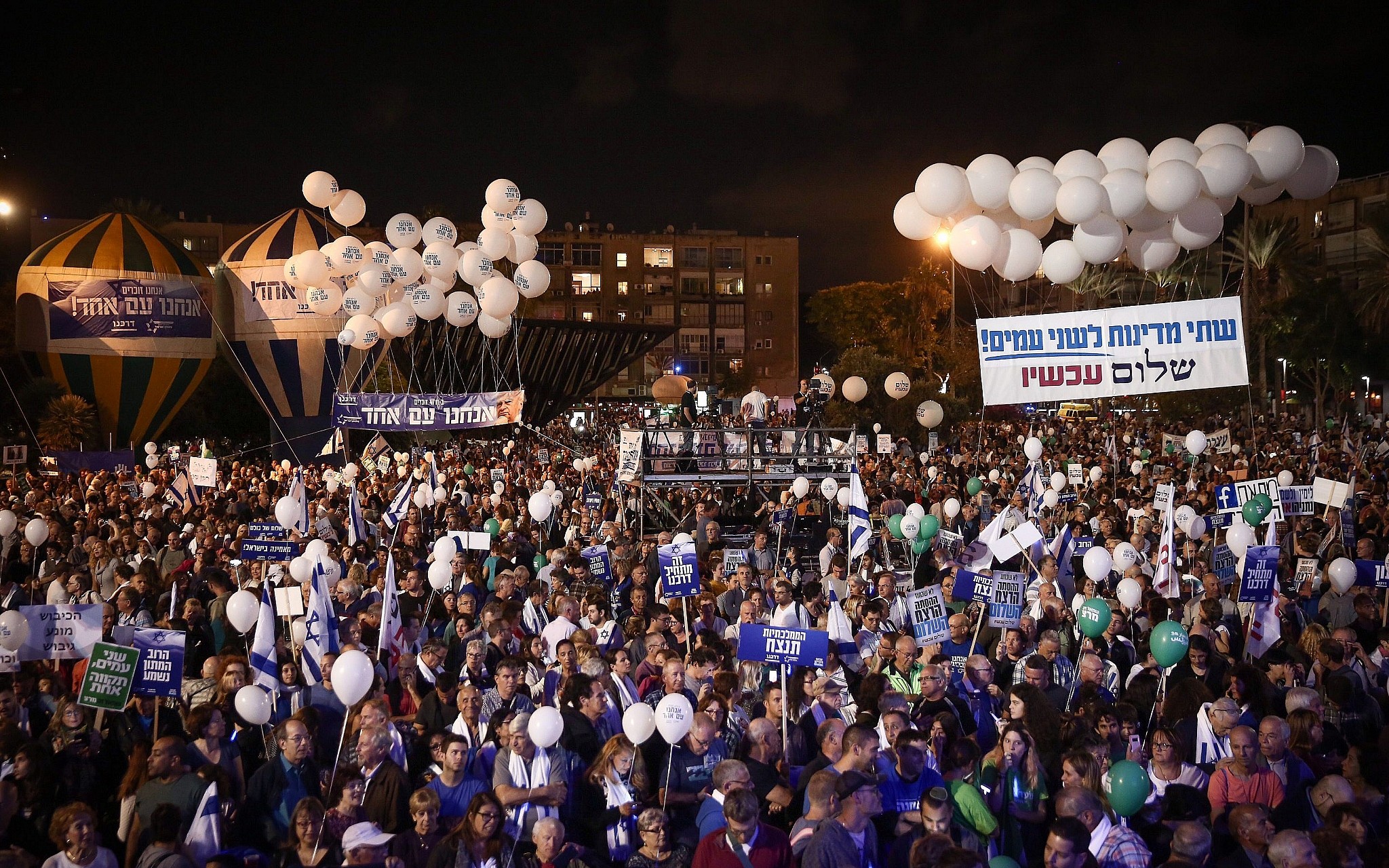
The anniversary rally at Rabin Square, the site of the prime minister’s murder, draws tens of thousands of people each year.
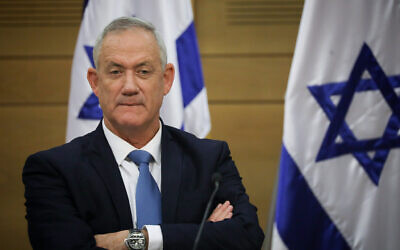
Benny Gantz, the Blue and White leader and prime minister-designate, was announced last week as the keynote speaker at the 24th anniversary rally on November 2.
Peretz has also requested to speak and there have been recent negotiations behind the scenes, but organizers refused and said only Gantz will speak, Channel 12 reported Tuesday.
They said that Gantz, who was elected in September as the main representative of the center-left bloc and who is currently tasked with forming the next coalition, is the current figurehead representing peace and unity, the report said.
Organizers reportedly argued that if Peretz were allowed to address the crowd, other prominent left-wing politicians such as Democratic Camp leader Nitzan Horowitz and Joint List chairman Ayman Odeh would file similar requests.
While Peretz — a veteran Labor lawmaker who was an MK when Rabin was murdered and was elected party leader earlier this year — formally leads the same party Rabin led in 1995, the difference in status is striking.
The party that led Israel throughout its first 30 years and had always been the largest left-wing party in the Israeli political landscape has lost almost all of its power, gradually shrinking over the last decade. It currently has just five seats in the 120-member Knesset — in a joint slate with the Gesher party — only one above the minimal electoral threshold, with the main center-left force becoming the centrist Blue and White.
Labor is reportedly claiming that the refusal to let Peretz speak tarnishes Rabin’s legacy. They say Rabin was murdered due to policies he pushed as Labor leader, and that it is a matter of principle rather than ego. They were said to contend that there is no reason to skip Labor, even if it is going through tough times.
Gantz, a former army chief of staff, was tasked last week by President Reuven Rivlin with cobbling together a coalition by November 20, after Netanyahu announced he had failed to do so. Accepting the task, Gantz invited Netanyahu into his coalition.
The two leaders met this week and are expected to meet again, but Gantz’s chances of succeeding are seen as slim, with Likud negotiating on behalf of a 55-member bloc of right-wing and ultra-Orthodox parties without which it says it will not enter a government, a precondition rejected outright by Blue and White.
In March, ahead of the April elections, Gantz accused Netanyahu of being involved in the incitement to violence that led to the 1995 assassination of Rabin.
In the weeks before the assassination, Netanyahu, then head of the opposition, and other senior Likud members attended a right-wing political rally in Jerusalem where protesters branded Rabin a “traitor,” “murderer” and “Nazi” for signing a peace agreement with the Palestinians earlier that year.
Netanyahu has regularly rebuffed allegations that he ignored inflammatory rhetoric that incited to Rabin’s murder and characterized the accusations as a form of “political assassination.”







The Times of Israel Community.