 Add ToI as a Preferred Source on Google
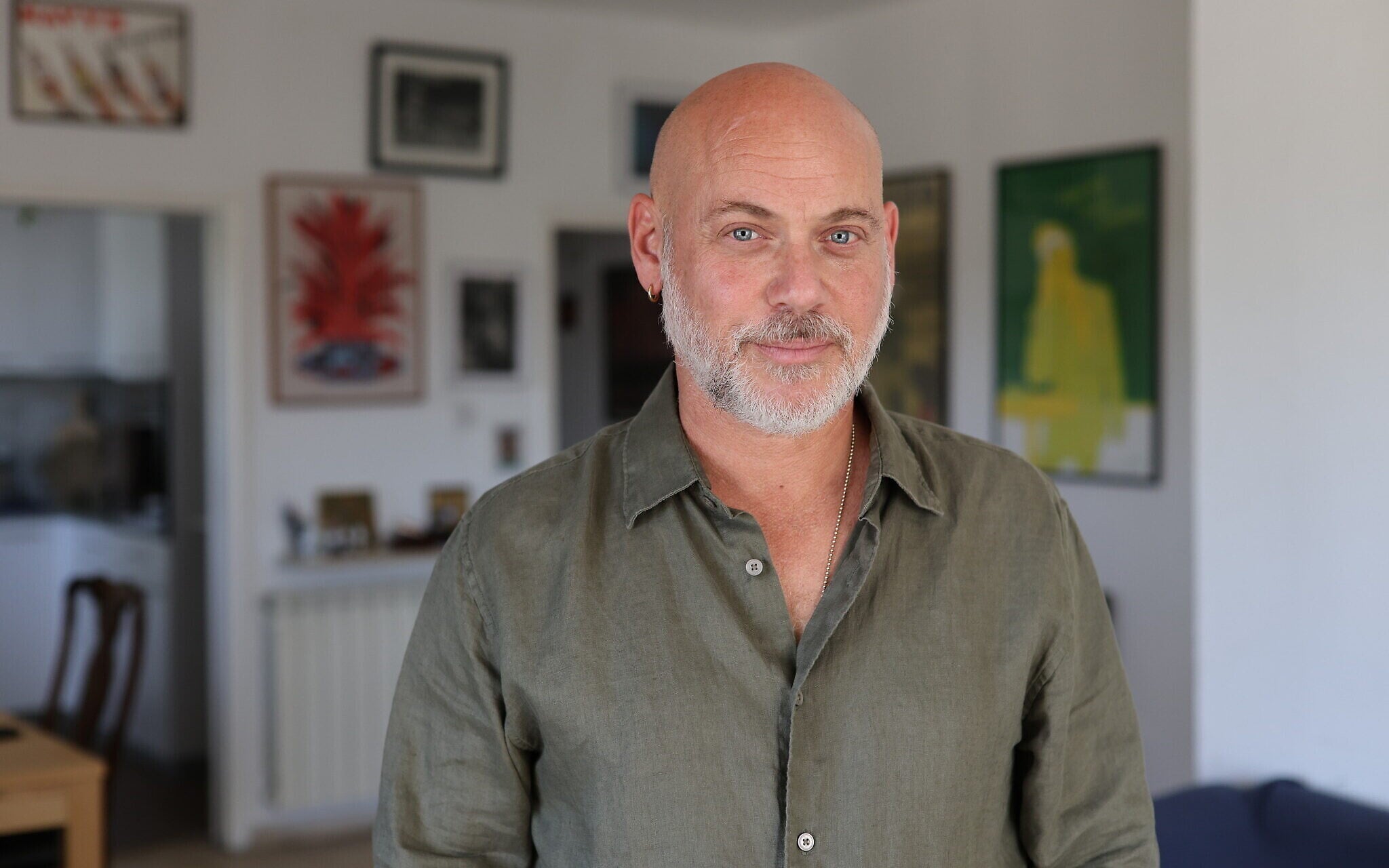
In 2003, Joshua Faudem was filming “Blues by the Beach,” a documentary about Mike’s Place, a bar on the Tel Aviv beachfront, when a suicide bomber struck the popular nightspot, killing three civilians and wounding over 50.
What began as a film about a bar and the people who gathered there became something else: a record of grief, survival, and what happens to ordinary lives when history suddenly crashes through the door.
More than two decades later, Faudem, now 51, is still pointing his camera at Israelis caught in moments of change. But this time, as Israel approaches another election and wrestles with questions about what kind of country it will become, the story has turned unexpectedly toward him.
“I started out with it by following my friends who have left Israel in the last five years. And then I came back to Israel and actually realized… the story isn’t about my friends. It’s actually about me and my family and about the future of this country,” he says of his new documentary, currently working under the title “Back to Babylon.”
For Faudem, documenting people is almost a family inheritance.
WATCH the full episode here:
He was born in Detroit, the youngest of four children, and immigrated to Israel with his family when he was 8. His grandfather had bought an 8 mm movie camera in 1939, when Faudem’s father was born, and used it to record his family: holidays, gatherings and everyday life.
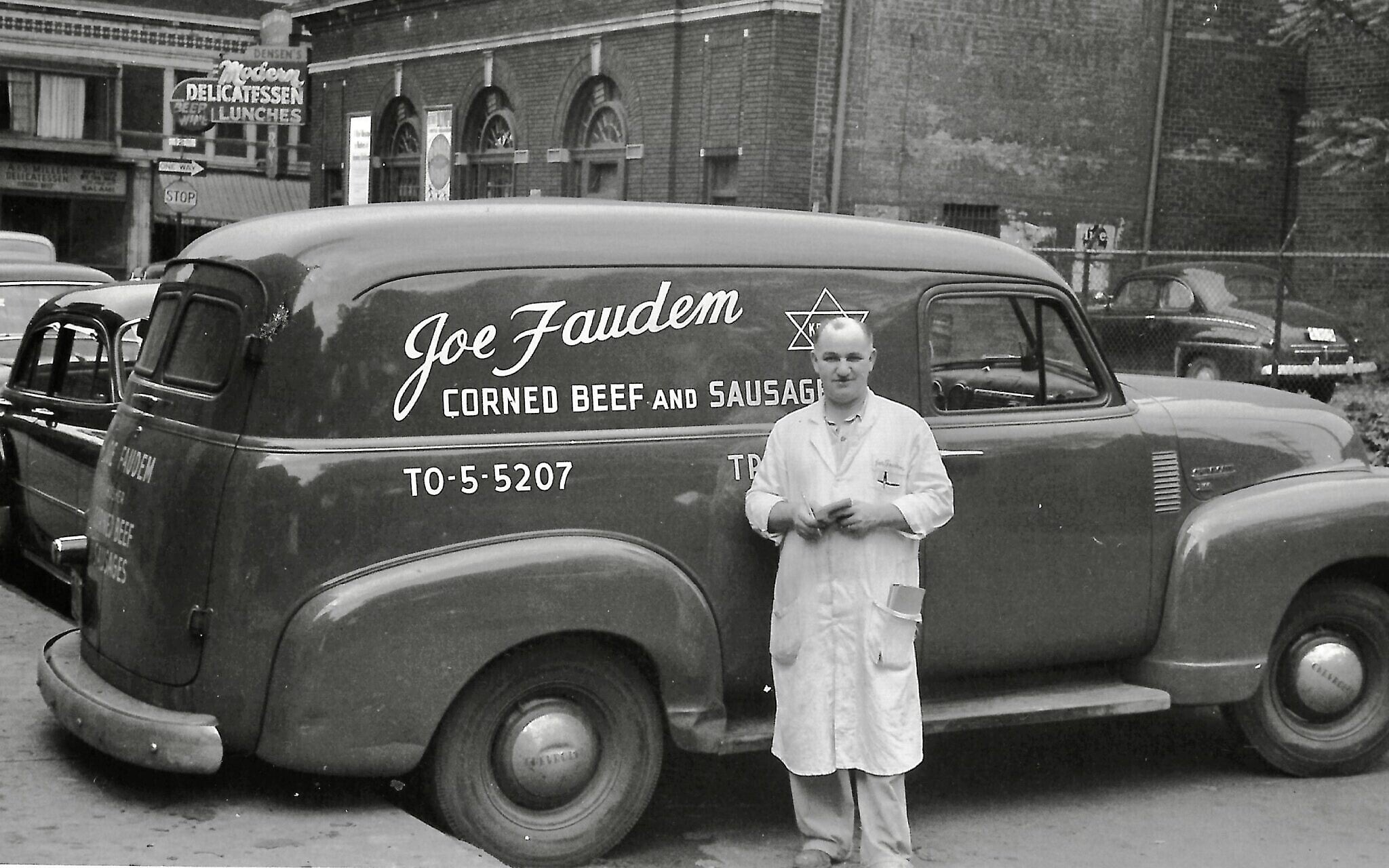
Faudem’s father continued the tradition.
“My dad was always filming us,” he says. “We have it all on Super 8 mm of us growing up in Detroit.”
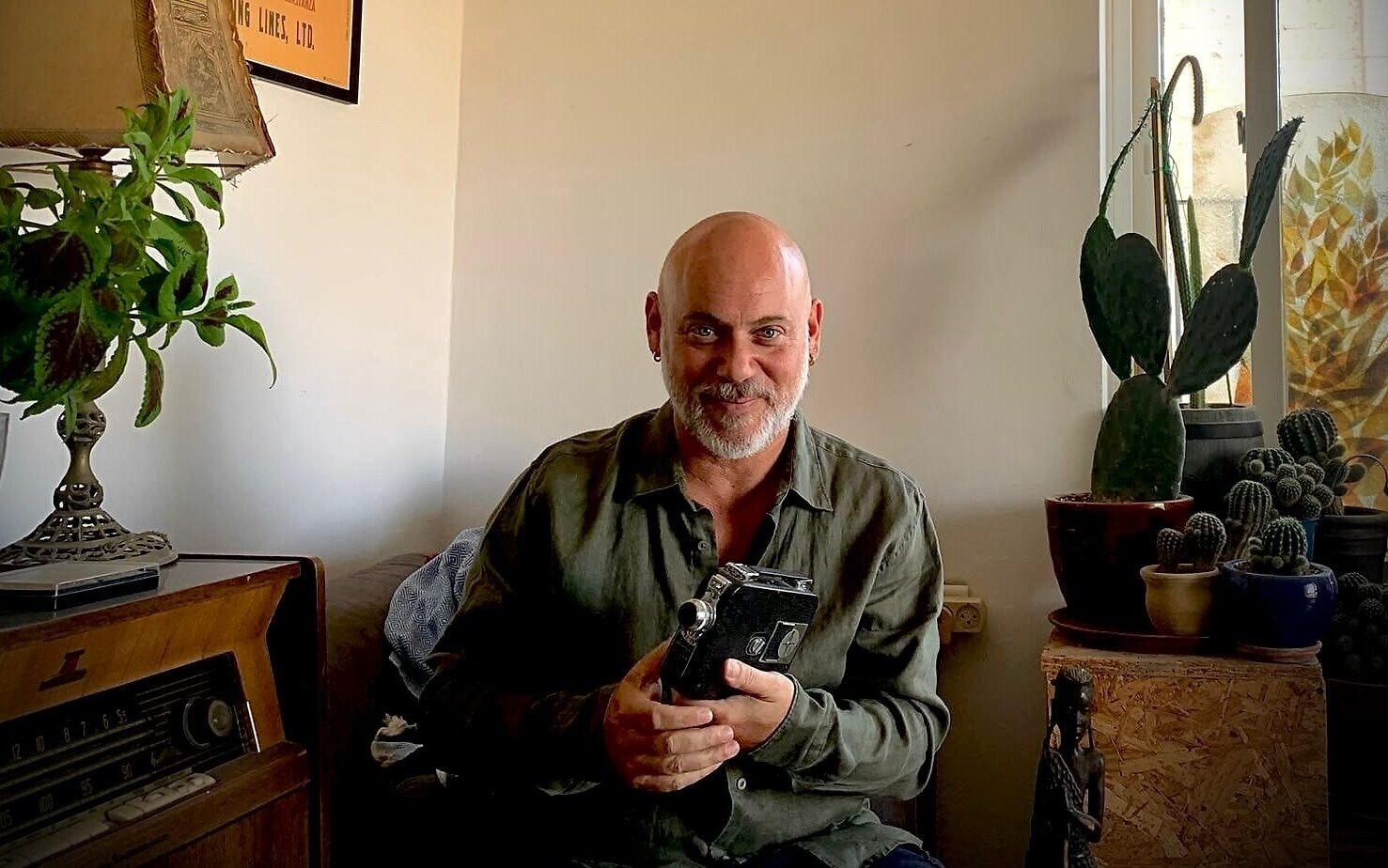
Faudem still has his grandfather’s camera.
“This is where it all kind of started,” he says, holding it. “My grandfather filmed everything.”
When Faudem’s family arrived in Israel in 1983, Jerusalem felt almost impossibly free to a boy coming from suburban Detroit.
“I could go on the bus by myself; I could go to the movies,” he recalls. “It was just like this beautiful freedom.”
Before the First Intifada, his family would shop in Ramallah and Bethlehem. Later, living close to Issawiya, he became aware of the tensions reshaping the city around him.
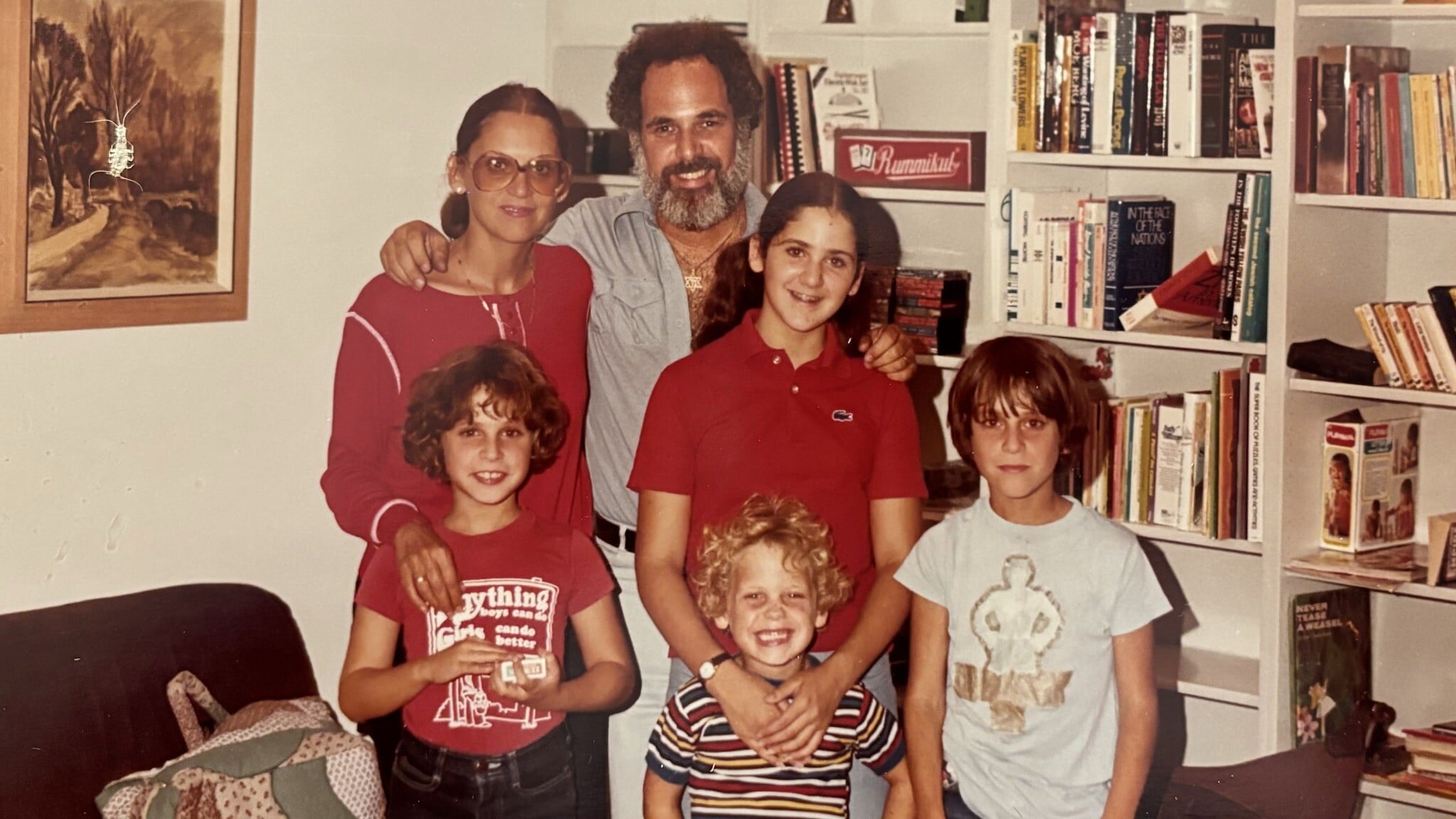
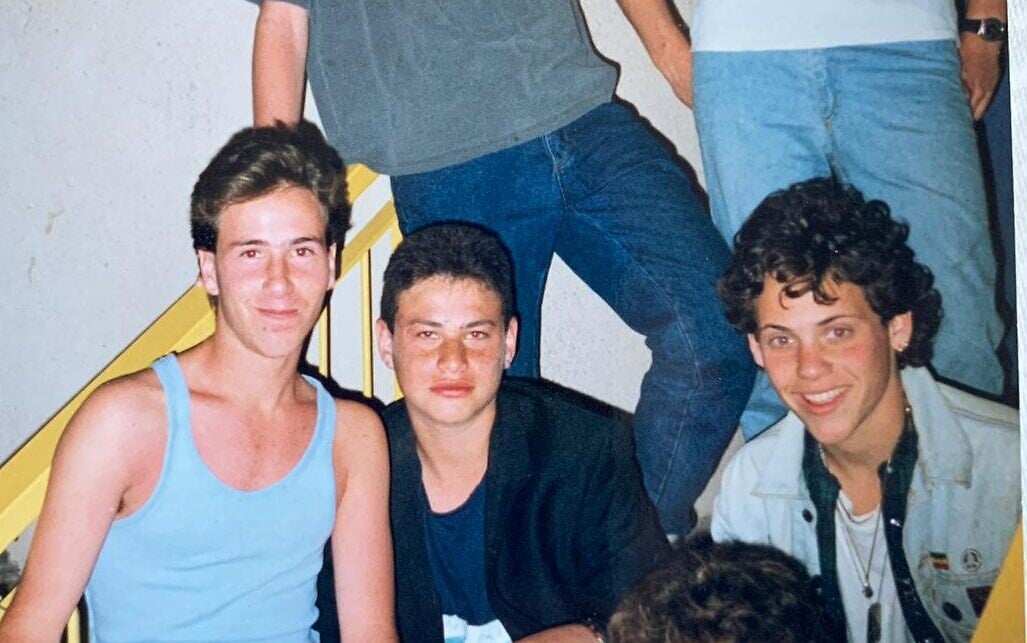
But the Jerusalem he remembers from his teenage years was also exuberant.
“Growing up as a teenager in Jerusalem was magical,” he says. “Just magical.”
There were clubs, bars and concerts. He remembers seeing Jethro Tull, Santana, Dire Straits, Bob Dylan and Tom Petty. There was little reason, he says, for a Jerusalem teenager to head down to Tel Aviv. “The city was thriving. And it was on fire.”
Then came the Second Intifada, which Faudem says “dented the city really, really hard.”
His fascination with film was already well established. As a teenager, he had a membership to the Jerusalem Cinematheque, a gift from his father.
“That’s where everything kind of began and started,” he says.
‘I’m a kamikaze pilot’
Ask Faudem what he does, however, and “documentary filmmaker” is not necessarily his first answer.
“When people ask me what I do, I just kind of directly look at them straight in the eye and I say, ‘I’m a kamikaze pilot,’” he says.
He calls it “Doco-kamikaze.”
Documentary filmmaking, he explains, requires a willingness to throw yourself into projects that may consume months or years and may never actually become films.
“You’re never going to make a living,” Faudem says. “You have to be able to commit suicide for your art.”
Out of 10 projects, he estimates, perhaps one gets made. “You have to love it,” he says. “It has to be so deep inside of you that you have to.”
Documentary filmmaking is his passion. But journalism pays the bills.
For the past 18 years, Faudem has worked as an Israel-based producer for Japanese broadcaster TV Asahi, helping visiting correspondents navigate a country that can be difficult enough for Israelis to explain to themselves, let alone viewers thousands of kilometers away.
He has covered nine elections and six wars.
“They don’t have an office here,” he says. “I’m the office.”
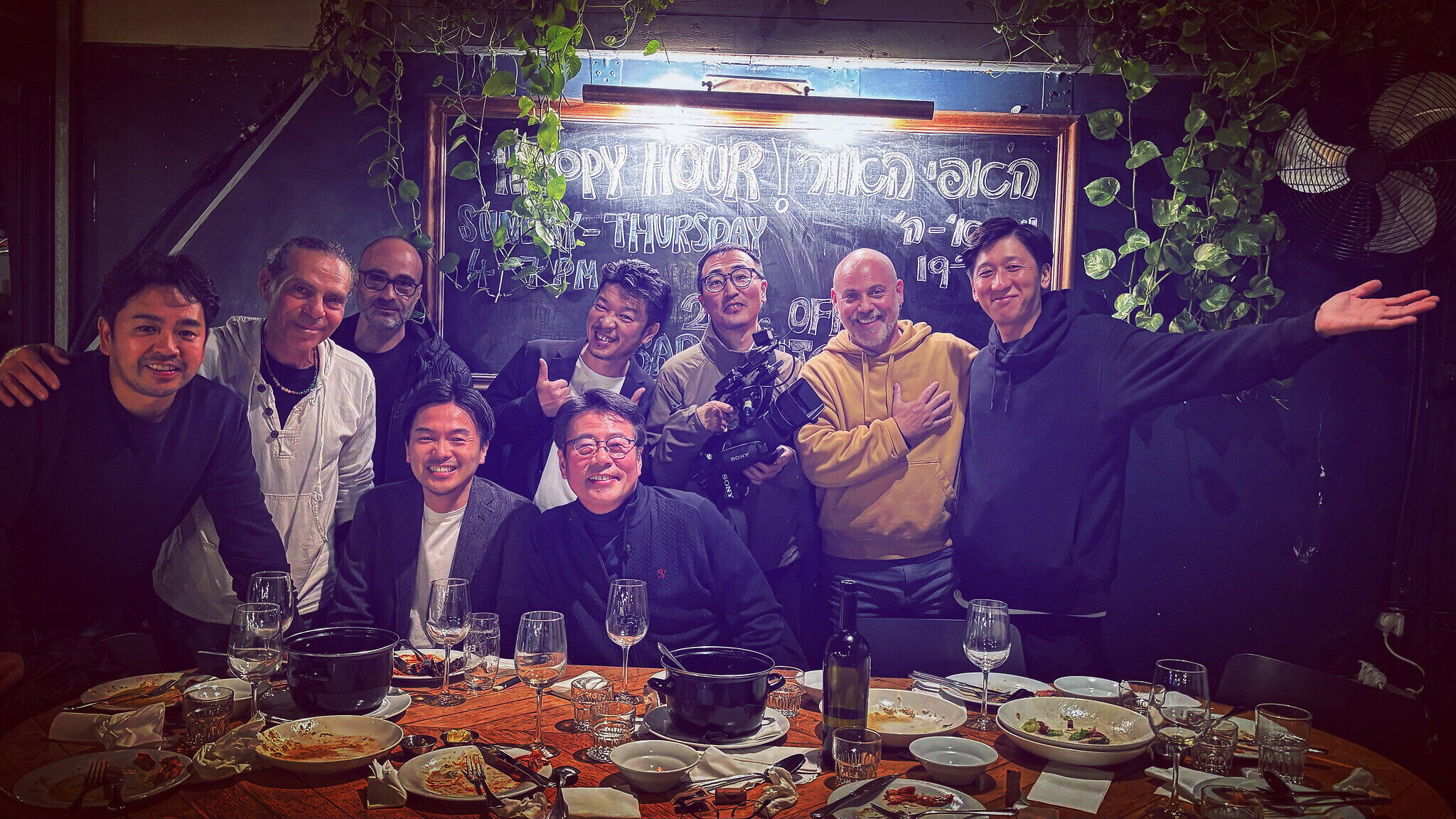
He researches stories, finds interview subjects, translates and takes crews across the country. He also acts as a cultural interpreter, explaining not only Israeli politics and conflict but the small peculiarities of Israeli life.
During the recent war with the Lebanese terror group Hezbollah, Faudem and his Japanese colleagues stayed in a Jerusalem hotel that was also housing hundreds of evacuees from the northern city of Kiryat Shmona.
One Shabbat morning, a correspondent approached him with a mystery.
“I’ve been here for a month and a half,” the correspondent told him, “and every weekend the elevator stops at every floor.”
Faudem suddenly found himself explaining the concept of a Shabbat elevator.
“Go explain to a Japanese person what a Shabbat elevator is,” he laughs today.
On another day, his correspondents came downstairs and discovered a chuppah in the hotel lobby.
They wanted to know what it was.
Faudem began explaining Jewish weddings when a woman approached them.
She was the bride.
After hearing their conversation, she invited the entire Japanese crew to her wedding that evening and arranged four seats for them.
“They were at a Jewish wedding,” Faudem says.
For correspondents accustomed to reporting from around the world, the encounter stayed with them.
“They always tell me that people here are very different,” Faudem says. “They’re very warm.”
‘Since October 7, I don’t get it anymore either’
For years, Faudem understood part of his job as explaining Israel.
Then came October 7, 2023.
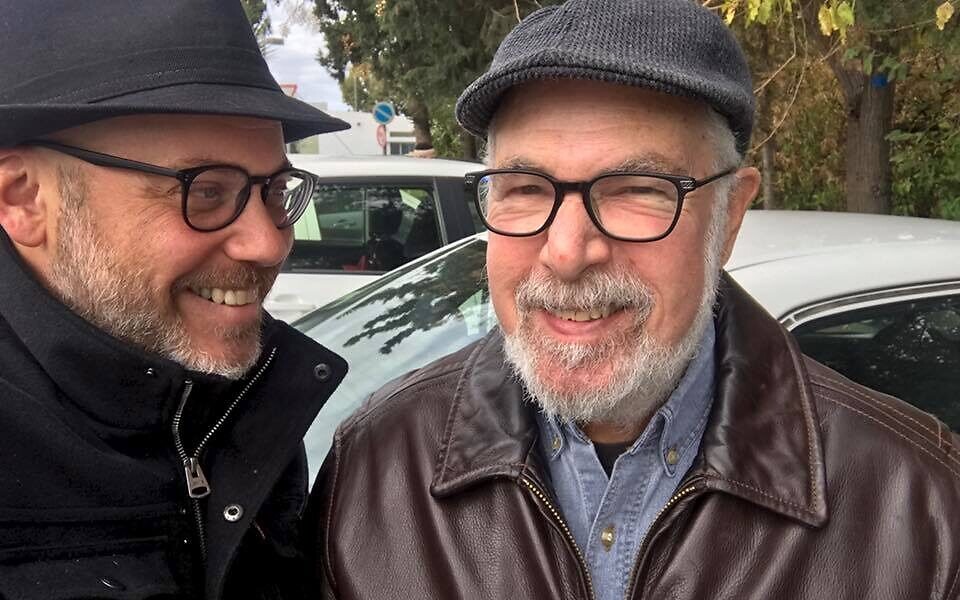
“I find myself explaining Israel to them because they don’t get it,” he says. “And I must tell you something very sad: since October 7, I don’t get it anymore either.”
For the next year, Faudem was constantly working, covering the war in Gaza and along the Lebanese border as Japanese correspondents rotated in and out.
“It was like an assembly line,” he recalls. “But I wasn’t part of the assembly line. I was here… in the field.”
Eventually the crews stopped coming quite so relentlessly.
Faudem suddenly found himself sitting alone in his Jerusalem apartment.
His phone was quiet.
His head wasn’t.
And he began thinking about his friends.
“Where’s Noam? Where’s Inbal? Where’s Avi? Where’s Shai? Where’s Itay? Where’s Lugasi? Where’s Misha?”
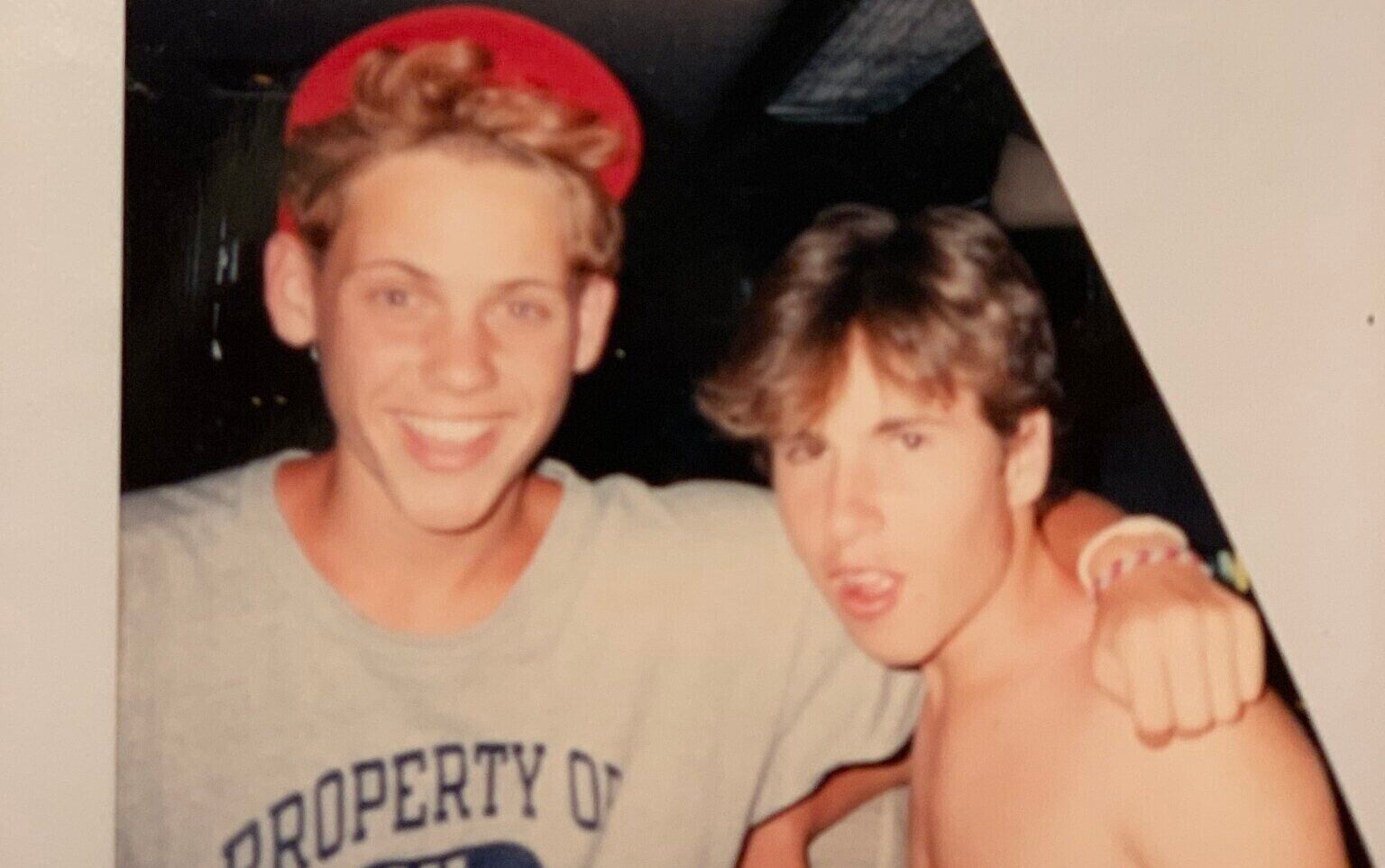
Many had left Israel during the previous five years, even before October 7.
So Faudem did what a “doco-kamikaze” does.
He picked up his camera and bought a ticket to Lisbon.
For the next month and a half, he traveled around Europe filming Israeli friends who had left the country, trying to understand why they had gone and what had happened to the Israel they had once chosen to call home.
“I just started… going all around Europe filming my friends, looking for answers why they left, what happened.”
There was no guarantee the footage would become anything.
“Whatever happens, happens,” he said. “Most of the time, nothing happens. I end up with hard drives of this and that.”
But this time, something did happen.
The story changed.
And for Faudem, that is often the sign that a documentary has found its real subject.
“You start with one idea, but that idea snowballs into something completely different,” he says. “That’s what I love about it.”
Turning the camera around
Producer Yoav Leshem of Beyond Creative helped Faudem recognize what the film had become.
“You’re hiding behind your friends,” Faudem recalls Leshem telling him. “This is your story, Joshua.”
Faudem’s family had immigrated to Israel in the 1980s believing in the future they could build here. Now, more than 40 years later, he finds himself asking what remains of that vision.
At the same time, another generation of the family is moving in the opposite direction from the friends who left: Faudem’s nephew moved from Detroit to Israel and married here. His 85-year-old mother remains firmly rooted in the country.
The documentary therefore isn’t simply about leaving Israel.
Nor, Faudem insists, is it about whether he himself will stay or go.
“It’s really about me trying to understand how I feel about this country and what direction this country is going into,” he says.
For the first time, the filmmaker who built a career observing other people is making something explicitly autobiographical.
“I’ve never really done that, and I never really wanted to,” he says. “But it’s the only way to tell the story.”
The upcoming Israeli election will become one of the film’s central pillars. Faudem plans to document himself working with his Japanese television crew as they cover it.
For years, his role has been to help outsiders understand Israel. Now the camera will capture him trying to do that while struggling with many of the same questions himself.
“Israel is at a junction,” he says.
He wants Japanese viewers to understand that the election is about more than which politician gains or loses voters. For him, the questions encompass Israel’s institutions, education system, judiciary, demographics and ultimately the character of the state itself.
And he has no idea how the documentary will end.
That uncertainty doesn’t frighten him as a filmmaker. It is precisely what draws him to documentaries.
“You don’t have any control,” he says. “The control comes in the editing room when you have to piece everything together and understand what the best way to tell the story is.”
There is something fitting about that uncertainty.
Faudem’s grandfather bought a camera in 1939 because he wanted to document his family. His father filmed his children growing up in Detroit. Faudem took up a camera and eventually documented Israelis in bars, wars, elections, hotel lobbies and moments of profound upheaval.
Now he is using it to document his own family, his own doubts and a country whose ending he cannot yet see.
The old 8 mm camera remains in his Jerusalem home, alongside his late father’s tallit and baseball glove and a photo of Hank Greenberg.
“It’s very dear to me,” Faudem says.
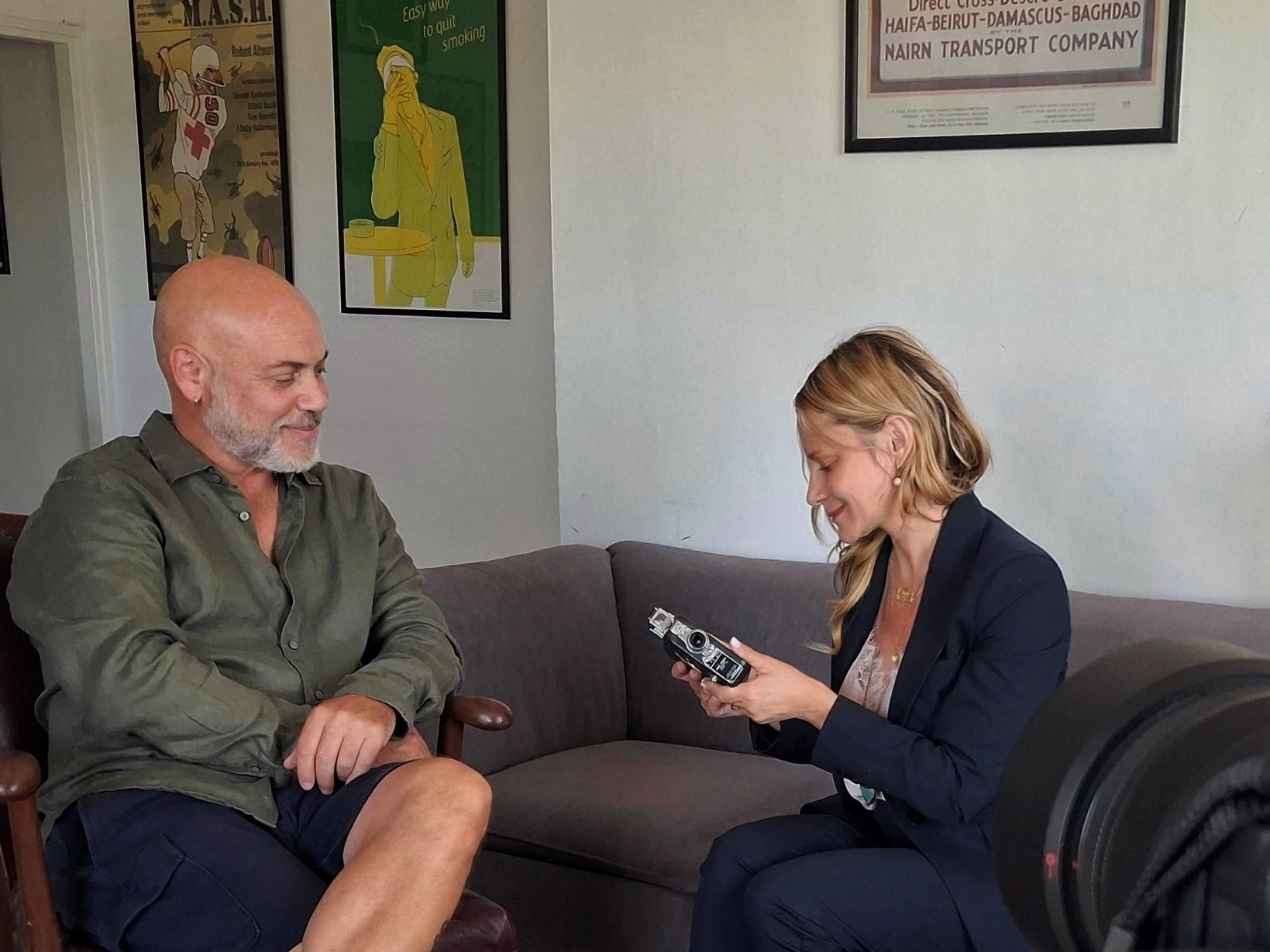
Nearly nine decades after his grandfather first looked through its viewfinder, the impulse remains the same:
Keep the camera rolling.
See what happens.
And figure out what it all means afterward.

The Times of Israel Community.