

Then and now, ‘impudent Jews’ fought perpetrators ‘in a hundred different manners’
As the Jewish state defends itself against Hamas, German historian publishes book on largely forgotten ‘impudent Jews’ who resisted Nazis despite harsh consequences
 Add ToI as a Preferred Source on Google
Reporter at The Times of Israel
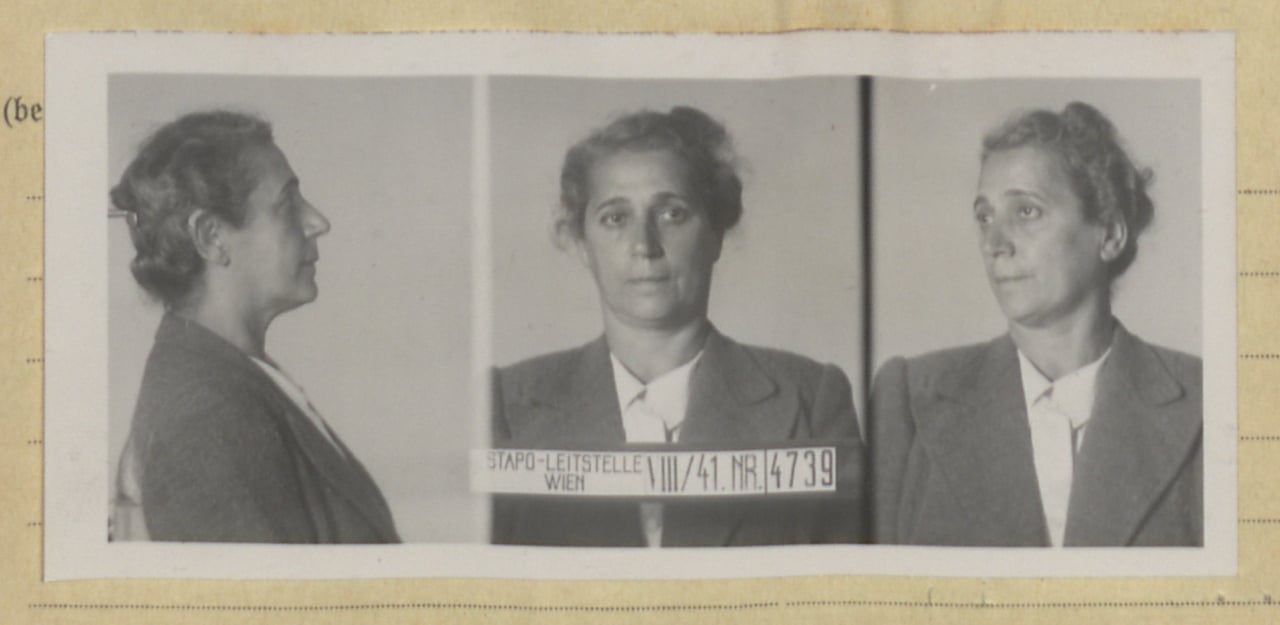
For decades, Israel’s attempts to defend itself have been called “impudent” by critics around the world. This has not changed during the ongoing war in Gaza.
But the “impudent Jew” pejorative emerged decades before the state of Israel. In Imperial and Weimar Germany, the slur was regularly used against Jews in defamation prosecutions.
“Der freche Jude,” loosely translated as “the impudent Jew,” later became a central theme in Nazi propaganda during the 1930s. Later, in keeping with the Nazi regime’s penchant for euphemisms, “impudent Jew” was the offense applied to cards made for 30,000 Jewish men in Germany who were arrested during Kristallnacht and sent to concentration camps.
In his new book, “Resisters: How Ordinary Jews Fought Persecution in Hitler’s Germany,” German historian Wolf Gruner illustrates how Nazi-labelled “impudent Jews” fought back during Hitler’s first six years of power.
“There is a particular trend in Jewish history and memory claiming that Jewish people never resisted, which seems just plain wrong, not at least in light of my research,” Gruner told The Times of Israel.
As with accounts of Israeli resistance during the October 7 Hamas massacres, there was no single profile of which Jews were likely to resist Nazi persecution.
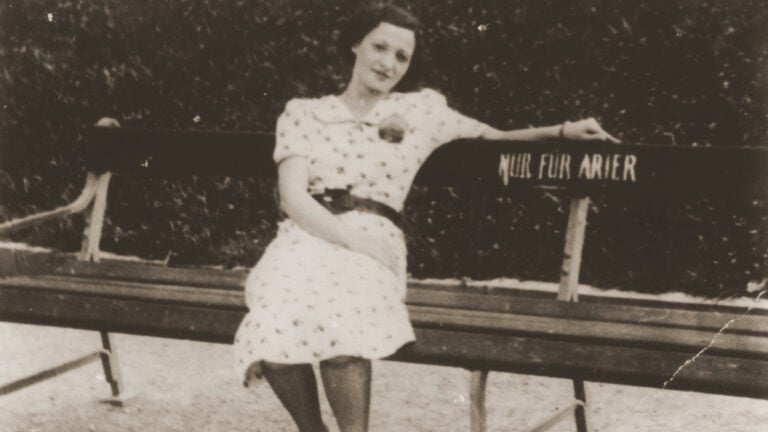
Jews from all backgrounds stood up to the Nazis and paid for it with prison sentences, fines and public humiliation, Gruner said.
“My research demonstrates with many examples that women and men of all ages, from 16-year-olds to over 70-year-olds, resisted the Nazi regime and their anti-Jewish persecution in different ways; they were poor and wealthy, uneducated and with academic degrees,” said Gruner, who was interviewed before October 7.
The day after 1938’s “The Night of Broken Glass” pogrom in Germany and Austria, for example, teenager Daisy Gronowski was ordered to run through a gauntlet of German teens while they beat her friends with clubs.
Instead of running through the gauntlet as ordered, the 16-year-old Gronowski chose to walk. For her impudence, she was taken aside by a young Nazi armed with a rusty pocket knife.
As the German attempted to cut into Gronowski’s arm with his knife, she recalled a “little trick” from training she’d undergone with the Hashomer Hatzair youth movement in Berlin.
“Daisy moved forward and pushed her head hard into his stomach,” wrote Gruner. “Taking advantage of the assailant’s surprise, she twisted the knife out of his hand and stabbed him.”
Gronowski managed to hide her perpetrator’s seriously injured body under furniture and flee the scene, as recorded by Gruner, founding director of the USC Shoah Foundation’s Center for Advanced Genocide Research.
Gronowski’s reaction to being swarmed by perpetrators evokes the image of Yaffa Adar, 85, who was kidnapped by Hamas terrorists on October 7. The photo of Adar’s calm dignity while surrounded by armed men on a golf cart went viral almost immediately.
The notion of telling Holocaust history through testimony is relatively new, said Gruner. This contrasts sharply with media coverage of the October 7 massacres and the ensuing Israel-Hamas war, much of which revolves around testimony from individual victims, heroes, perpetrators, survivors and eyewitnesses.
In Gruner’s book, many Jews in Nazi Germany were arrested for “hostility to the state,” while some were brought in on charges of “race defilement,” or mixed relations between Jews and non-Jews.
‘Jewish passivity’

For decades, Holocaust researchers have stuck to preeminent Israeli scholar Yehuda Bauer’s definition of resistance, which is based on group activities, said Gruner.
In Bauer’s research, resistance included ghetto uprisings and death camp revolts.
Gruner decided to take a different path, however, by “honoring a wide range of Jewish acts of contestation, whether successful or unsuccessful, including protesting in public and breaking anti-Jewish rules,” he wrote.
Jewish women in particular, said Gruner, have been understudied and underrepresented in accounts of resistance to the Nazis.
“My book clearly proves that many Jewish women disobeyed the regime, protested against persecution and defended themselves in the very same manner as men,” said Gruner.
On October 7, women in the Israeli army’s Caracal Battalion fought tank battles against Hamas terrorists for 17 hours, killing 50 of them.
Whether examining the acts of individuals who fought back on October 7 or attempting to understand individual Jewish responses during the Holocaust, resistance is not easily measured.
“We were besieged in a hundred different manners, and therefore we fought back in a hundred different manners,” said Holocaust survivor Rabbi Max Nussbaum.
According to Gruner, the Jewish passivity myth helped Europe’s non-Jews exonerate themselves for not resisting the Germans themselves.
In other words, “the supposed lack of resistance of the Jews quasi-legitimized the lack of anti-Nazi resistance in general,” said Gruner.
These “widespread acts of individual Jewish resistance need to be integrated into their whole variety into our standard narrative of the Holocaust,” said Gruner.
The Jewish resisters researched by Gruner prove that Jews in Nazi Germany “could resist against one of the most terrifying regimes, often without resources or other means,” said Gruner.
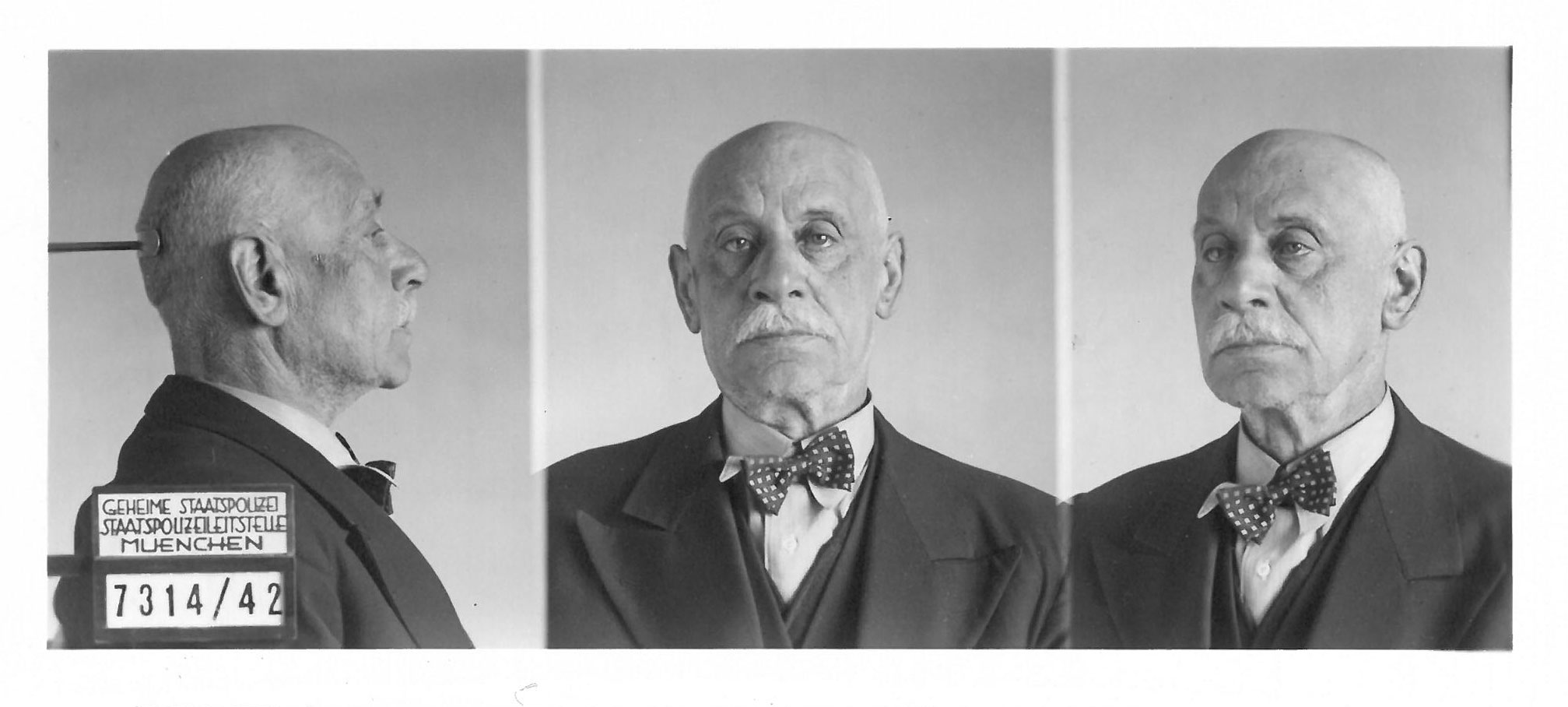
“Everybody in any society has not only the ability but the responsibility to resist against authoritarianism and racial and ethnic discrimination,” wrote Gruner.
Gruner said he came across several surprises in the archives.
“In the same court and police sources that revealed the many and widespread resistance acts of individual Jews, [there were examples of] non-Jewish German protest against the persecution of the Jews, an aspect which I left out of the book,” said Gruner.
“Many non-Jewish Germans, men and women, were punished by the Nazi courts for their solidarity and courage with prison sentences for their protest,” said Gruner.
Gruner’s book is both a study and memorial for Jews who resisted the Nazis, he said, including those who “cannot be acknowledged because they were never discovered, did not leave traces in the archives, were kept under a veil of silence, or because they perished during the Shoah.”
“In telling their stories, this book commemorates their agency and dignity,” said Gruner.
Resisters: How Ordinary Jews Fought Persecution in Hitler’s Germany by Wolf Gruner
This article contains affiliate links. If you use these links to buy something, The Times of Israel may earn a commission at no additional cost to you.









The Times of Israel Community.