

Penn Jewish groups ‘concerned’ as feds seek info on Jews for antisemitism probe
While they welcome investigation, organizations say ‘privacy, consent and safety of Jewish students, staff and faculty cannot be compromised’
 Add ToI as a Preferred Source on Google
Luke Tress is The Times of Israel's New York correspondent.
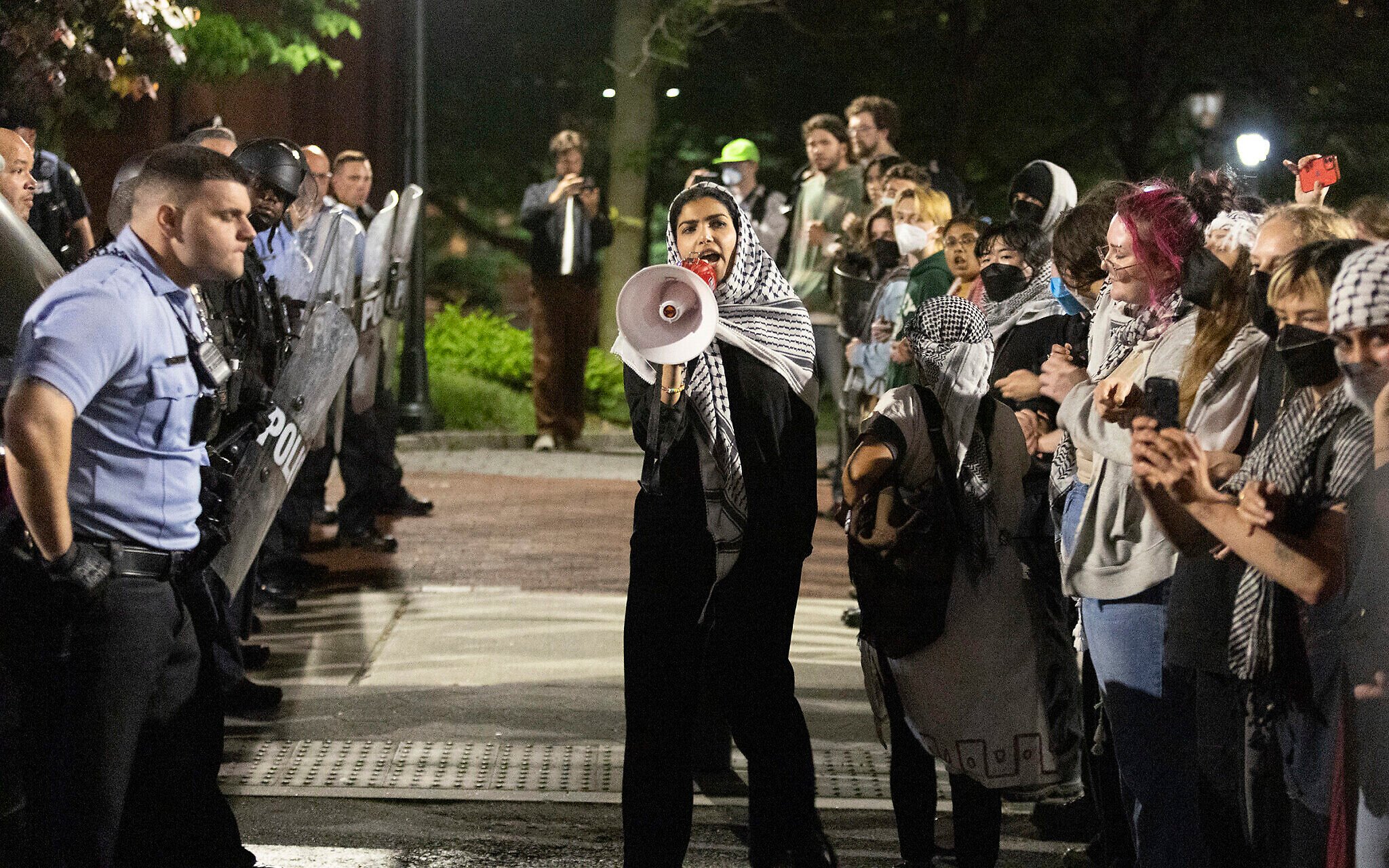
Jewish groups at the University of Pennsylvania have expressed concern after federal authorities pressed the university in recent days to provide personal information about Jewish staffers in an investigation meant to combat antisemitism on campus.
The dispute highlighted the tensions among Jews surrounding the US government’s efforts to combat campus discrimination, as Jewish groups support reining in discrimination, but fret about the perceived infringement on civil liberties in the investigations.
The federal Equal Employment Opportunity Commission (EEOC) sued Penn’s trustees last week, claiming that the university had refused to comply with a subpoena as part of an investigation into antisemitism at the university.
The EEOC began investigating the university in December 2023 for allegedly allowing discrimination against Jewish employees, including by fostering a hostile work environment in violation of federal law. The federal agency asked the university for the contact information of Jewish staffers and the university refused to comply, court filings said.
The EEOC said it needs the contact information “so that it could determine whether and to what extent employees may have been subjected to a hostile work environment.”
Some of the campus incidents cited in the filings included an individual shouting “antisemitic obscenities” and damaging the Hillel Jewish campus group’s building; a swastika painted on an academic building; “hateful graffiti”; Penn staffers receiving “disturbing antisemitic emails” with violent threats; antisemitic messages projected onto campus buildings; and rallies that glorified Hamas atrocities.
The university’s refusal to turn over the information has hampered the investigation, the filings said.
“Identification of those who have witnessed and/or been subjected to the environment is essential for determining whether the work environment was both objectively and subjectively hostile,” the lawsuit said.
The lawsuit alleges violations of Title VII of the Civil Rights Act of 1964, which prohibits employment discrimination.

The agency asked the university to turn over complaints about antisemitism from employees, including the names of the those filing the complaints; a list of all Jewish organizations with the identity of a contact person for each group and a roster of its members; the names of employees in the Jewish Studies program; the identity of employees who testified to an antisemitism task force; and a list of staffers who received an antisemitism survey from the task force.
The university only provided three complaints that did not include the identity of the complainants, out of its workforce of 20,000 employees, citing confidentiality.
The two Jewish groups at Penn, Hillel and MEOR, issued a joint statement pushing back against the subpoenas.
“We support serious efforts to address antisemitism on campus, and we recognize and appreciate the EEOC’s concern for civil rights,” the groups said in a joint statement. “At the same time, we are deeply concerned that the EEOC is now seeking lists of individuals identified as Jewish.”
“Across history, the compelled cataloging of Jews has been a source of profound danger, and the collection of Jews’ private information carries echoes of the very patterns that made Jewish communities vulnerable for centuries,” the statement said.
The statement voiced support for the university’s compromise — informing employees about the investigation and offering for them to contact the investigators directly.
“We welcome and support accountability and transparency in addressing antisemitism on campus. But the privacy, consent and safety of Jewish students, staff and faculty cannot be compromised,” the two groups said.
The Trump administration has cracked down on alleged antisemitism on campuses, particularly at elite universities like Penn.
Jewish students have reported widespread discrimination on campuses, but the administration’s aggressive approach has alarmed many Jews, who worry that the tactics erode civil protections in the US that have helped Jews and other minorities.








The Times of Israel Community.