 Add ToI as a Preferred Source on Google
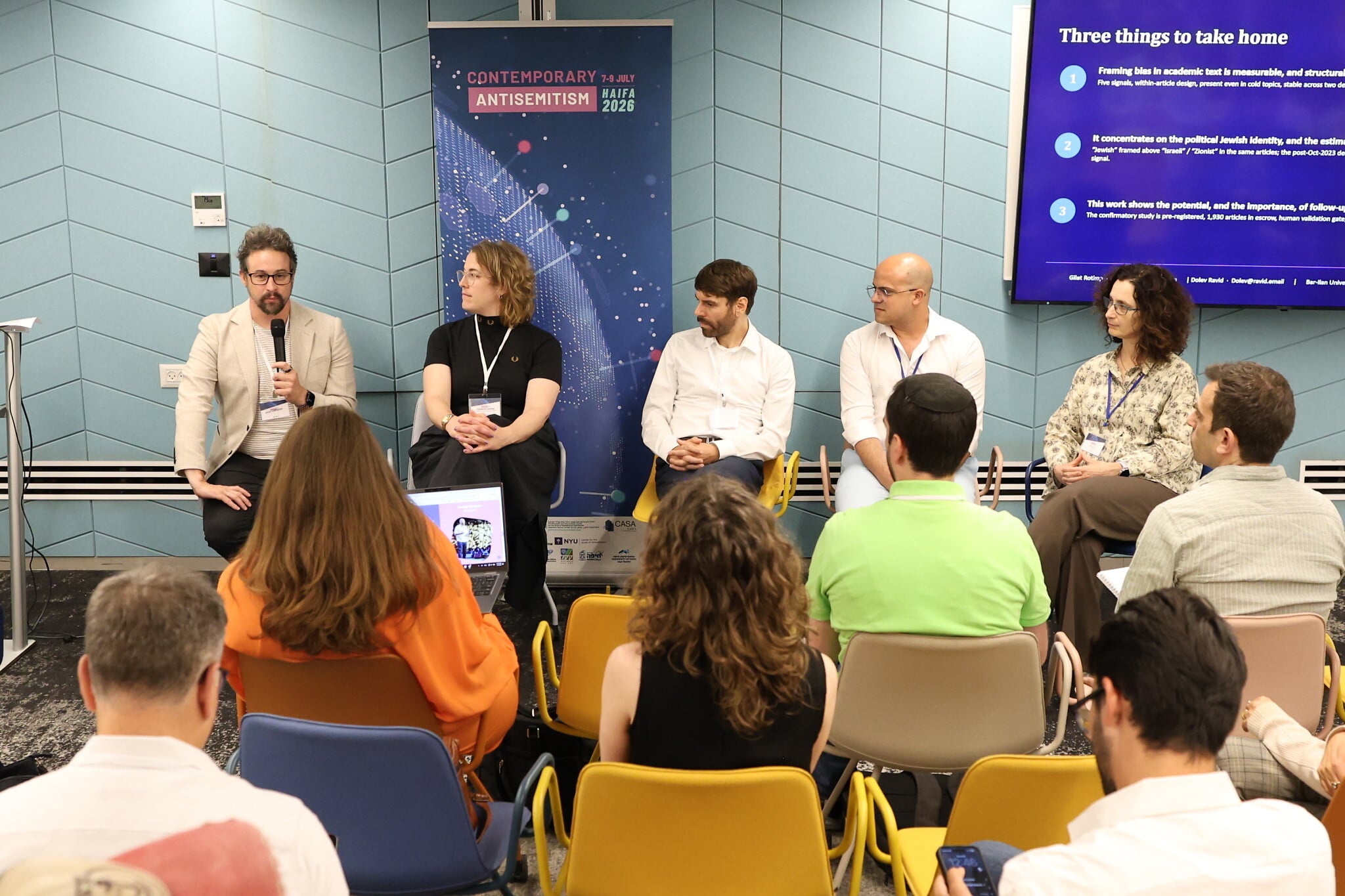
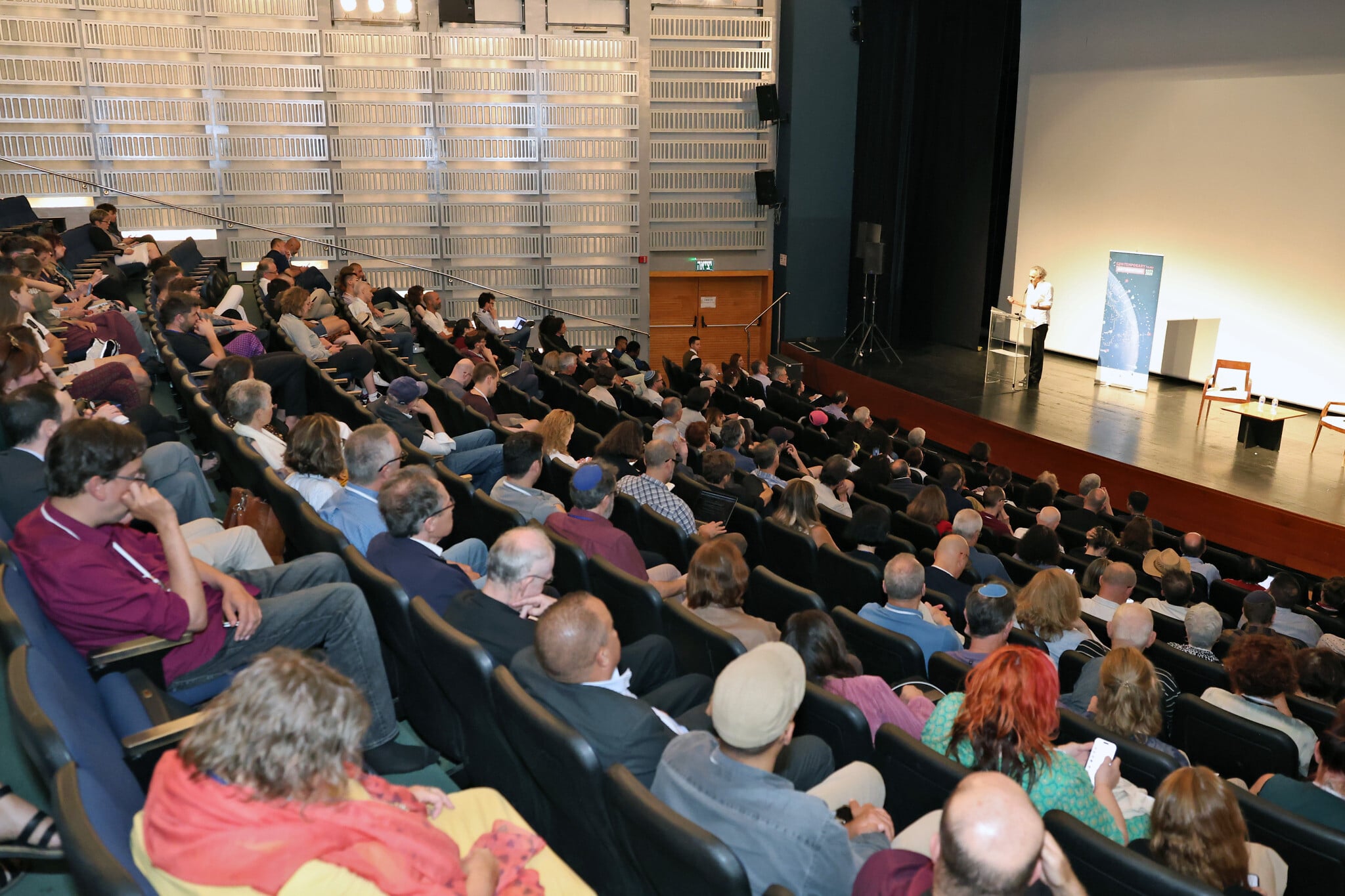
For many of the international academics visiting Haifa University earlier this month, the chance to network with others in their field was a rare opportunity.
Scholars said the conference on Contemporary Antisemitism, which ran from July 7-9, gave them a sense of kinship and support (made all the better by the sweeping views of the Mediterranean coast from the top of Mount Carmel), even as many in academia would prefer to ignore or deny the problem of antisemitism.
Some said they have been on the receiving end of anti-Jewish and anti-Israel harassment, which has skyrocketed on university campuses since Hamas launched its war against Israel on October 7, 2023. Others have had their work dismissed because academics regard antisemitism studies as a “soft” field, or because people are afraid of the political sensitivities, said one of the conference’s organizers, Jacob Dallal, who serves as the managing director of the Comper Center for the Study of Antisemitism and Racism at the University of Haifa.
Organizers also launched the Contemporary Antisemitism Studies Association (CASA), an international academic initiative dedicated to advancing scholarship on contemporary antisemitism and building a professional network for scholars studying the subject.
The Times of Israel went to hear some of the field’s leading thinkers exchange ideas about the anti-Jewish hatred that has exploded across the world over the last three years.
“This is a dangerous conference in many ways, and I think people are here to talk about ideas that are sometimes taboo in academic settings,” said Sara Hirschhorn, a senior researcher at the Comper Center, who helped organize the event. “There are plenty of academic conferences on medieval antisemitism or the Holocaust, but when it comes to contemporary antisemitism, there is a lot that you usually aren’t allowed to say out loud.”
There have been many new and compelling thoughts about antisemitism as it spikes globally, including horseshoe theory, calls for rethinking Jewish education and coalition building, analyses of the anti-Zionism paradigm, fears of Muslim influence, and an examination of post-Holocaust guilt.
However, some researchers expressed concerns that scholars were just “spinning their wheels.”
“We’re all working really hard to fight antisemitism here and save the Jews,” said Dov Maimon, a senior fellow at the Jewish People Policy Institute. “But I’m not sure we’re actually succeeding or making much of a difference.”
Follow the money trail
Bar-Ilan University political scientist Gerald Steinberg, founder of watchdog group NGO Monitor, estimates that about 80 percent of the antisemitism being experienced around the world is the product of heavily funded campaigns organized by anti-Israel institutions. Steinberg said that his research on funding networks shows that relatively little of it actually originates from individuals.
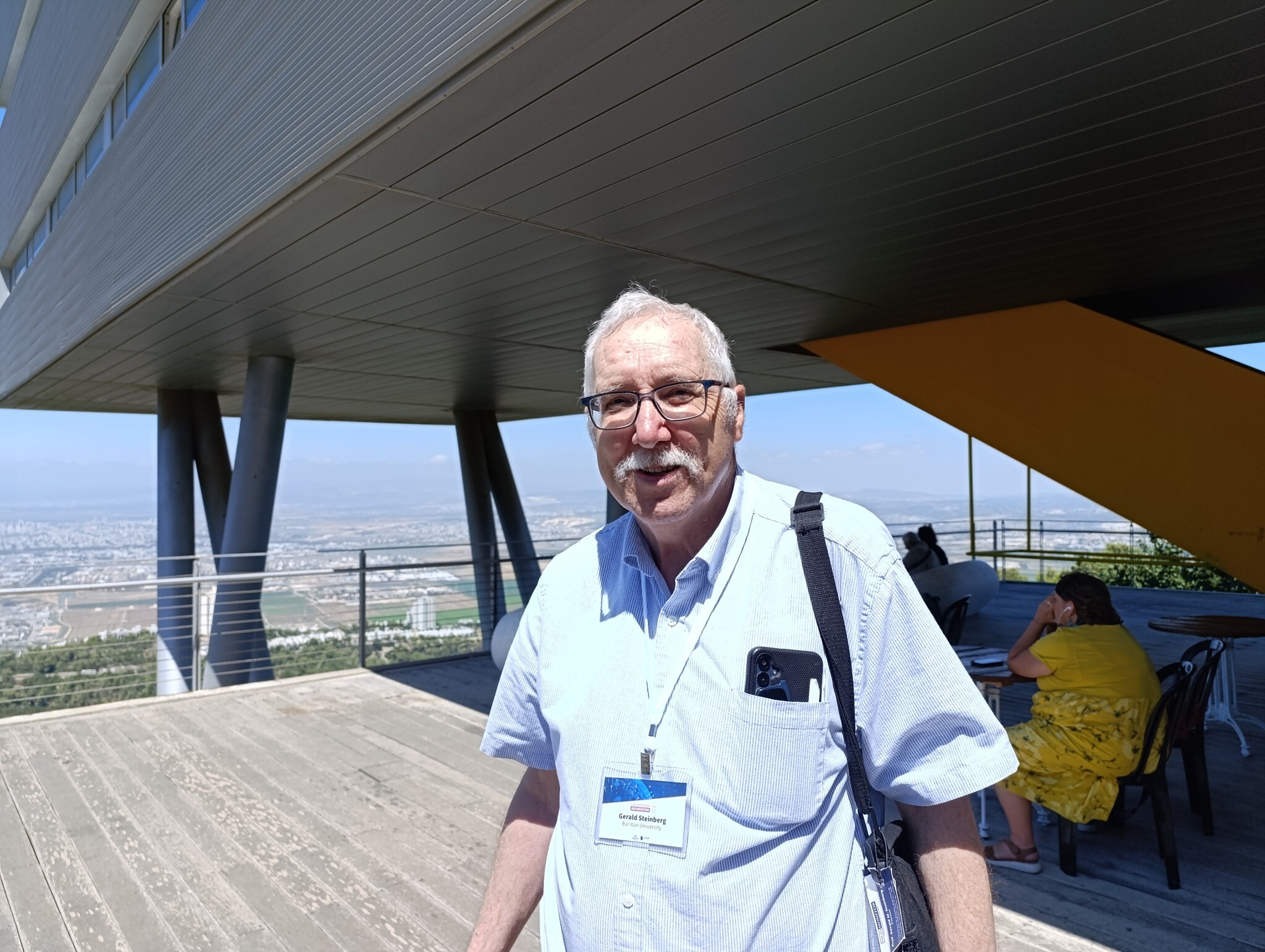
“Behind all those ideas out there is always a large amount of money,” he said. “These actions against Jews after October 7 weren’t spontaneous. They were all carefully prepared using a playbook that has evolved over at least the past two decades.”
Steinberg pointed fingers at a wide range of international organizations, ranging from NGOs to United Nations bodies. He singled out Human Rights Watch, Amnesty International and Doctors Without Borders for what he called a coordinated push in December 2024 to brand Israel’s actions in Gaza as a genocide.
“In a period of two and a half weeks, these three massive organizations all came out with big reports and large media campaigns proclaiming that Israel was committing genocide in Gaza,” he said. “These reports look very detailed and scientific, with lots of footnotes, but they are all bogus.”
The organizations have rejected accusations that their criticism of Israel is antisemitic.
Meanwhile, university groups like Students for Justice in Palestine are well-funded operations employing many career activists running “mob violence encampments” on more than 200 campuses around the US, Steinberg said. And in the UN, Special Rapporteur on the Occupied Palestinian Territories Francesca Albanese uses funds at her disposal to support ideological views hostile to Israel, he said.
The money trail, which Steinberg has spent much of his career tracking, leads to a mix of Gulf states and anti-Western foundations and institutions, he said.
For SJP and other campus networks, funding probably comes from Qatar and other Muslim states, but “it’s very difficult to track,” Steinberg said.
In the US, the Ford Foundation, George Soros’s Open Society Foundations and the Rockefeller Brothers Fund are among the leading sources of funding for “anti-Western, anti-capitalist NGOs and political movements,” he said.
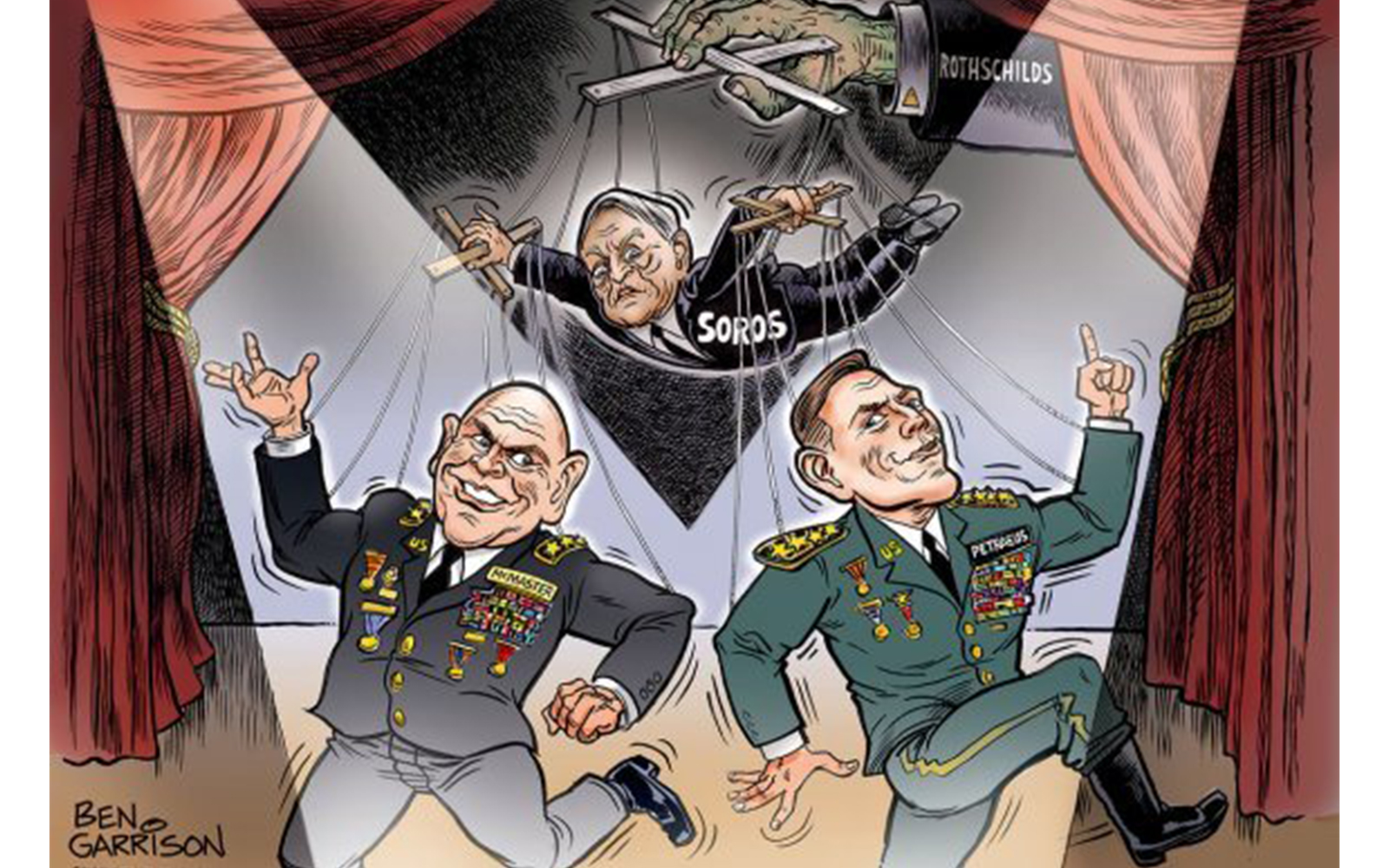
Within their ideological framework, which casts the West as inherently oppressive and non-Western groups as automatic victims, “Israel is the spear aimed at the heartland of the victims of Western imperialism,” he added.
These institutions use their vast resources to bring unfounded allegations that Israel is committing genocide to the top of news headlines and make demonizing Israel a dominant theme in the academic world, Steinberg said. Most of the students and activists are unaware of this organizational influence, he added.
“Students think they are promoting a moral, ethical cause, but what they are really doing is promoting the hate, demonization, and antisemitism that is funding all of their posters and rallies,” he said.
The end of French Jewry?
Maimon, the senior JPPI fellow and expert on French Jewry, believes he has identified the date when pogroms will break out against the Jews of France: May 2027.
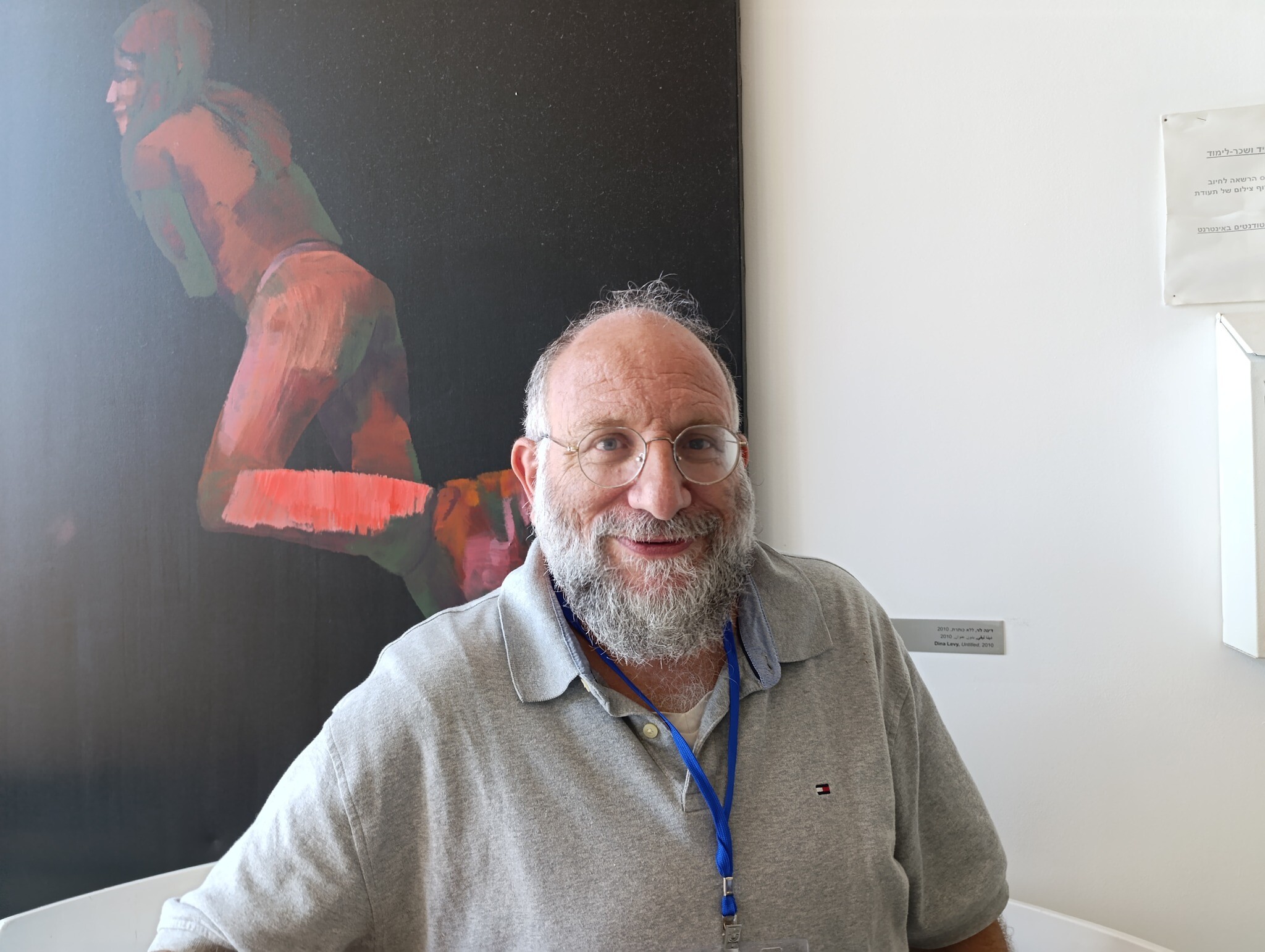
It’s a prediction he bases on political trends, not any specific intelligence. But the author of the French-language book “The End of French Jewry” believes demographic shifts in the country and growing radicalization among segments of its Muslim population have put the country’s 400,000-strong Jewish population in a worse position than appears on the surface.
According to Maimon’s research, official figures significantly undercount France’s Muslim population. While it is commonly believed that about 5-6 million of the country’s 69 million people identify as Muslim, Maimon says statistics on birth names, halal food sales, and surveys of religious practice indicate that the real number is closer to 9-12 million, and growing quickly.
Of these, about 28%, or 3.5 million, embrace Islamist political ideas that are antithetical to Western values, Maimon said, adding, “among young people, it’s even higher.”
Tensions in the country are going to bubble over ahead of the country’s presidential election next April, Maimon said. If the far-right bloc led by Marine Le Pen wins in a run-off in early May, as expected, Islamists and others are going to “take to the streets,” he predicted.
“To them, it’s legitimate and moral to fight against what they see as fascism,” Maimon said. “There will be riots, and the Jews will be the first targets.”

Even if that scenario doesn’t materialize, the future doesn’t look promising for the Jewish community, Maimon said. Changing demographics will eventually lead the country to one of the three scenarios — “submission” to political Islam, a nationalist “reconquista” (reclaiming of European identity from Muslim influence), or a civil war — and “none of these are good for the Jews,” he said.
While Jewish life in Paris today appears vibrant, with hundreds of kosher restaurants and religious institutions, “the sustainability of a community is not dependent on the intensity of its Jewish life, as we saw clearly with pre-war communities in Poland in 1939,” Maimon said. “What is important is whether the central government is going to protect you from the people who don’t like you. And people across the board have made it clear that they won’t be able to do that.”
Antisemitism for feminists
Antisemitism has long been a pernicious influence in many spheres, including, some say, the feminist movement. Now, anti-Israel elements are on the verge of setting back women’s rights activism for years to come, said Kara Jesella, author of the controversial new book, “Feminist Antisemitism: An Intellectual History.”
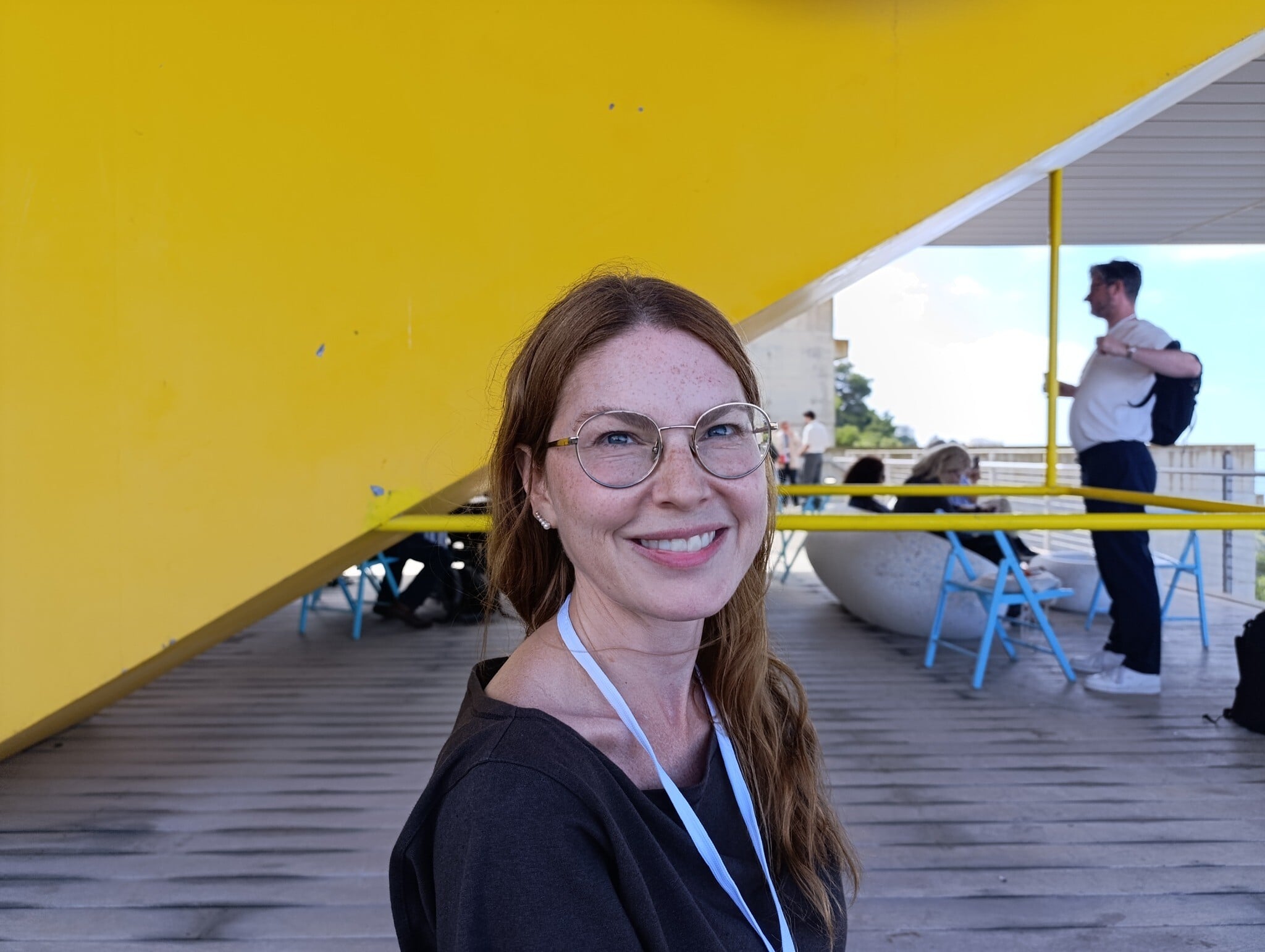
Jesella argued that ideas about Jews as part of a privileged patriarchy were present from the American movement’s earliest years and resurfaced following the sexual violence committed by Hamas during its October 7, 2023, attacks.
“That’s a shocking idea to a lot of people, because many prominent feminist leaders, such as Betty Friedan and Gloria Steinem, were Jewish,” Jesella said.
Over time, Jesella argued, anti-Jewish attitudes became embedded in some parts of feminist theory through concepts such as whiteness studies, intersectionality, and queer anti-Zionism, which contributed to viewing Israelis as privileged “whites.”
Currents of modern “woke” culture were present “almost from the beginning, with Friedan’s 1963 book ‘The Feminine Mystique’ getting pushback from socialist feminists, radical women of color, and radical Black feminists,” she noted.
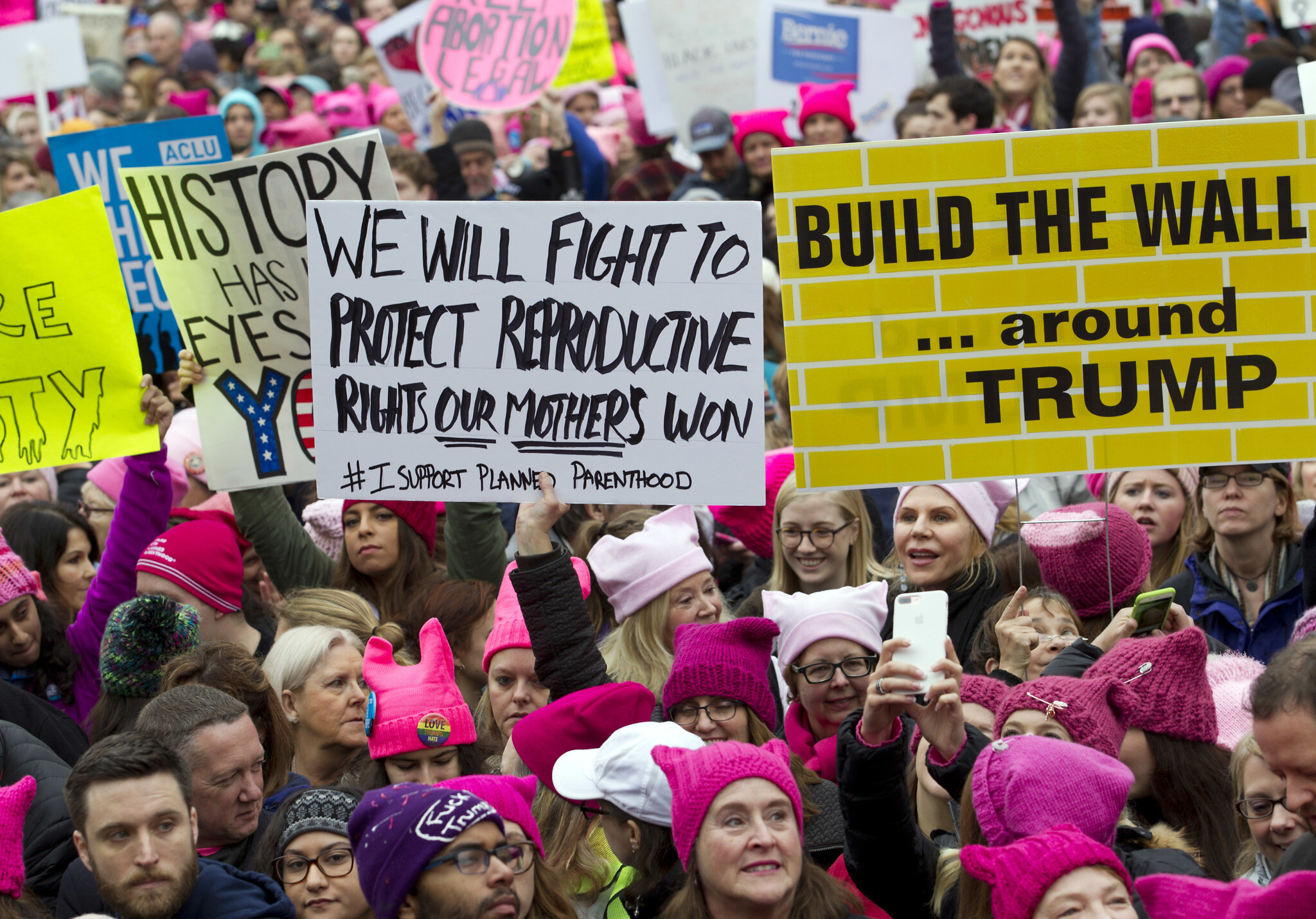
Thus, while much of the #MeToo movement of recent years emphasized the importance of believing women who report sexual assault, some circles of feminist activists and scholars questioned or minimized the sexual violence committed by Hamas, despite extensive evidence and documentation.
(In a keynote speech at the conference, Cochav Elkayam-Levy, a legal scholar who has worked extensively to document the atrocities, said widespread efforts to deny or undermine the credibility of victims’ testimony and evidence represent a “crisis of truth.”)
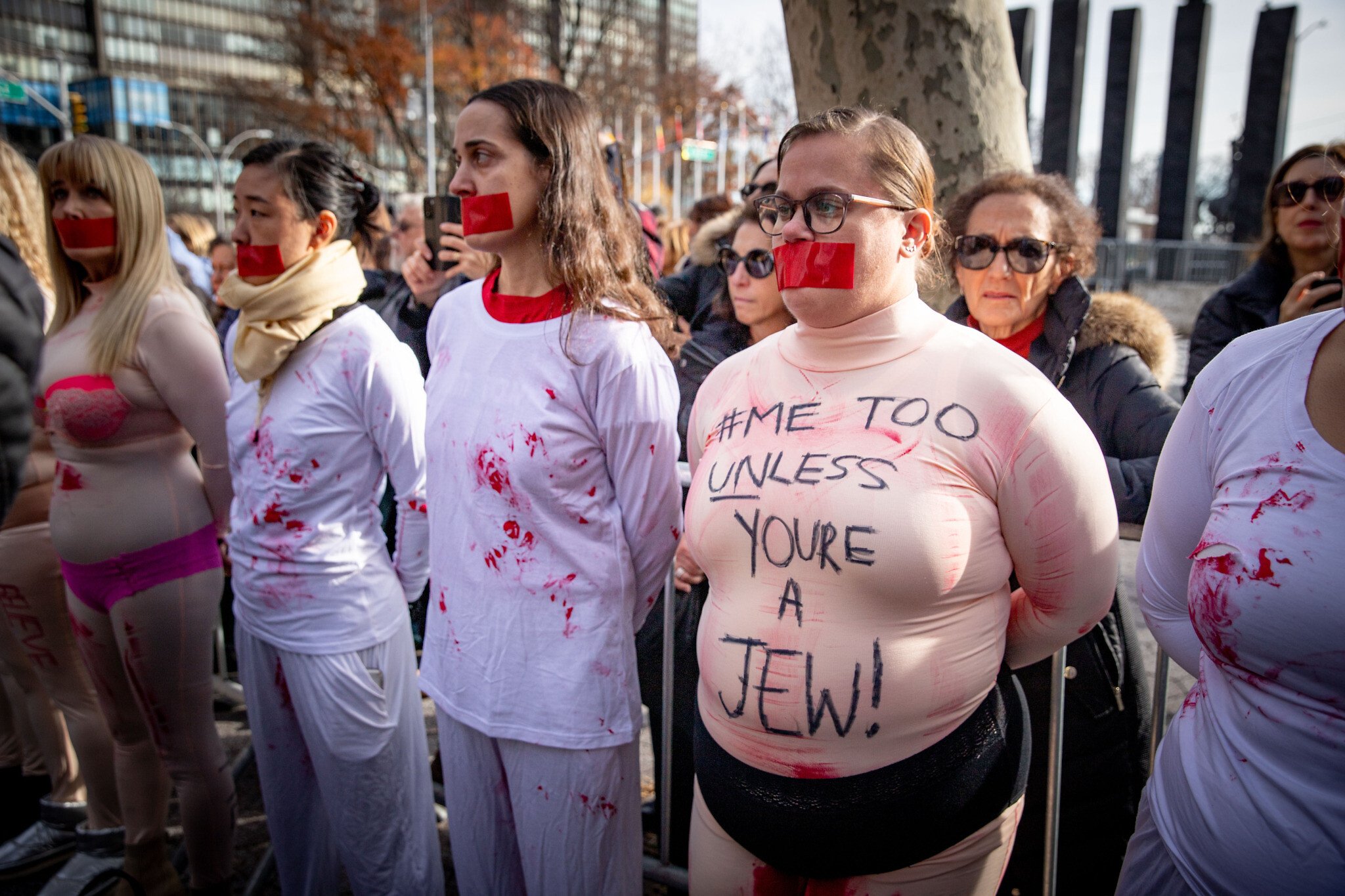
“They believe that calling out rape will hurt ‘communities of color’ like the Palestinians, and protecting them is more important than addressing the experiences of Israeli women,” Jesella said. “When these people say they’re not sure [the rapes] happened, what they really mean is they don’t care if it happened.”
But Jesella warned that dismissing Israeli women’s rape allegations risks undermining decades of feminist advocacy against sexual violence.
“I think that a lot of these decisions are going to have long-term consequences for victims of sexual violence,” she said. “They set precedents that are going to hurt the very women that they are supposed to be supporting.”
Learn from refuseniks
The “new antisemitism” spreading through Western institutions is anything but new, says Izabella Tabarovsky, a senior researcher at the Comper Center for the Study of Antisemitism and Racism at Haifa University.
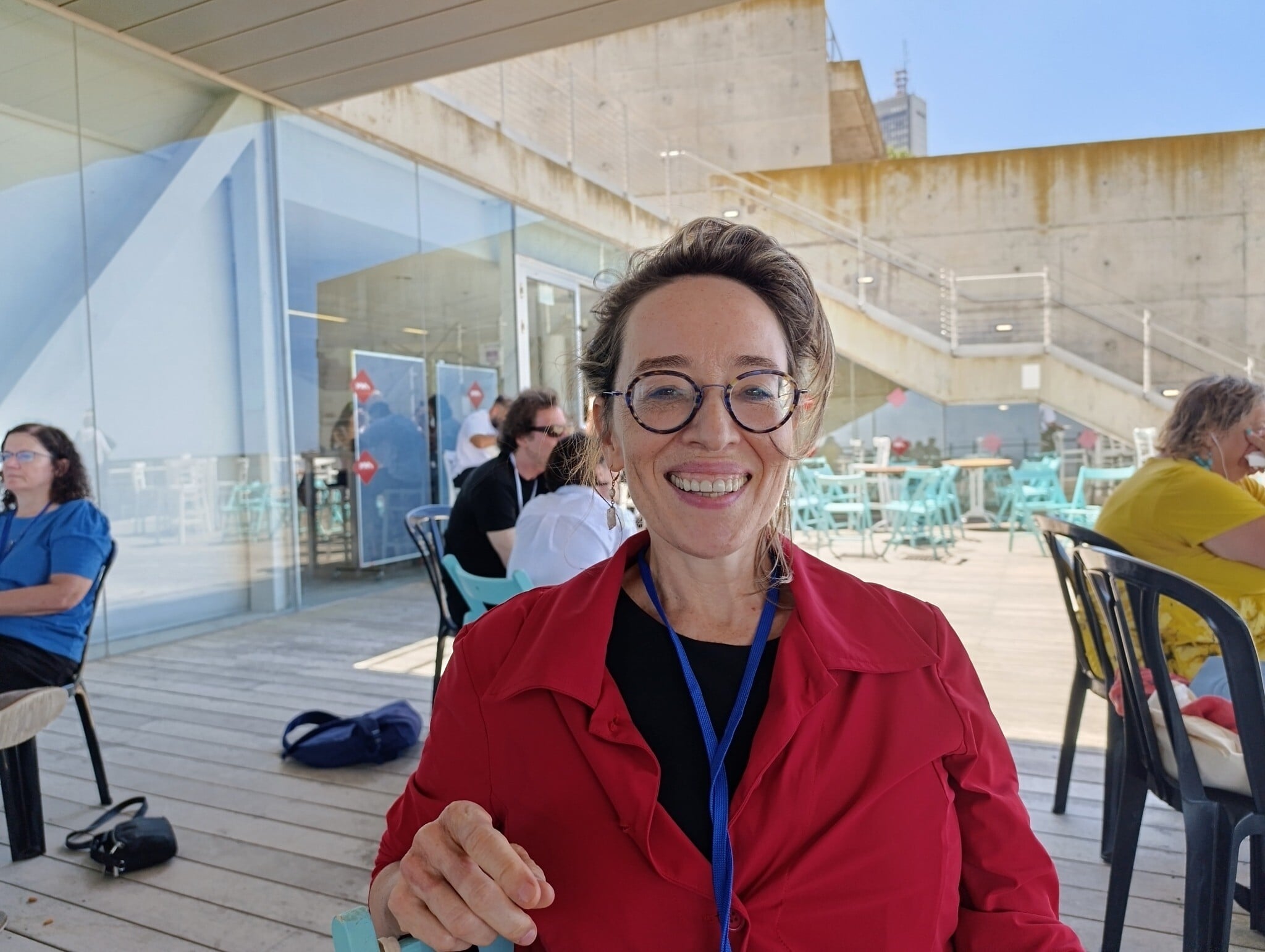
“The whole movement already existed in the Soviet Union from 1967 until the USSR fell apart,” she said. “It wasn’t today’s chants of ‘Free, free Palestine,’ but they were equating Zionism with racism, colonialism, apartheid, genocide, imperialism, and fascism. It was all there.”
Soviet anti-Zionism, which evolved from early Bolshevik hostility to Stalin’s conspiracist propaganda, systematically recast Zionism as a collection of political sins, Tabarovsky said, creating a movement that snowballed into marginalization, hatred, violence, and exclusion from academic and professional fields.
“I know it’s late to be predicting now, but I’ve been saying for years that American Jews will face the same things,” she said.
To fight back, Tabarovsky said, young Jews should learn from the playbook of the refuseniks, the Soviet Jews who protested communism and ultimately helped hasten the downfall of the Soviet Bloc. Her book, “Be a Refusenik: A Jewish Student’s Survival Guide,” juxtaposes stories of Russian Jewish leaders with those of Jewish students leading campus movements today.
“Jews do best when they reclaim their Zionism while their environment tells them to give it up,” Tabarovsky said. “If you just do what your hostile environment asks of you, there will be more and more demands, and whatever you do will never be enough.”
An open letter written by Jewish Columbia University students during the 2024 encampments maps “incredibly accurately” to a 1969 refusenik essay in which the author proclaims his refusal to denounce previous statements about Israel and Zionism, despite immense pressure from what feels like the entire country, Tabarovsky noted.
Tabarovsky urged Jewish students to educate themselves about Israel, develop partnerships with other “comrades in arms,” and to “do the unexpected” in public protests.
“I’m not saying you should hijack a plane [as was attempted in Leningrad in 1970], but you need to find a way to make your message public.”
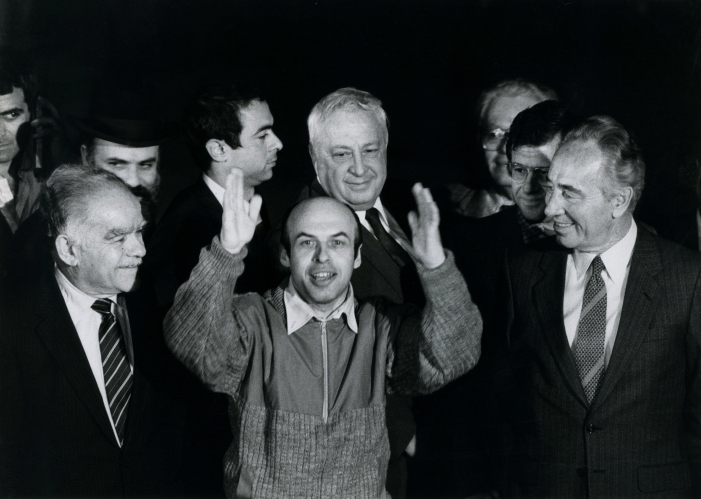
Finally, Tabarovsky said, Jews need to avoid defining themselves around a “victimhood mentality,” deepening Jewish identity instead of retreating from it. She quoted a message she heard from former refusenik leader Natan Sharansky: “It was only when I discovered my identity that I found the strength to fight for my own freedom and the freedom of others.”
The AI problem
For David Barak-Gorodetsky, head of the Comper Center and director of Haifa University’s Ruderman Program for American-Jewish Studies, the most significant forces reshaping the landscape in the fight against Jew-hatred are new technologies.
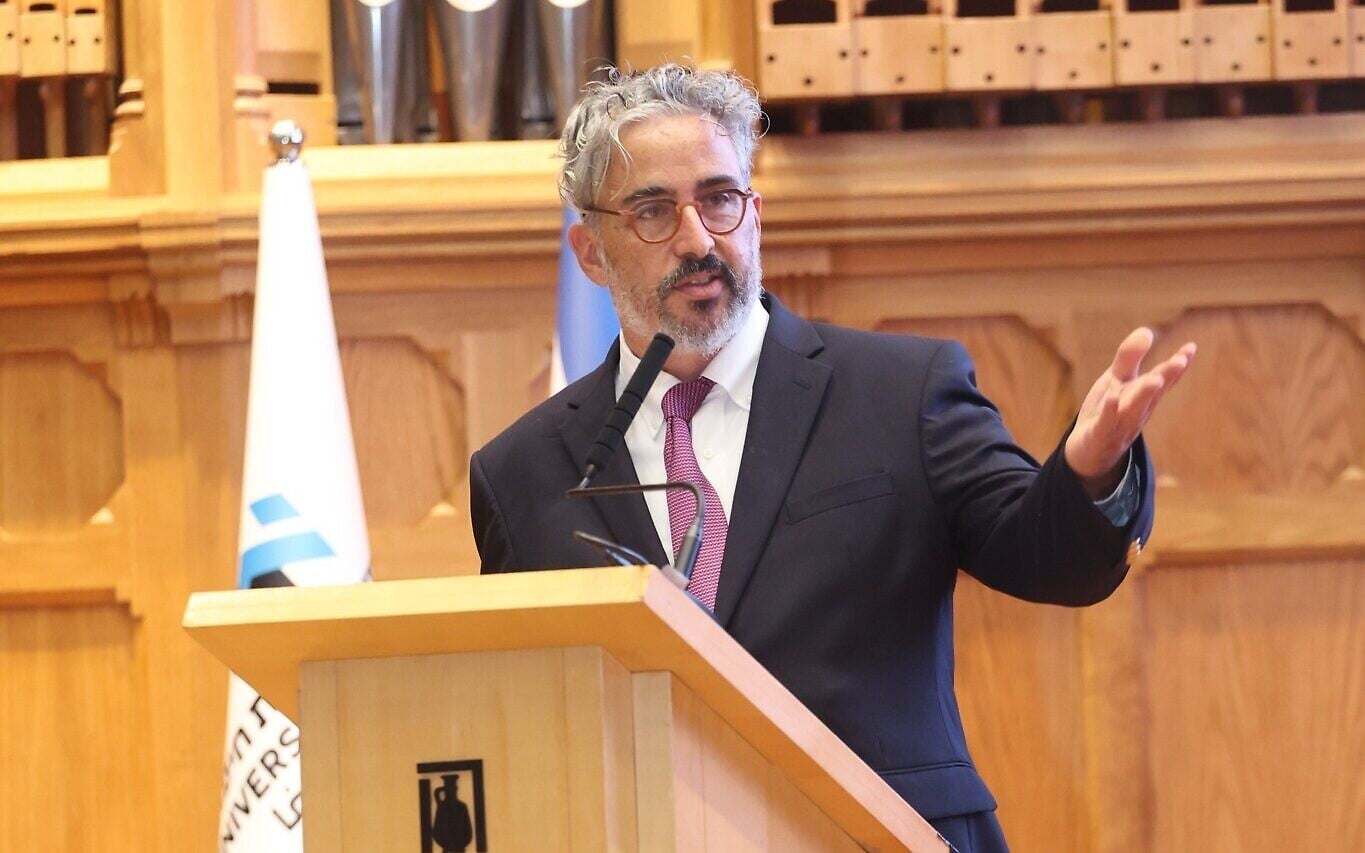
“The combined impact of AI and social media has created a major transformation in the way antisemitism is transmitted,” Barak-Gorodetsky said, with the former enabling the creation of massive volumes of “synthetic” antisemitic content and the latter allowing that content to be shared instantly around the world.
In recent years, antisemitism watchdogs have increasingly turned their focus to advocating for greater moderation in these fields. The Anti-Defamation League, for example, has been putting pressure on Meta, which owns Facebook and Instagram, to increase protection from hateful content and state-level influence campaigns, as well as to monitor AI bias.
Due to the size and scope of the problem, one of the most effective solutions available is for platforms like Meta and X to continue developing autonomous compliance tools that automatically remove offensive content before it can proliferate, Barak-Gorodetsky said. Instead of increasing the use of such technology to remove hate speech, however, Meta has actually taken steps to weaken its moderation system.
A longer-term challenge is making sure that hateful content isn’t used to train AI systems, which would effectively “pollute” large language models for future users. In this sphere, political and legal work is being done to influence AI developers to be more careful about the datasets they use to digest information, Barak-Gorodetsky said.
Shifting the trends in academia
After the turmoil that universities have faced since the October 7 attack, Dallal, a conference organizer, believes the academic world may be at a turning point.
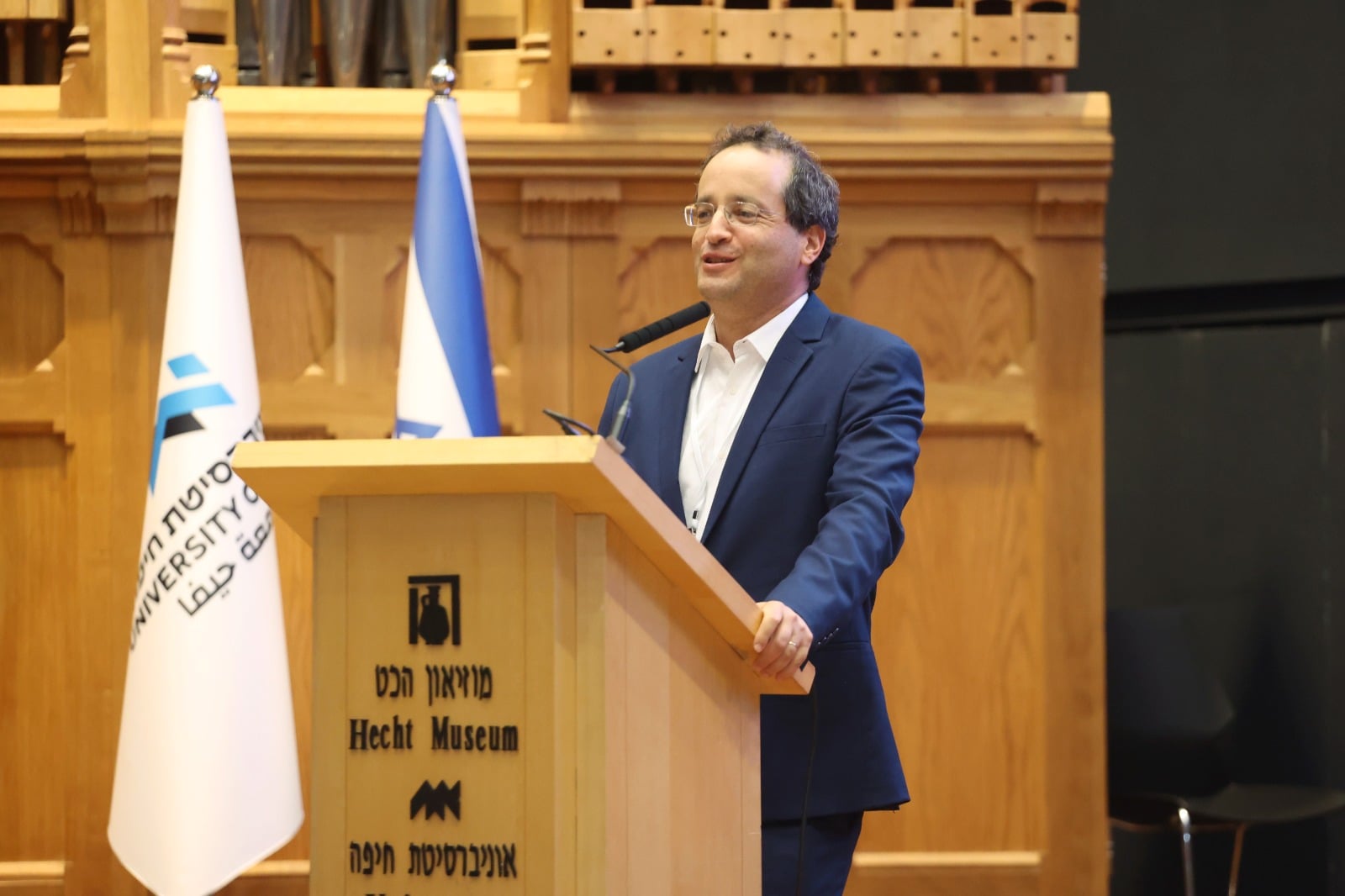
“During past flare‑ups in the Middle East, antisemitic incidents would usually spike temporarily, but then things would kind of go back to the way they were,” Dallal said. “But in the last few years, we’ve felt the ground shifting under us, with a sense that we are in uncharted territory and we don’t know where we’ll end up.”
In retrospect, Dallal said, Jewish leaders misread or ignored warning signs on campus.
“We’ve had these post-colonial theories percolating in the academy for the last 20 or 30 years, and no one paid attention to them,” he said. “At the same time, the BDS movement took over Middle Eastern studies departments in almost every university. And all this happened literally under the noses of Jews who were donating to those institutions. This complacency was completely shattered after October 7.”
What happens next in the academic world has huge implications for society at large, Dallal said. It is necessary to better educate people about Israel, but the more significant task is to build a countervailing intellectual and moral framework to challenge the hostile campus zeitgeist instead of simply reacting to its dangers.
“When ideological currents are totalitarian in their thinking, Jews are always going to be on the receiving end,” Dallal said. “That worldview doesn’t allow for differences or contradictions, but Jews are always different and full of contradictions.”

What is needed instead, he said, is a broad, long-term move toward a more vibrant and inherently liberal way of thinking that encourages people to create spaces for other competing ideas they disagree with.
“This doesn’t have anything to do directly with the Jews or Israel, but it is critical for the future of the West,” he said.
“Academia is the place where these changes will trickle out to broader society,” Dallal said. “Now we’re the contrarians.”

The Times of Israel Community.