
 Add ToI as a Preferred Source on Google
At the height of the Cold War, in May 1985, four young Jewish-American klezmer musicians headed to the Soviet Union to contact Jewish and other refuseniks, who had long been denied the freedom to emigrate. They were not the first or last Westerners to do so, but they pulled off an unparalleled mission that went undetected by the infamous Soviet KGB secret security, police, and intelligence agency.
Merryl Goldberg, Rosalie Gerut, Hankus Netsky and Jeff Warschauer ostensibly went to visit tourist sites and play with a musical group in Tbilisi, Georgia, called the Phantom Opera. During that tour, they also smuggled large amounts of critical information related to efforts to aid the refuseniks into and out of the USSR using a secret cipher. Acting on their own and without official authorization, they risked their personal safety.
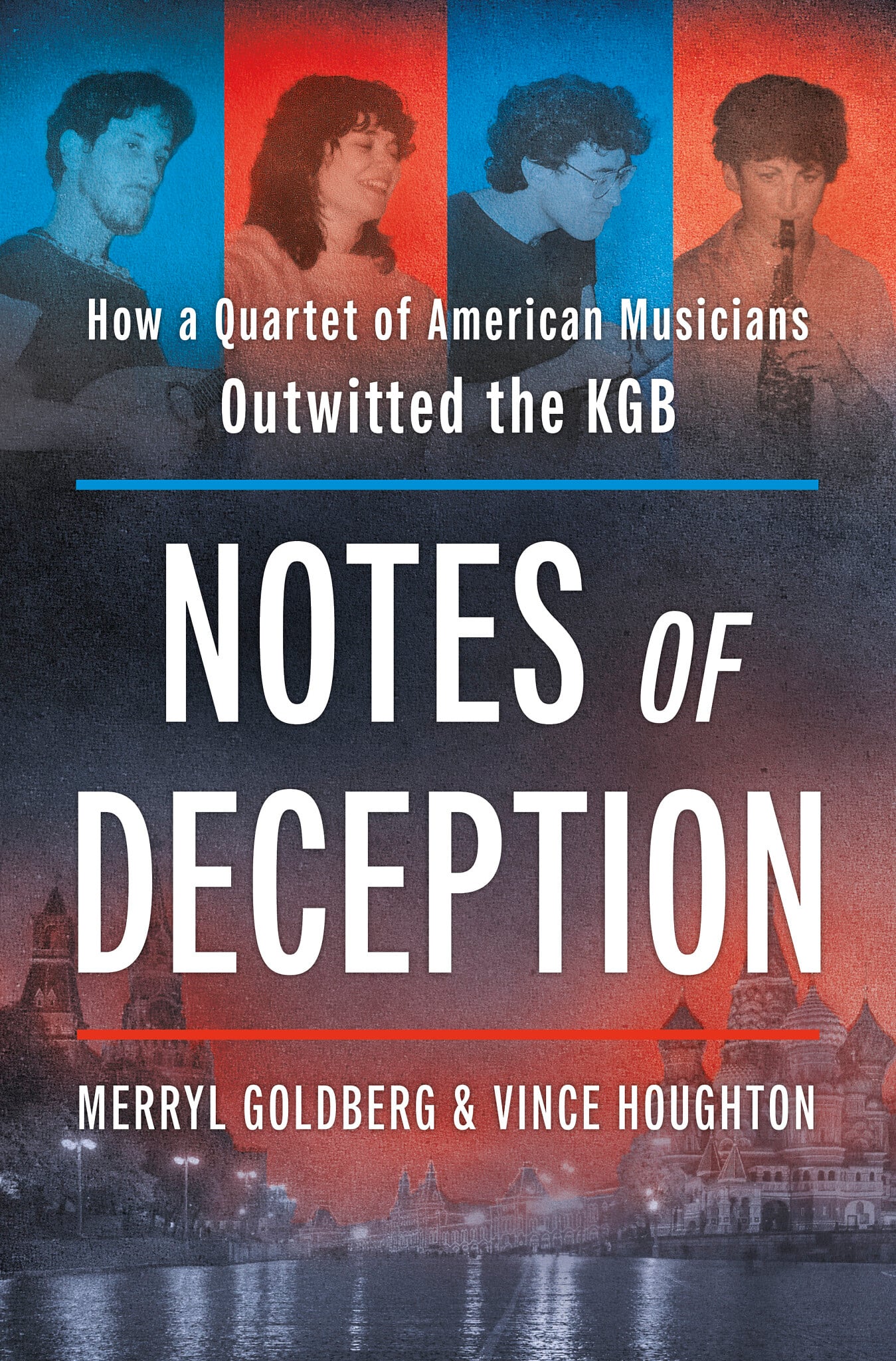
Though unclassified, this feat was kept under wraps until recently, when the US cybersecurity community became aware of it. Many more people will be amazed by the story with the recent publication of “Notes of Deception: How a Quartet of American Musicians Outwitted the KGB” by Goldberg, now an arts professor in California, and her co-author, intelligence historian Vince Houghton, director of the National Security Agency’s National Cryptologic Museum. Written in Goldberg’s voice, it’s a memoir fleshed out with a hefty dose of historical and political context.
The four Americans, members of the Klezmer Conservatory Band, had no intelligence background. Their training by Boston’s Action for Soviet Jewry amounted to warnings that their hotel rooms would be bugged, they would be tailed by the KGB, and to remember to “be truthful, strong, and never give up names” if interrogated.
The advice immediately came in handy when, upon arrival in Moscow, the group was detained for an extended period, had their passports taken, searched and interrogated by the KGB.
“Maybe this wasn’t such a great idea,” Goldberg thought during that airport episode. Despite being shaken, she and her friends forged ahead with their plans to contact the refuseniks, who were considered enemies of the Soviet state merely for wanting to move abroad.
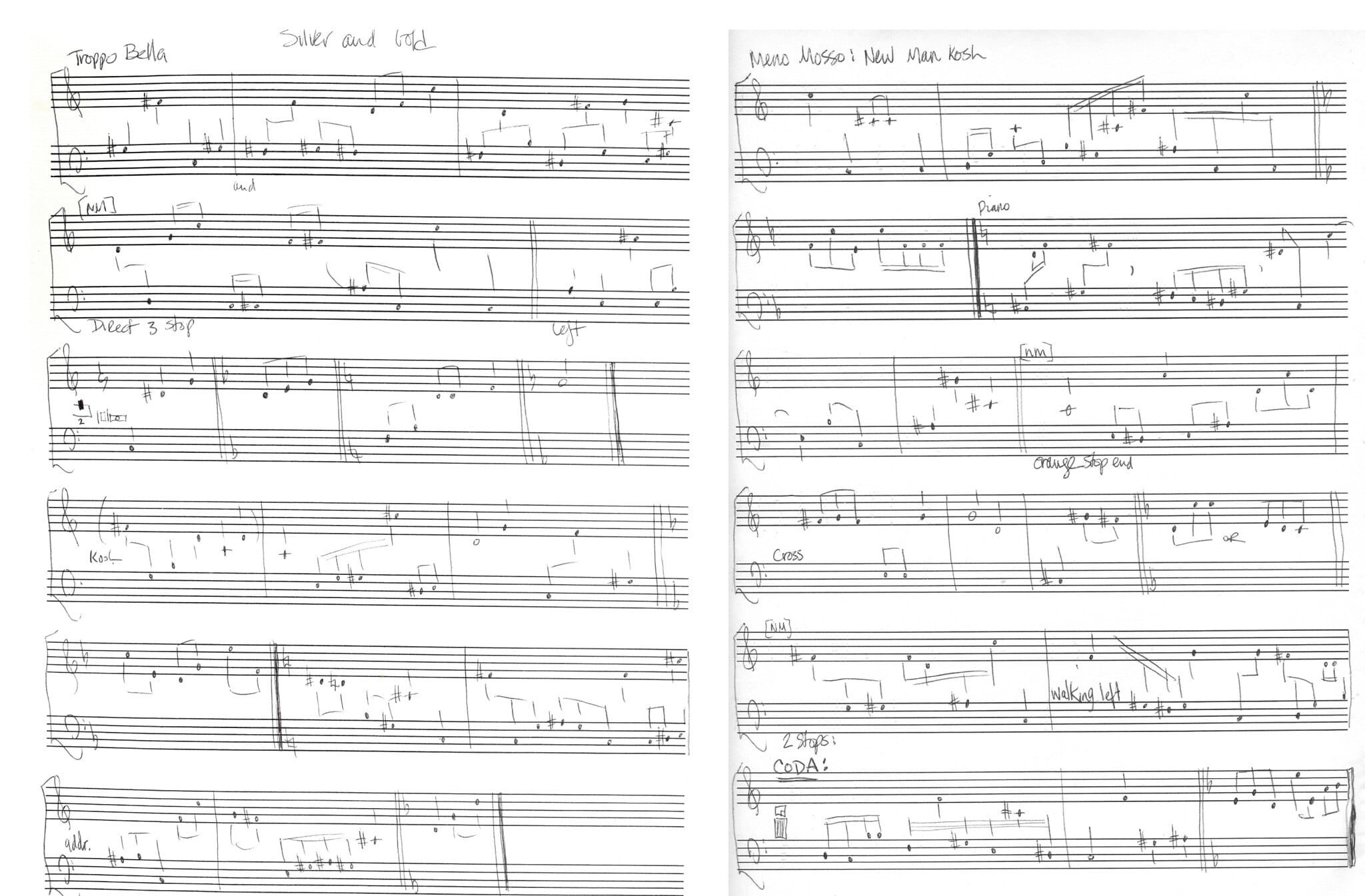
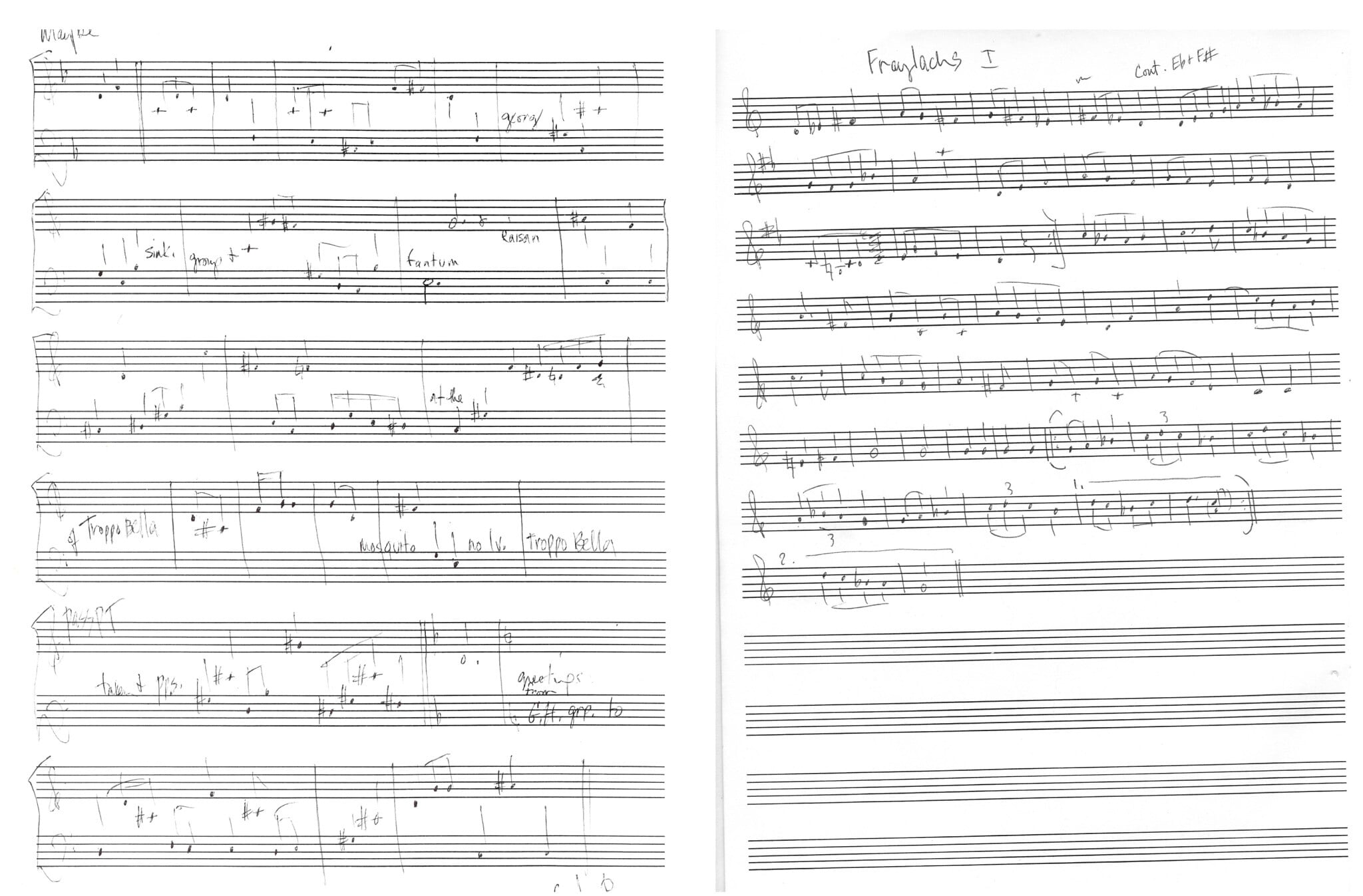
Goldberg came up with the idea of using steganography (a term she did not know at the time), or hiding a cipher inside an ordinary-looking medium. She embedded the information in her sheet-music notebook, with each letter represented by a musical note, symbol, or marking. For obvious reasons, she had to memorize the cipher in advance. Compositions made up completely of the secret information were mixed in among sheet music for actual klezmer songs. It was genius; the KGB examined the notebook, but never caught on.
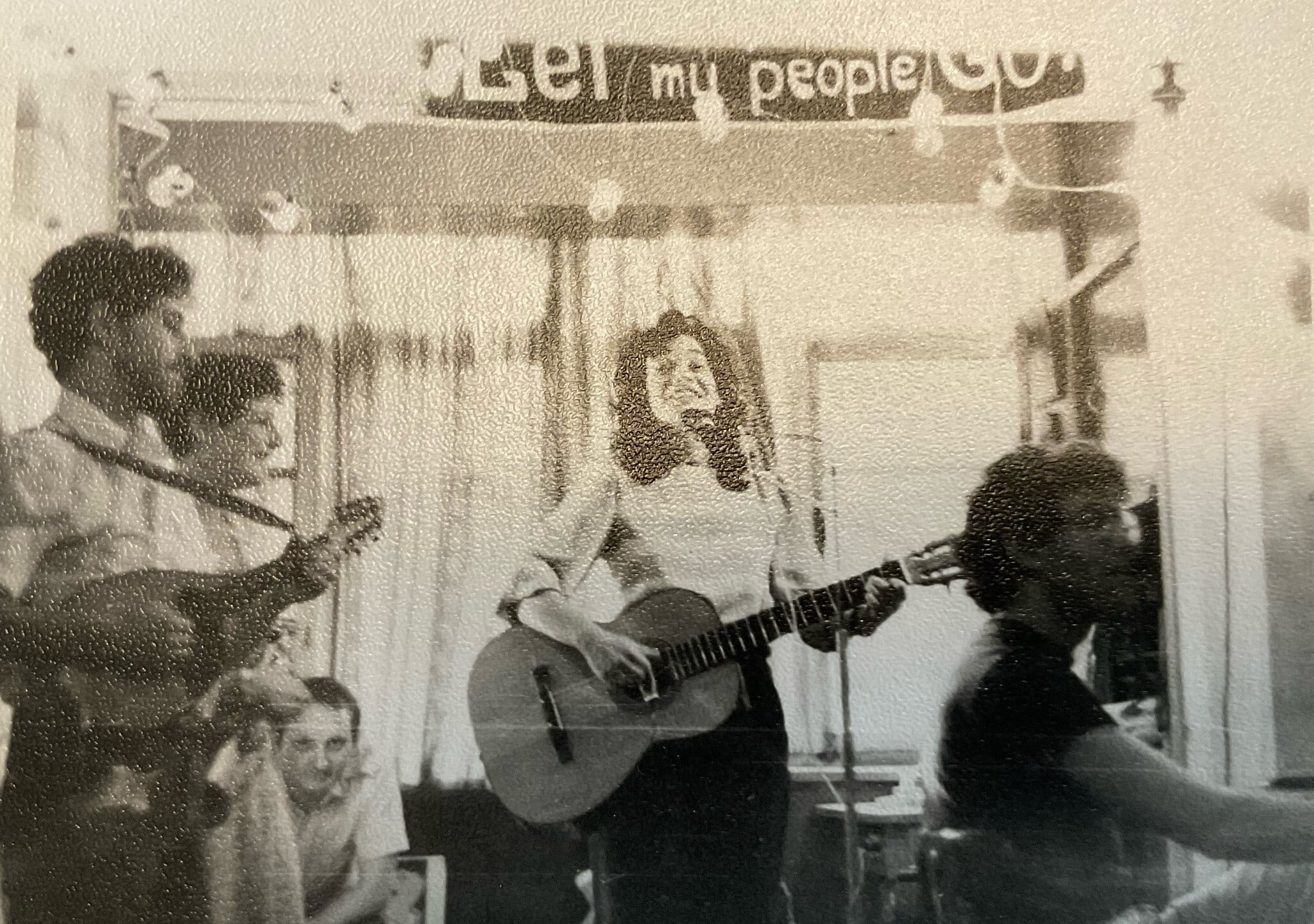
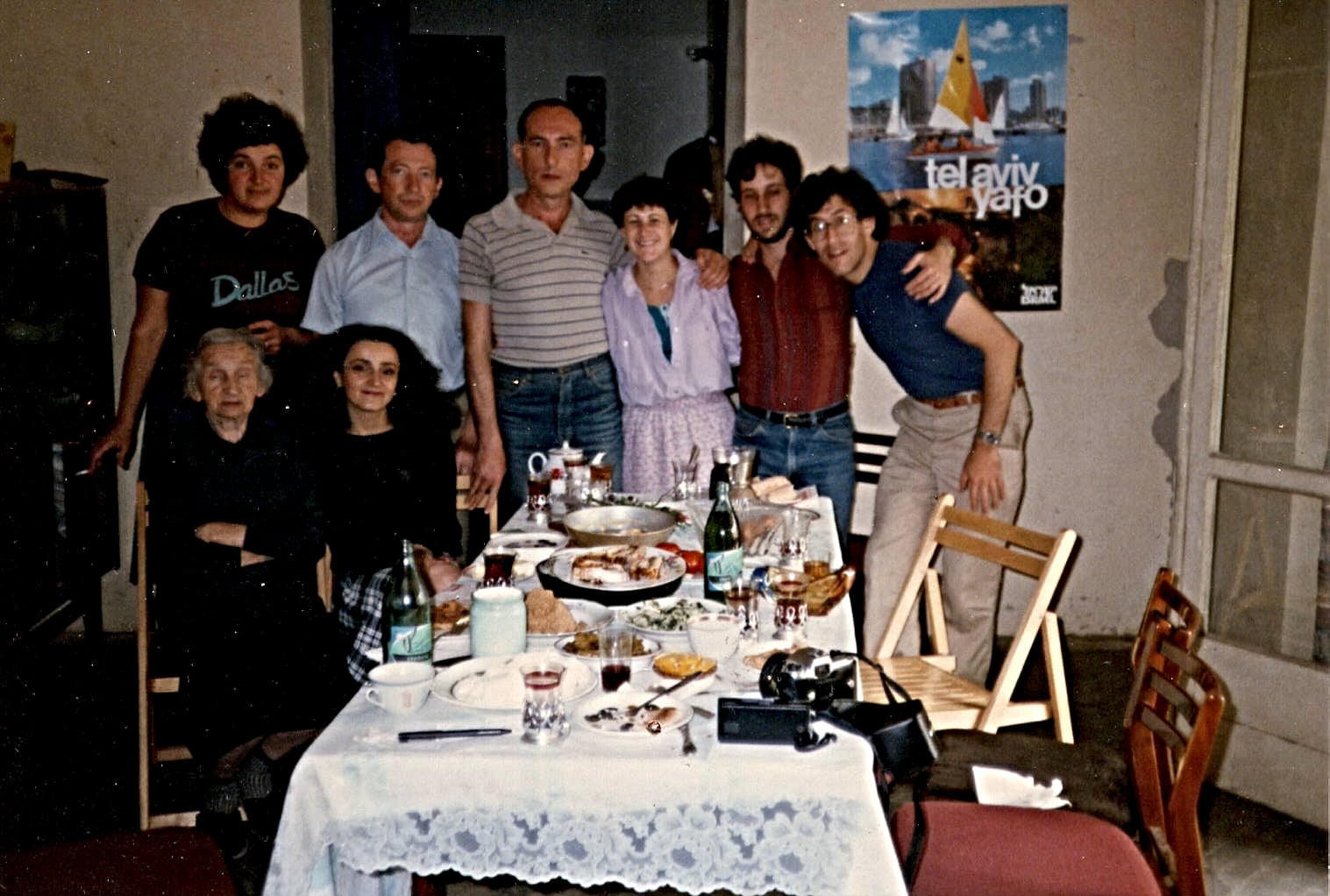
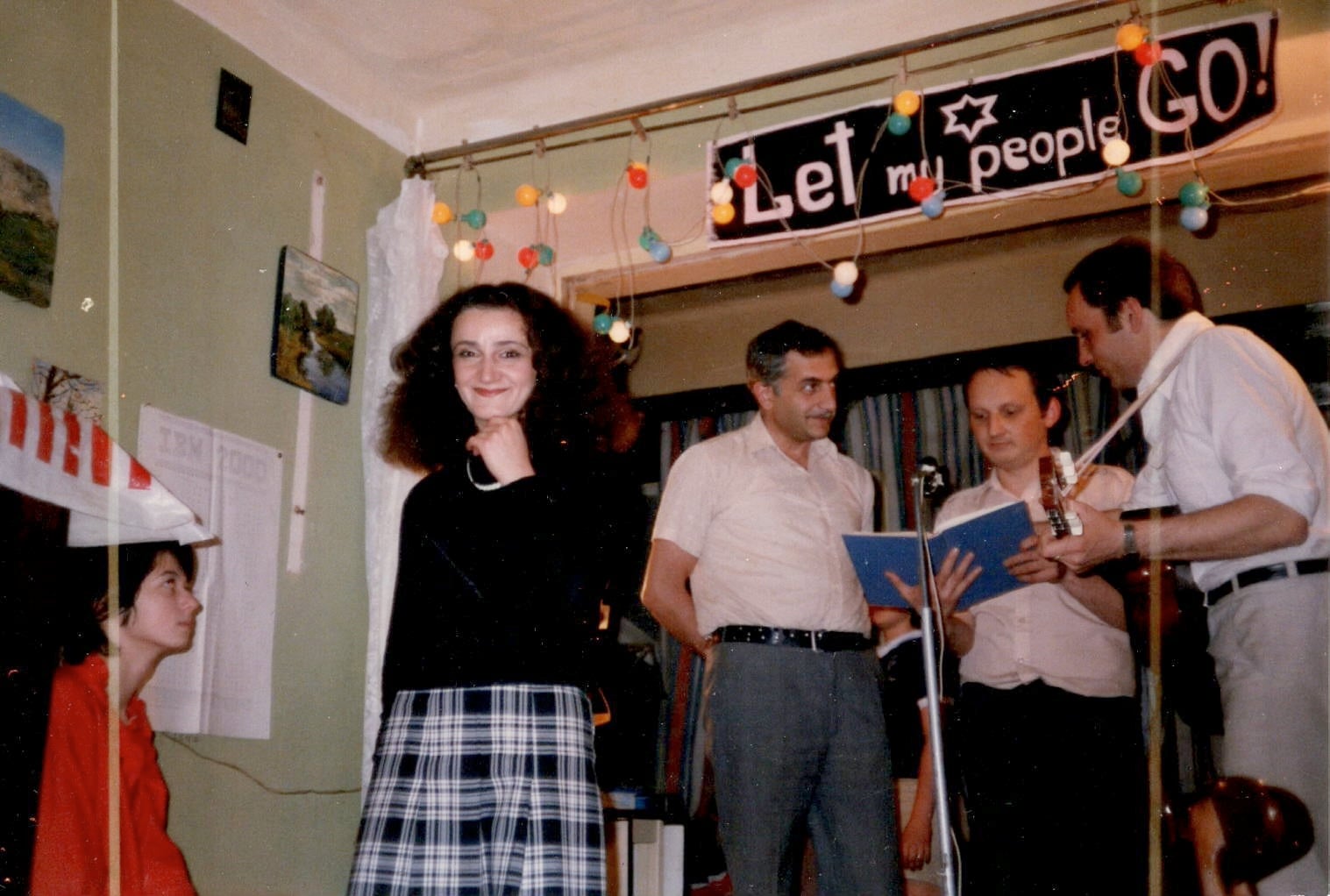
The KCB quartet played living-room concerts with the Phantom Orchestra and got to know, and relay information to and from, its members, including prominent and persecuted refuseniks such as the Jewish Isai and Grigory Goldstein and the Catholic Tengiz and Eduard Gudava. The four also visited and played music with refuseniks in Yerevan, Armenia.
The KGB was on high alert about the American musicians even before they landed in Moscow (no spoilers about why and how exactly).
“The KGB understood they couldn’t just disappear this quartet of young rich kids from Boston, but at the same time, it certainly gave them a lot more scrutiny. The KGB was all over them,” Houghton said.
About halfway through the Americans’ planned itinerary, the KGB had had enough and cut the trip short. No additional touring or visits with refuseniks in Leningrad and Riga would take place. The KGB apprehended the KCB members and threatened to deport them to Beirut, an inhospitable destination for Jews. Fortunately, they sent the musicians home to the US via Europe instead. The musicians’ ordeal drew media attention, but they never spoke about the secrets in Goldberg’s music.
The following interview with authors Goldberg and Houghton has been edited for brevity and clarity.
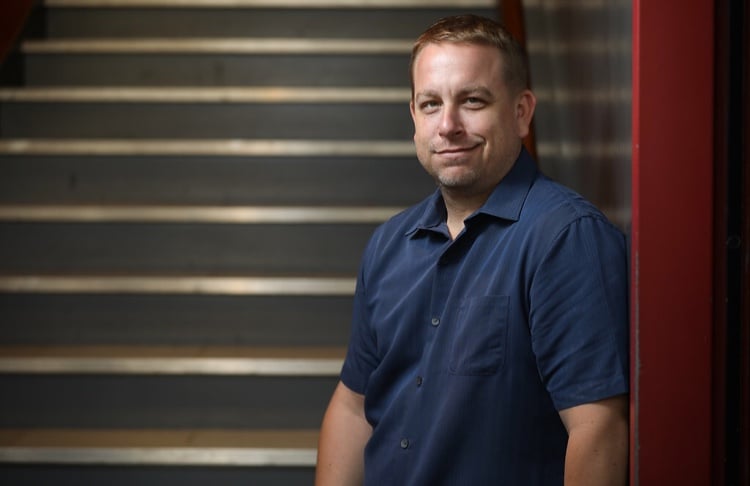
The Times of Israel: How did you two meet, and why did you decide to write this book?
Vince Houghton: In 2022, Merryl was given a slot to speak at a conference called RSA, a massive cybersecurity conference held in California every year. NSA has a presence there. So when Merryl spoke, word got back to me that she told this crazy story. People said it seemed unreal and that I had to check it out. When I looked it up and realized it was real, I cold-emailed Merryl. I told her her story was interesting and that I would like to talk.
We met in person when Merryl came to the DC area and brought the music notebook and other artifacts we used in an exhibition at The National Cryptologic Museum. Merryl said she had been thinking of writing a book and had put some ideas down on paper. She asked me to look at what she had written, and that’s what started the process. Merryl and I wrote the book 50/50. She had written around 100 pages and had hundreds of more pages of notes and documentation, and my role was to put it all together into a complete, flowing narrative with added historical and other context.
Merryl Goldberg: I had been sitting on all of this for years and years. I knew that what we did was important and had a place in history, so I saved everything I wrote up, my trip reports, my fellow travelers’ trip reports, and every article on us.
Why do you think the KCB’s story resonated with so many people, especially in the cybersecurity community?
MG: Our story resonates in a timeless way. We’re talking about themes like resistance, advocacy, the importance of music as a tool to feel free and empowered, and not losing humanity and kindness. This relates to cybersecurity, which calls for thinking outside the box, being empathetic and working with other people.
Vince, what made you want to get involved in this book project?
VH: I couldn’t pass this up because, unlike the usual intelligence or espionage memoir, the protagonist and her friends are great as an audience surrogate. Merryl, Hankus, Jeff, and Rosalie are regular everyday people without intelligence training. Readers can relate to them.
It’s an incredible story. American and British intelligence officers and diplomats I spoke with were blown away that the KCB quartet pulled this off. These professionals told me that if they had known what Merryl and the others were planning, they would have told them not to go. The KCB shouldn’t have succeeded. It shouldn’t have gone well for them, and it almost didn’t multiple times. But they pulled it off, and in many ways it was because they didn’t know how dangerous it was, which is kind of fun from an intelligence history angle.
Why was it important to include a chapter early in the book about Merryl’s family history, her upbringing, and musical education?
VH: It’s important that the reader can be empathetic with Merryl as the main character. It’s a rare decision for someone in her 20s to drop everything, travel to the Soviet Union, take on the KGB, and try to help refuseniks. You need the background there; where did her musical talent, empathy, and activism come from?
MG: Activism doesn’t necessarily come out of nowhere. Growing up, I was primed to understand the importance of helping others. Making a difference was something we were supposed to do in the world. Seeing my parents do this, I’m sure it stuck with me. I think it’s really important for people to have role models like these.
Merryl, would you have changed anything about what you did on that mission to the Soviet Union?
I would not change a thing. It was scary at a couple of points. The interrogations and being followed were off-putting, but we weren’t deterred in the slightest. The KGB tried their best to intimidate us, to tell us they couldn’t guarantee our safety, to scare us, to put us in cars and drive around without telling us where they were taking us.
Once we met the Phantom Orchestra, the Goldsteins, and the Gudavas, we realized that no matter what happened to us, it wasn’t nearly as crazy or as harsh as the consequences the refuseniks faced. Yet there they were resisting, advocating, not giving up. They didn’t stop because they believed it was so important for their future, their kids’ future, and everybody else’s. Oh my gosh! I mean, that was really something, and for me, absolutely life-changing.
How so?
I really understand the power of resistance, advocacy, and humanity. When I have small moments of joy, I feel truly joyful. I learned that if you don’t keep a sense of humor, you can just go down rabbit holes of horror. We shared humorous moments with the refuseniks, and the four of us kept a sense of humor in very difficult situations [with KGB agents]. I gained a deeper understanding of music’s power to make people feel free — and no one can take that away from you.
These things have stuck with me, and they come into play when I speak with my students. We have a lot of ICE raids, and a lot of my students are living in a world where they’re frightened. In class, we talk about feeling strong, voting, taking action, and how we can make a difference. It might seem like there’s a huge system out there that can’t be fought, but it really can.
Vince, you include in the book debates that took place within the US State Department and the CIA over how best to approach the refusenik issue.
They wanted to help the refuseniks, but they didn’t know how. Half the officers at the CIA and the State Department were saying, “Let’s just pretend [the refuseniks] aren’t there because the more attention we bring to them, the more harshly they’ll be treated by the KGB. If we single people out, they’ll get beaten up or thrown in prison just to piss us off.” The other half believed the only reason these people were still alive was that the West was paying attention to them.
I come down on the side of the more attention you bring, the better. You cannot understate the importance of rabble-rousing, of causing good trouble. This goes back to the Civil Rights movement. It causes problems for leadership, and they respond. The refuseniks themselves wanted the West to keep the word out there and keep the spotlight on what the KGB was doing. Yes, it caused them to be persecuted, but they wanted the West to keep up the pressure.
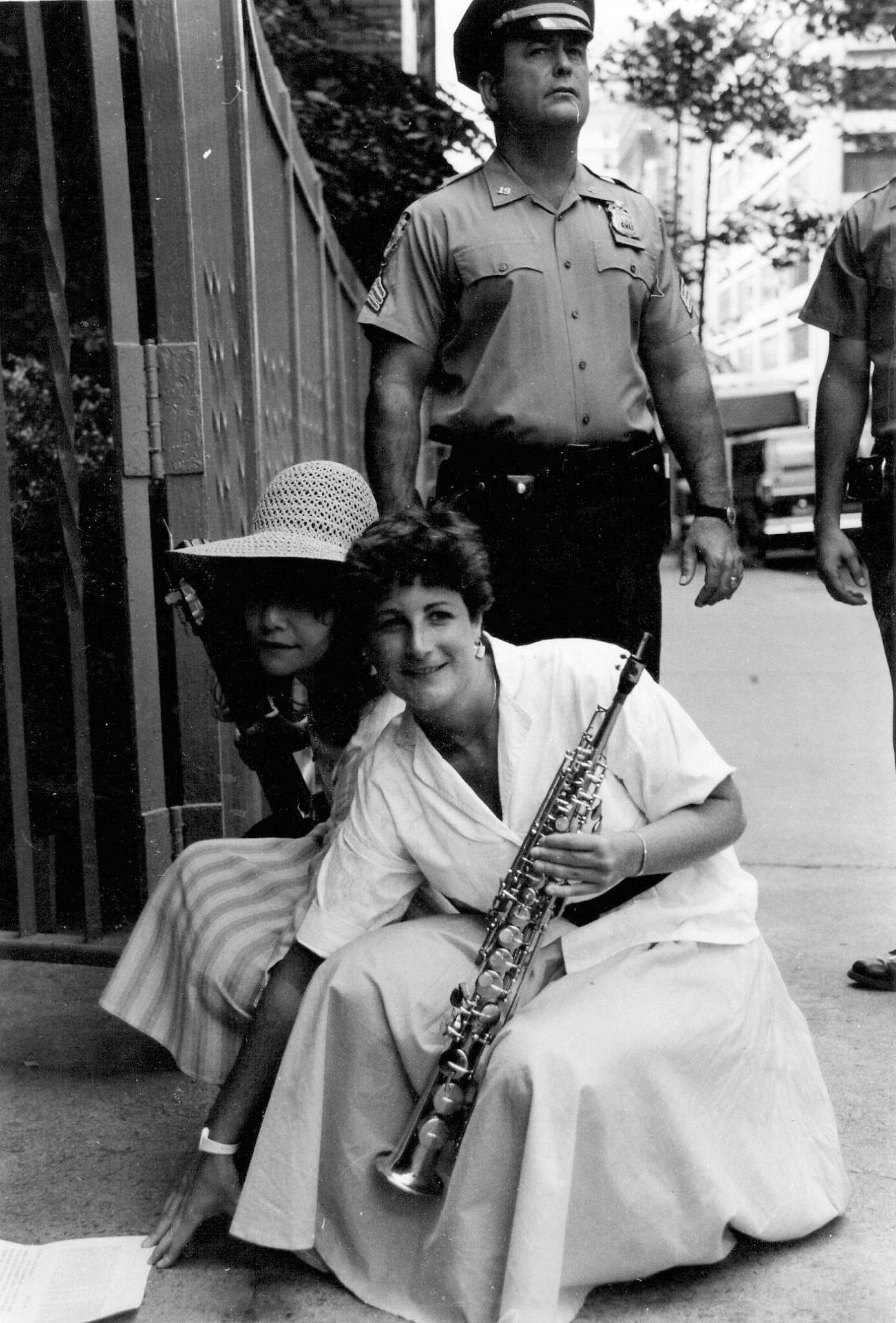
Merryl, after returning safely to the US, you and your fellow musicians could have said you had done your part for Soviet Jewry, yet you continued to advocate for them until they were freed.
Even though we were with the Phantoms for only two days, it felt like years, and we felt so connected to them. Playing music together makes you feel like you’ve known someone forever. We felt enormously responsible to try to help them and the others. We were driven to make sure they had a chance to get out, and we did everything we could.

The Times of Israel Community.