
 Add ToI as a Preferred Source on Google
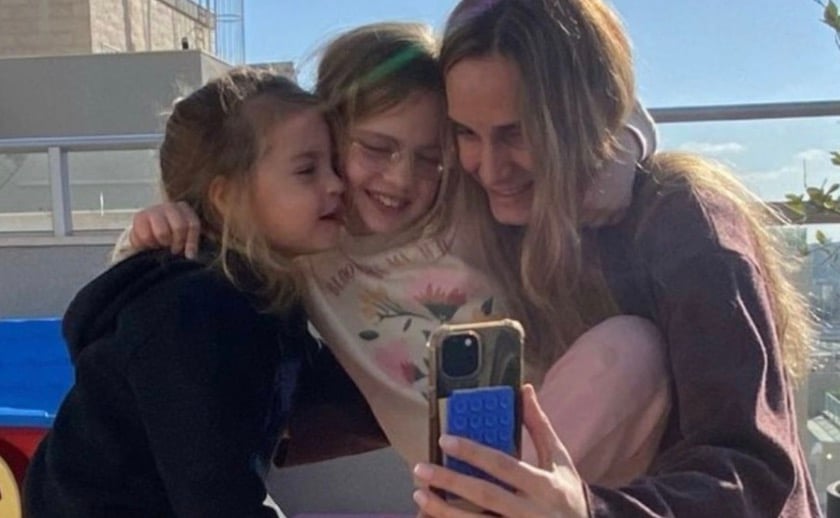
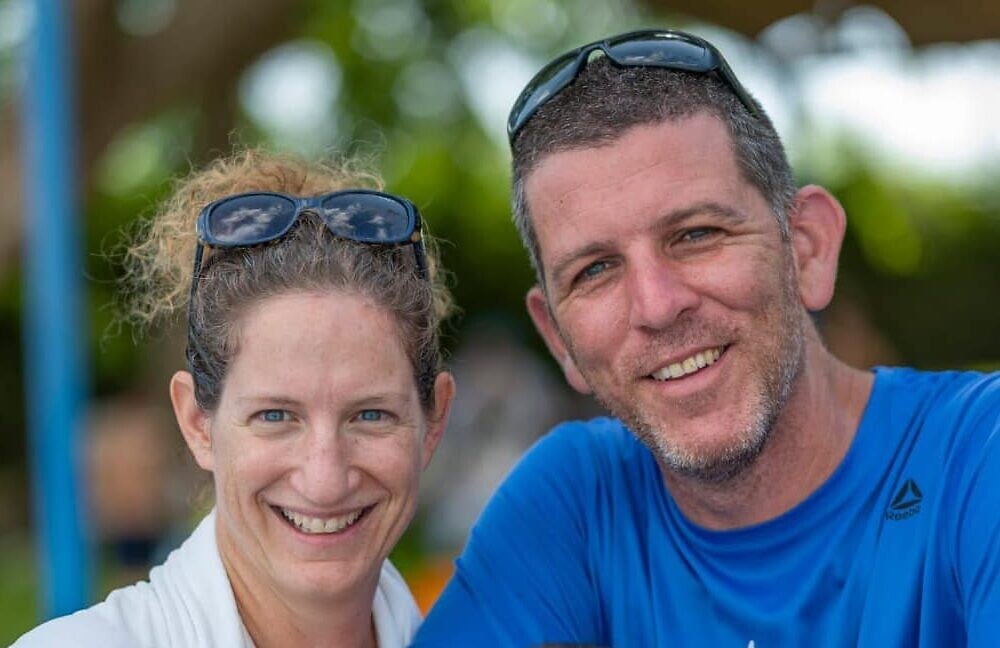
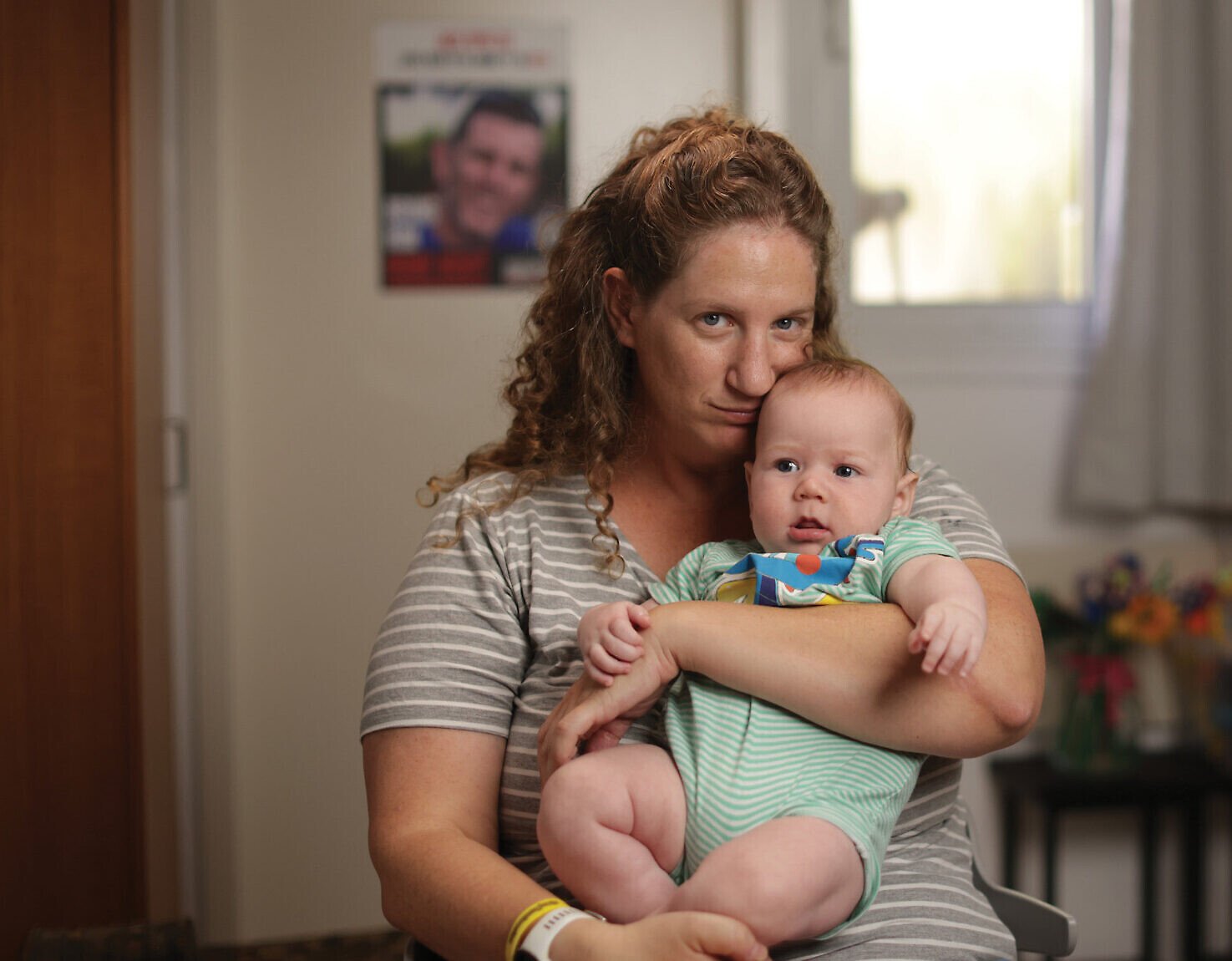
Two months after her husband, Sagui Dekel-Chen, was taken hostage by Hamas terrorists on October 7, Avital Dekel-Chen gave birth to their third daughter in an Eilat hospital in Israel’s southernmost city, where their community was evacuated to following the massacre in their kibbutz.
She was one of four women who were pregnant on October 7 as their husbands were killed or taken hostage.
All four gave birth during the ensuing months as they struggled to keep their lives together and their families intact.
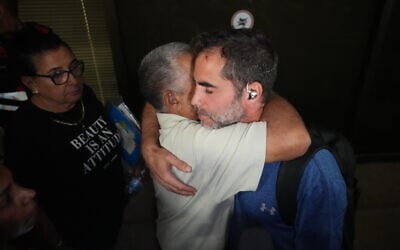
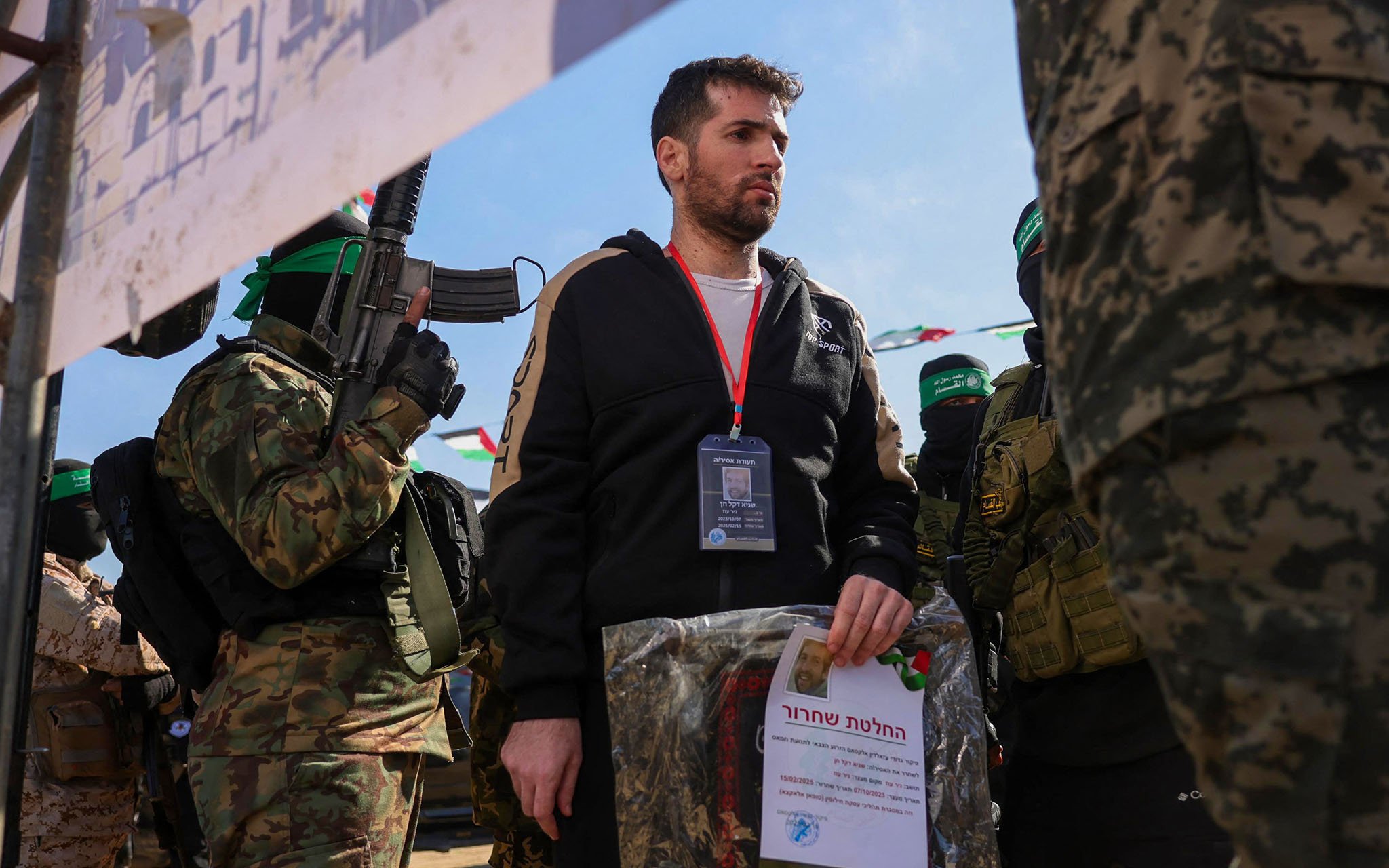
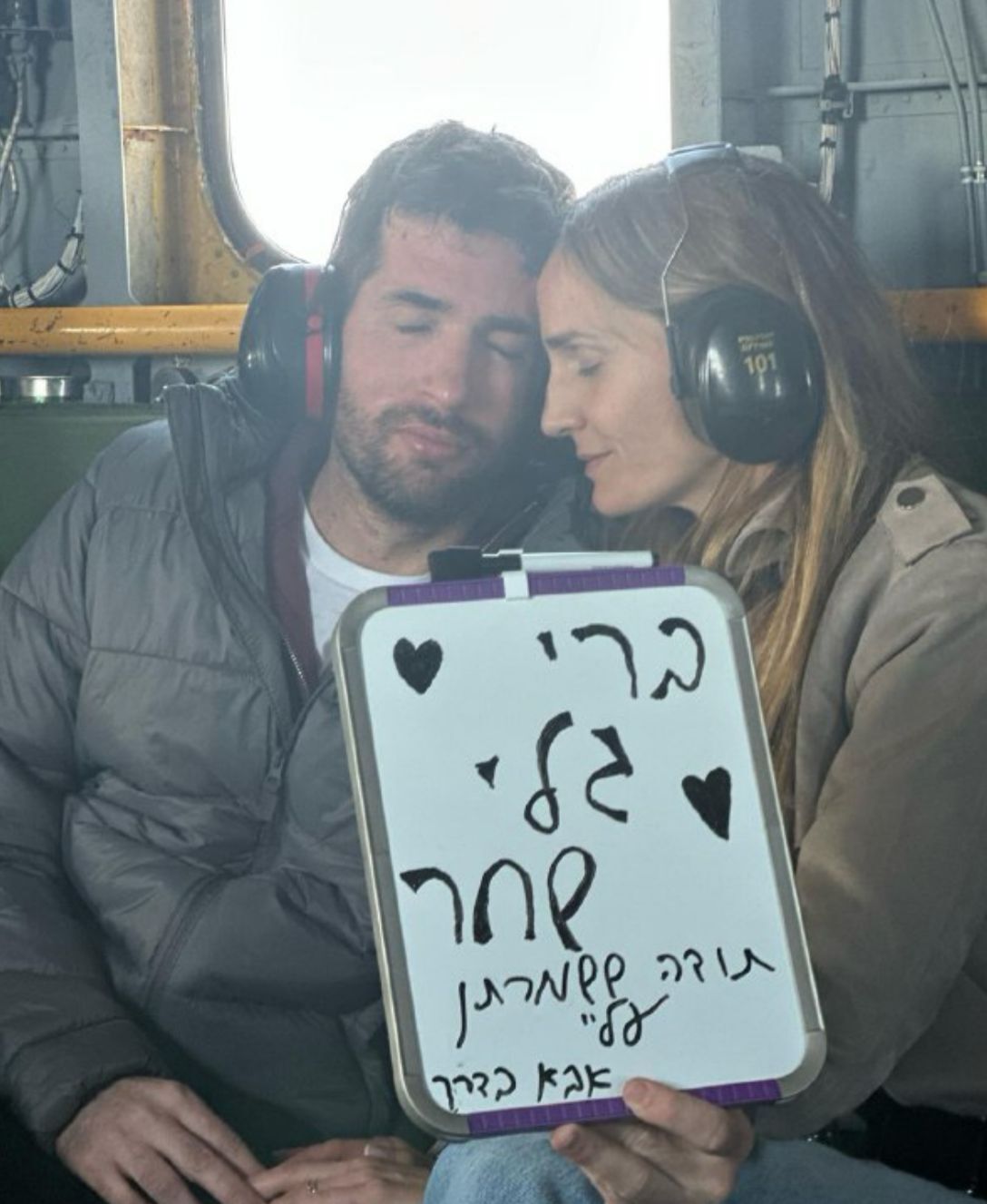
Three of the mothers, Ela Haimi, Michal Lubanov and Sigal Yehoud, were newly widowed. Only Dekel-Chen was eventually reunited with her husband, Sagui, who was released during a ceasefire in February.
Tal Haimi, a third-generation member of the kibbutz, was part of the Nir Yitzhak rapid response team, and was killed on October 7, his body taken hostage by Hamas to Gaza, and still held there.
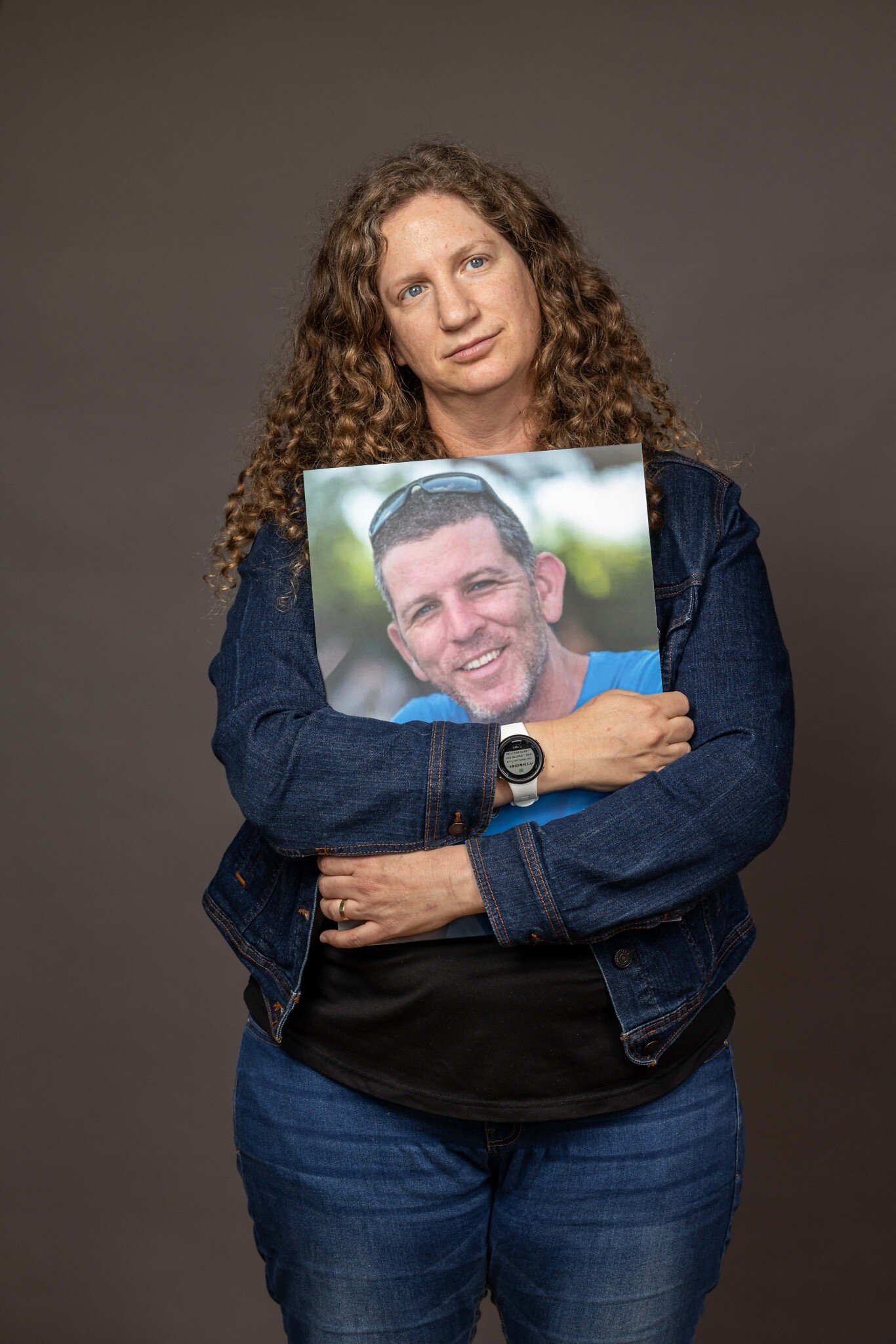
Lubanov’s husband, Alex, was the head bartender at the Nova rave where he was taken hostage and then killed by his captors in a Gaza tunnel in August 2024 .
Yehoud’s husband, Dolev, was considered a hostage for many months until June 2024, when his remains were found inside Israel. Authorities said he had been killed on October 7 during his work as a volunteer medic.
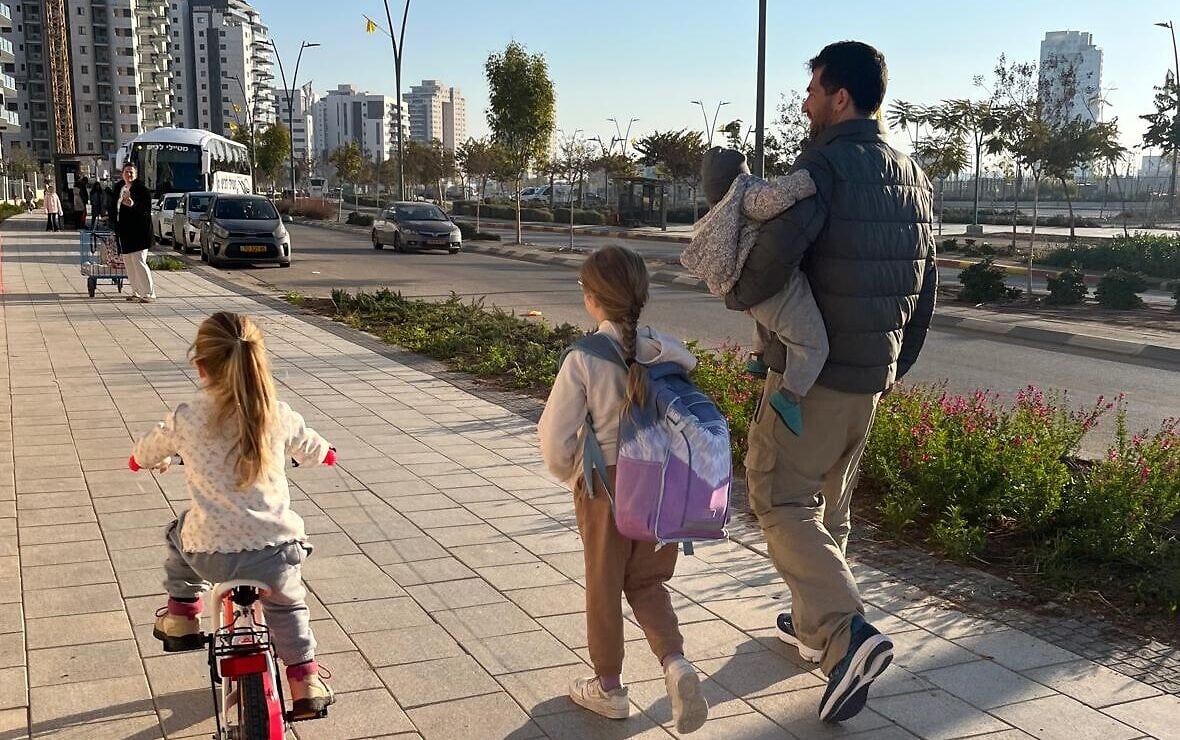
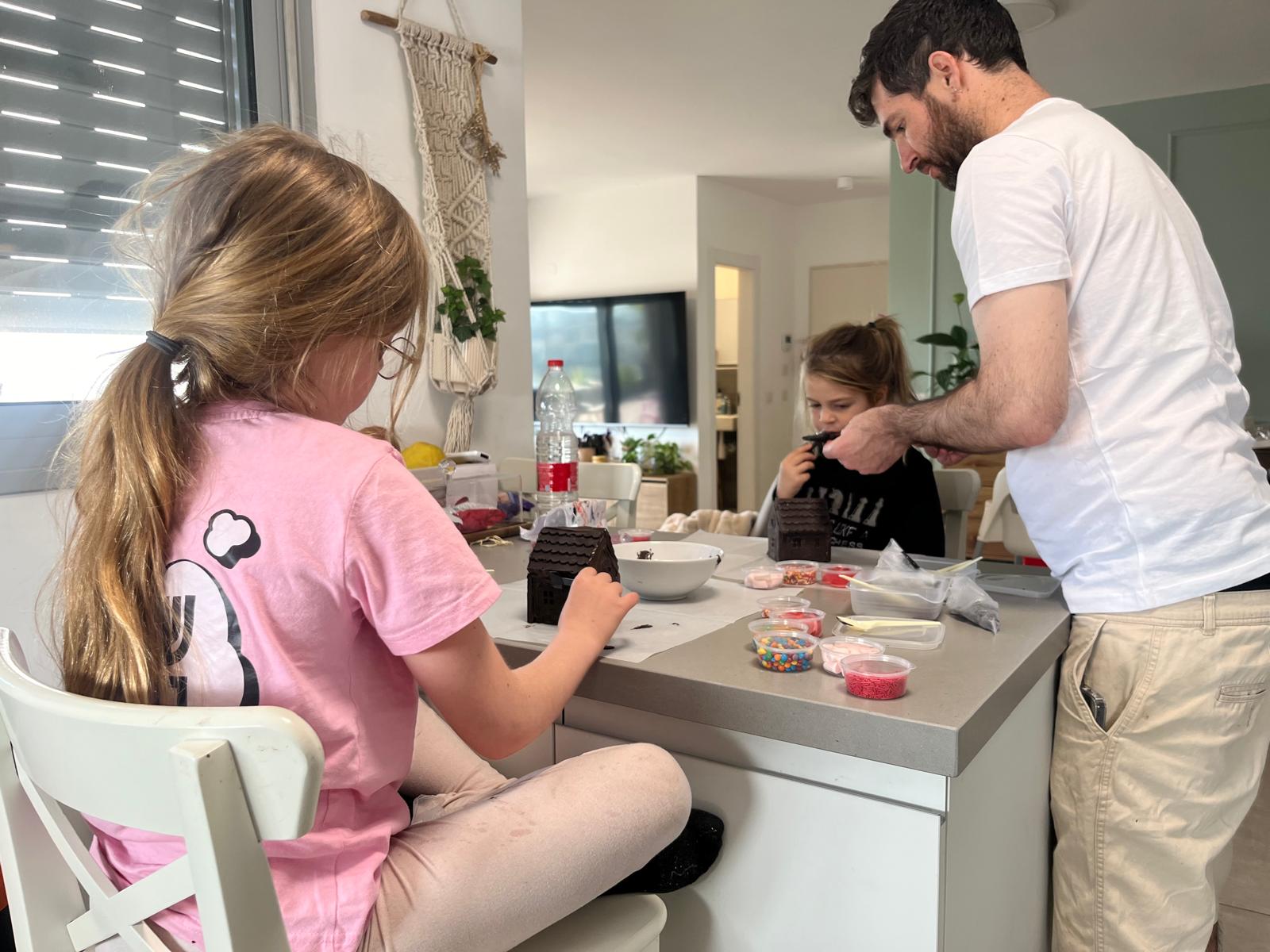
In conversations with Dekel-Chen and Haimi, they discussed the challenges they faced and the constant need to move forward, despite the unknowns they encountered.
“The kids are my priority, that’s what Tal asked of me that day,” said Haimi.
Haimi was informed by the IDF in December 2023 that Tal had been killed on October 7, and his body had been taken hostage. She gave birth to Lotan six months later, naming her youngest son with the letters of Tal’s name.
Since the attack, the family has been temporarily relocated to Kibbutz Mashabei Sade in the Negev.
“Tal was a very clear and straightforward person,” said Haimi, who has 11-year-old twins and an 8-year-old as well as Lotan, who is now 1. “It’s very easy for me to know his opinion about anything. I’m trying to do what he asked of me. The conversation isn’t over, I still speak to him in my head.”
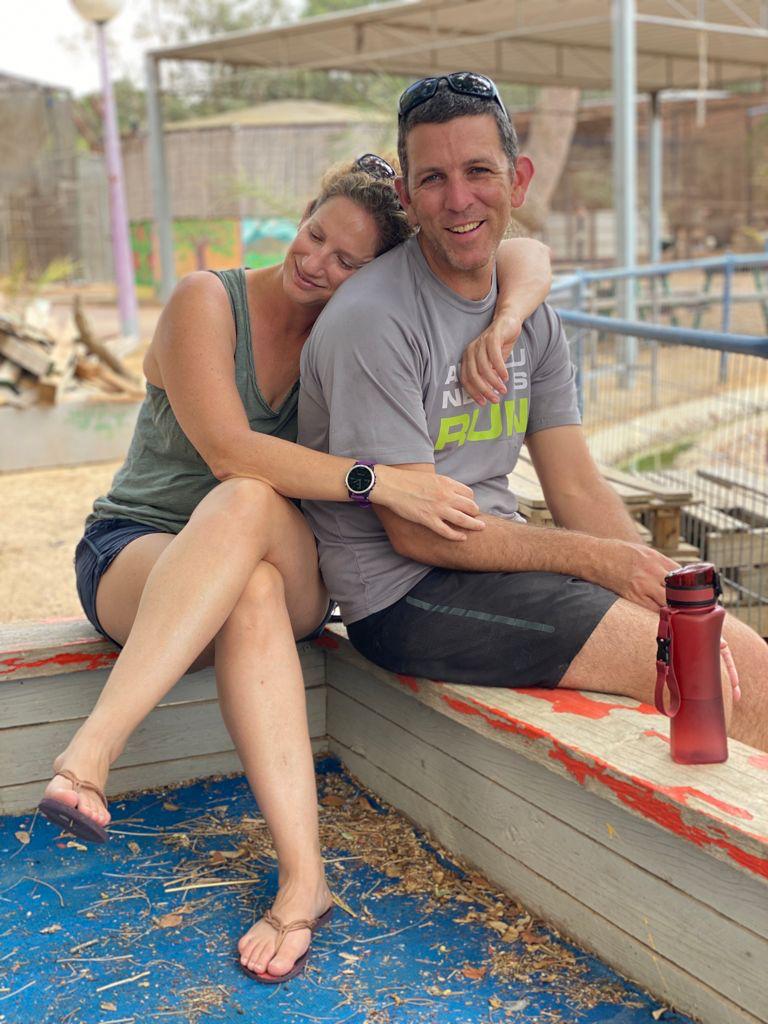
Dekel-Chen had hoped that Sagui would perhaps be released in the first deal in November 2023, returning home before she gave birth in December 2023.
She called their daughter Shachar, a name they spoke about when she was first pregnant and added the name Mazal, which means good fortune, hoping the appellation would bring some luck. She suspected that Sagui didn’t know if she and their daughters were alive after October 7, having left them in the safe room when he went to fight on October 7.
When Shachar Mazal was born, Dekel-Chen saw that her youngest daughter was “super similar” to Sagui, with his brown curly hair and eyes, while their two older daughters look more like her.
“One of the hardest moments was being in Eilat with a new baby, seeing others hold the baby, but not Sagui,” she said.
Both women found that the logistics of life kept them focused throughout the months of uncertainty. They had their children to care for, their work, and the overriding goal of getting their husbands home, alive or dead.
The Dekel-Chens have a small business, a mini-market located in a nearby community, and Avital never closed it, even in the weeks after October 7, as family members helped her manage it from afar.
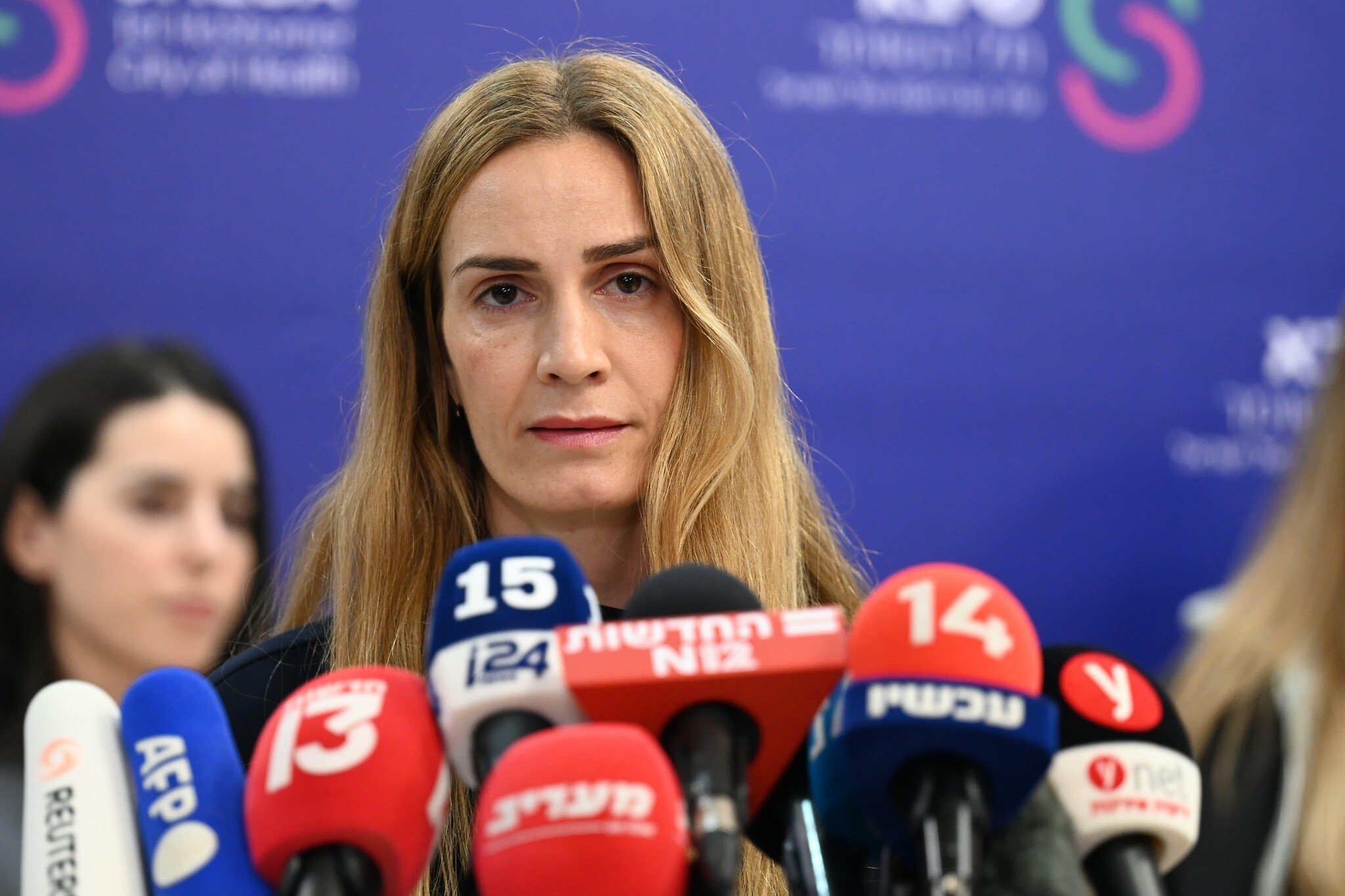
While Sagui was still in Gaza, Dekel-Chen moved with the rest of the Nir Oz community to Carmei Gat, a new neighborhood in the city of Kiryat Gat.
She grew up in the southern city of Dimona and met Sagui when she was 14 and he was 16. They moved to Nir Oz, his hometown, when they married 10 years ago.
There were difficult moments in the move to Carmei Gat, said Dekel-Chen, including having her eldest begin first grade for the third time — once from their home in Nir Oz before October 7, again in Eilat, and a third time in Carmei Gat.
“There was always someone with me, Sagui’s mom and my parents, and my sister, I had huge amounts of support and help, and the logistical issues had a solution, but a broken heart doesn’t,” she said. “At night, the sense of missing Sagui was just overwhelming; I couldn’t believe I was in this situation.”
Dekel-Chen promised herself that she would also create good moments for her daughters while Sagui was held hostage.
They took several vacations, and Dekel-Chen enrolled her older girls in extracurricular activities to create good experiences, she said.
“I wanted them to see that within this time we could have fun,” said Dekel-Chen.
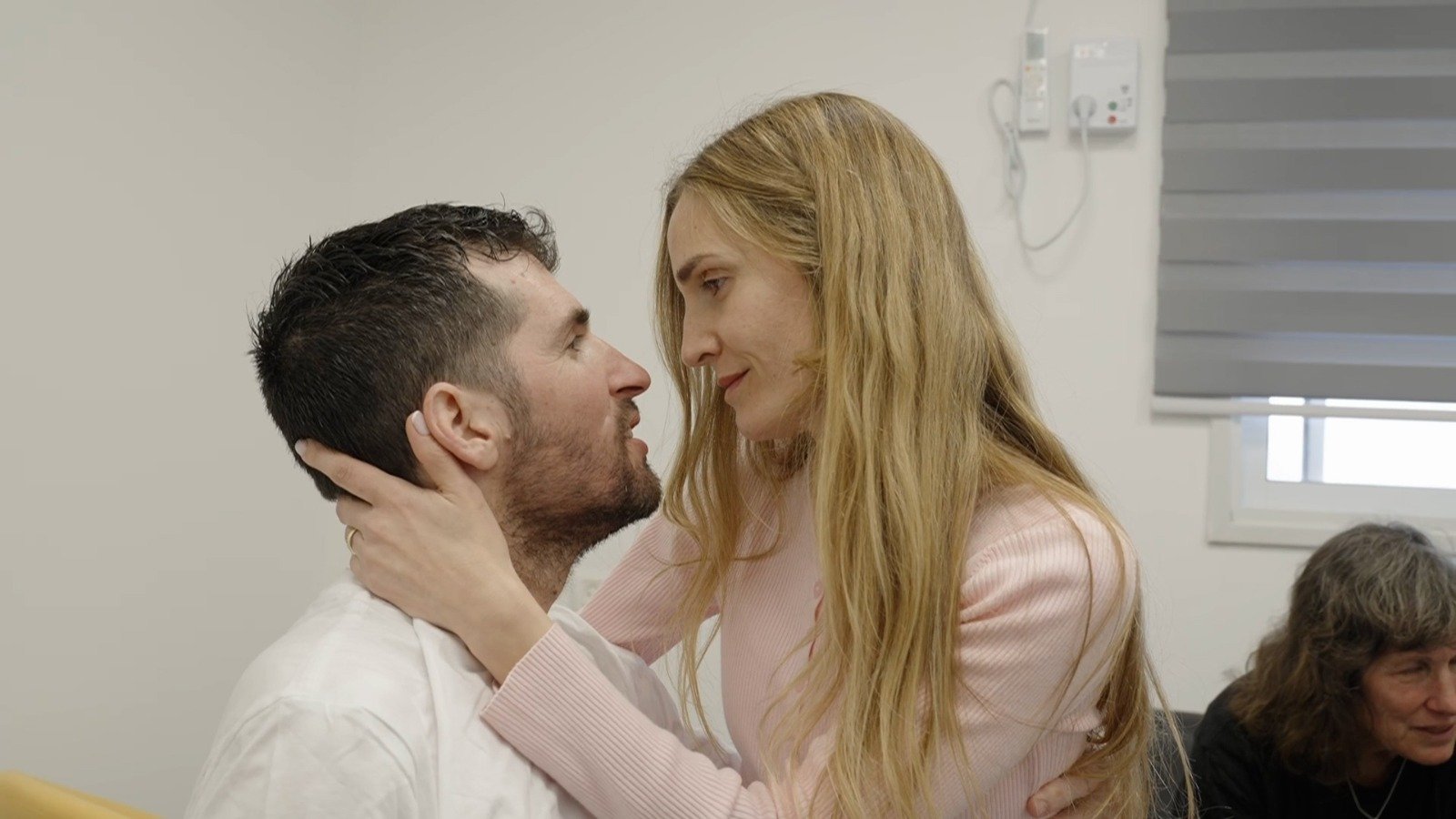
When Sagui was released home, after the initial elation was over, Dekel-Chen had to help their new baby adjust to her father.
“The older girls know what it’s like to have a father, but Shachar had no idea; she had no image of a dynamic with a father,” said Avital.
Their psychologist advised that they have the baby with them at all times, even at less opportune moments of the day.
“It works well,” she said. “She’s very connected to Sagui, even from the start, she just opened her arms to him.”
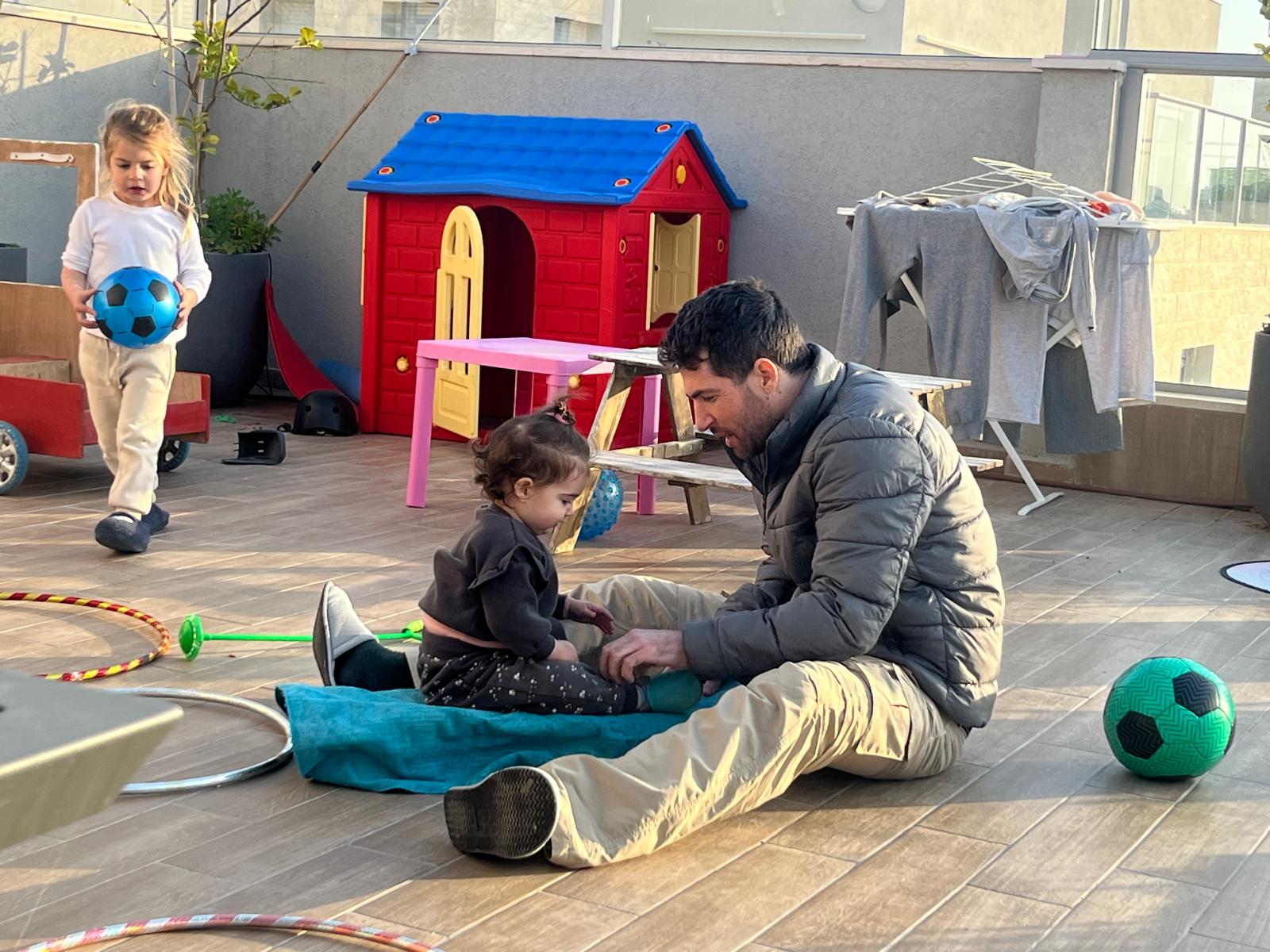
“It’s all complicated,” said Dekel-Chen. “We didn’t know if he would return or not, but there was so much support from people, and people just wanted to help us, to strengthen us. We feel like we were met by our nation, and we got through so many hard things, but now we can go help others.”
While the Dekel-Chens are working hard to rehabilitate themselves and their community, Haimi is still caught in the grim reality of October 7, with Tal’s body held hostage in Gaza.
The current hostage deal being negotiated would bring home ten living hostages from the 20 still considered to be alive, and 18 bodies of dead hostages from the 30 thought to have been killed.
Haimi is worried that Tal’s body won’t ever be returned for a proper burial, that it will get mishandled or disappear forever.
“It’s almost two years, and it’s too long for us, too long for our kids, too long for the other hostages,” she said.
Haimi ultimately wants to return to Nir Yitzhak, to the home she built with Tal, whose family has lived at the kibbutz for three generations.
She wants the routine of kibbutz life for her children, and for them to be with the members of the community who support and love them.
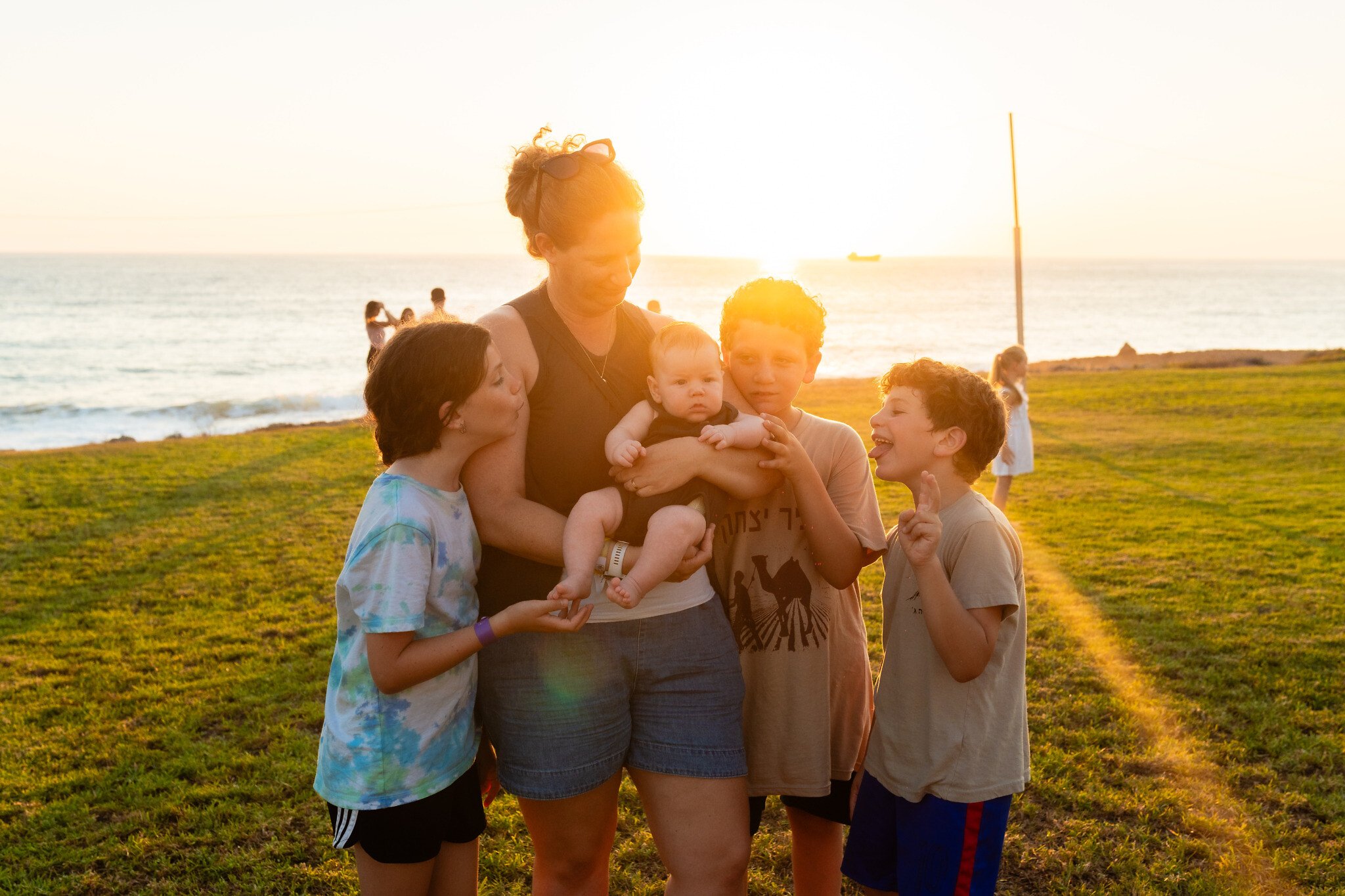
“They need to see people around them who want them to be happy, not just because of what happened,” said Haimi. “I’m trying to bring them experiences of life and joy. We don’t want the existence we had on October 6, we want a different situation, for it to be 100 percent quiet and peaceful for both sides.”
She doesn’t see the hostages as a personal issue but a national one.
“It’s all of us,” said Haimi. “It’s me today, and tomorrow it’s someone else. We are all the hostages.”

The Times of Israel Community.