 Add ToI as a Preferred Source on Google
This is the fourth in a series, “Uprooted.” Each column is a curated monologue from an individual among the tens of thousands of internally displaced Israelis during the war with Hamas who were evacuated from the country’s northern border and the Gaza envelope.
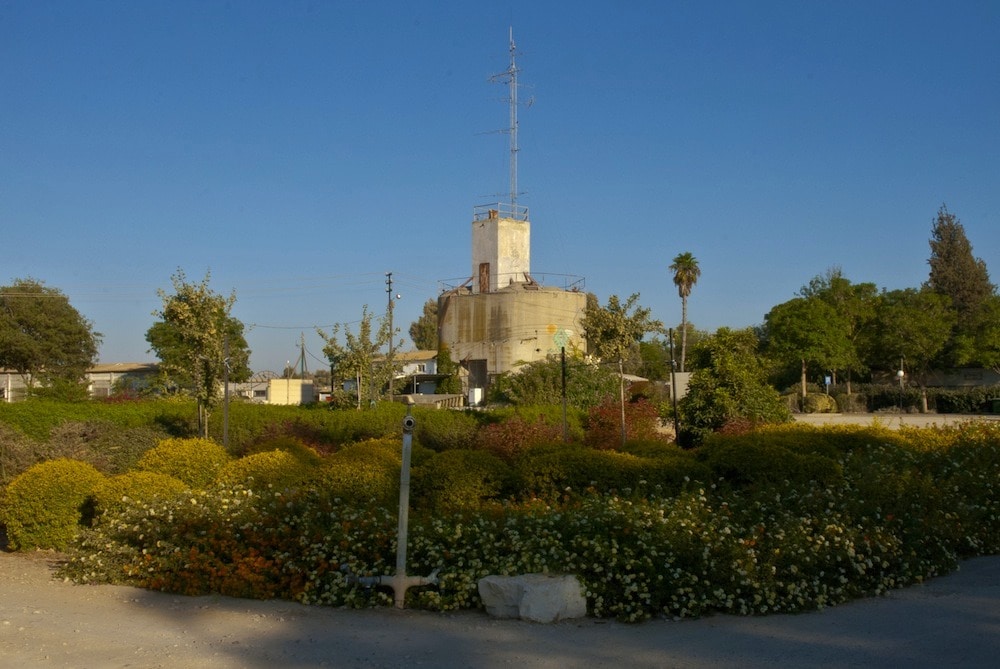
Adi Drimer: I was born and raised in Re’im. I live alone. My mom lives close, and my two brothers also live in the kibbutz with their partners and children. Re’im is a small kibbutz with about 300 members.
Saturday, October 7
My Saturday began like everyone else’s around here. At 6:30 a.m., I heard booms without any early warning, meaning no Red Alert, no sirens. I went into the safe room, even though there was a problem with the door – it could not be fully closed, and I never got around to fixing it. And, naturally, I couldn’t lock the door either.
As the booms went on and grew louder, I moved to the side of the wall, away from the door, thinking that in the event of a shockwave, I’d be in the safer area of the room. I had converted the safe room into my study a while back, where I teach small groups of children traditional crafts, including embroidery, working with wool and single-needle knitting.
At 8:20 a.m., a message came on the kibbutz’s WhatsApp group, urgently calling people to the youth neighborhood. We heard gunfire, and then another message came through: “I have someone with a gunshot wound; send forces.” My first thought was that if there were gunshots, it meant that soldiers had arrived. After all, there’s an entire brigade nearby.
These first messages throw you into an unimaginable reality. Just to give you an idea, the last text sent to the group before all this started was, “Does anyone know if the library is open tomorrow?” That’s the kind of stuff you typically find in our kibbutz group, which is named “Re’im, my home.” And it truly is my home.
Around 8:30, when we still knew nothing about what was going on outside, a WhatsApp message arrived reporting someone had been shot and wounded, and requesting to send forces. Then another message: “What does that mean? Has the kibbutz been infiltrated?” The next message said: “Yes.” Following that: “Is the army here?” And then, “Where is the army?”
The next message came from Reut Karp: “Urgent, urgent, to Dvir’s house [Dvir Karp, now deceased, Reut’s ex-husband], Daria and Lavi are alone.” One message later, again from Reut (who wasn’t at the kibbutz that weekend): “Dvir was murdered.” And then, in a new line: “Urgent. Come.”
Following this, a message from Ilan, who was in charge of the first-response team: “People, lock your homes and stay in the safe room; we’re waiting for the army.'”At this point, people began getting upset: “Why is there no army?”
Were you scared?
No, not really. Maybe it’s because my safe room’s door doesn’t close properly. I’d step out when I needed to use the bathroom or make coffee. Around two in the afternoon, I brought sofa cushions to the safe room, trying to make it more comfortable for lying down. But I couldn’t bring myself to lie down, so I spent my time on the WhatsApp group.
Whenever I heard gunshots getting closer or someone wrote, “Please help, they’re on my porch,” I started getting a clearer picture of what was happening. You can figure out where the terrorists are based on the messages. I wondered about their numbers – five? Six? Gradually, I realized they were everywhere in the kibbutz.
In the early afternoon, I found myself writing a goodbye letter to my mother and my brothers. I moved to the kibbutz to be near them after 20 years in Tel Aviv. When I definitively decided not to have children, I left my beloved Tel Aviv, and came back to the kibbutz to be a full-time aunt.
I wrote a farewell letter and left it on the table, telling them that I love them very much, that my nephews are the most important thing in my life, and, of course, my mom.
The cell network was occasionally down, and we couldn’t reach my mom. She sat alone in the safe room, keeping it locked. Eventually, people started asking for checks on people who weren’t responding. I asked for someone to check on my mom. The neighbor’s son bravely entered her house through the window. She was startled to see him, and then relieved. He told me that she was okay but not looking too good.
In the evening, they allowed me to go to my mom because the only remaining terrorists were in the youth neighborhood. I packed a canvas bag with crayons, watercolors, and papers and headed to her. Along the way, I looked around, and everything seemed normal. The real chaos had occurred in the youth neighborhood.
There were four young people who everyone kept asking about. Later, we found out that one was abducted to Gaza, two were murdered, and one sustained severe injuries to his hand. In the end, there were over 40 scattered bodies of terrorists throughout Re’im.
The Evacuation
On Sunday, they told us to pack our stuff and get ready for evacuation. Brothers and Sisters in Arms [Achim Laneshek, a civil organization made up of reservists] were the only ones helping out, the state was nowhere. They used their own cars to drive entire families to Eilat. Although the area wasn’t completely clear of terrorists, I decided to stay.
I reassured my mom that I would stay at her house, not mine. In the kibbutz group, I offered to feed anyone’s cats. I thought that staying alone would give me the same peace as during the COVID lockdowns. Naturally, it was very different.
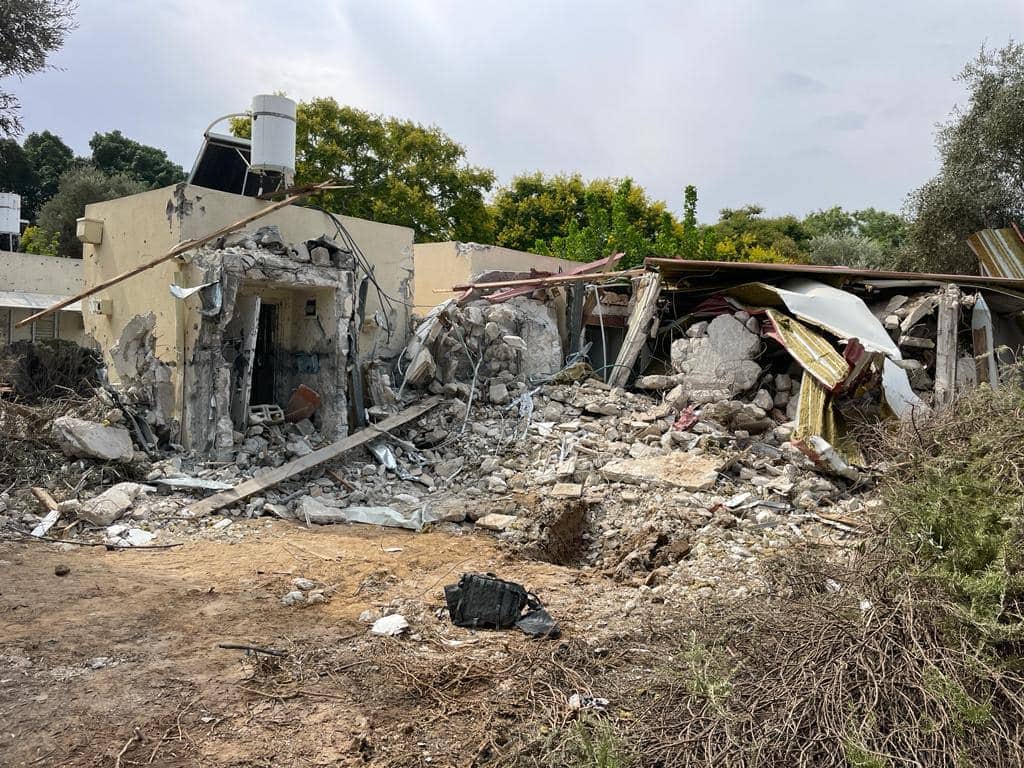
I didn’t go to the neighborhoods that were destroyed. In my area, everything still looked pretty much the same. I figured if I went to see the burned houses, it would become real.
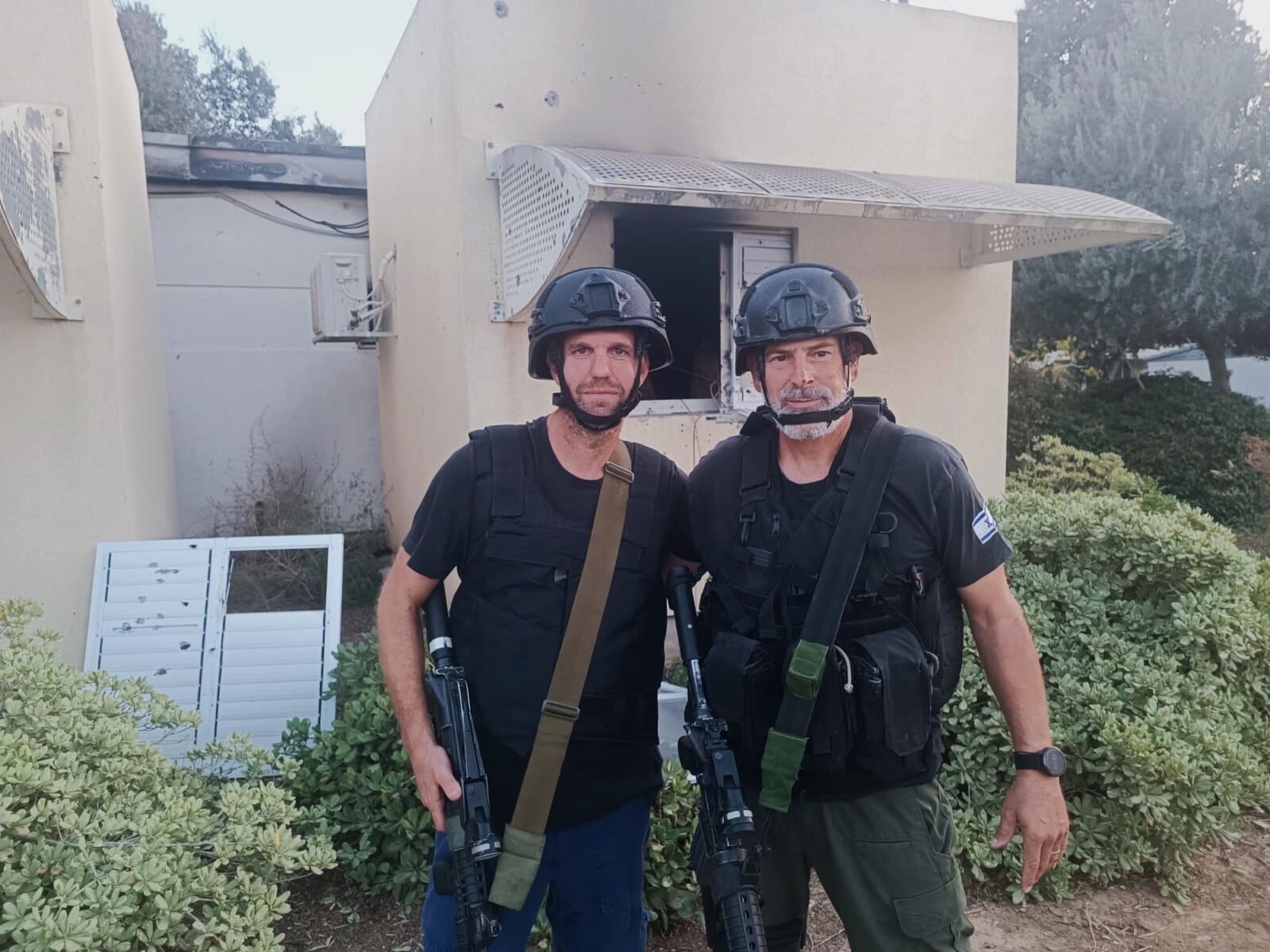
I stayed in the kibbutz until Wednesday. They had evacuated everyone because they thought there were still terrorists around, and there were. My brother Ilan stayed with the Kitat Konenut (a rapid response counter-terrorist unit) with his two dogs and my other brother Yuval’s two dogs. On Monday night, I moved to my brother’s house, and after four days, they told me I had to leave, too.
The kibbutz’s civilian security coordinator is a classmate of mine. Two more classmates decided to stay with him, and only when they were there did he agree to take a break. In total, 15 kibbutz members stayed behind.
One evening, they invited me to join them for dinner. We sat in the patrol car when suddenly, gunfire started. With a head helmet on, I crouched down as much as I could. We got out of the car, and I lay down on the sidewalk next to the synagogue. From there, we moved to the operations room and waited until late at night. In short, on Wednesday morning, an order was issued for all remaining civilians to evacuate. I went to Eilat to join the rest of the kibbutz members.”
What did you pack to take with you?
A bag with my art supplies, some clothes, and meds.
Turning fear into creativity
Two days after reaching Eilat, we had an art therapy session with a wonderful art therapist, named Adi Na’e. During the session, I started creating a mandala based on the WhatsApp messages from the “Re’im is My Home” group. In real time, these messages felt surreal, and I felt I had to do something with them.
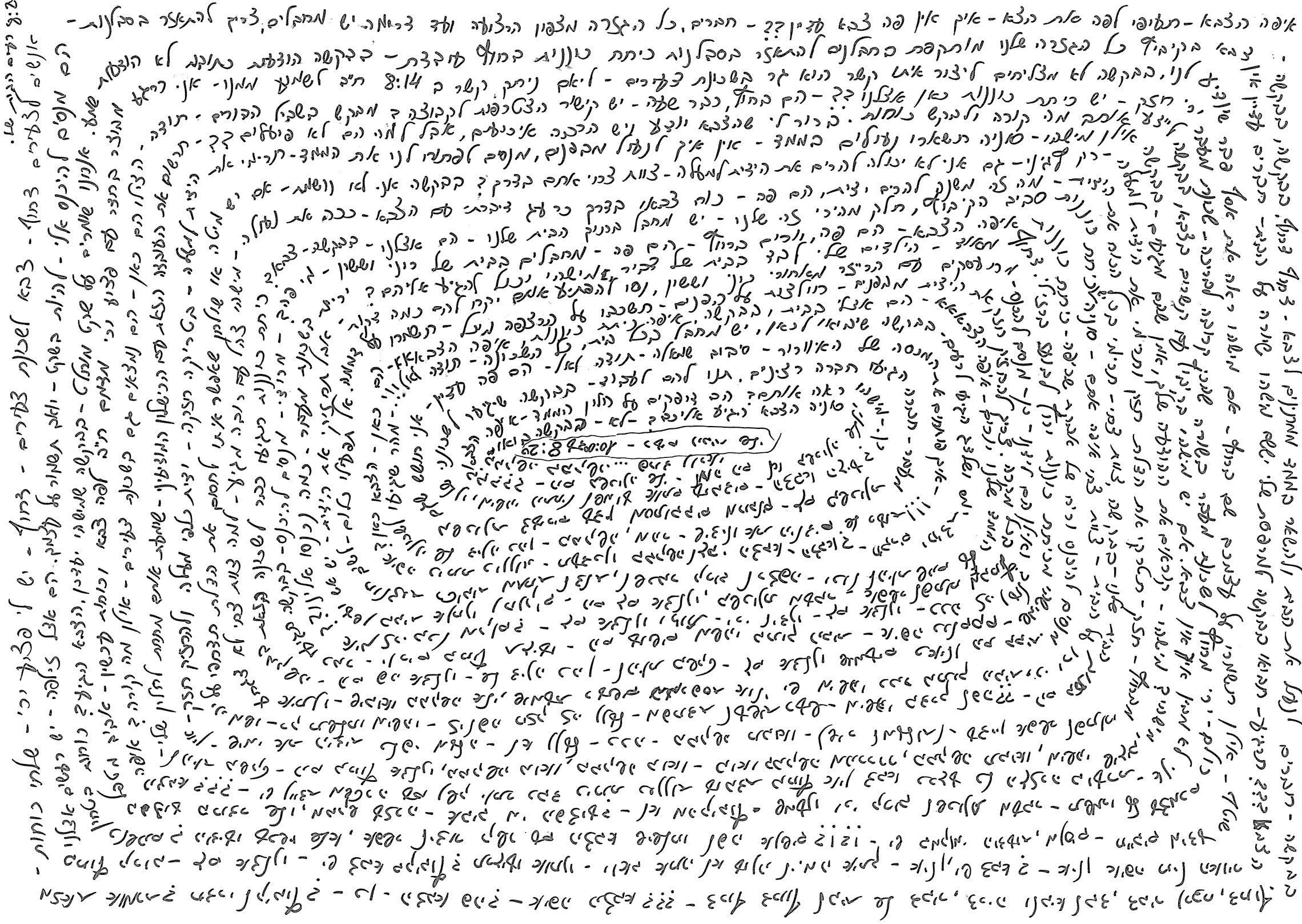
I transcribed all the messages from the group between 08:29 and 10:00, wrote them in dense cursive, and arranged them in a mandala pattern. The page ended with a message sent at 10 o’clock: “Please come. Please, please, I’m so scared…”
I took a photo and posted it on my Facebook and Instagram pages. I was shocked by the number of comments and shares. I thought it would only resonate with me and a few other kibbutz members. I didn’t know the full extent of the disaster when I created the mandala, and I didn’t expect it to have such an impact.
How does daily life look?
In the first few days, I still had some energy. I brought along many watercolors and engaged a bit with the youth of the kibbutz and some army-age members. I was happy to see them creating art and painting. In the second week, the funerals began. The funerals were small, relatively speaking, and then there were the funeral receptions. I also visited a friend whose son was murdered, and her house burned down.
Then, a bad day comes along, and I take Clonex, and I don’t want anything. I’ve come to realize they probably won’t pay me a salary for this month, and that adds to my anxiety. I tend toward depression, and I’ve been wondering when it would start.
At times, it feels like I’ve been here for a hundred years. Everything seems strange. I rarely leave the hotel, not even for the beach, and I can’t seem to establish a routine. Occasionally, there are one or two days that seem to have some semblance of order, but then it collapses. It’s too fragile.
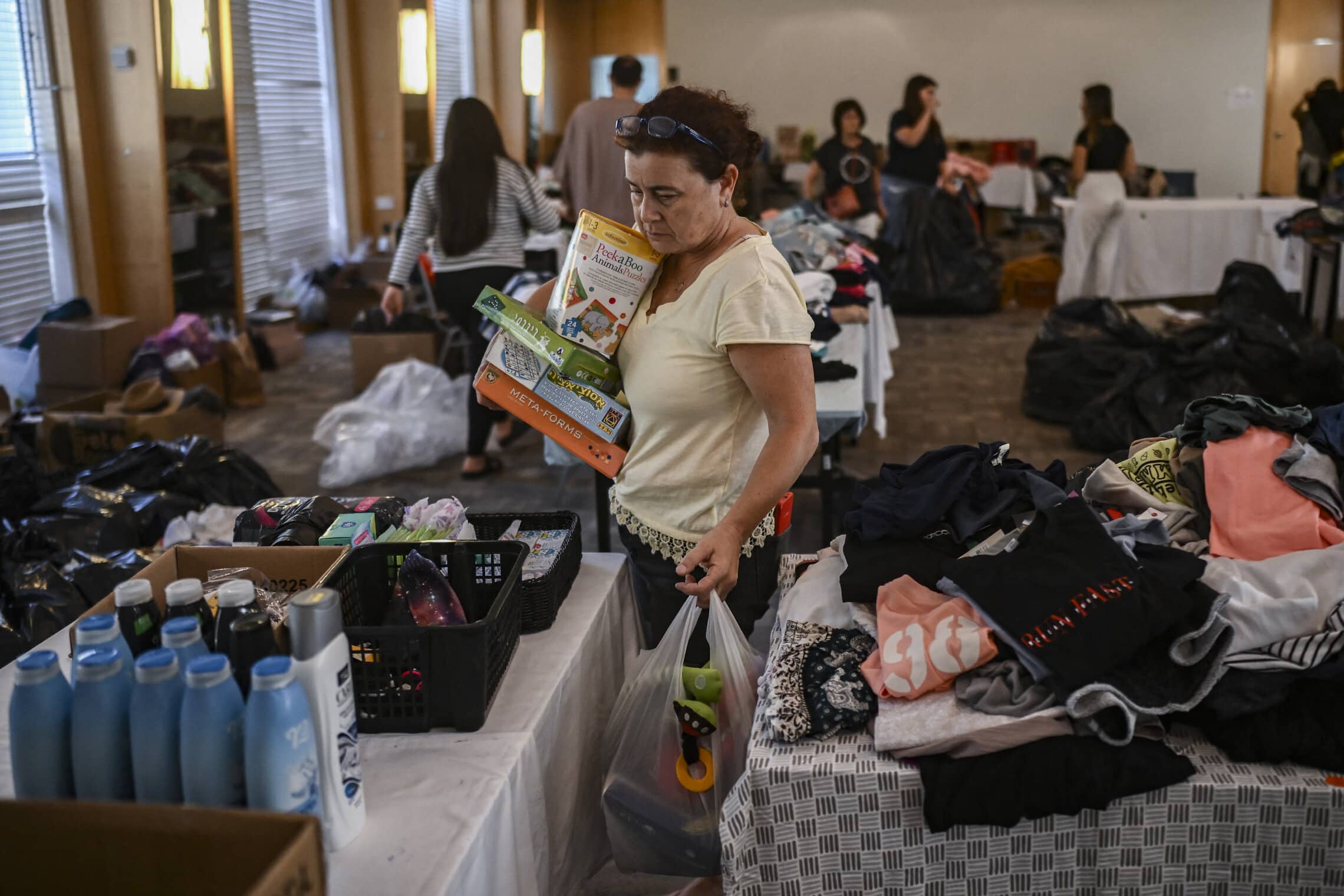
What has kept me going all these years is my work. Growing up on the kibbutz instilled in me a strong work ethic, and weekends are when depression tends to occur, especially when I’m not working. Work has always given me a reason to get out of bed. It has always lifted me up.
In recent days, they have set up tents outside the hotel in an attempt to create some educational routine for the children. A school. They are also exploring the option of using the building of Ben Gurion University’s campus in Eilat.
I’m involved in the art tent, along with another art teacher from Re’im and a puppeteer from the kibbutz who joins us. Some kibbutz members are starting to regroup. Those who can work remotely have returned to part-time work, and all the farmers go to work in the fields on Sundays and return to Eilat on Wednesdays.
What do you miss the most?
I miss my work, home, and my cats, who disappeared on that Saturday. I’m a creature of routine and less of a people person. I’m used to being alone, and suddenly, I’m living with my mom in a small hotel room. A few days ago, she asked why I’m angry with her. I explained that I’m not angry; I just feel bad, and it comes out on her because she’s here. She understood.
I just want to go home. I’ll go home even if the booms persist. I startle at every little thing, but that won’t make me move. I miss my drawing books and graphic novels.
Look, it’s not that I’m doing great at home. Even there, I feel depressed, but at least I am at home. Home is my safe place. I know it sounds strange after October 7, but this place — it’s me.
The future
There’s talk of a collective move for all kibbutz members to two buildings on Herzl Street in Tel Aviv. Most members are in favor, although the apartments are relatively small and families of four or five people will have to make do, while there’s still no prospect of returning to the kibbutz.
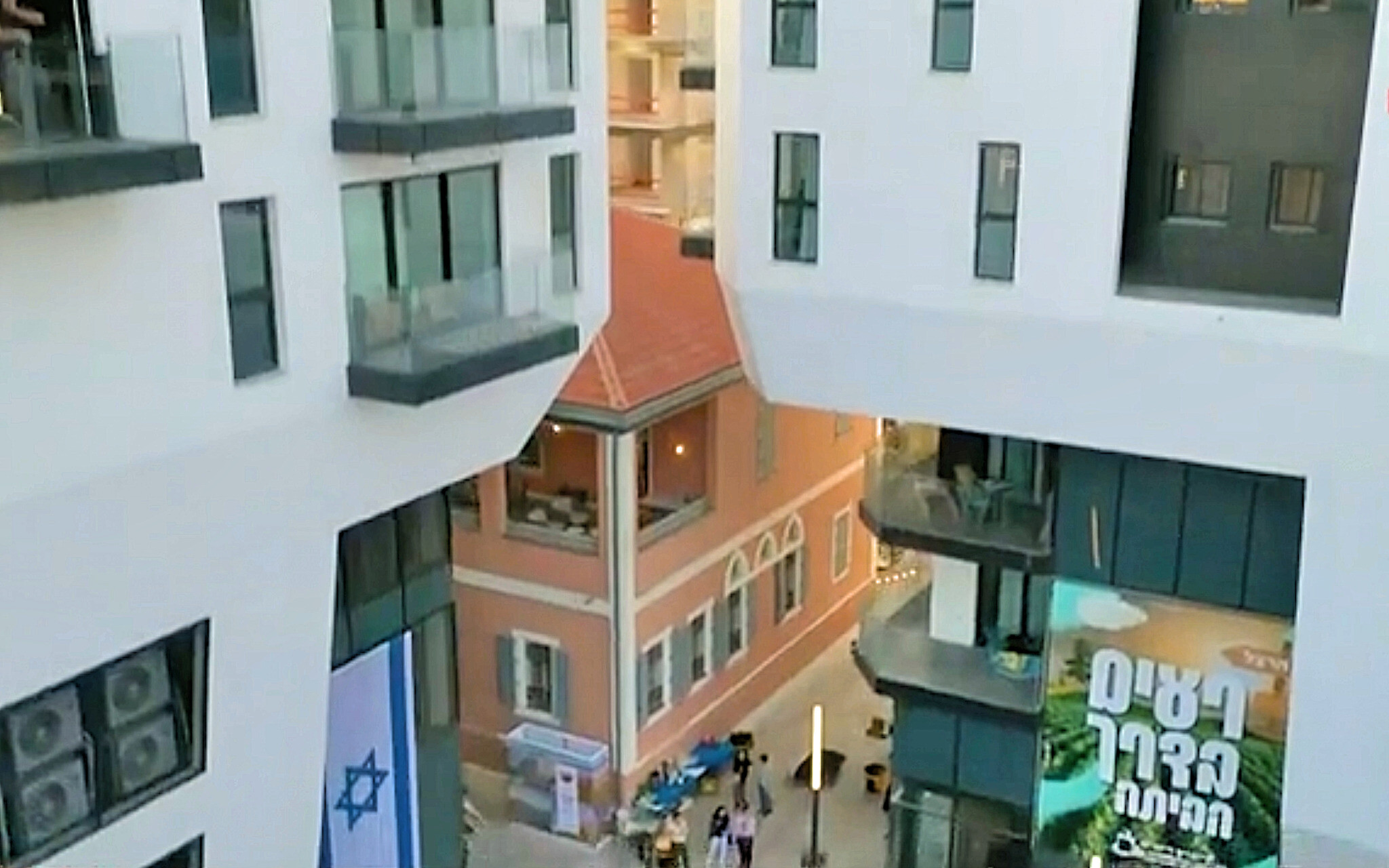
The generation of the kibbutz founders came from nowhere and built something remarkable. Until the First Intifada, I didn’t perceive our area as particularly dangerous, even during military operations and “rounds.” The north was considered more dangerous back then. Today, after what happened, I feel a heightened sense of danger, but I still want to go back. Having said that, I understand those who choose differently.
Editor’s note: After spending over 10 weeks at Eilat hotels, mid-December Kibbutz Re’im’s 435 members were welcomed into 142 longer-term apartments in two newly constructed towers in south Tel Aviv on Herzl Street.

The Times of Israel Community.