

 From the Liveblog of
Monday, October 19, 2026
Syria’s post-Assad school curriculum glorifies nationalism and jihad, demonizes Jews, study finds
 Add ToI as a Preferred Source on Google
Zev Stub is the Times of Israel's reporter on diaspora affairs and Israeli real estate.
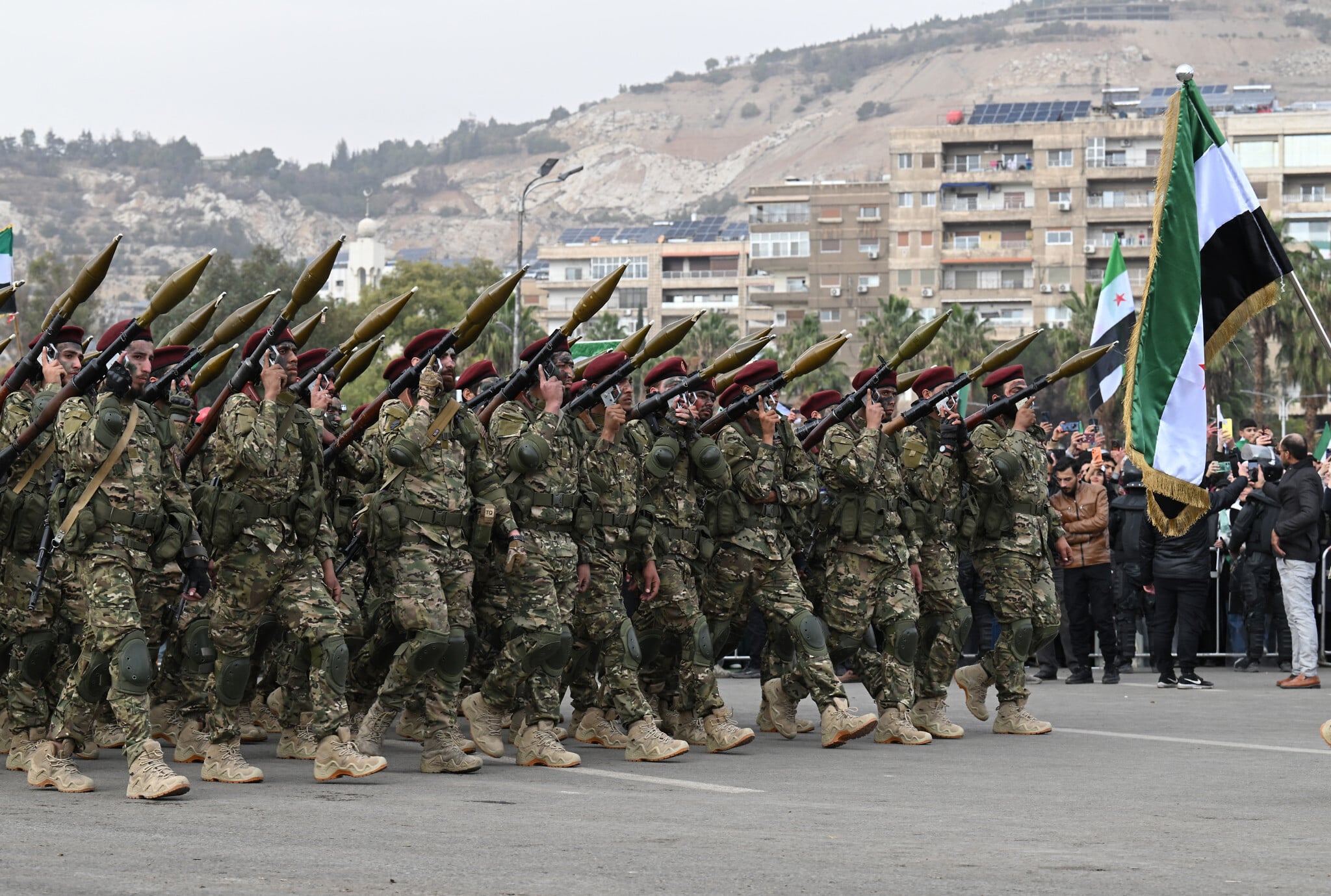
Syria’s school curriculum has undergone significant changes since the fall of the Assad regime in 2024, promoting an Islamist national identity, glorifying jihad and martyrdom, and portraying Jews through antisemitic stereotypes, according to a report by the educational monitoring organization IMPACT-se.
The study analyzed 130 textbooks for grades 1–12 used in the 2025–2026 school year and retained for 2026–2027, comparing them with textbooks published under Assad between 2011 and 2023.
The report reveals that the new curriculum represents a significant ideological transformation, replacing a pan-Arab nationalist narrative with an Islamist worldview that glorifies jihad and martyrdom.
Jews are repeatedly portrayed through antisemitic stereotypes of betrayal, hostility, and dishonesty, while Syrian Jewish history is entirely absent. Israel’s right to exist and Jewish national identity are rejected, with Palestinian violence justified or glorified as resistance and martyrdom.
Meanwhile, the curriculum removes scientific theory such as evolution and excludes minorities such as Kurds, Turkmen and Druze. Turkey and the Ottoman Empire receive more favorable treatment than in previous textbooks. Textbooks also diminish the role of women and depict them in stricter Islamic dress.
Content associated with Bashar al-Assad, his family and their regime has been “systematically removed,” the report found.
“The textbooks show a very concerning shift from one damaging ideological framework to another,” says IMPACT-se CEO Marcus Sheff, warning that the changes risk undermining tolerance and peaceful coexistence.
The study is part of IMPACT-se’s research program, examining primary and secondary school textbooks in different countries across multiple subjects and measuring them against UNESCO-based standards for peace and tolerance in education.








The Times of Israel Community.