 Add ToI as a Preferred Source on Google
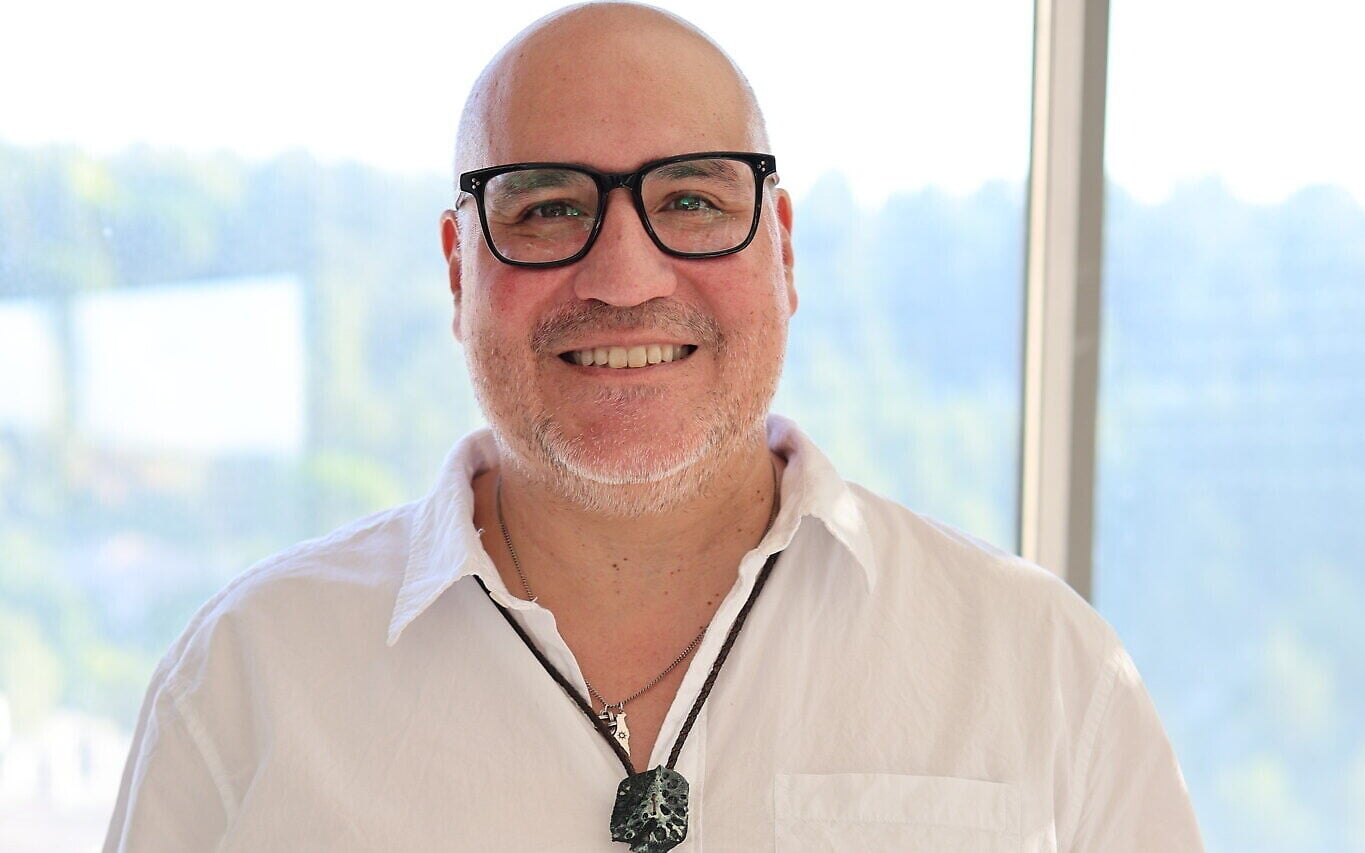
Jason Watson came to Israel ready to despise it. Then he started seeing his own story differently.
Watson grew up in North Texas carrying two traditions at once: He was raised in the Southern Baptist Church, where his grandfather was a preacher, and Sundays, Christmases and family vacations revolved around church.
But Watson, 48, is also a citizen of the Chickasaw Nation, and on his mother’s side, his childhood was filled with Chickasaw stories, family history and memories passed down from his grandparents.
“My childhood was a mix of Chickasaw culture and Southern Baptist culture,” Watson says. “Not fighting each other but complementing each other.”
His grandparents told him how the Chickasaw were forcibly removed from their ancestral homelands in what is now Mississippi and Tennessee and sent west under the Indian Removal Act.
WATCH the full episode here:
They also told him stories about the natural world: why certain squirrels have stripes on their backs, how the earth came to be, and why an owl appearing outside a window could be understood as a messenger of death.
At the same time, they went to church.
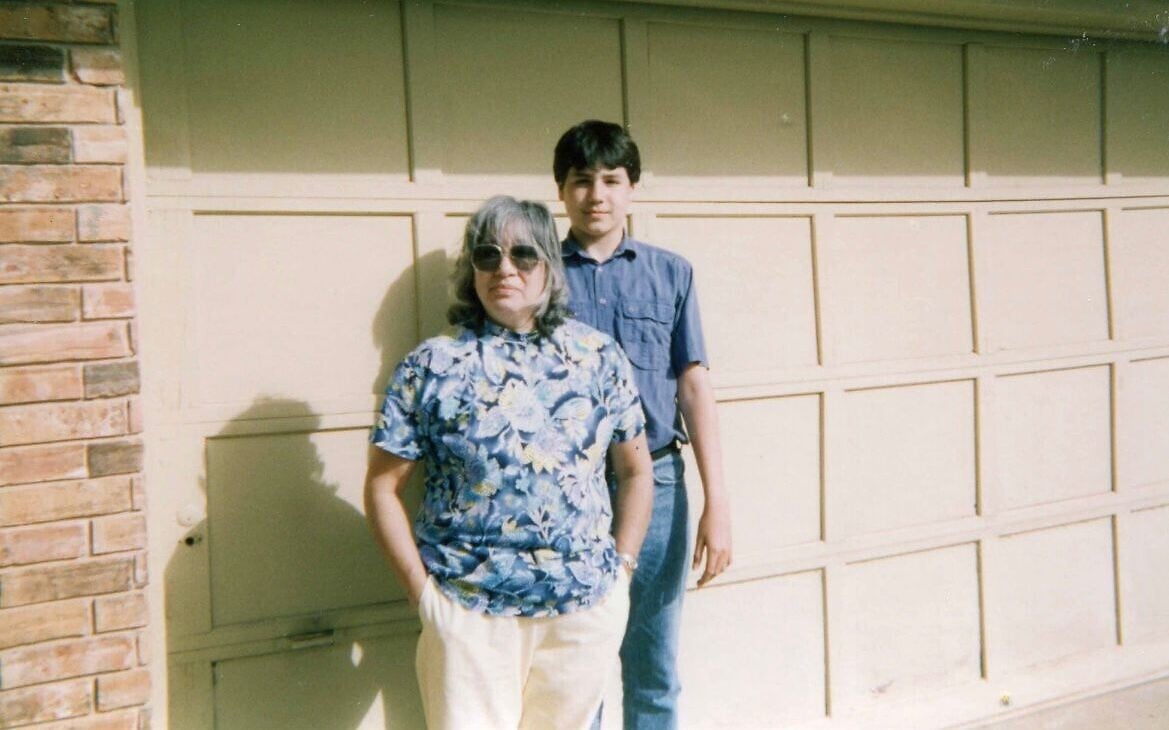
“We all still hang eagle feathers from our rearview mirrors and tell stories about how the Earth was created out of a mud ball,” Watson says, “and are also still able to hold Christianity in the other hand.”
That ability to hold more than one identity at once would eventually shape the way Watson approached Israel.
As a college student at the University of North Texas in the early 2000s, Watson studied international relations with the intention of working with refugees. He interned at the Center for Survivors of Torture in Dallas, where he encountered asylum seekers from Sudan, Eritrea, Ethiopia and the former Yugoslavia.
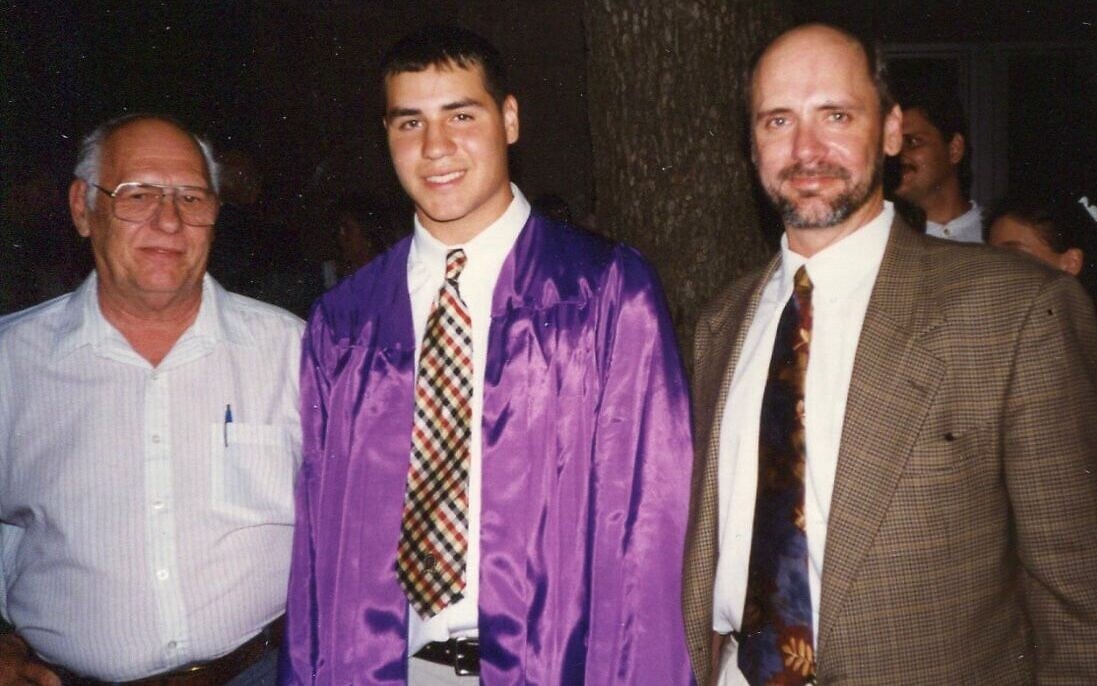
His motivation was deeply personal.
“As a Chickasaw, I wanted to stop, or be a part of helping people not have to leave their homelands,” he says. “I just didn’t want anybody to have to flee their homes or their indigenous lands like the Chickasaws were forced to.”
But Watson realized that by the time refugees reached him, the displacement he wanted to prevent had already happened.
He briefly planned to attend law school. He studied for the LSAT, drove to the testing center, sat down, began the exam and then abruptly put down his pencil.
“I canceled my score,” he says. “I went to my car and thought, ‘Oh my gosh, what did I just do with my life?'”
Instead, Watson joined the Peace Corps.
In 2003, he was sent to Uzbekistan, where he deliberately requested one of the most remote placements available: Karakalpakstan, an autonomous region near the disappearing Aral Sea.
The experience changed him.
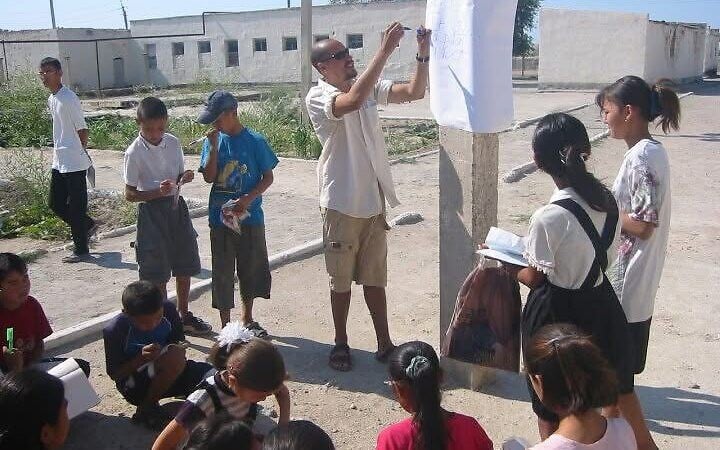
Watson encountered an indigenous population living with severe environmental damage, economic inequality and the lingering consequences of Soviet rule. He also learned something he says would later prove essential when he moved to Israel: arrive with humility.
“I’m coming into this foreign environment with skills that may or may not be relevant at all to them,” he says.
Rather than present himself as the American expert sent to fix local schools, Watson told his colleagues that they knew their classrooms better than he did. Together, they built a library and developed educational programs.
His Peace Corps service ended abruptly in 2005 amid political unrest and violence in Uzbekistan, and Watson returned to the United States to study conflict resolution at the University of Denver.
That eventually brought him to Jerusalem.
Through a program at Hebrew University’s Minerva Center for Human Rights, Watson arrived in Israel carrying some strong assumptions.
“I came with an agenda,” he says.
Watson had grown up with a positive theological connection to Jews and Israel through Christianity. But through his studies in human rights, and particularly through the prism of his Chickasaw identity, he had come to identify strongly with the Palestinian experience.
“I saw what I thought was happening in the Palestinian community as my story,” he says.
He expected his time in Jerusalem to lead him deeper into anti-Israel activism. Instead, something unexpected happened.

Watson studied with Jewish and Arab professors, attended court proceedings, met people working inside Israeli institutions, and interned with a legal project advocating for Bedouin women from polygamous marriages who were seeking access to child support and other rights.
He also worked alongside human-rights groups whose reports he had previously relied upon in his academic work. Some of those encounters left him disappointed by what he believed was a gap between the narratives presented abroad and the more complicated reality he encountered on the ground.
“I walked away with the idea that Israel was not the boogeyman that I had learned that it was,” he says.
More importantly, Watson says, he began considering Jewish history through a framework he already understood intimately: indigeneity.
“I realized I’d only been considering the indigenous consciousness of one side of this equation and not the other,” he says.
He called his grandparents back in the United States.
“I feel like I’m around a bunch of Indians that are Jewish,” he remembers telling them.
For Watson, Israel increasingly looked like something remarkable: an indigenous people who had revived an ancient language, returned in large numbers to their ancestral homeland and built a sovereign state.
“As a Native American, as a Chickasaw, I started looking at Israel as the Indigenous success story,” he says.
Back in Denver, Watson met Jessica, a Jewish woman, at what he describes as “a beer festival slash fundraiser for bicycle safety.”
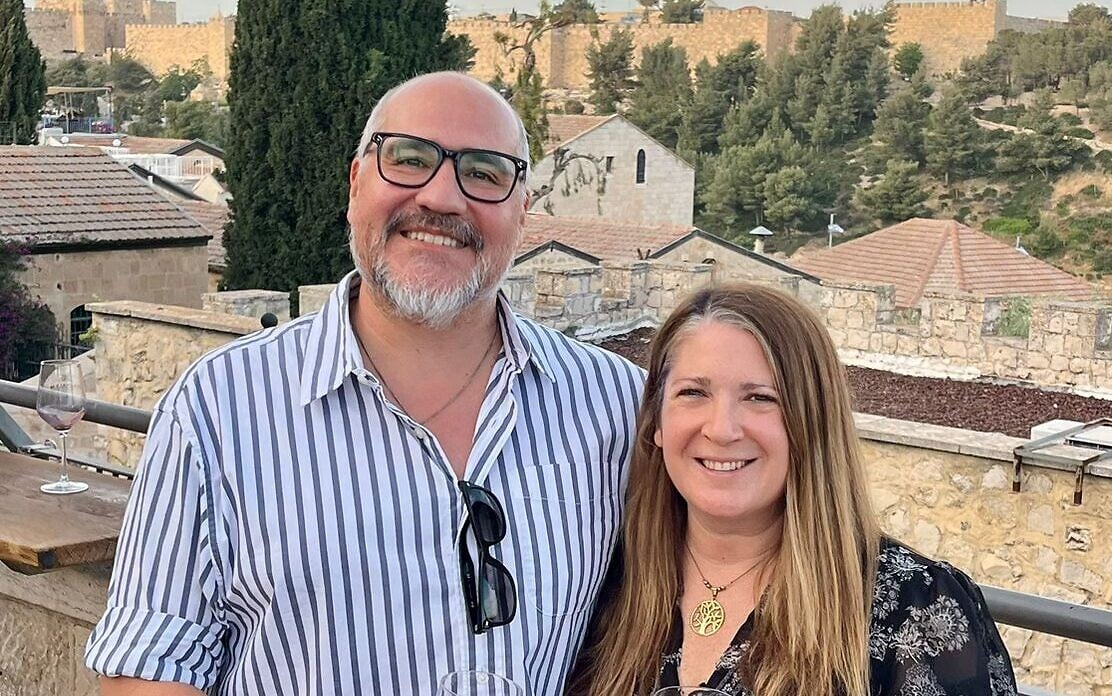
On their first date, Watson told her he intended to leave the United States after graduation, probably for Central Asia or Israel. After listening to him explain his connection to Israel, she interrupted him.
“Wait, are you Jewish?”
“No,” he told her. “Is that a deal breaker?”
Then she asked another question.
“Do you think Israel has a right to exist?”
“Absolutely,” Watson replied.
The date apparently went well enough.
“She’s now my wife,” he says. “We’ve been married almost 10 years, known each other for 12.”
During the COVID pandemic, the couple decided that if they were ever going to move to Israel, this was the moment. Because Jessica was eligible for naturalization under the Law of Return, Watson was able to immigrate with her.
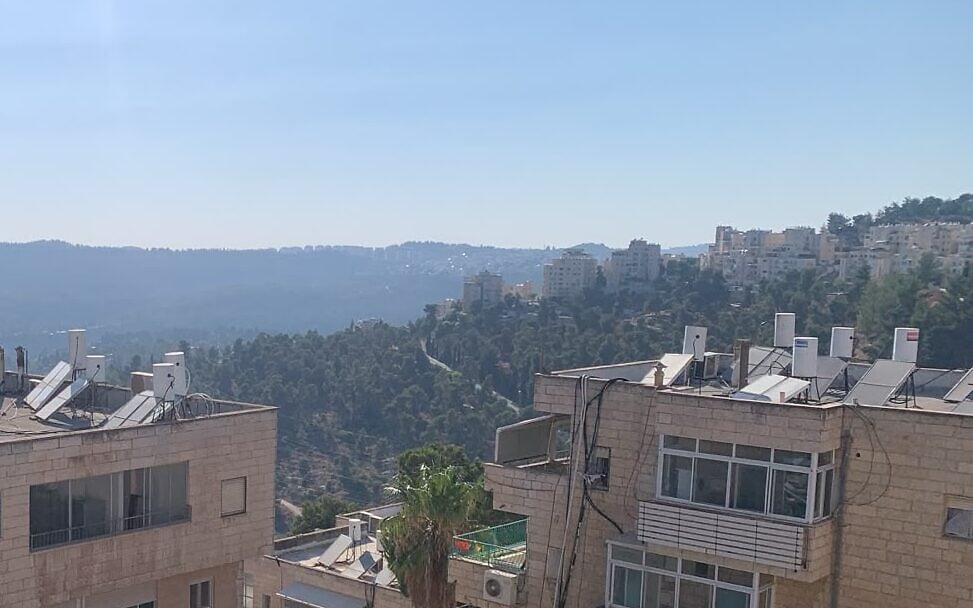
They eventually settled in Jerusalem, where their living room balcony opens up onto the hills that stretch beyond the city.
Watson returned to education, first teaching English in an Israeli high school, an experience that introduced him rather quickly to the formidable negotiating abilities of Israeli teenagers.
“They have really great self-advocacy skills,” he says diplomatically.
Then came October 7, 2023.
Watson says the bloody Hamas onslaught profoundly intensified his sense of connection to Israel. At the same time, he watched some former colleagues and people in Indigenous communities abroad embrace increasingly hostile rhetoric toward Zionism and Israel.
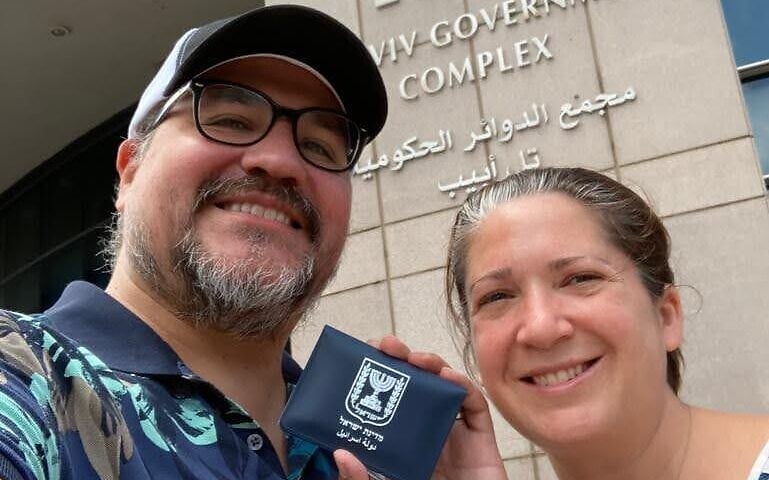
What surprised him most was hearing other Indigenous people dismiss Jewish claims of indigeneity.
Then Watson remembered something uncomfortable.
Not so many years earlier, he had failed to see it too.
“It took me coming here as a graduate student under very intentional purposes to grasp it,” he says.
Looking for somewhere to put his energy, Watson stumbled across an Instagram account called Indigenous Bridges, an Israeli organization seeking relationships among Jews and Indigenous peoples around the world.
He sent a message.
“I’m Chickasaw. I made aliyah to Israel. I’m not Jewish. I live in Jerusalem. I want to do something,” he wrote, using the Hebrew word for immigration.
Soon afterward, he met the organization’s founder and director, Ateret Shmuel. By the end of their conversation, she had asked him to become assistant director.
Today, Watson works with Indigenous Bridges to connect Indigenous leaders and communities internationally and to challenge narratives about Israel that he believes misuse concepts such as colonialism, indigeneity and apartheid.
His positions are not universally welcomed. Watson says some critics have accused him of being brainwashed, of being a colonizer, or even of not being genuinely Chickasaw because of his views.
For Watson, the point is not that the Chickasaw and Jewish experiences are identical. They aren’t. Nor does his support for Israel mean that the Israeli-Palestinian conflict is simple.
It means that his own history gave him another language through which to understand this place.
Watson came to Jerusalem expecting to find one story. Instead, he found another indigenous people telling theirs.

The Times of Israel Community.