 Add ToI as a Preferred Source on Google
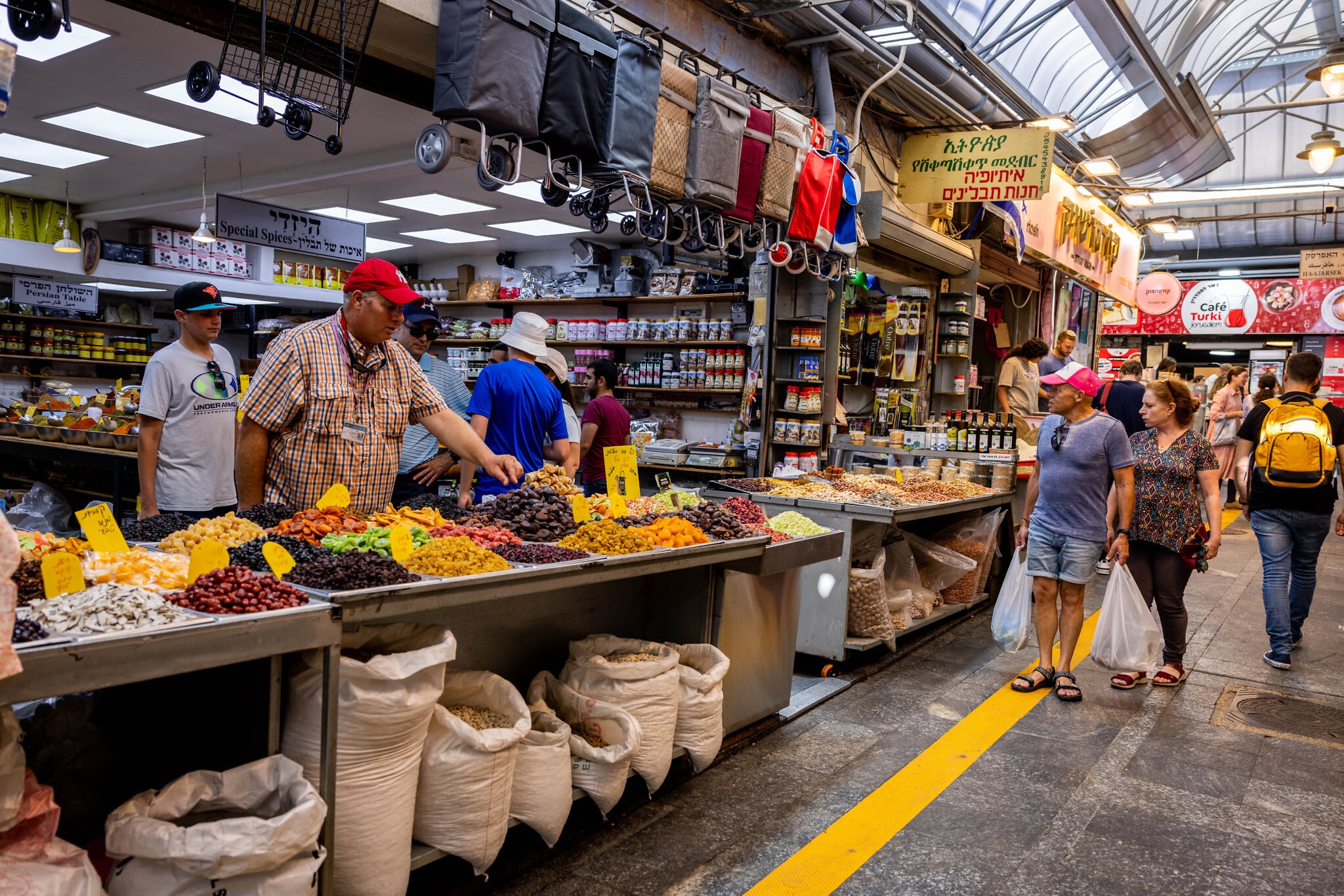
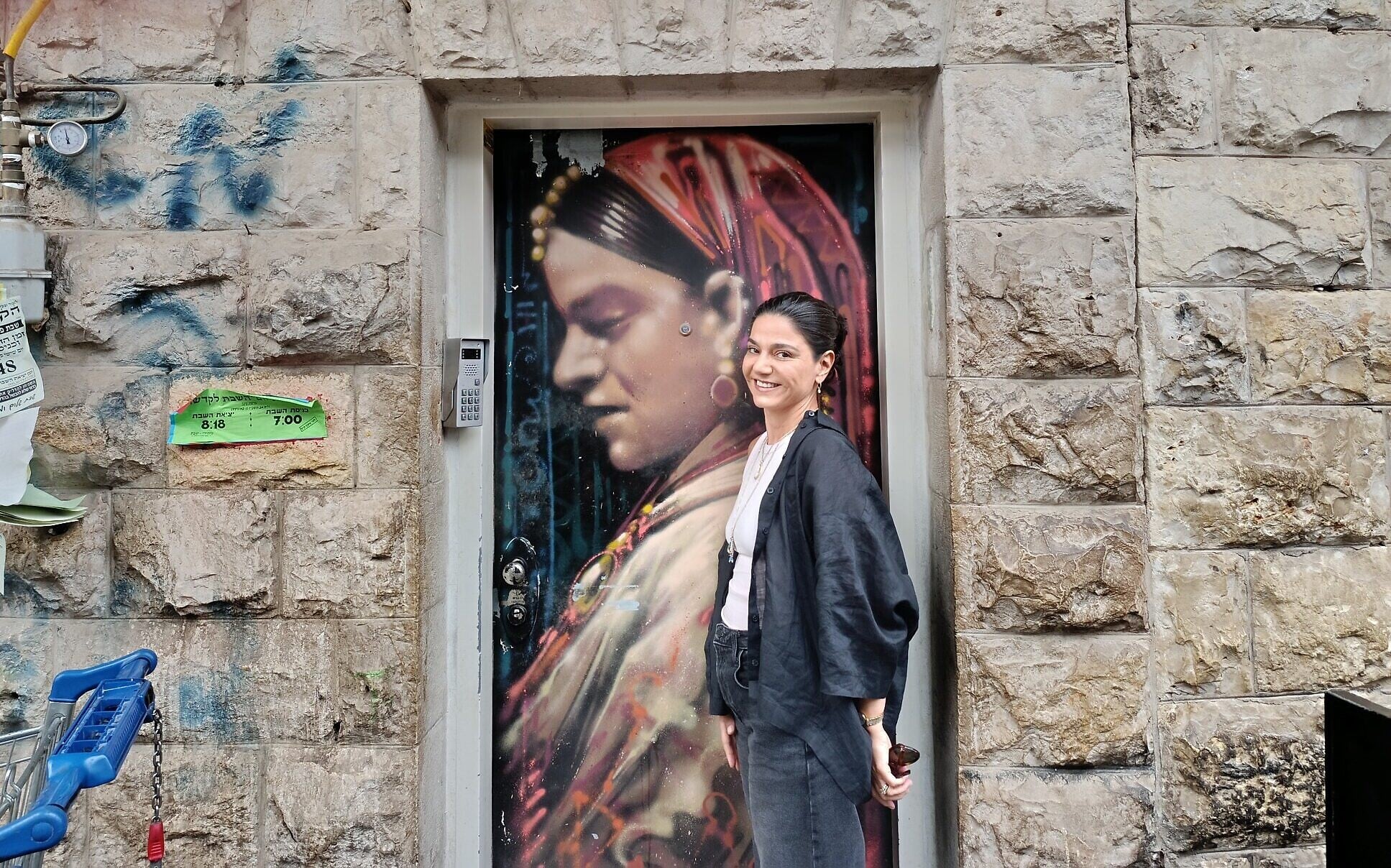
Tali Friedman seems to know just about everyone at the Mahane Yehuda market in Jerusalem. As she walks among the colorful, crowded and noisy alleys of Israel’s most famous shuk, vendors stop her to update her on bureaucratic issues, ask for advice about their business situations, and sing her praises to anyone who’ll listen.
As the chair of the market’s Merchants Association who has run cooking workshops for visitors for nearly two decades, she believes she understands Mahane Yehuda’s opportunities and challenges as she works with the owners to map out a vision for the future.
“The trick is to maintain the shuk’s balance as it continues to change,” Friedman explained over a cup of iced coffee at one of the market’s trendy gourmet cafes. “There is a danger that the old, authentic market will get lost to the new market vibe, and that would be bad for everyone. We need to preserve the market’s authentic heritage in a way that will ensure that shoppers and tourists continue to come.”
This challenge is central for Friedman and other shuk vendors as they prepare the market for one of its biggest overhauls ever, a NIS 54 million ($17.8 million) upgrade scheduled to start in October 2027.
The plan, funded by the Tourism Ministry and the Jerusalem municipality, will look to dig up and replace the market’s electricity, water and sewage systems, install new floors and lighting, and overhaul the roofing that runs the length of the market’s covered lanes — all without shutting down business operations for even a day.
“We are going to start with the main street in the middle of the shuk, and after that, move on to the other streets, one by one,” explained Ariel Baziz, a Jerusalem City Council member from the Hitorerut party who has been involved with the project. “We’re putting a lot of effort into making sure that businesses can stay open.”
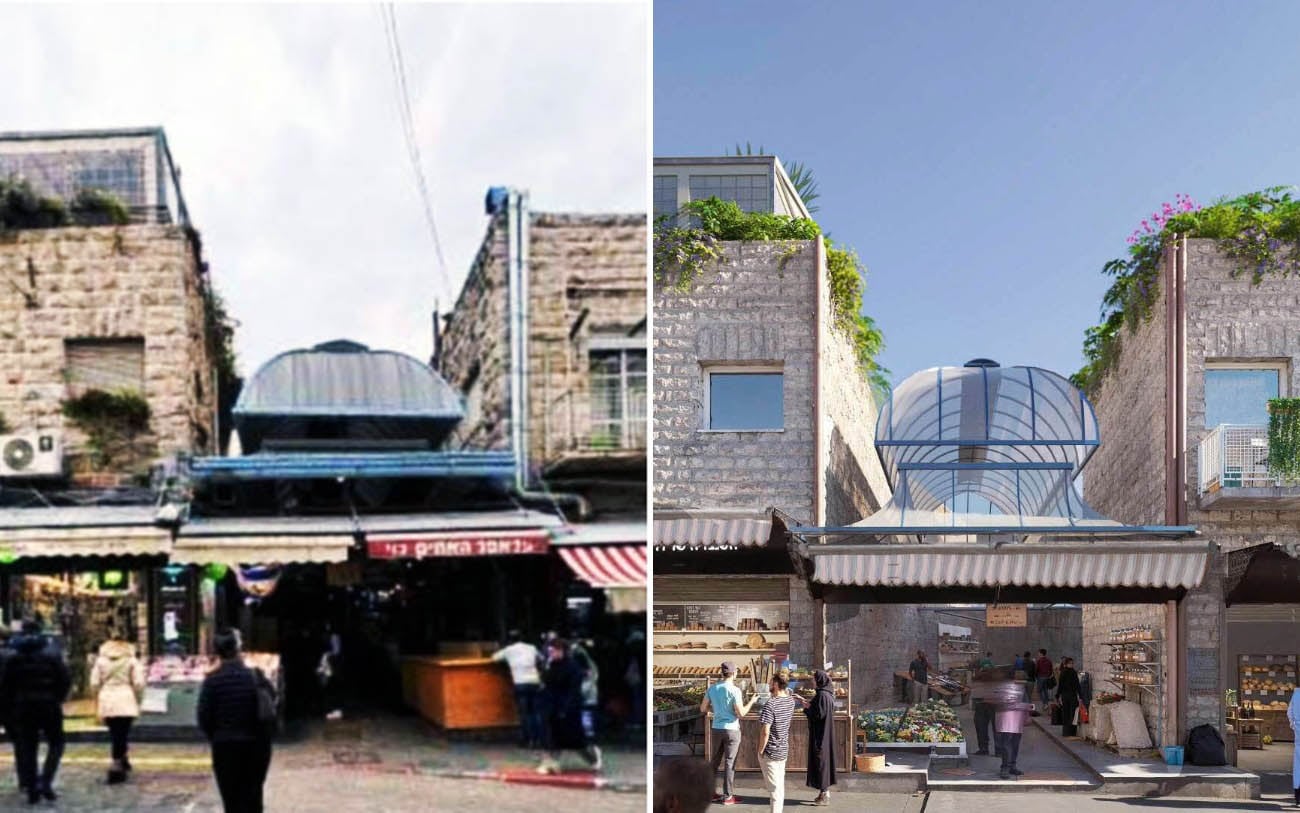
The plan, spearheaded by the late Eyal Haimovsky, who served as CEO of the Jerusalem Development Authority, won’t alleviate the market’s crowding or solve its parking shortage, but it will modernize the infrastructure and help ensure that it can continue to evolve in the future, Friedman said.
The stakes are high to get the upgrade right without harming the current balance, Friedman said. The market is home to more than 450 businesses employing some 10,000 people, she said, citing internal data. It’s also one of the most-visited destinations and tourist attractions in the country, drawing as many as 100,000 people on the busiest Fridays.
“We’ll make sure that every store has an accessible entrance so they can continue working, even if it takes longer,” Friedman said. “Shutting businesses down isn’t an option — too many families need the income.”
The plan will also test whether Jerusalem can modernize one of its best-known landmarks without sacrificing the character that made it famous.
“This is something that hasn’t been done for more than 30 years, and it will have dramatic effects on the infrastructure of the entire neighborhood,” Friedman said. “This is the supermarket of Jerusalem, and we need to be prepared for the future without abandoning what makes us special.”
A history of change
Jerusalem’s fabled market has gone through a number of changes since it was created nearly 150 years ago. For decades, it served as the city’s central market for fresh fruits, vegetables, meats, fish, cheeses, baked goods and other household staples.
And there was live entertainment in the shuk even before the boom in nightlife in recent years, noted Harry Rubenstein, who leads culinary tours of the market.
During difficult times, including the Second Intifada, it also came to serve as a symbol of Israel’s resilience.
“Since the early days, you had bars and clubs like Casino de Paris,” Rubenstein said. “There were workers’ restaurants like Azura since the 1950s, and there have been plenty of cafes. But in the years around the intifada in 2000, most of that was no longer there.”
Under the shuk’s ownership structure, each of the stalls is individually owned, but the overall administration of the market area is controlled by the municipality (unlike at the Clal Center next door, where a collective ownership structure made it virtually impossible for the building to evolve).
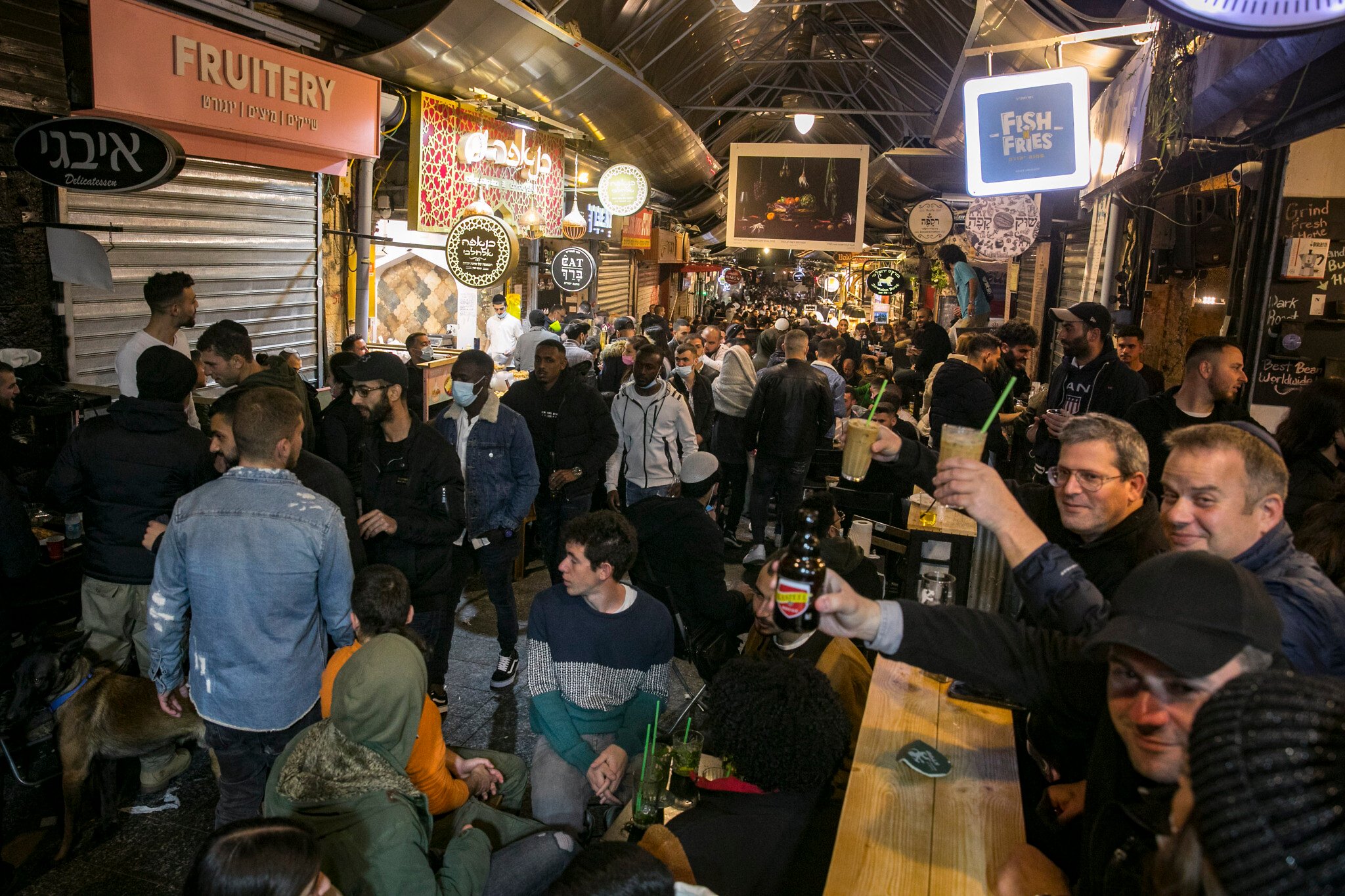
Locals typically trace the beginning of the shuk’s modern transformation to 2007, when acclaimed restaurants such as Machneyuda opened and the area’s nightlife began to flourish. Others say a merchant named Eli Mizrahi actually planted the seeds several years earlier when he opened his Cafe Mizrahi at the height of the Second Intifada.
“I remember the scene like it was yesterday,” Friedman recalled with a smile. “One of the vegetable stall owners came to Eli and said, ‘What are you doing? Who’s going to drink coffee in the market?’ We can see now that he didn’t understand what was about to happen.”
In the years that followed, a wave of trendy restaurants and bars started to open, and the shuk began attracting media attention locally and internationally as it evolved from a place to buy cheap produce into the city’s culinary and cultural destination.
“Once things started changing, the shuk became a lot more commercial and trendy very quickly,” Rubenstein said. “There’s definitely more food chains and more of a TikTok vibe now.”
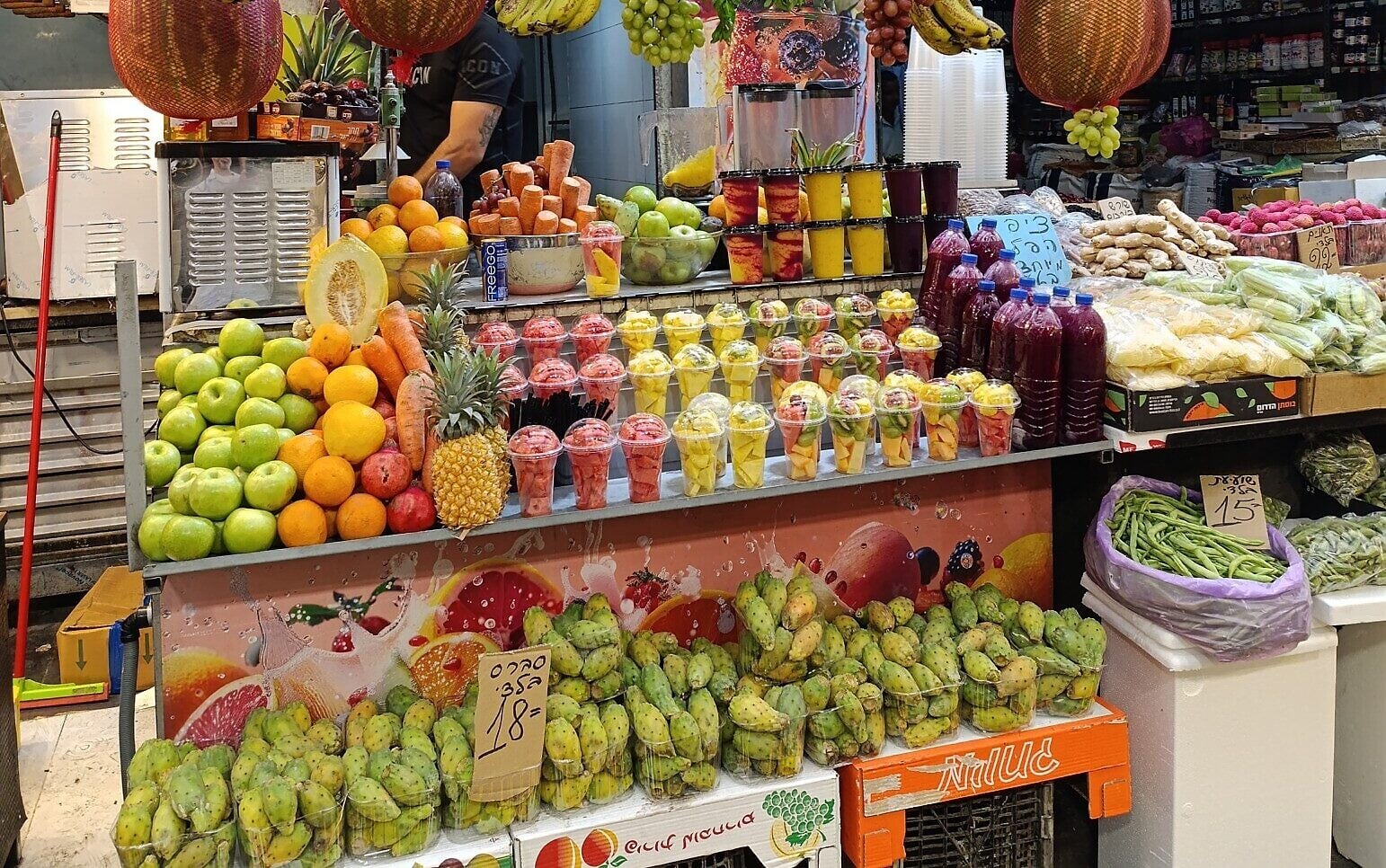
Constraints and conflicts
The dramatic changes have brought challenges: the constant flow of tourists, dense crowds of shoppers, and increased noise levels, especially when the bars swing into gear in the evening.
The market is a 24-hour operation, starting at 4:30 a.m. when the first trucks begin to arrive with merchandise, Friedman said. Over the course of the day, people are there shopping until the evening, when stores start to close and the bars open up. Venues are allowed to remain open until 3 a.m., when the cleaners come to hose down the streets and get the market ready for another day.

Much of the tension comes at around 6 p.m., when the night businesses start opening and disrupt the daytime vendors, Baziz said.
“There is an ongoing conflict between the people who come for nightlife and those who are shopping for vegetables or fish,” he said.
Several weeks ago, Jerusalem’s District Court overturned an existing policy regarding noise laws in the area, ruling in favor of the bars that the shuk is not a “residential area” after police confiscated speakers from several businesses.
The municipality is currently working with vendors to reach a long-term compromise regarding the hours music is played that will restore trust between the different sides, Baziz said.
“We’re communicating with both sides, trying to hear what everyone has to say,” he said. “We’re trying to reach a space where everyone can say yes.”
Meanwhile, the throngs of tourists create challenges for businesses on a daily basis, Friedman noted.
“When you’re a tour guide here, it’s not like guiding at Masada or the Old City,” she said, eyeing a tour group blocking a small street next to a cafe. “There are people working here. You can’t just start rearranging things in the storefront for your photo. We are not in a zoo.”
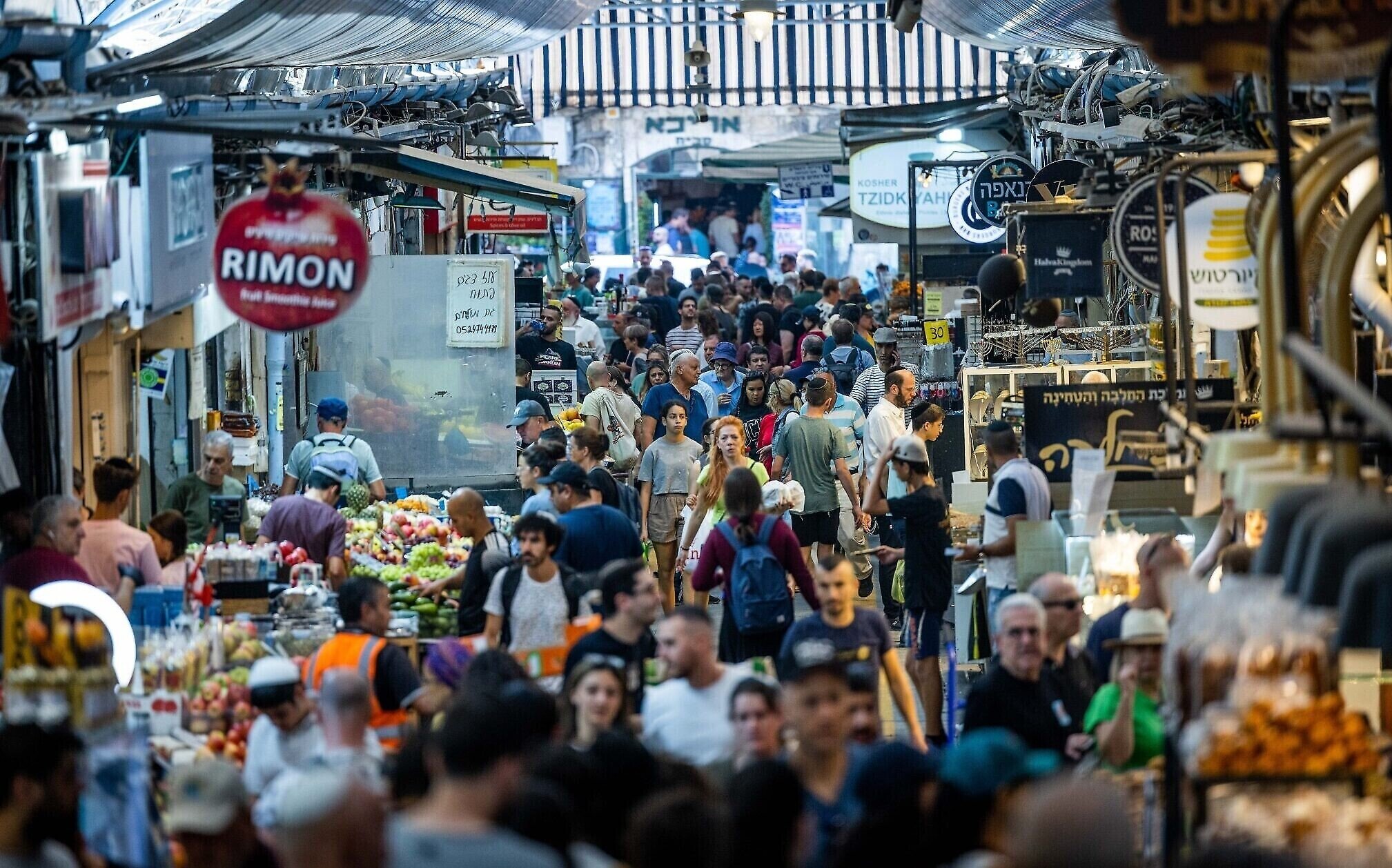
Regarding traffic and parking shortages, no relief is seen on the horizon. A pilot program shutting down one lane of Agrippas Street on Thursday night and Friday to enhance foot traffic hasn’t yet proven its value, Friedman said.
“There isn’t enough room on the sidewalks, and shopping there can be dangerous for some places on Friday morning, but this plan means buses can’t go by and some people can’t get here,” she said. “We’re still trying to find a better solution.”
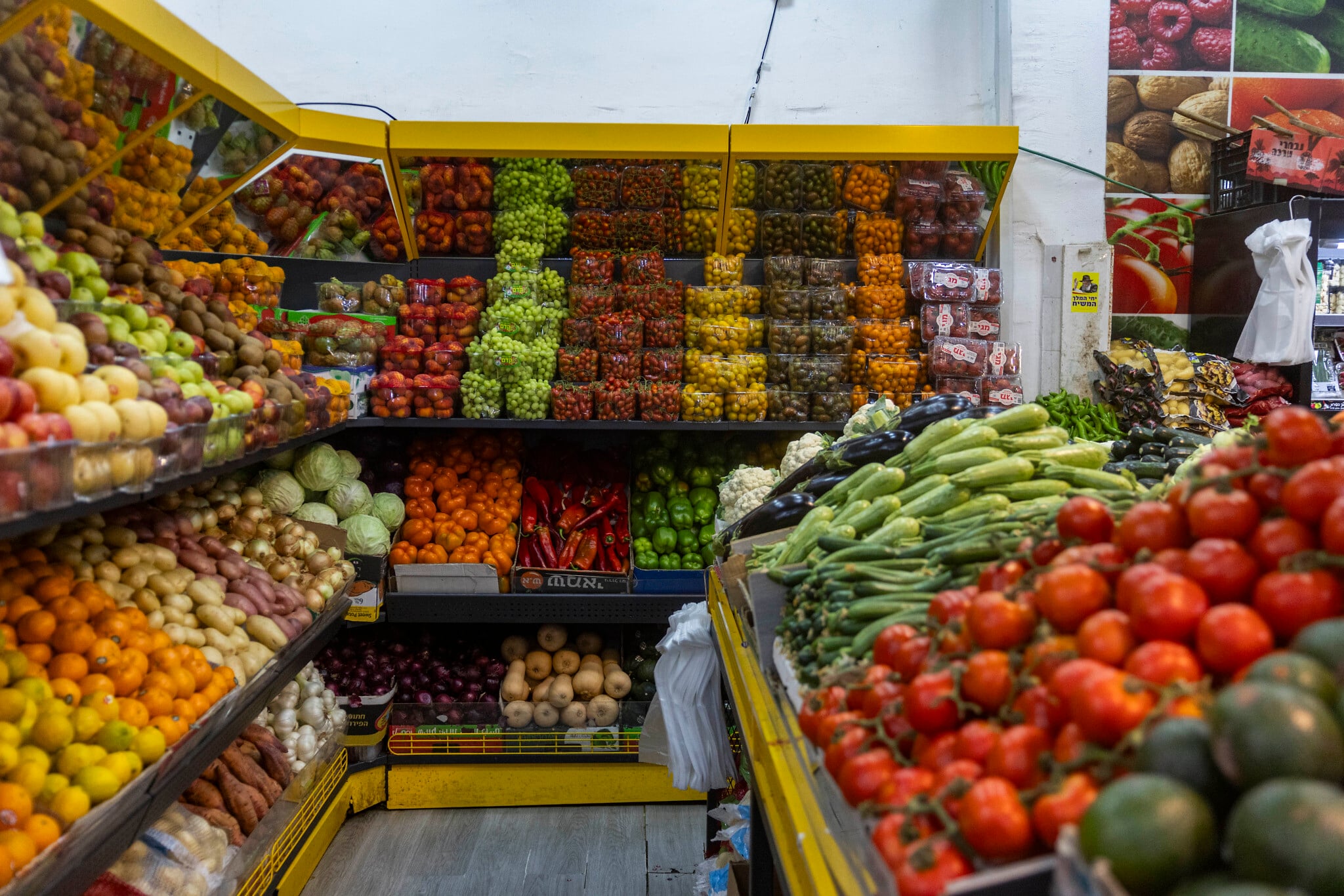
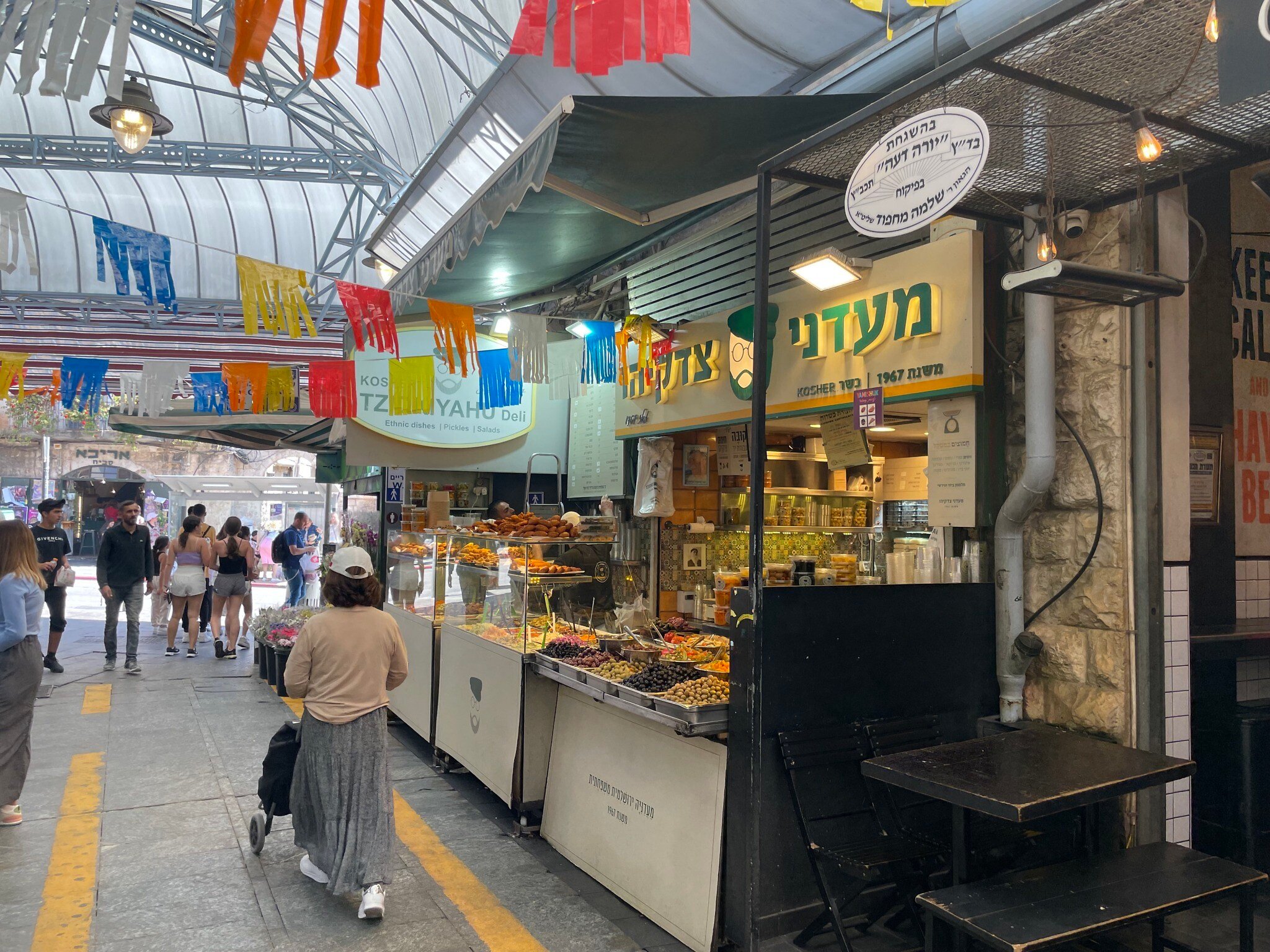
Many of the shuk’s ongoing challenges require broader solutions than the current upgrade plan, noted Yaron Tzidkiyahu, owner of the Tzidkiyahu Delicatessen, which his family opened in 1967.
“Besides the physical renovation, there are questions of culture, security, and management,” he said. “If you are going to get serious about modernizing the market, there are many other layers that have to be managed.”
But working on these challenges is difficult and time-consuming, Friedman said. She said she doesn’t take for granted that a woman was chosen to represent a sector that is almost completely dominated by men.
“The fact that they chose me for this position shows how flexible these men are in the way they view life,” she said. “Some people might imagine that they would be old-fashioned in their thinking, but there is a rare wisdom and perspective they learn in the market.”
Maintaining authenticity
All of this comes back to the challenge of finding the right balance for Mahane Yehuda businesses to keep working together peacefully for the long-term benefit of the market. Sometimes, it can be challenging to define what that means.
“The city has completely changed over the last decade, and the market is surrounded by construction of luxury housing that will be bought by wealthy Americans who probably won’t even shop there,” Rubenstein said.
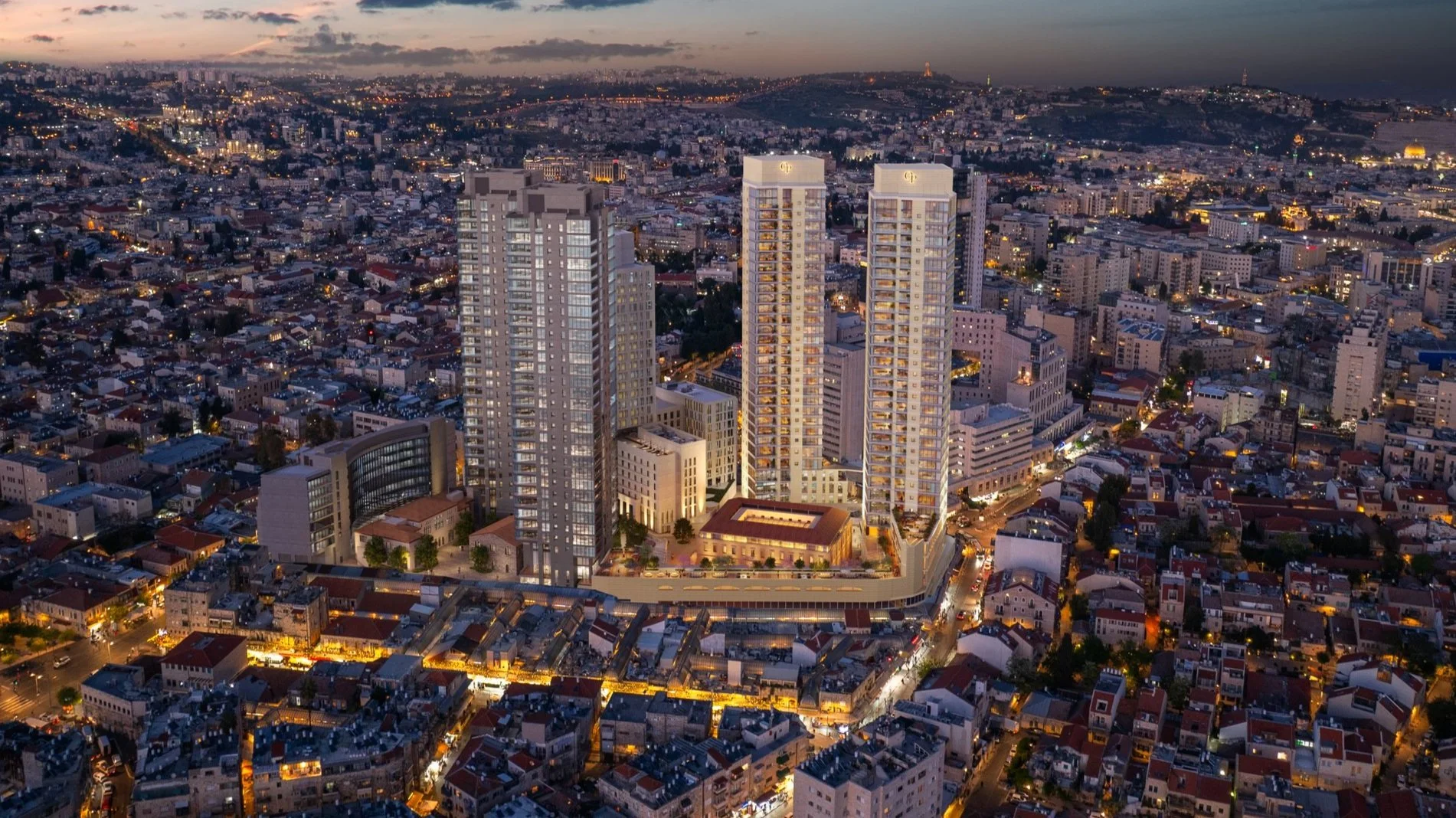
As expensive new homes are built around Jerusalem at record levels under the city’s ambitious urban renewal plans, maintaining the historical feel of areas like Mahane Yehuda becomes increasingly challenging, Rubenstein noted.
“The irony is that, while the marketing pitch for these homes is their proximity to the authenticity and history of old Jerusalem, they are not going to help sustain that authenticity themselves,” he said.
Criticism like this isn’t unique to Jerusalem, Friedman said. Historical markets in cities around the world — from Berlin and Florence to Bangkok and Mexico City — face similar culture clashes with modernity. A 2023 conference held in Jerusalem brought together representatives from markets across Europe, Asia and Latin America to create an international association dedicated to exploring solutions, she said.
“The train may have already left the station, but it’s the history that keeps the stores here busy,” she said. “A young girl can take a selfie of herself holding a cup of coffee at any mall in the world, but if you see the graffiti and the commotion behind her, it becomes something beautiful and unforgettable.”
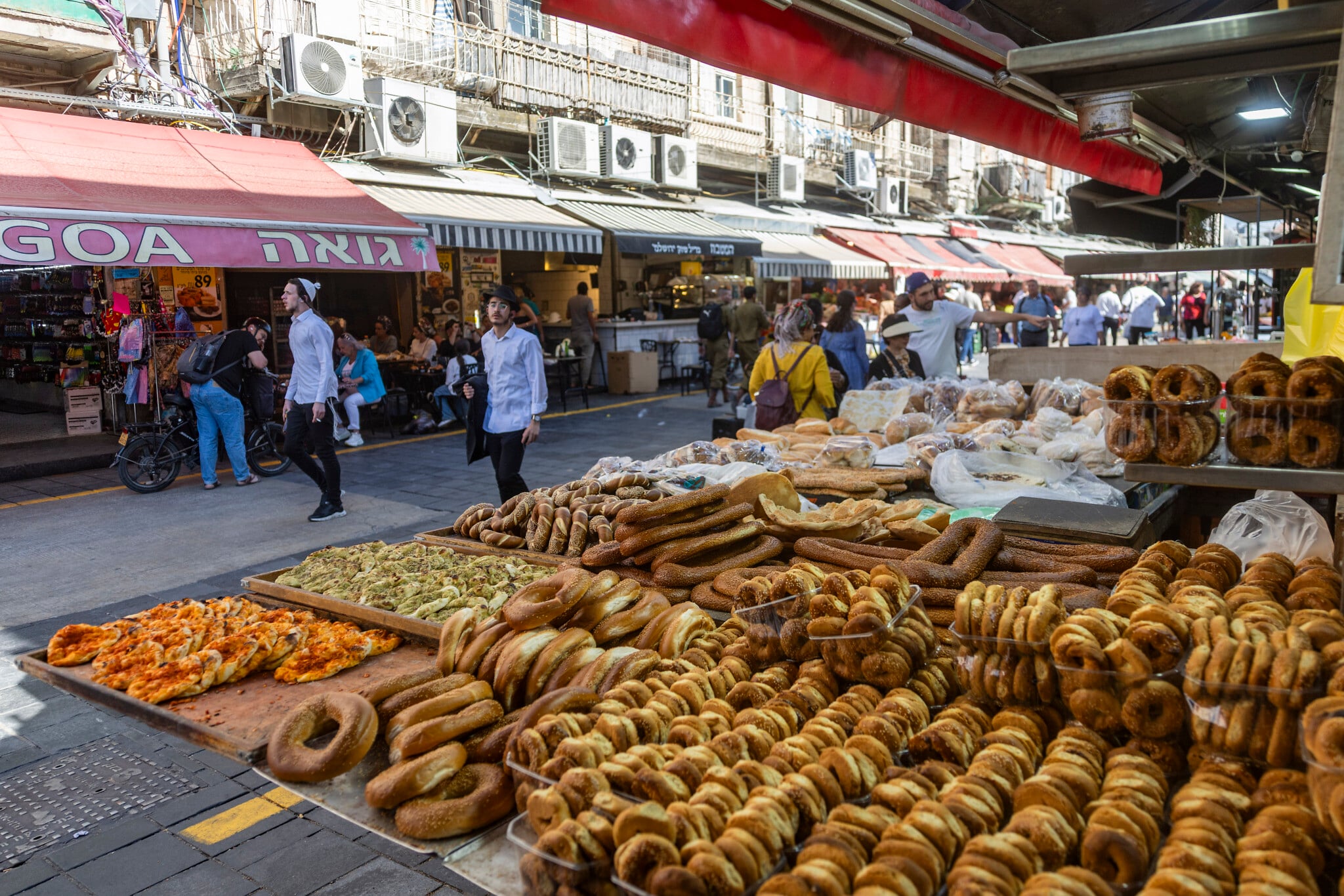
Rubenstein agreed. “Tourists actually love the noise, the crowds, and even the grime they experience in the shuk,” he said. “People don’t want to come here and see the same types of awnings on every stall. They love the hodgepodge.”
While it may seem paradoxical in a world where the new is rapidly replacing the old, this understanding may hold the key to the shuk’s future, Rubenstein said.
“What this is all about is authenticity,” he said. “That’s what everyone is looking for.”

The Times of Israel Community.