 Add ToI as a Preferred Source on Google
The United States joined Israel in striking Iranian military and nuclear-linked targets this week, and thousands of Jewish American service members found themselves balancing their patriotic duties with religious obligations. For many, it wouldn’t be the first time.
As a visibly Jewish soldier beginning basic training at a sprawling US Army base in the American heartland, Esther — a graduate of an ultra-Orthodox high school in Monsey, New York — quickly discovered that religious observance in uniform could come at a cost.
“During my first week, they didn’t have any kosher food. They tried to serve me halal,” said Esther, who asked to use a pseudonym to protect her privacy. “I said, ‘It’s not the same thing,’ and they said, ‘OK, so starve.’ They said it as a joke, but I only ate fruit and granola bars until they realized I was serious.”
With no Jewish chaplain on base to advocate for her, Esther had to advocate on her own for her right to kosher rations. She’s still not sure exactly why kosher rations weren’t immediately made available, but eventually, the army began providing them.
“That was hard, but I think I earned a lot of respect,” said Esther, now two years into her service in an Airborne infantry unit. “In the army, the key is to show that you are serious.”
Her experience predates the current crisis, but Jewish service members say the challenges of securing religious accommodations in the army — from kosher food to Sabbath observance — have taken on added urgency as the conflict with Iran escalates and US forces brace for potential retaliation across the Middle East.
For many, the pressure has been building since Hamas’s October 7, 2023, onslaught on Israel, which sparked the war in Gaza and a documented rise in antisemitic incidents in the United States. Service members have reported increased hostility and tension on some bases since then, although limited data is available.
Now, with American forces directly involved in strikes on Iran, Jewish troops say they are navigating a complicated mix of pride, anxiety and heightened visibility.
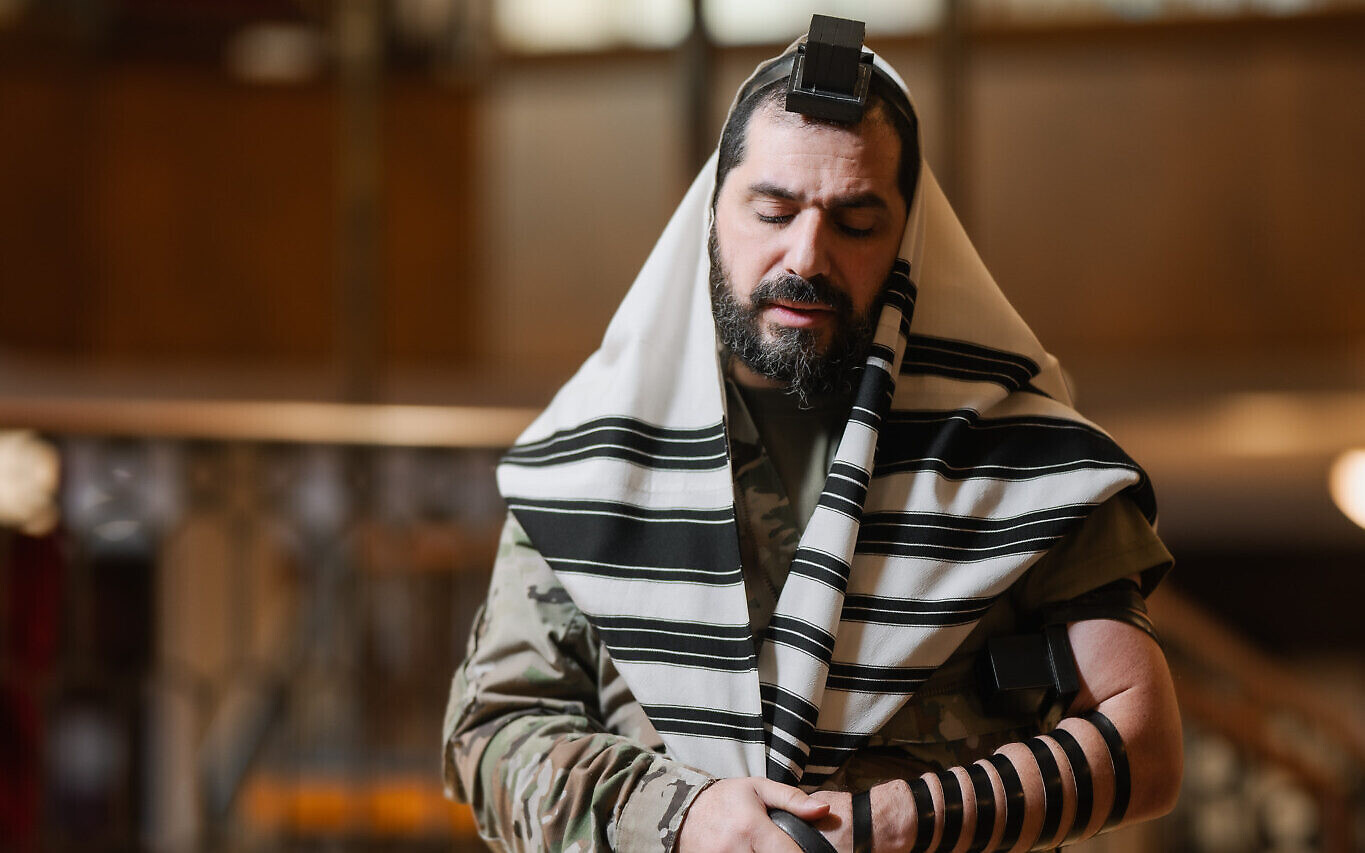
Those challenges — and efforts to address them — were central themes at a five-day symposium in Florida last month organized by the Aleph Institute, a Chabad-affiliated nonprofit that supports the estimated 15,000 Jews serving in the US military.
Founded in 1981 by the Chabad movement to support Jews in prisons and other isolated settings, Aleph expanded into military advocacy in the 1990s after recognizing how little infrastructure existed for Jewish service members. Today, the organization says it is in direct contact with 4,000 to 5,000 soldiers and their families at some 650 bases in 50 countries.
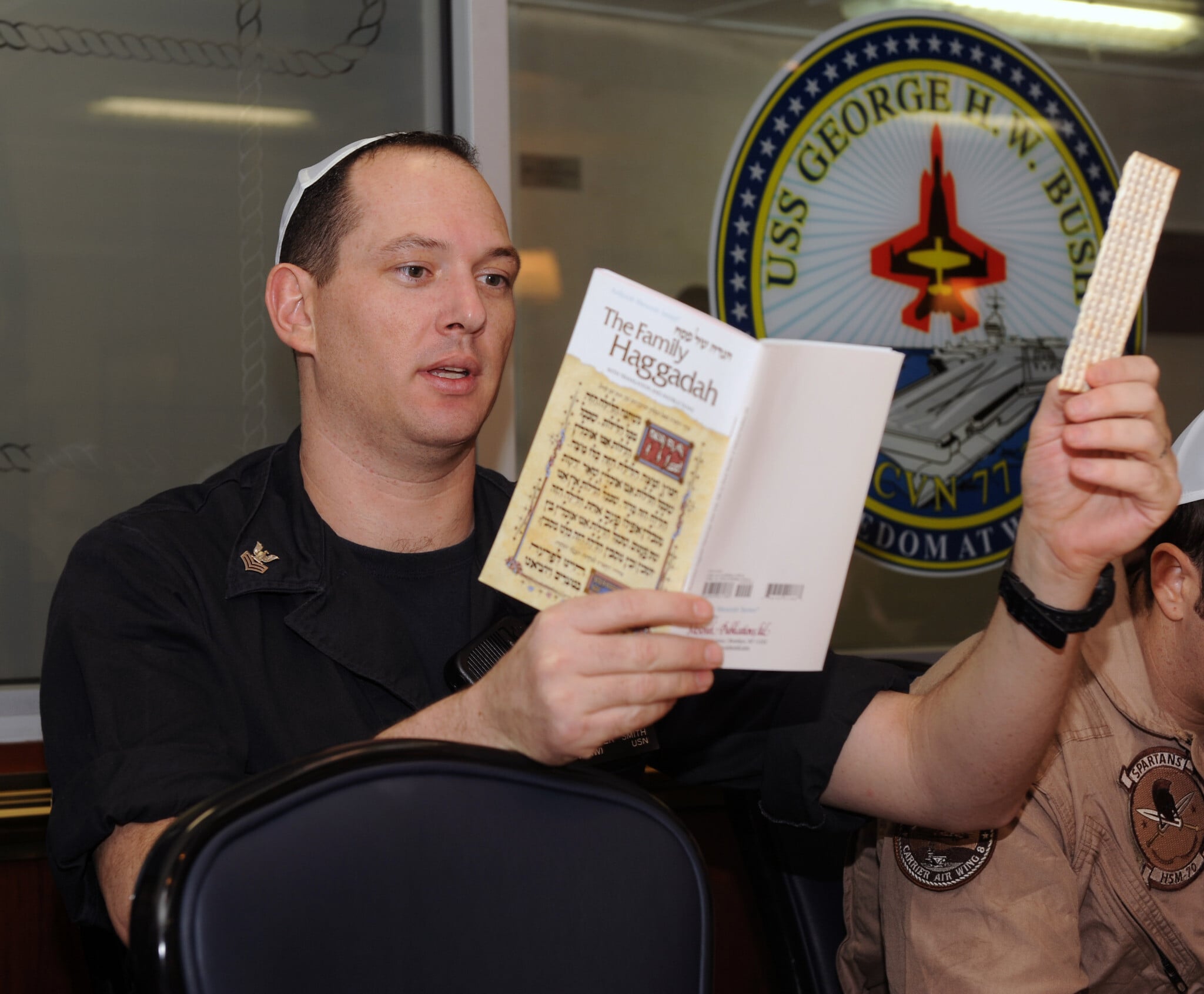
“Whether it’s helping soldiers access kosher food on a deployment in the Middle East or supplying a Passover seder for Jews at a base in Guam, Aleph wants every Jew in the military to know they’re not alone,” said Aleph’s director of military programs, Maj. Rabbi Elie Estrin, a chaplain in the Air Force Reserve. “This event is the fulcrum of Jewish life in the military.”
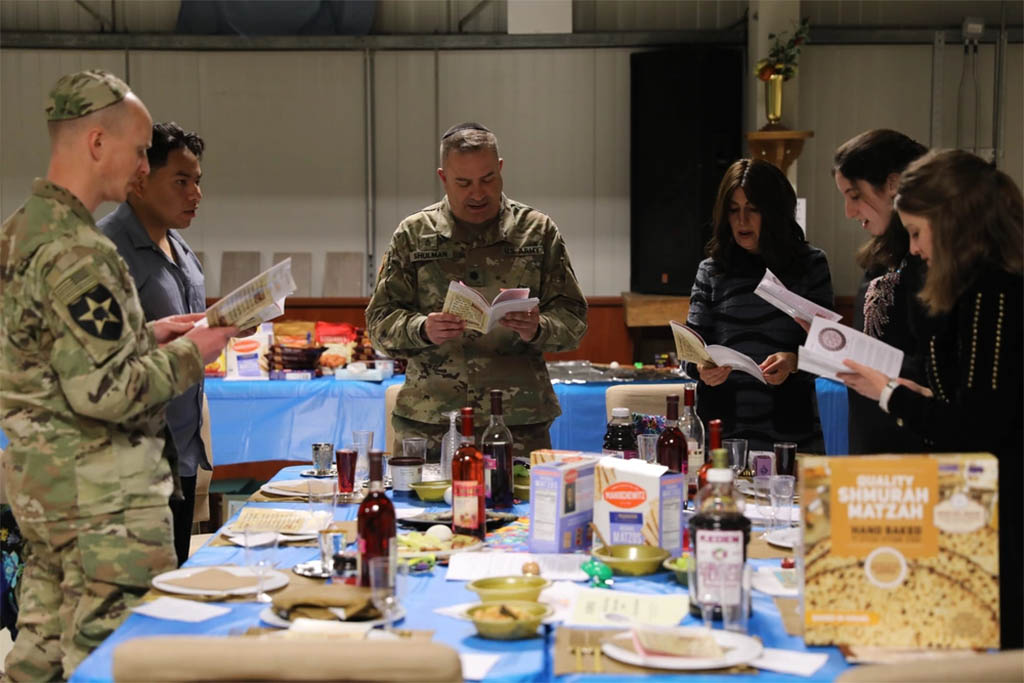
Fighting for legal rights
Federal law guarantees religious accommodation in the ranks. In practice, however, implementation can be uneven — a disparity now drawing attention in Washington.
In December 2025, Aleph Institute’s endorser Rabbi Sanford Dresin testified before the Presidential Commission on Religious Liberty, where he documented how the Aleph Institute had to intervene in hundreds of cases to ensure that personnel were able to maintain their faith while serving.
Testimonies provided showed that military-provided Meals, Ready-to-Eat (MREs) suitable for kosher observers are often unavailable, difficult to order, or replaced by untrained supply personnel with non-kosher substitutes such as halal or “porkless” meals. Training environments are often hostile, and recruiters frequently fail to advise recruits on accommodation policies, Dresin said.
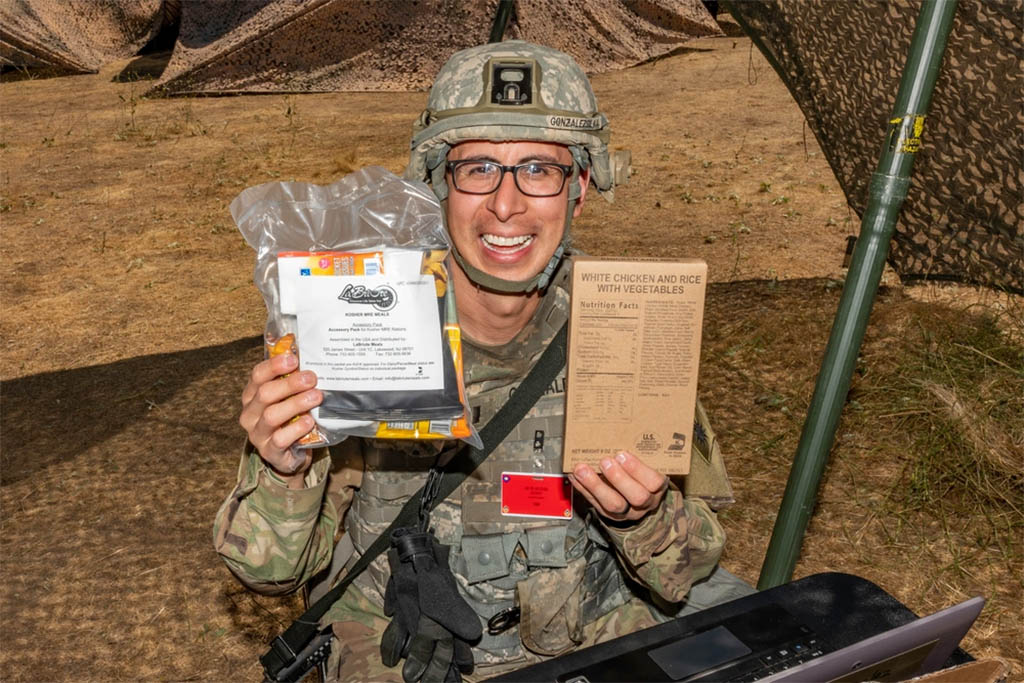
“Given the central place of the First Amendment in our constitutional framework, we believe religious accommodation should not be treated as an exception to policy,” Dresin told the Department of Justice commission. “It should be policy.”
Among some 30 testimonies Dresin presented at the hearing was one of a former ROTC cadet who said he never received a kosher entree during an entire summer of training in Fort Knox, Kentucky, “in full combat gear running eight to 15 miles a day through the woods, carrying your weapons and ammunition and all of the physical stress you’re going under.” After weeks of piecing together snack packs and breakfasts of cottage cheese and fruit, he lost a significant amount of weight and came back anemic, he said.
Other testimonies included an Air Force officer who passed out during a field exercise after being denied kosher food and denied requests for Jewish holiday leave, and Jewish chaplains and service members being reprimanded for conducting services or requesting Sabbath and holiday observances.
Aleph also presented details of an in-depth Orthodox Union review of kosher accommodations aboard three US naval battleships. While keeping kosher on these ships is feasible through frozen meals and snacks, and many staff members were respectful about kosher requirements, budget constraints and other limitations presented major hurdles, the report found.

“It is possible to keep kosher on ships, but I wouldn’t say that it would be fun, especially for a nine-month deployment,” Estrin summarized. “I’m not sure how many peanut butter sandwiches you can handle.”
These testimonies impacted policymakers. The 2026 National Defense Authorization Act (NDAA), approved shortly after the commission hearing, includes an amendment requiring “functional parity and equitable treatment” for kosher and halal rations. The Secretary of War is required to submit a report on these disparities by June 1, 2026.
Meanwhile, commanders have been working to ensure that bases are free of antisemitic harassment and gestures. In November, a Coast Guard plan to downgrade a ban on hate symbols like swastikas to a designation of “potentially divisive” was quickly overturned. In February, a swastika drawn on a bathroom wall at the US Coast Guard’s training center in New Jersey was quickly removed and condemned.
Advocating for soldiers
Much of Aleph’s work is advocating on soldiers’ behalf to force commanders and military agencies to honor existing policies, Estrin explained.
In one case, he recalled, a Jewish sailor in the Navy had received approval to keep a beard, something that is generally prohibited in the army except for religious reasons. However, when he reported to a new ship and resubmitted his paperwork, he was shocked to receive an order from a senior Navy official instructing him to shave within 24 hours.
Estrin put the sailor in touch with the nonprofit Becket Fund for Religious Liberty. They worked together to block the order in court, and he was eventually allowed to keep his beard, Estrin said.
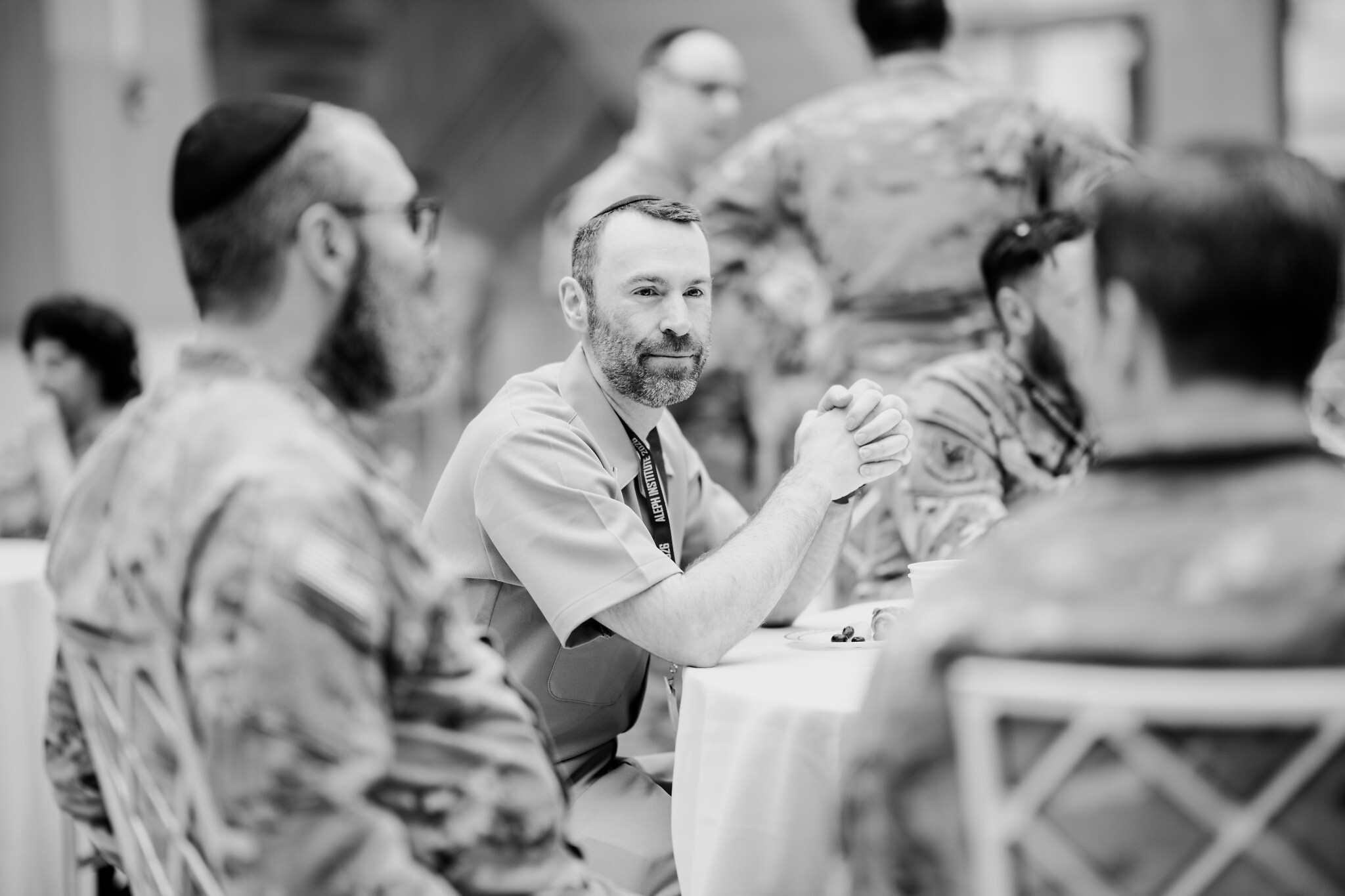
Estrin has endless tales of Aleph’s efforts to help soldiers observe the Jewish traditions. One of his favorites involved delivering a mishloach manot package on Purim via helicopter to a soldier serving in Valdez, Alaska, in 2019.
“He was the only Jew for many miles, and he was really quite miserable as Purim approached,” Estrin recalled. “So I called a Jewish lay leader on a base in Anchorage and asked if there was any way he could help him out. It turned out he had some influence in the region, and he was able to arrange a helicopter to fly out to his ship and drop off that mishloach manot. That made it an amazing Purim for him.”
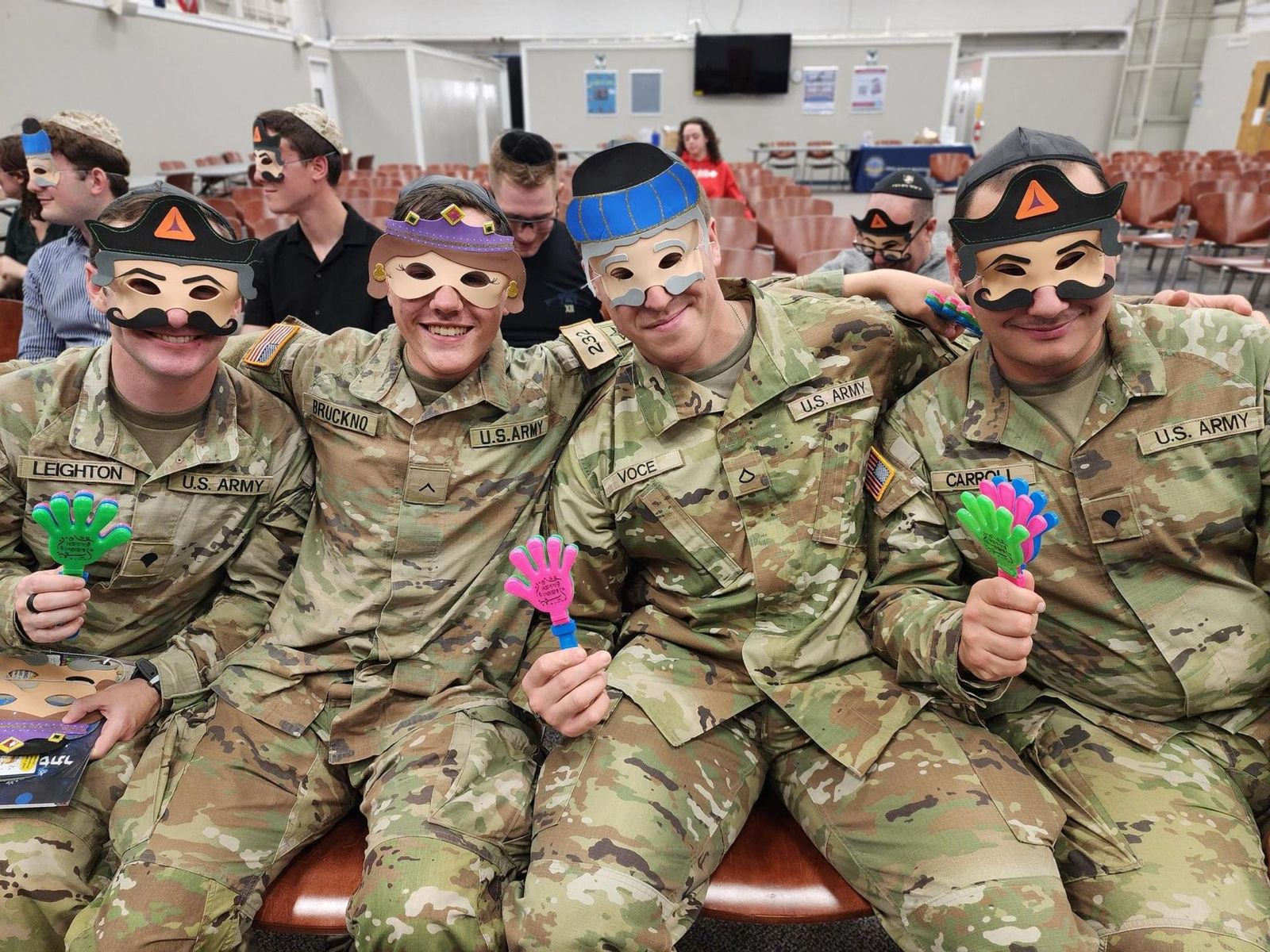
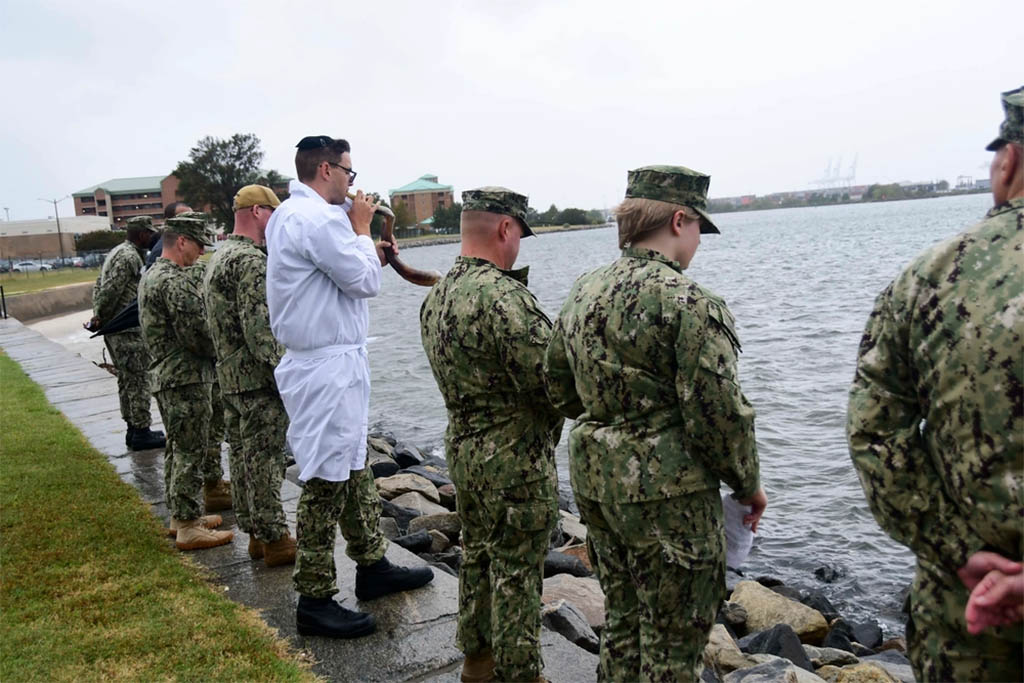
In another case, Estrin got a call about a Jewish Marine stationed in California, asking for help ensuring he could hear the shofar on Rosh Hashanah.
“I got in touch with him, and he said he could blow it himself if we got him a shofar,” he recalled. “It took a bit of coordinating because it was in the middle of the mountains, but we got that shofar to him a few hours before the holiday started.”
A history of duty
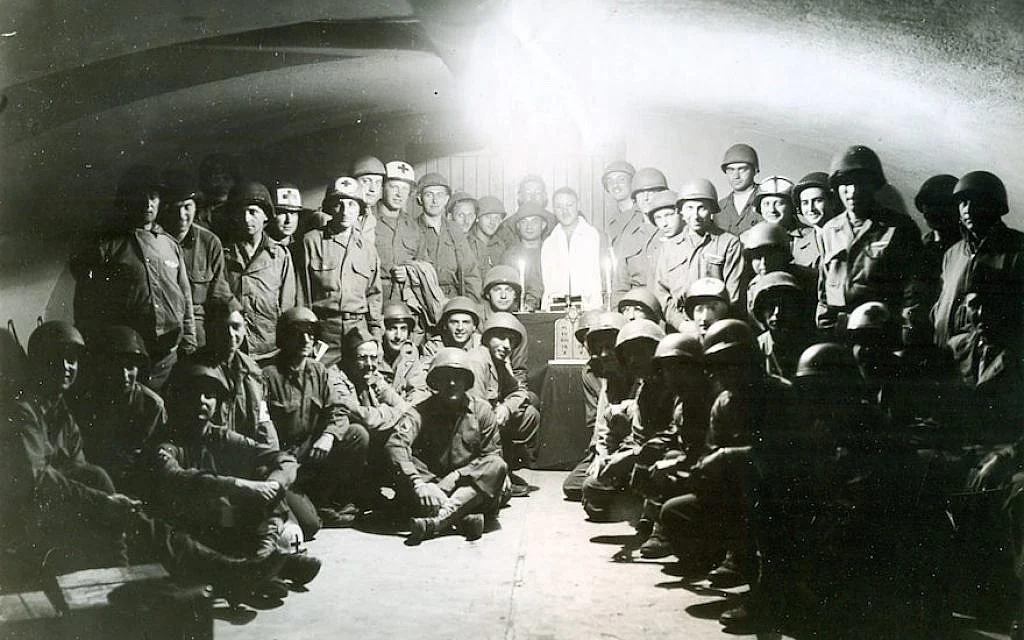
Despite stereotypes that American Jews don’t serve in the military, Jews comprise about 1.5% of all US soldiers, nearly the same as their representation in American society, Aleph says. (Others have estimated that Jews represent 0.4% to 1% of the military.) While there have always been challenges of antisemitism within the ranks, many Jews have seen participation as an affirmation of American citizenship, demonstrating, as the National Museum of American Jewish Military History asserts, that “a Jew can be a patriot and a patriot can be a Jew.”
During the Revolutionary War, several hundred Jews fought in the Continental Army, out of a total colonial Jewish population of about 3,000. The Jewish financier Haym Salomon was one of the main funders of the war, and Francis Salvador of South Carolina is believed to be its first Jewish casualty, scalped by Cherokee warriors in a militia skirmish in 1776.
During the Civil War, roughly 7,000 Jews fought for the Union and 3,000 for the Confederacy. The country’s first Jewish chaplain, Jacob Frankel, was appointed in 1862 when president Abraham Lincoln amended the law to allow for non-Christians to serve in the military for the first time.
Some 250,000 Jews served in the US military during World War I, many in the 77th “Statue of Liberty” Division known for its diverse makeup of New York City immigrants.
In World War II, more than 550,000 Jewish men and women fought against Germany — roughly 11% of the entire American Jewish population at the time — including many first-generation immigrants with relatives undergoing the Nazi genocide. Jewish soldiers were often among the first to enter concentration camps and interact with Yiddish-speaking survivors, as described in Rabbi Mayer Birnbaum’s autobiography from the period.
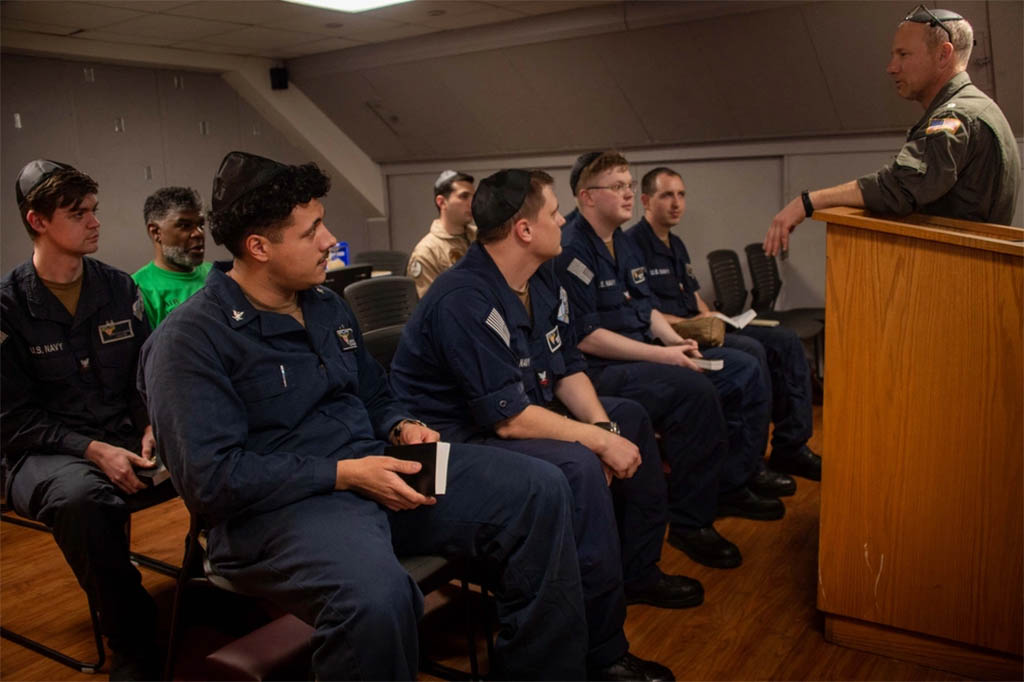
There is no official number for how many Orthodox Jews currently serve while observing Shabbat and kashrut, but estimates are as high as several hundred. Aleph delivers its quarterly magazine, The Jewish-American Warrior, to some 3,500 Jewish soldiers, helping to strengthen their sense of Jewish identity, Estrin said, and many more view it online.
The total estimated 15,000 Jewish soldiers in the US army is higher than the 12,135 IDF soldiers serving in Israel with US citizenship, tallied in a recent IDF report.
Gathering strength
At Aleph’s recent convention, over 200 Jewish military chaplains, service members, and cadets gathered, including personnel from bases across the US, as well as from Spain, Germany, Japan, and Hawaii. Among them were 25 West Point cadets, representing nearly 20% of the academy’s 125 Jewish students, as well as cadets and personnel from the Naval Academy, Air Force Academy and Coast Guard Academy.
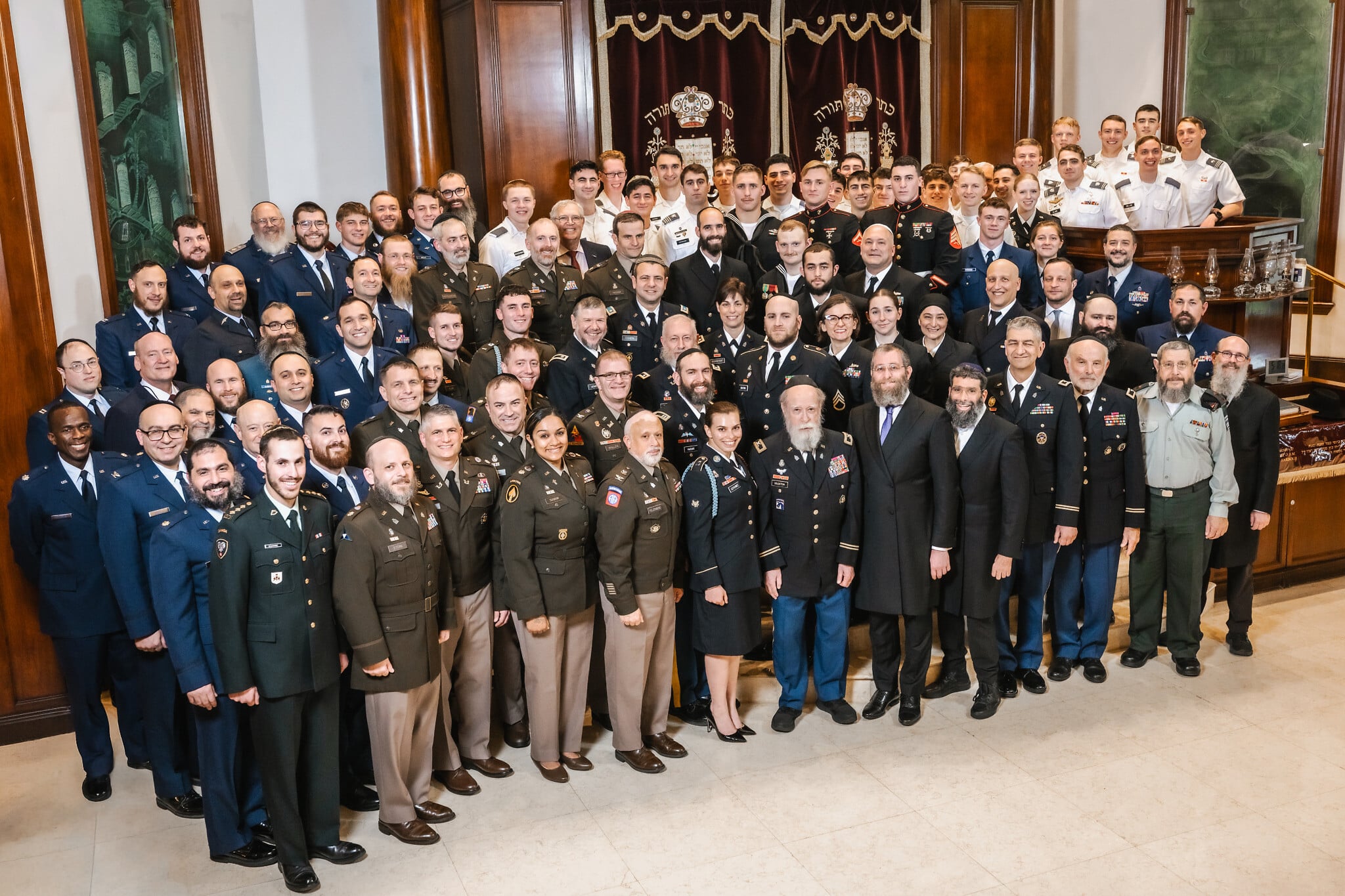
For many, the conference is a once-a-year opportunity to reconnect with old friends and traditions.
“Despite having many colleagues, co-workers and comrades, most of us find ourselves spiritually isolated in our military service,” said Chaplain Lt. Col. Joseph Friedman, deputy director of the Air National Guard Chaplain Corps at Joint Base Andrews in Maryland. “There is the incredible empowerment which comes from meaningfully reconnecting with old friends, sharing ‘war stories,’ best practices, our successes and our failures.”
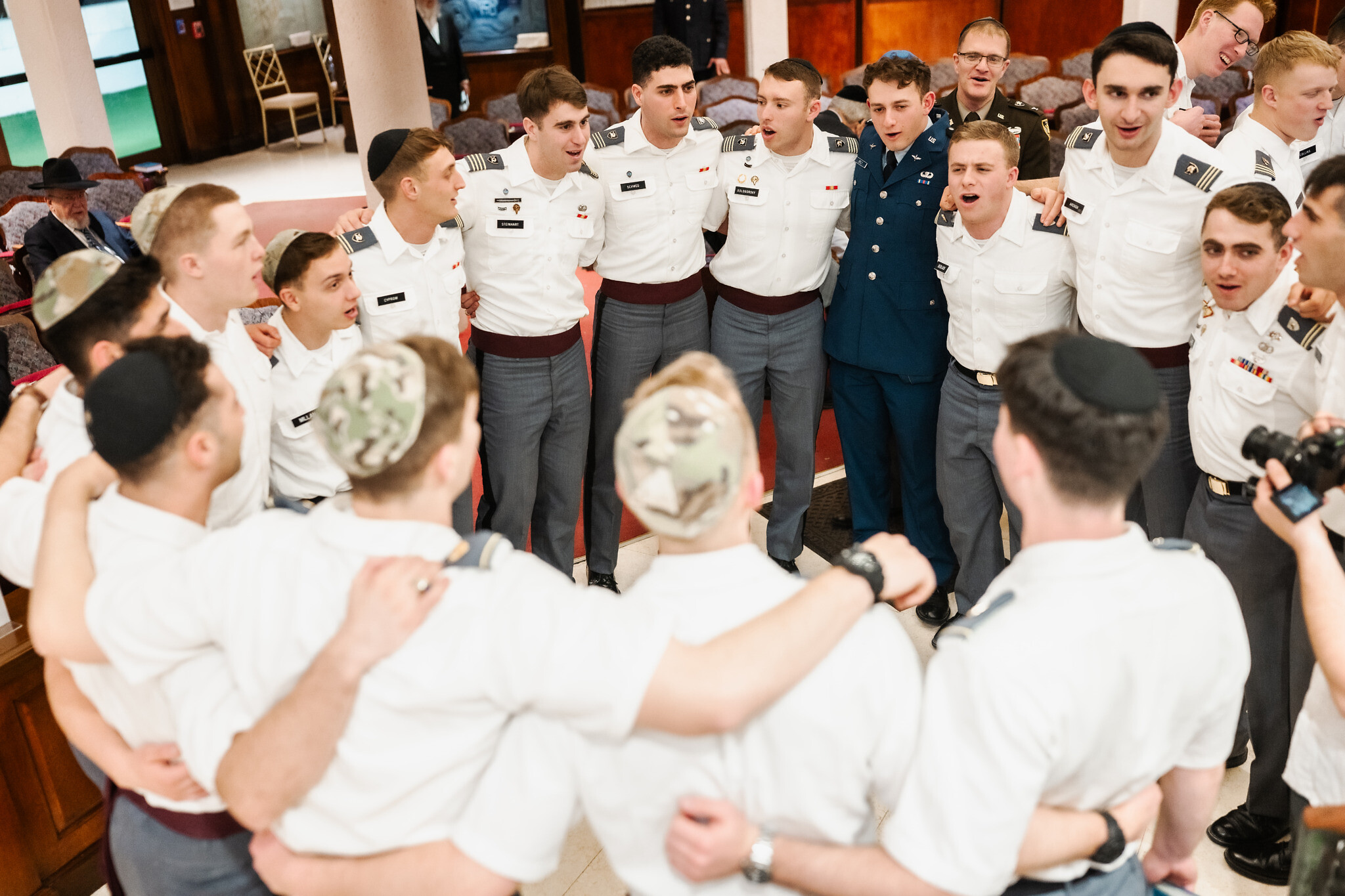
A highlight of the event was when 102-year-old US Army Air Corps WWII veteran Harold Terens celebrated a belated bar mitzvah, putting on tefillin for the first time before Shabbat and being called up to the Torah.
“That was a particularly poignant moment that helped show the connection between the generations of Jewish soldiers,” Estrin said.
The key message for most was the importance of maintaining moral clarity and strength during times of spiritual difficulties.
“What I’ve learned is that the key is to be consistent in whatever you do,” said Esther, the Orthodox soldier serving in Airborne infantry. “People will notice if you don’t do the things you said are important to you. If you continue to fight for your values when things are difficult, you’ll earn a lot of respect.”

The Times of Israel Community.