

Army lifts day-long closure on Ramallah
Clampdown came after Sunday’s shooting by PA officer, amid warnings of more attacks; IDF to also open town closed off since stabbing attack a week ago


 Add ToI as a Preferred Source on Google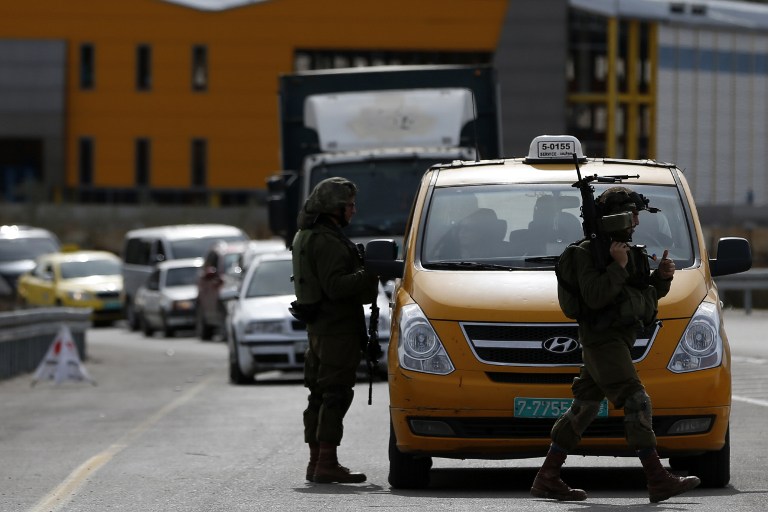
The Israeli military said it was lifting a partial closure imposed on Ramallah Monday night, several hours after closing off entrances and exits to the Palestinian city following a terror attack a day earlier.
The IDF said the move was made after a “situational assessment.”
“The crossings to and from Ramallah have returned to normal activity,” the army said in a statement.
The army said it would also lift a week-long closure on the Palestinian town of Beit Ur al-Tahta Tuesday morning.
The army imposed the closure on Ramallah Monday morning on Ramallah, the seat of the Palestinian Authority, after a shooting attack the previous day that wounded three soldiers, the Israel Defense Forces said. It said the move was taken because of warnings of further attacks.
“In accordance with situation assessments following yesterday’s shooting attack in Beit El, security measures have been taken in the area and only residents of Ramallah are allowed to enter the city,” a military spokeswoman said.
The entry ban applied to foreigners as well, she said.
The army had clamped down on Beit ur-al-Tahta on January 28, following a stabbing attack in the nearby settlement of Beit Horon, which left a 24-year-old woman dead. Entry into and out of the town had been restricted by IDF soldiers.
The Ramallah entry ban was also announced Sunday night by an officer of the Palestinian Military Liaison, who told the independent Ma’an news agency of the measure. “All those whose permanent addresses are not within the Ramallah-el-Bireh governorate will be denied entry until further notice,” he said.
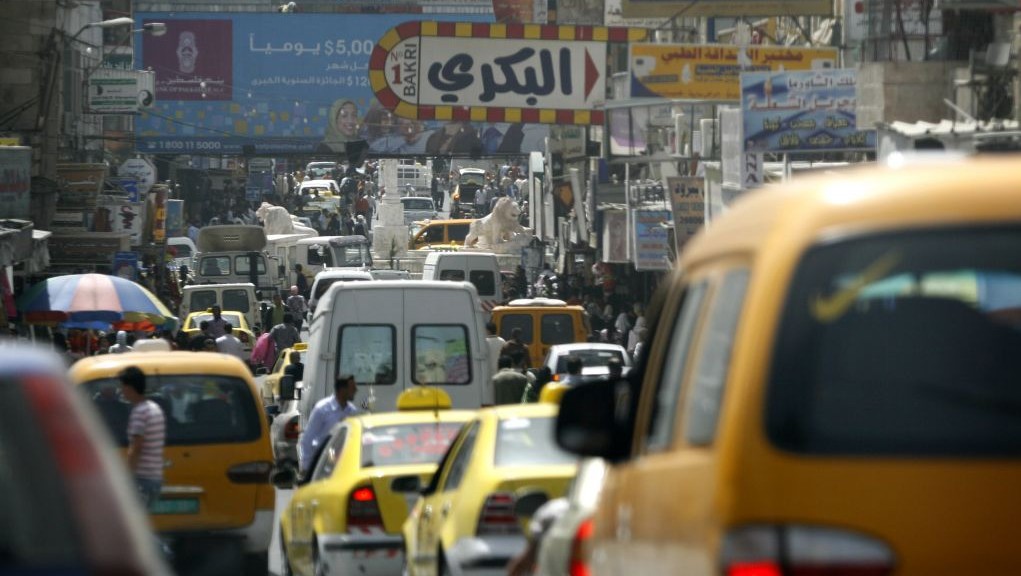
Nevertheless, several foreigners and locals who traveled to Ramallah for work on Monday reported nothing out of the ordinary on their way into the city.
“We heard the news last night, so everyone was surprised this morning when we found no extra checkpoints. People came into the office today from many places in the West Bank outside of Ramallah without any problems, as well as from Jerusalem. There was some heavy traffic last night, however,” one source told The Times of Israel.
Other Palestinian sources said that the IDF was applying different standards at various checkpoints, in some letting through only Ramallah residents and at others preventing denizens of the city from exiting while letting non-residents in.
A series of temporary “flying” checkpoints were also set up in the western exits of the city, they said, although there appeared to be no change in the policy at the Qalandiya crossing.
Palestinians said the partial closure was collective punishment for the act of one individual.
“They shouldn’t punish the entire governorate of Ramallah for a policeman who carried out an attack,” said Palestinian police spokesman Adnan Damiri.
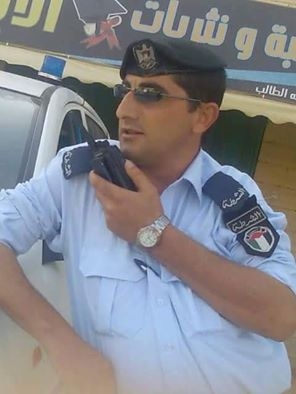
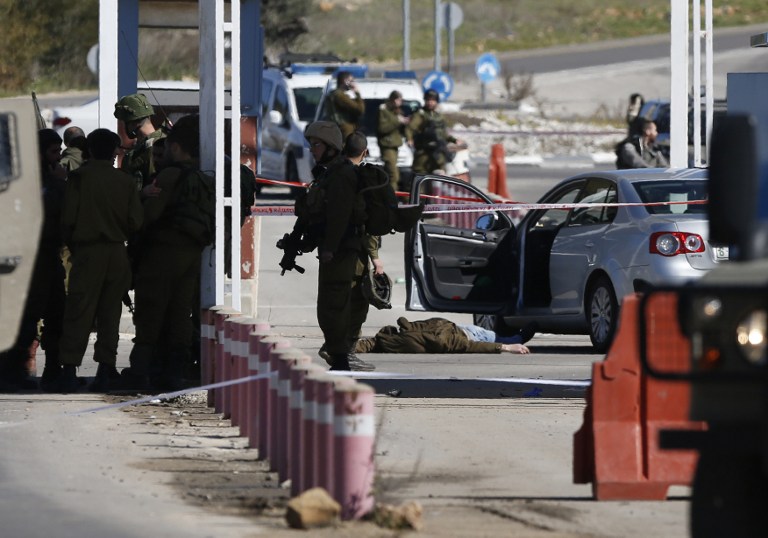
On Sunday, a Palestinian man who worked as a guard for the attorney general’s office in Ramallah opened fire at a checkpoint just outside the city near the West Bank Israeli settlement of Beit El, wounding three Israeli soldiers before being shot dead.
He was named as Amjad Sakari, 35, and was a member of the Palestinian Authority security forces.
At the funeral for Sakari, thousands of mourners marched in Nablus, some chanting “Death to Israel.”
Among the mourners was Nablus governor Akram Rajoub.
“It doesn’t mean I agree with what he has done,” Rajoub said. “I’m against policemen carrying out attacks, but we are people who respect their martyrs and dead.”
https://www.facebook.com/RamallahCityOfficialPage/posts/975116122562828
The same checkpoint where the attack took place — regularly used by diplomats, journalists and humanitarian workers — was closed on Monday morning, as were other entrances in the area.
Vehicles were being allowed to enter through at least one road after being searched, with a long line of cars waiting to pass through.
A large number of Palestinians, aid workers and diplomats commute to Ramallah for work on a daily basis.
A wave of Palestinian knife, gun and car-ramming attacks erupted in October 2015. Most of the attacks have been stabbings, although there have also been occasional shootings.
The attacks have killed 27 Israelis, as well as an American, an Eritrean and a Palestinian.
At the same time, some 160 Palestinians have been killed by Israeli forces, most while carrying out attacks but others during clashes and demonstrations.
AFP contributed to this report.





The Times of Israel Community.