

Hamas head sent message to Netanyahu asking for restraint
Intermediary Gershon Baskin confirms he was passed message by contact in room with Ismail Haniyeh, asking Israel to keep from escalating violence
- See more Times of Israel on Google - add us as a Preferred Source

Avi Issacharoff, The Times of Israel's Middle East analyst, fills the same role for Walla, the leading portal in Israel. He is also a guest commentator on many different radio shows and current affairs programs on television. Until 2012, he was a reporter and commentator on Arab affairs for the Haaretz newspaper. He also lectures on modern Palestinian history at Tel Aviv University, and is currently writing a script for an action-drama series for the Israeli satellite Television "YES." Born in Jerusalem, he graduated cum laude from Ben Gurion University with a B.A. in Middle Eastern studies and then earned his M.A. from Tel Aviv University on the same subject, also cum laude. A fluent Arabic speaker, Avi was the Middle East Affairs correspondent for Israeli Public Radio covering the Israeli-Palestinian conflict, the war in Iraq and the Arab countries between the years 2003-2006. Avi directed and edited short documentary films on Israeli television programs dealing with the Middle East. In 2002 he won the "best reporter" award for the "Israel Radio” for his coverage of the second intifada. In 2004, together with Amos Harel, he wrote "The Seventh War - How we won and why we lost the war with the Palestinians." A year later the book won an award from the Institute for Strategic Studies for containing the best research on security affairs in Israel. In 2008, Issacharoff and Harel published their second book, entitled "34 Days - The Story of the Second Lebanon War," which won the same prize.
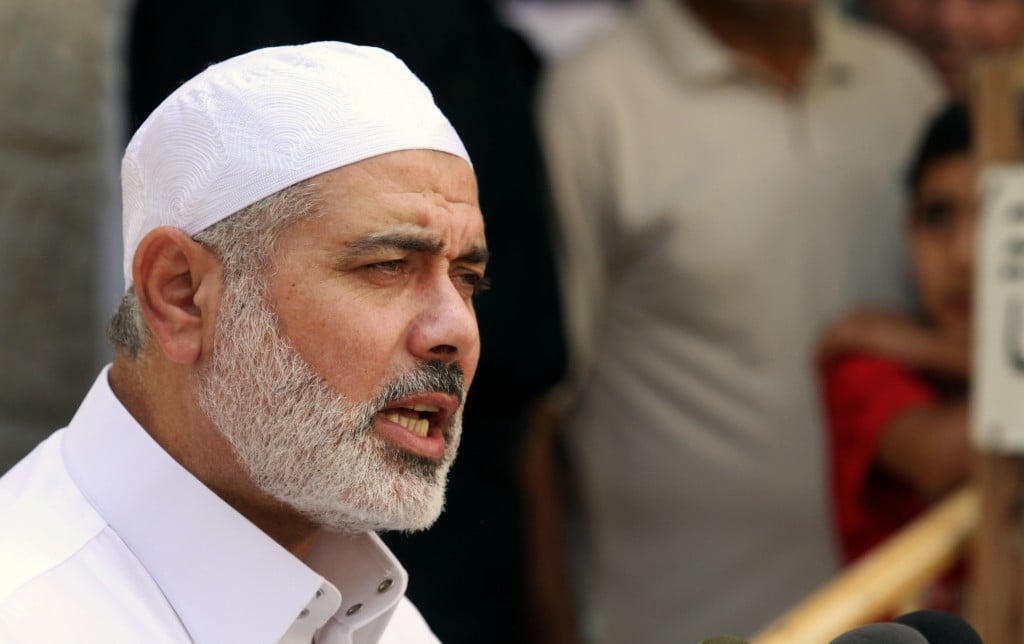
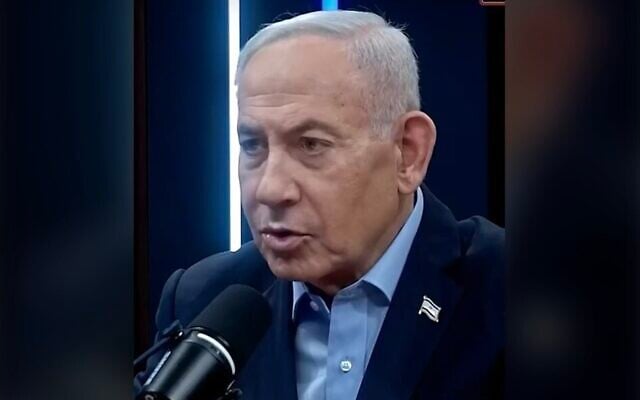
Hamas’s prime minister in the Gaza Strip recently relayed a direct message to the office of Prime Minister Benjamin Netanyahu affirming that the terror organization has no interest in furthering its conflict with Israel and seeking restraint on Israel’s part, Palestinian and Israeli security sources told The Times of Israel.
The message, relayed by Ismail Haniyeh through Israeli-American mediator Gershon Baskin, came after an escalation of violence between the sides threatened to spiral out of control two weeks ago.
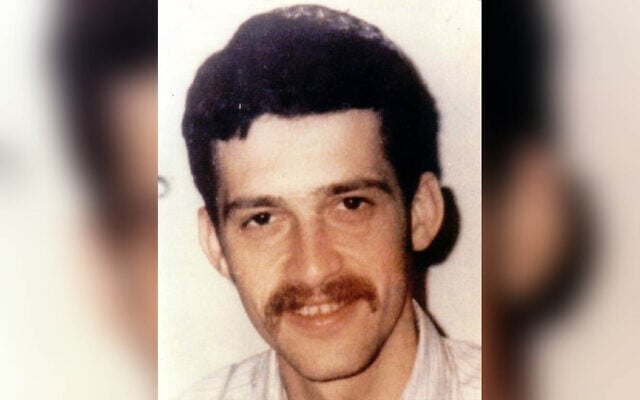
Baskin, who founded the Israel/Palestine Center for Research and Information and was instrumental in brokering the deal that saw kidnapped Israeli soldier Gilad Shalit released from Gaza in 2011, confirmed the message had been sent through him.
Haniyeh’s message requested Israeli military restraint, after a series of rockets from Gaza hit the Negev and Israeli planes struck back at sites in the Strip in late January and earlier this month.
The Prime Minister’s Office declined to comment on the letter.
In private conversations last week, senior Palestinian officials claimed Israel is in communication with Hamas leadership, if not with Haniyeh himself.
The Islamist organization, which initiated the contacts, has yet to receive a response from Israel, sources said.

Baskin keeps regular contact with one of Haniyeh’s advisers, Ghazi Hamad, on a variety of issues, both humanitarian and non-humanitarian. The specific message asking for restraint was passed along two weeks ago.
After a volley of rocket fire out of Gaza late last month, the Israel Defense Forces fired upon several targets in the Gaza Strip, hitting, among other targets, a rocket-prevention force in Hamas’s armed wing charged with stymieing attacks from smaller groups in the Strip.
As The Times of Israel reported at the time, sources in Gaza said Hamas’s military wing responded by deciding to withdraw most members of the rocket-prevention force, which was first deployed last July. The move essentially gave a green light for smaller terror organizations to fire upon Israel.
During a phone conversation between Baskin and Hamad, the latter asked that the plea for restraint be passed along directly to the Prime Minister’s Office.
Senior Palestinian officials said the conversation took place with Haniyeh in the same room as Hamad, a claim Baskin confirmed.
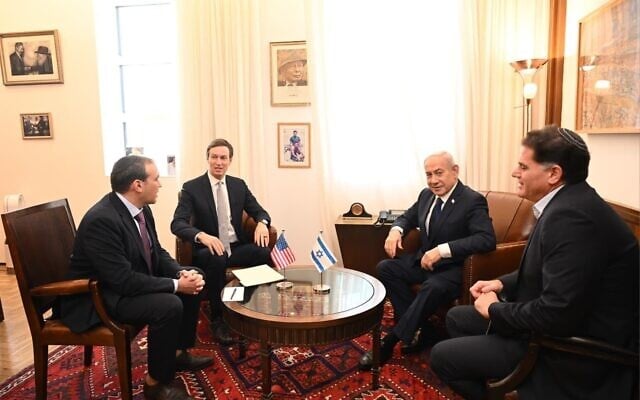
At the end of the conversation, Baskin delivered the message to Gil Sheffer, Netanyahu’s bureau chief, in writing.
After a few days, Hamas redeployed the rocket prevention force belonging to the Izz ad-Din al-Qassam Brigades along the border with Israel.
The brigades are considered Hamas’s elite force operating in the Gaza Strip, and Hamas’s decision to deploy them to prevent rocket fire against Israel has been interpreted as a sign of the Islamist terror group’s intention to keep the ceasefire reached with Israel after the November 2012 Operation Pillar of Defense.
Hamas has used the “Baskin channel” a number of times in the past in order to forward information to the Israeli leadership. Baskin is well connected with officials at the Defense Ministry and the Coordinator of Government Activities in the Territories.
Communication between Haniyeh and Netanyahu via Baskin is rare, but Israel and Hamas maintain contacts through a number of channels.
In recent weeks, Egyptian intelligence officers also functioned as intermediaries between the two sides. According to Palestinian officials, the Qataris as have also recently served as middlemen. On humanitarian issues, such as medical evacuations and the entrance of goods and supplies into Gaza, Palestinian Civil Affairs Minister Hussein al-Sheikh remains the primary mediator between Israel and Hamas.
Ghazi Hamad was unavailable for comment.







- Israel & the Region
- Israel Inside
- Gilad Shalit
- Coordinator of Government Activities in the Territories COGAT
- Izz ad-Din al-Qassam Brigades
- Ismail Haniyeh
- Benjamin Netanyahu
- Gershon Baskin
- Gil Sheffer
- Hamas
- Egyptian intelligence
- Qatar
- rocket fire from Gaza
- PMO Prime Minister's Office
- Defense Ministry
- IDF Israel Defense Forces
The Times of Israel Community.