

Arab-majority Hadash, Ta’al and Balad parties agree on joint run after striking deal
Combined election slate would see Hadash’s Yousef Jabareen at the helm, followed by Ta’al’s Ahmad Tibi and then Balad’s Sami Abou Shahadeh, after Tibi demanded better conditions
 Add ToI as a Preferred Source on Google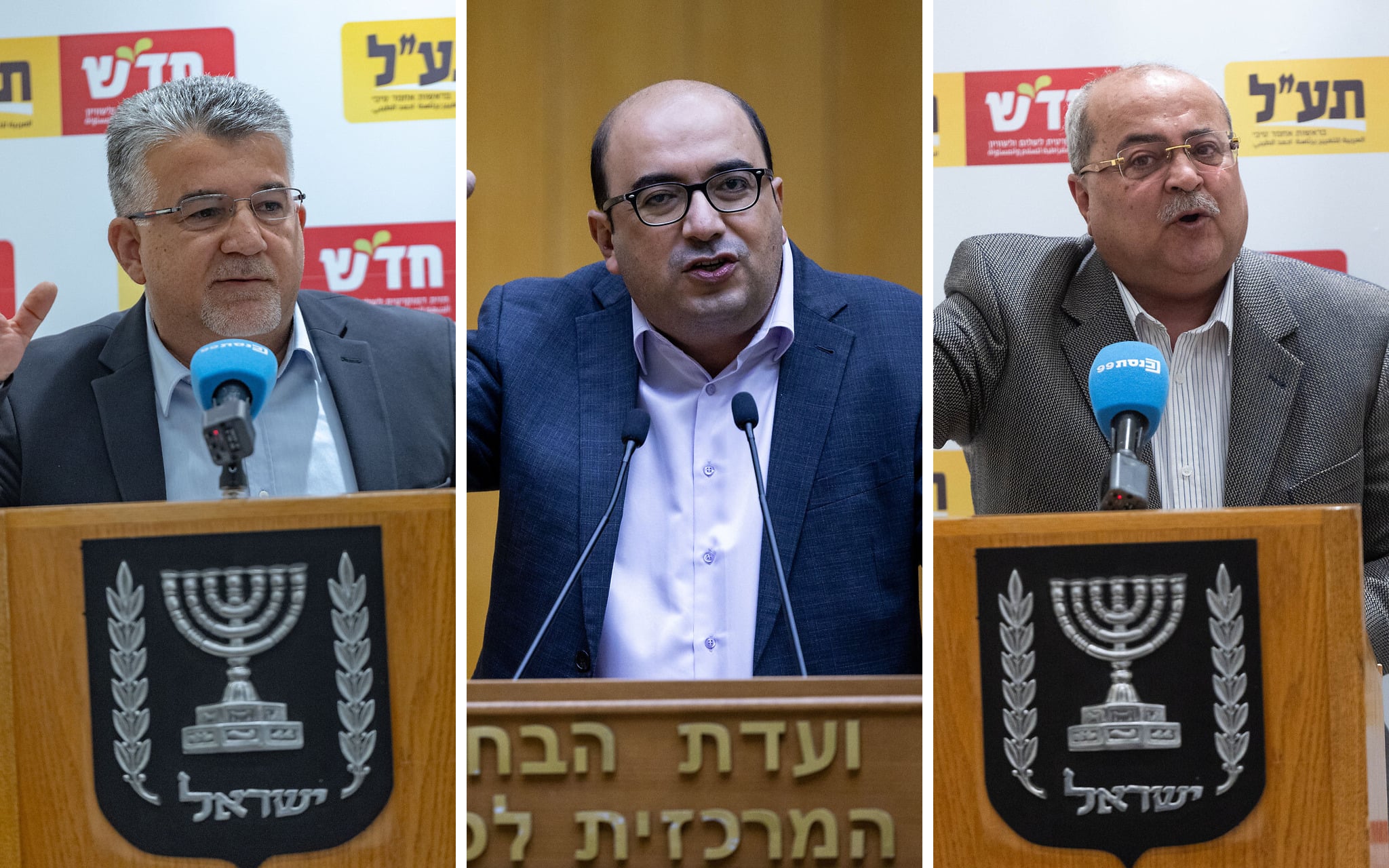
The Arab-majority Hadash, Ta’al and Balad parties announced on Wednesday that they have agreed to run on a joint slate in the upcoming Knesset election, apparently resurrecting the Joint List slate.
Hadash chairman Yousef Jabareen will head the list, followed by Ta’al chief Ahmad Tibi and Balad chair Sami Abou Shahadeh, according to a Hadash spokesman.
The three parties have been in talks for weeks, but Tibi had been holding out, as he sought better terms for himself and a second lawmaker from his party. Ta’al is seen as the least popular of the three parties.
Balad is a secular, hardline, nationalist party, while Ta’al and Hadash are seen as more moderate, with the latter also being socialist.
The fourth spot on the list will go to Hadash’s Jafar Farah, the fifth will be Balad’s Bakhar Awawdeh and Hadash MK Ofer Cassif will take the sixth place on the slate.
Ta’al will only receive two seats in the top 10 — Tibi’s position and the 9th slot for a yet-to-be-determined candidate from the party.
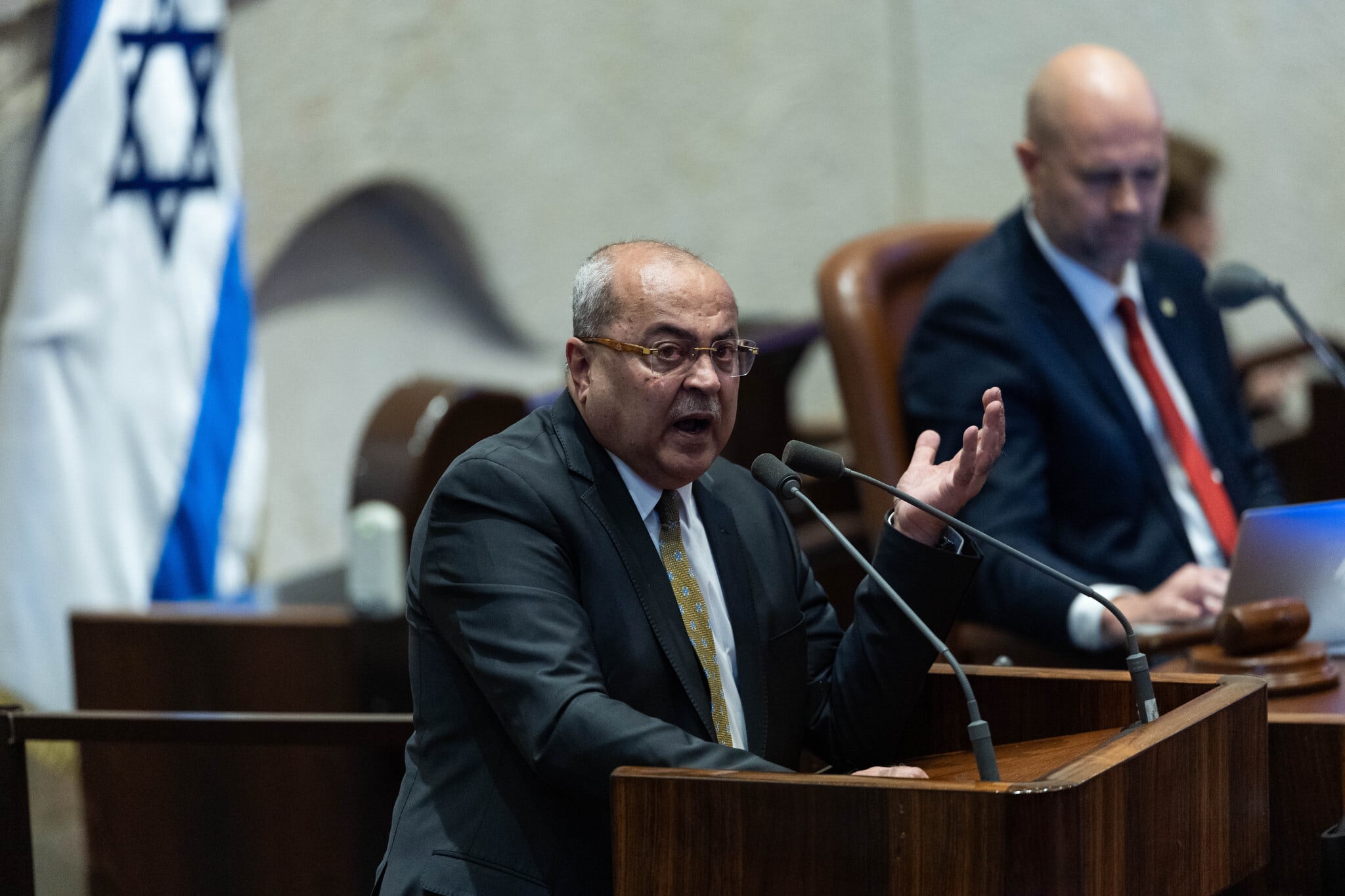
The Hadash party spokesman said Wednesday that Tibi has agreed to the electoral slate on the conditions that the sixth and ninth spots on the list will be in rotation, and that Ta’al will get a deputy Knesset speaker position.
As Ta’al held out on joining the joint list, it reportedly explored a potential merger with Makom Lekulanu, a fledgling left-wing party that prides itself on being a partnership between Arab and Jewish activists. However, internal polls indicated that such a party would barely cross the electoral threshold, leading Tibi to agree to join Hadash and Balad.
The three parties last ran together in 2021, along with the then-Islamist Ra’am party headed by Mansour Abbas. But Ra’am decided to break off months before the election and run independently. Ra’am won four seats and joined the Naftali Bennett-Yair Lapid coalition.
The three remaining parties still kept the name, Joint List, which was born when the four Arab-majority parties first ran together in 2015. It is not immediately clear if they will retain the name when they register ahead of the October 27 national election.
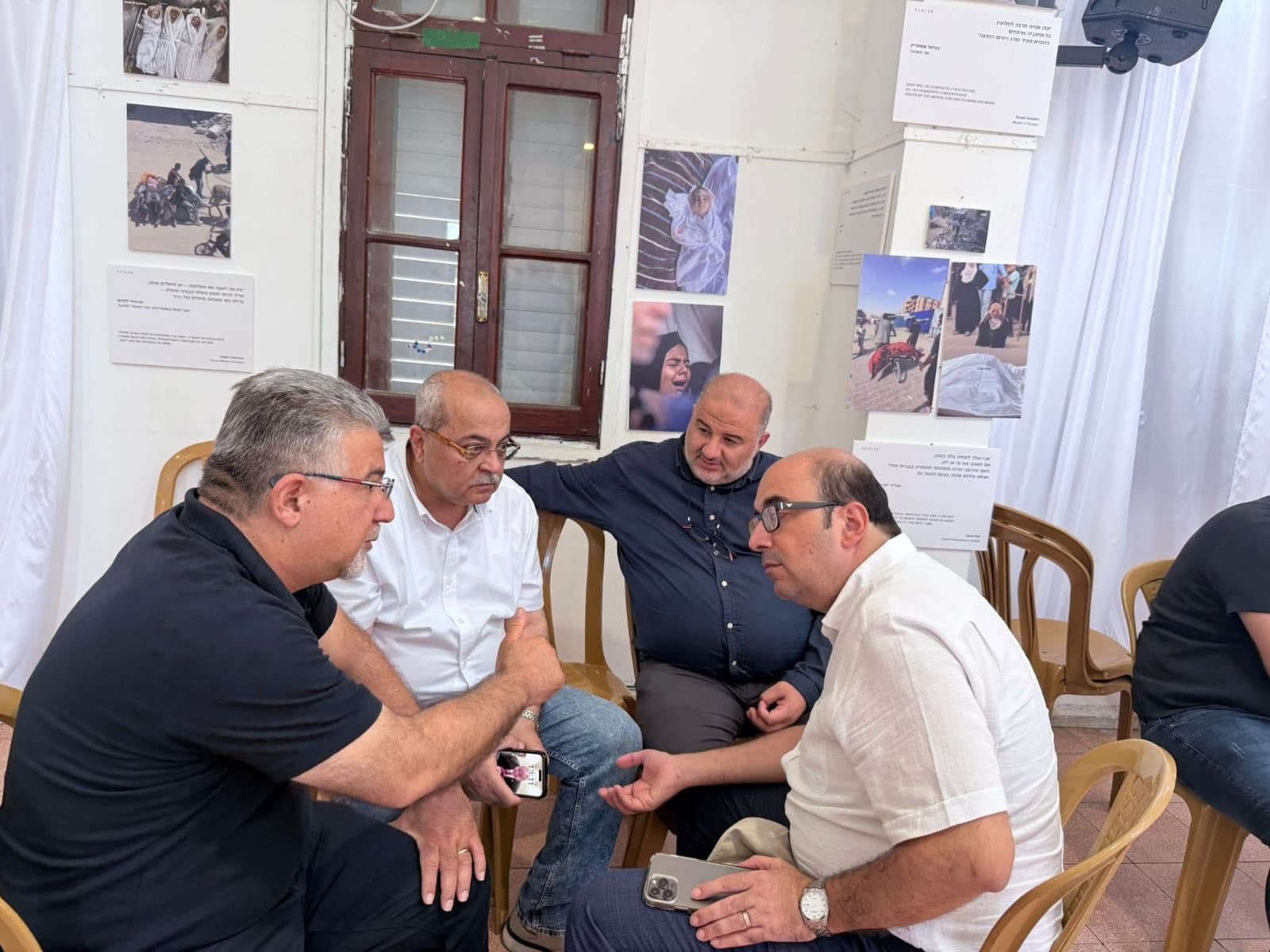
Polls have indicated that Arab Israelis would be more likely to vote in higher numbers if the parties representing them run together as opposed to splintering into several factions. In recent surveys, Hadash-Ta’al has been polling at around five seats, and Balad below the Knesset threshold. Ra’am has also been polling at around five seats.
Hadash announced in June that it was moving forward with reestablishing a joint electoral list with Ta’al and Balad ahead of the upcoming national vote, while “leaving the door open” for Ra’am to join at a later stage.
The four Arab-majority parties signed an agreement in January committing to work together to revive the joint ticket ahead of the election, but negotiations stalled for months, mainly due to Abbas’s insistence that the bloc be purely technical, to preserve Ra’am’s ability to join a governing coalition, which the other Arab parties oppose.
After Ra’am exited in 2021, the slate collapsed altogether ahead of the 2022 election, when Balad pursued an ultimately unsuccessful solo run, leaving the remaining two parties to form the smaller Hadash-Ta’al list, which received five Knesset seats.
Yashar party leader Gadi Eisenkot, the leading candidate to unseat Prime Minister Benjamin Netanyahu, has rejected Ra’am as a potential coalition partner, as has the new Bennett-Lapid alliance B’Yachad. Abbas has tried to distance Ra’am from its Islamist roots and is in talks with Yesh Atid MK Yoav Segalovitz, the former head of the Israel Police investigations and intelligence unit, about including him on his slate.
Sam Sokol and Ariela Karmel contributed to this report.









The Times of Israel Community.