

Negotiations over Arab joint list hit snag as Ahmad Tibi rejects proposed slate
Mooted list would give Ta’al smallest Knesset representation of three parties. Hadash chairman Jabareen calls proposal ‘an expression of the public’s will’
 Add ToI as a Preferred Source on Google
Sam Sokol is a former political correspondent at The Times of Israel. He was previously a reporter for the Jerusalem Post, Jewish Telegraphic Agency and Haaretz. He is the author of "Putin’s Hybrid War and the Jews"
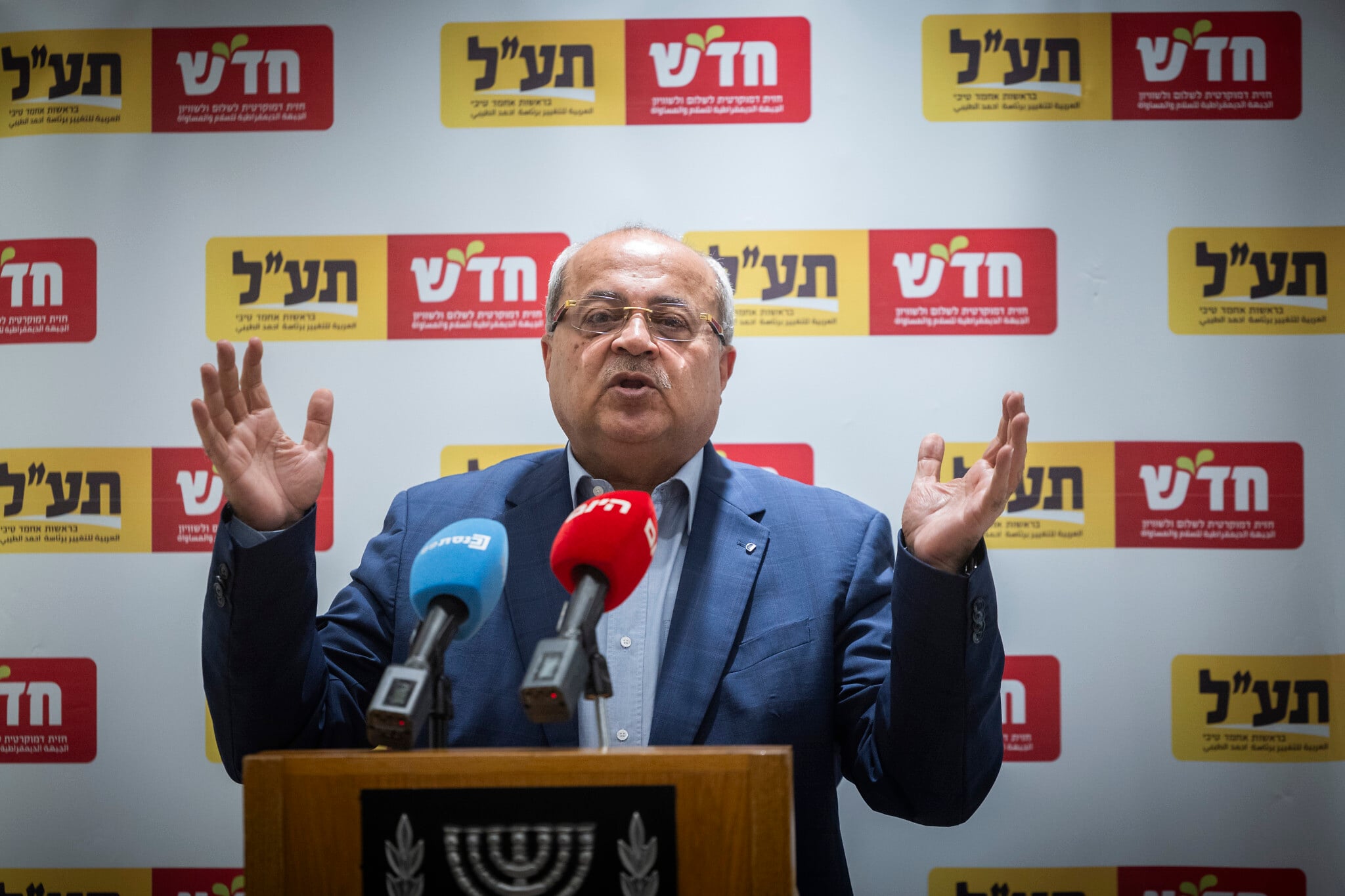
Israel’s Arab parties failed to reach an agreement on a shared electoral slate proposed by an inter-party “reconciliation committee” on Sunday afternoon, leaving the Arab community’s prospects for representation in the next Knesset uncertain.
According to national broadcaster Kan, MK Ahmad Tibi’s Ta’al party rejected the proposed slate with Hadash, a joint Jewish-Arab leftist faction incorporating Israel’s old Communist Party, and the secular nationalist Balad party.
While Tibi did not release a statement, one member of his party said in an interview with Arabic media that the committee’s proposal was “unfair” and “a stab in the back” and that he considered the committee “biased and partisan.”
In response, both Hadash and Balad released statements endorsing the list and calling for Arab unity ahead of the election on October 27.
According to a Hadash spokesman, the proposed joint list would have been led by Hadash chairman Yousef Jabareen, followed by Tibi, Sami Abu Shehadeh (Balad), Jafar Farah (Hadash), Bakhar Awawdeh (Balad), Ofer Cassif (Hadash), Youssef Atauna (Hadash), Maha Karkabi (Balad), an unspecified Ta’al candidate, Nihaya Washahi (Hadash), Hassan Nassasra (Balad), a second unspecified Ta’al candidate, and Ayas Natour (Hadash).
Such a list would give Ta’al less representation than either Hadash or Balad.
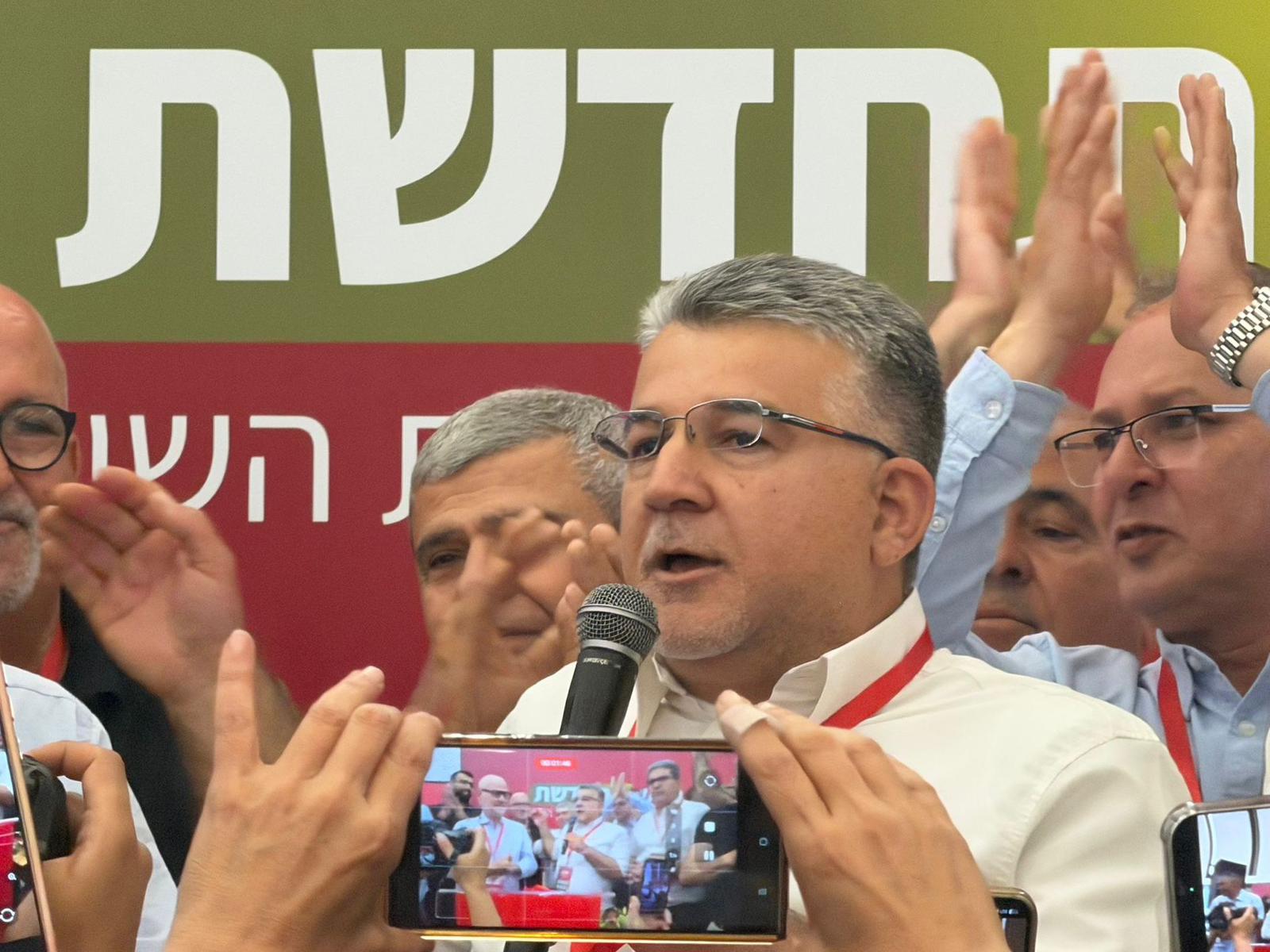
Hadash announced in June that it was moving forward with reestablishing a joint electoral list with Ta’al and Balad ahead of the upcoming national vote, while “leaving the door open” for Mansour Abbas’s Islamist Ra’am faction to join at a later stage.
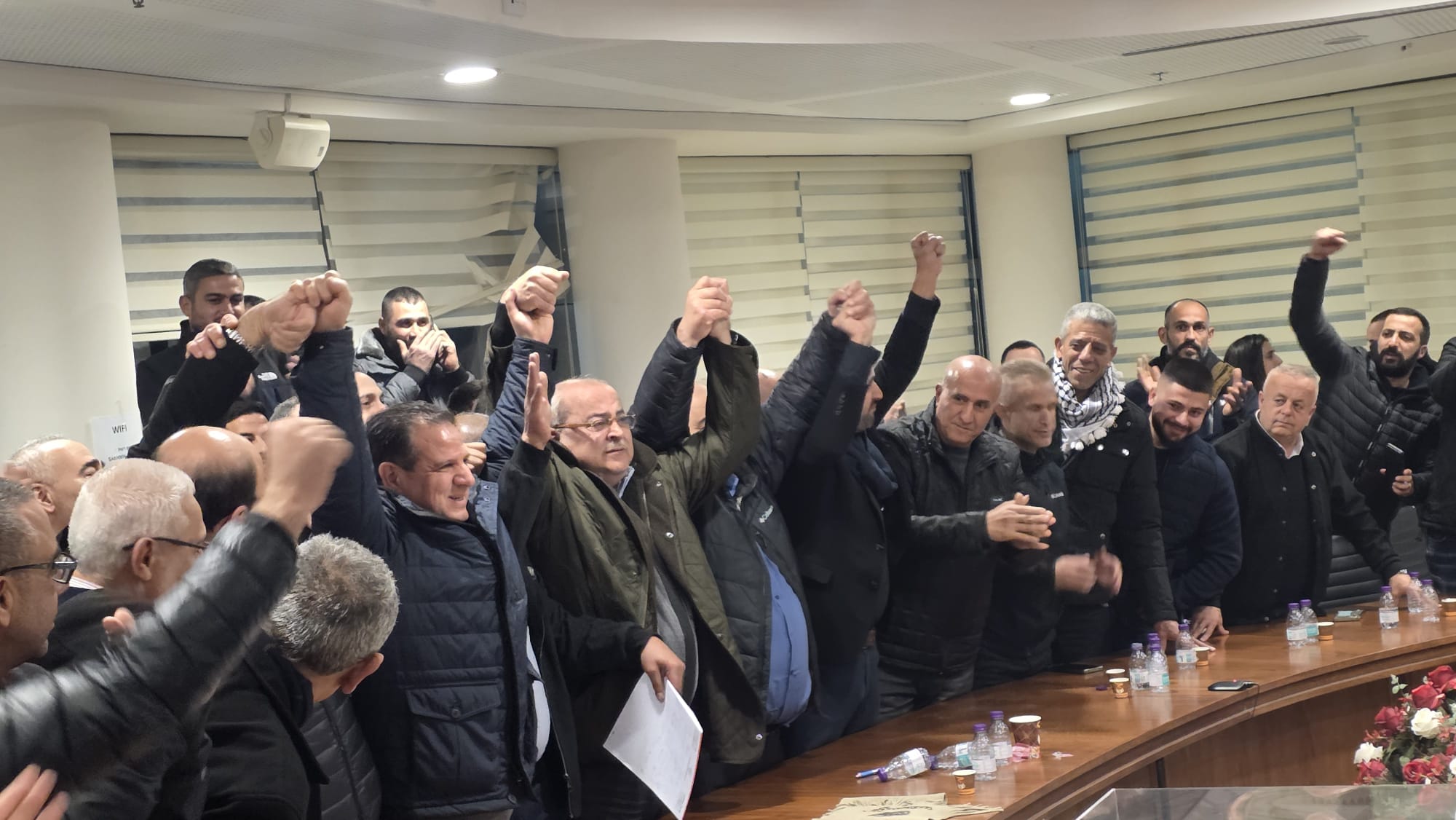
The four Arab-majority parties signed an agreement in January committing to work together to revive the joint ticket ahead of the election, but negotiations stalled for months, mainly due to Abbas’s insistence that the bloc be purely technical, to preserve Ra’am’s ability to join a governing coalition, which the other Arab parties oppose.
Abbas told Channel 12 in July that he will not run jointly with the other Arab parties in the upcoming elections.
The Joint List slate of Arab parties was first formed in 2015 and split up in 2021 after Ra’am broke away to join the coalition led by Naftali Bennett and Yair Lapid. The slate collapsed altogether ahead of the 2022 election, when the nationalist Balad pursued an ultimately unsuccessful solo run, leaving the remaining two parties to form the smaller Hadash-Ta’al list.
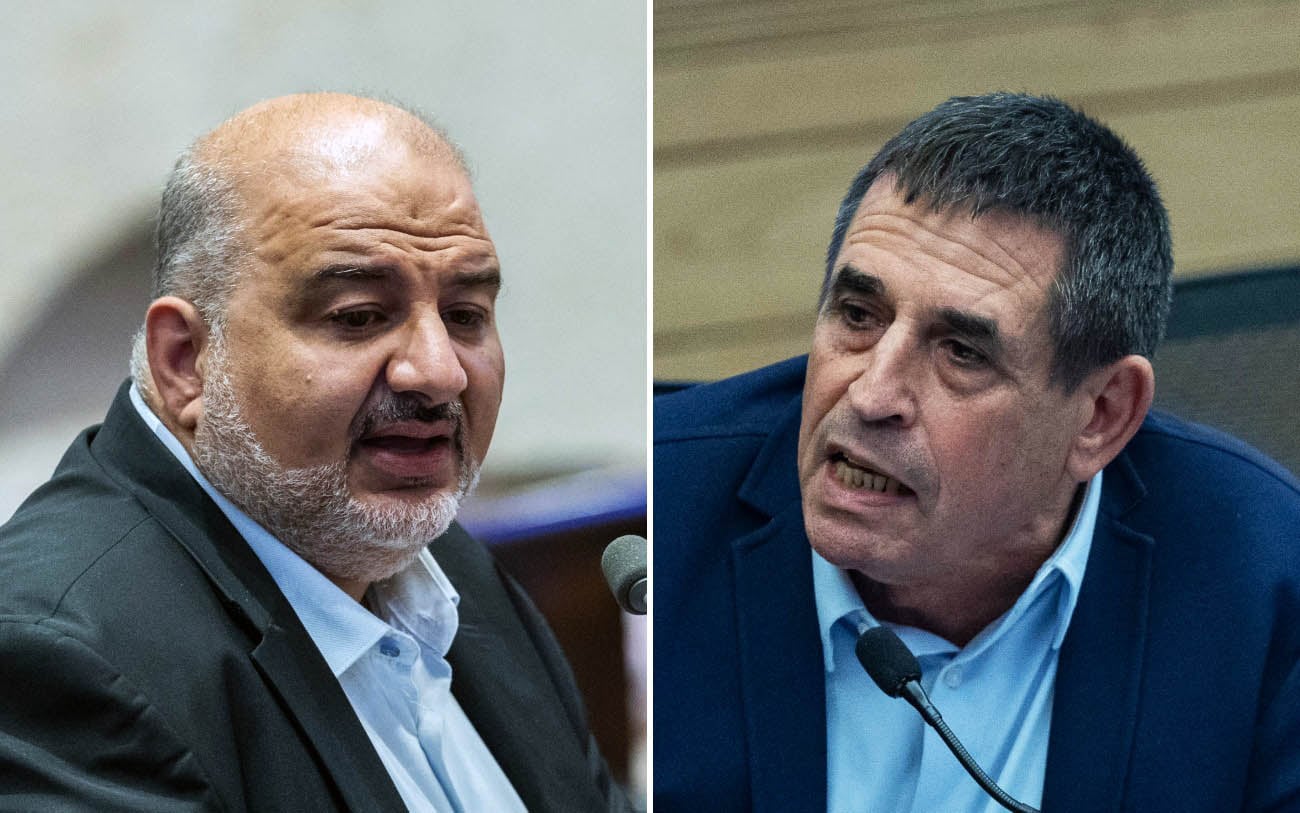
Yashar party leader Gadi Eisenkot, the leading candidate to unseat Prime Minister Benjamin Netanyahu, has rejected Ra’am as a potential coalition partner. Abbas has tried to distance Ra’am from its Islamist roots and is reportedly in talks about including former Yesh Atid MK Yoav Segalovitz, the former head of the Israel Police investigations and intelligence unit, on his slate.
Following Ta’al’s rejection of the proposed list, a Hadash spokesman told The Times of Israel that negotiations will continue because “there is no other option,” adding that two out of 10 of the committee’s members quit following Ta’al’s rejection of the proposal.
In a video message, party chairman Jabareen welcomed the committee’s proposal “as an expression of the public’s will,” insisting that a “large and strong joint list will act with all its power to send the Netanyahu–Ben Gvir–Smotrich government home.”
In a separate statement echoing Jabareen’s remarks, Hadash said that it welcomed the proposal and viewed it “as an expression of the public will, and we must all respect it.”
“Throughout the entire process, we made every effort to reach the broadest possible consensus out of a commitment to respect the public’s will. Now, the responsibility lies with all of us to move forward without delay and prepare for the joint campaign, to raise voter turnout among the Arab public, and to ensure political representation that is as strong and broad as possible,” the party said.
Similarly, the nationalist Balad party released a statement calling on all three party leaders and their teams “to meet immediately tomorrow to officially announce the tripartite list, form political, media, organizational, and field task forces, and approve the political program and strategic plan for the campaign, based on the deliberations and joint efforts that have taken place over the past year.”








The Times of Israel Community.