

Hamas must be drained of its money as well as its weapons
Gaza’s terror group is rearming, in part with money from the daily influx of aid * Plus: Netanyahu’s party primary brings an overdue farewell to some members of the Likud demolition crew, but the main wreckers remain

 Add ToI as a Preferred Source on Google
David Horovitz is the founding editor of The Times of Israel. He is the author of "Still Life with Bombers" (2004) and "A Little Too Close to God" (2000), and co-author of "Shalom Friend: The Life and Legacy of Yitzhak Rabin" (1996). He previously edited The Jerusalem Post (2004-2011) and The Jerusalem Report (1998-2004).
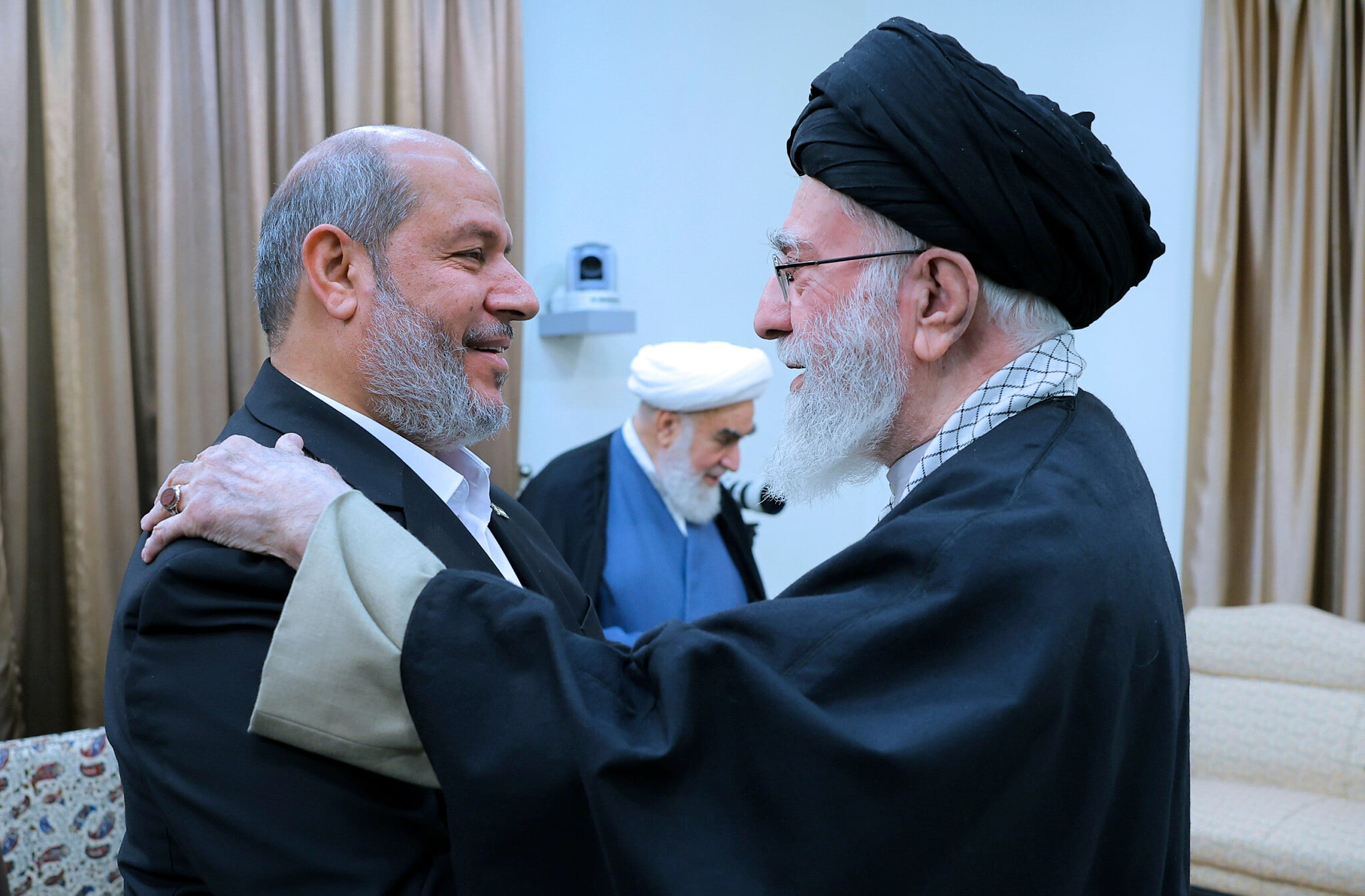
I’d really like to think that the US Middle East peace team has gotten over Steve Witkoff’s delusion that Hamas is not ideologically intractable and that it can be persuaded to lay down its weapons and quietly slink away into history.
I’d like to believe that when Jared Kushner meets, as he did again in Egypt over the weekend, with Khalil al-Hayya, he is thoroughly aware that the current Hamas chief was one of the architects of the October 7, 2023, invasion and massacre in southern Israel, and remains laser-locked on the goal of destroying Israel.
In purportedly agreeing to the US-established Board of Peace’s plan for its own disarmament and Israel’s withdrawal from Gaza, Hamas is manifestly playing the United States and playing for time: It is recruiting; it is training; it is awaiting a less intrusive, more anti-Israel American administration; it is awaiting a resumption of funding from the despicably resilient Iranian regime.
That does not mean that the US-led effort, via the Board, to marginalize Hamas and gradually change the face of Gaza is a lost cause. But success requires genuine Hamas disarmament; ongoing, relentless elimination of Hamas operatives preparing and attempting to carry out attacks… and a heightened focus on Hamas’s finances.

According to Yitzhak Gal, of the center-left Mitvim advocacy think tank, Hamas retains broad leverage over aid entering the near-50% of Gaza where it retains control, and is able to tax (at entry and in the markets), obstruct and loot supplies to the tune of some $2 million a day. (A Board of Peace official acknowledged to The Times of Israel that diversion of aid continues, but did not confirm Gal’s figure, and said the scale of Hamas intervention has been going down.) It is essential, therefore, urged Gal, that the Board’s yet-to-be-deployed International Stabilization Force fully control the entire aid distribution process.
In an Army Radio interview on Monday, Gal further argued that Hamas, in purportedly agreeing to relinquish civilian governance to the Board’s National Committee for the Administration of Gaza, the intended interim technocratic government, is, again, playing the US, the Board et al for fools, since it has ensured that the hierarchies through which this committee would seek to operate are staffed by Hamas and its loyalists.
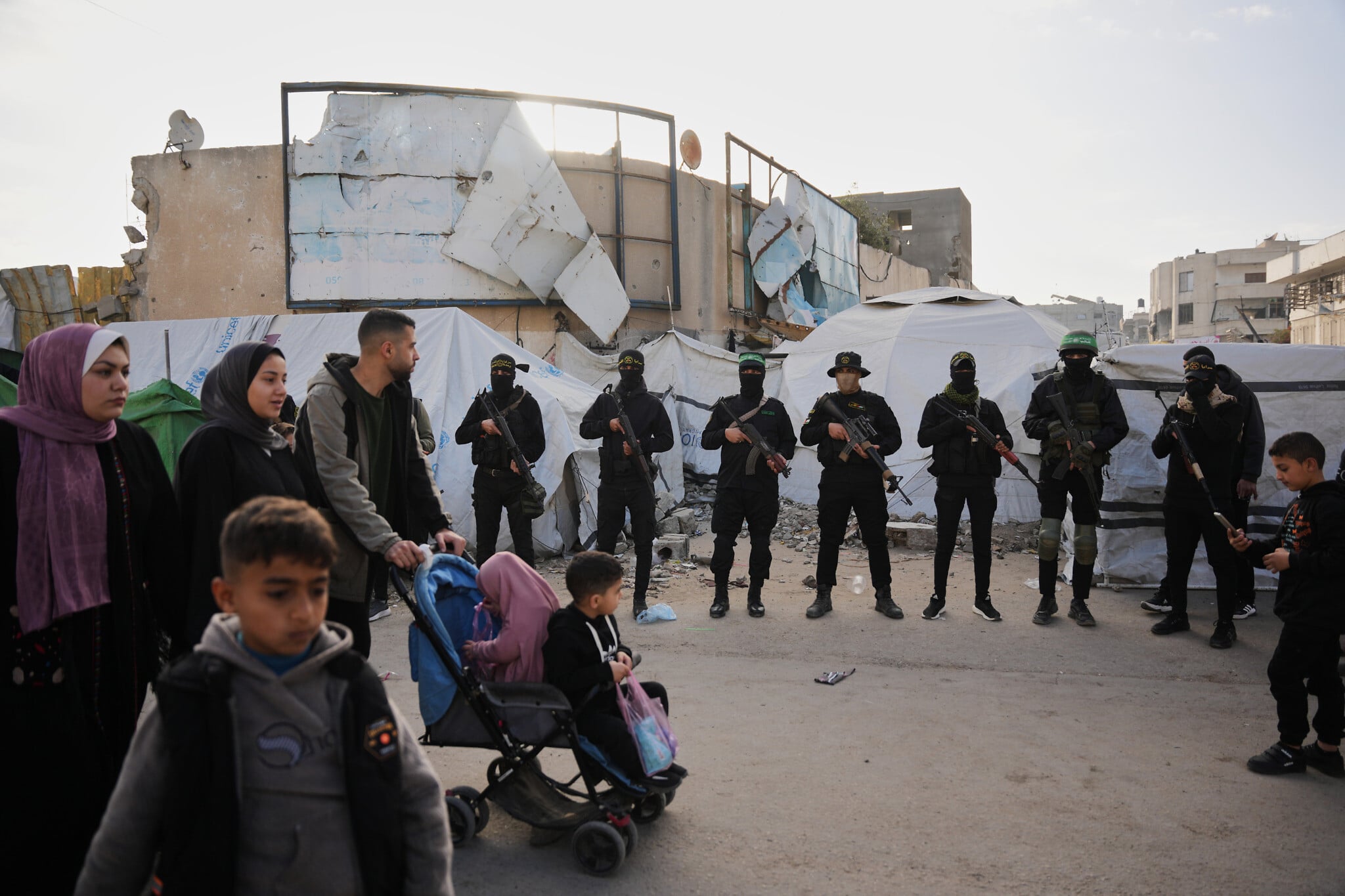
Finally, Gal urged the establishment of a kind of economic police force — to oversee taxation, money-changing, cryptocurrency dealings and every other aspect of finance in Gaza, an effort that he acknowledged would likely trigger open conflict with Hamas.
Common to these proposals is the imperative to ensure not only the disarming of Hamas but also the draining of Hamas’s coffers.
The Board of Peace may not be perfect, Gal argued, but it is the least bad international tool around to heighten pressure on Hamas. And that pressure must include shattering Hamas’s financial leverage.
Otherwise, Hamas will continue quietly strengthening, and another round of devastating conflict is only a matter of time.
How potent and proximate is the threat?
Former and would-be prime minister Naftali Bennett, visiting the Gaza border town of Netiv Ha’asara two weeks ago, sounded a furious alarm: “Hamas has restored its command system, they appointed company commanders, battalion commanders, brigade commanders, rearmed themselves with long-range missiles, UAVs, drones, and weaponry and are now digging the tunnels anew,” Bennett said, adding that the terror group was “already training for the next massacre.”
Bennett is campaigning to defeat Prime Minister Benjamin Netanyahu’s government, and unsurprisingly pointed a renewed finger of blame at Netanyahu, declaring that “a direct line connects the Prime Minister’s Office in Jerusalem to what is happening here on the other side of the fence: Netanyahu gave up on eliminating Hamas, brought Qatar into the Prime Minister’s Office, and later gave the Qataris the keys to Gaza.”
But a month earlier, officers in the IDF’s Military Intelligence Directorate and Southern Command similarly warned that Hamas’s military wing was preparing for renewed war with Israel, specifying that the terror group was producing hundreds of explosive devices and anti-tank missiles every month, recruiting fighters aged 18-22, and recently restarted training for members of its elite Nukhba force.
Hamas, the officers said, according to a Kan TV report, is also trying to smuggle in drones and communication devices from Sinai. And it is working to rebuild its underground infrastructure, much of which was never destroyed.
At least twice in recent weeks, indeed, the IDF has stated that it attacked Hamas operatives working to restore Gaza tunnels.
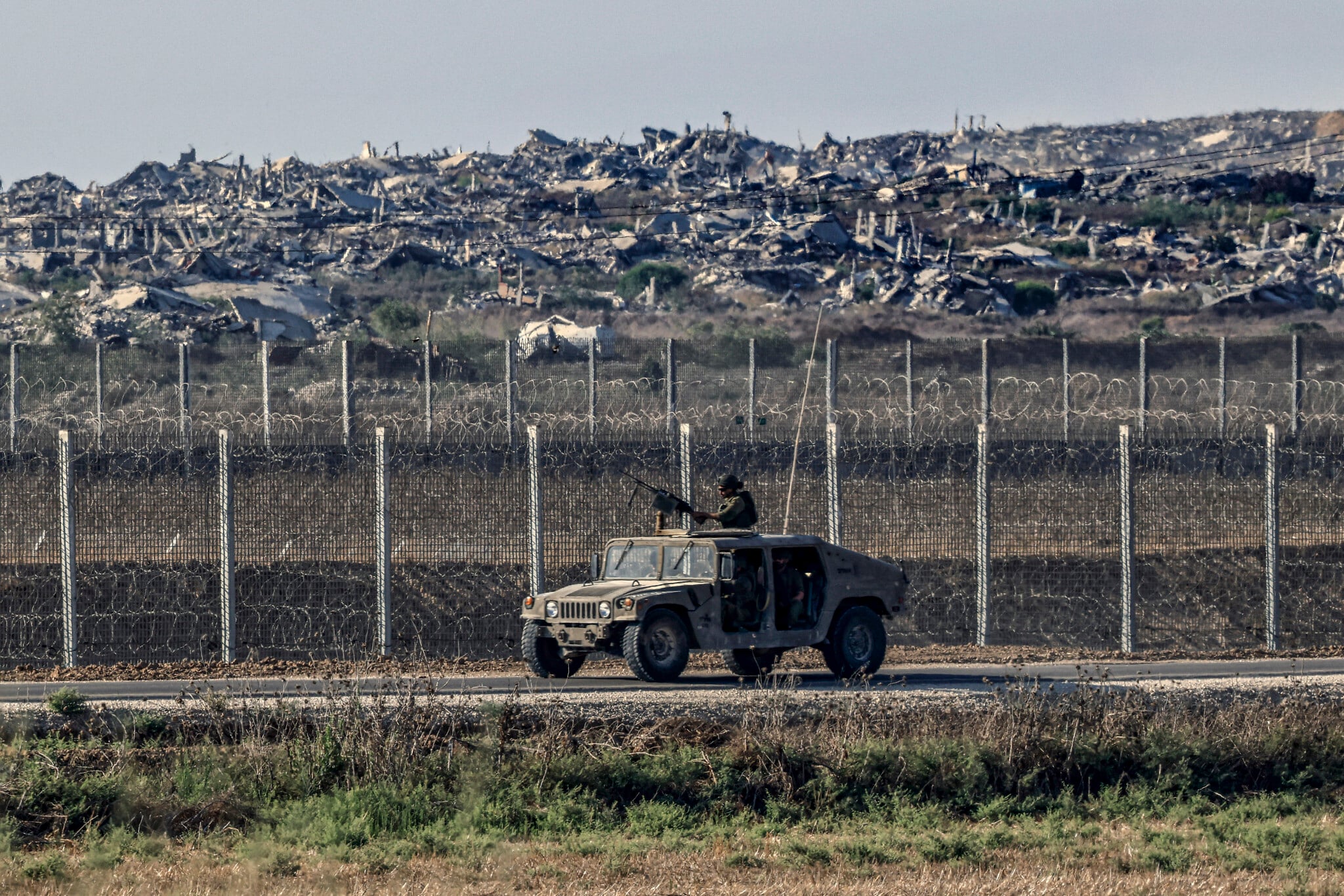
Almost unbelievably, what’s more, three years after October 7, IDF surveillance soldiers say they are again witnessing Hamas terror activities, and that their superiors are ignoring their warnings.
Naivete and complacency are unthinkable when it comes to Hamas. But so, too, are paralysis and inaction.
Likud’s non-shakeup
Barely a month after they cast their votes, at Netanyahu’s command, in favor of legislation that unconscionably seeks to enshrine the mass exemption from military service of ultra-Orthodox men, at least 16 and probably several more Likud MKs and ministers will not be returning to the Knesset given their relatively poor showings in Monday’s Likud party primary.
They knew when they voted that the IDF is desperate for more troops, amid the relentless, multifront security frictions. They knew how badly the reservists are hurting after hundreds upon hundreds of days of service at the front. They knew that there is nothing “Jewish,” much less “ultra-Orthodox,” about refusing to defend the Jewish state. They knew their prime minister was being extorted by their non-Zionist ultra-Orthodox coalition partners. And yet, as throughout the four-year term of Israel’s most security-incompetent, democracy-destroying, settler-terrorism-indulging, divisive government, they nonetheless did their cynical, self-serving leader’s bidding.
And now, they’re going to be cast aside.
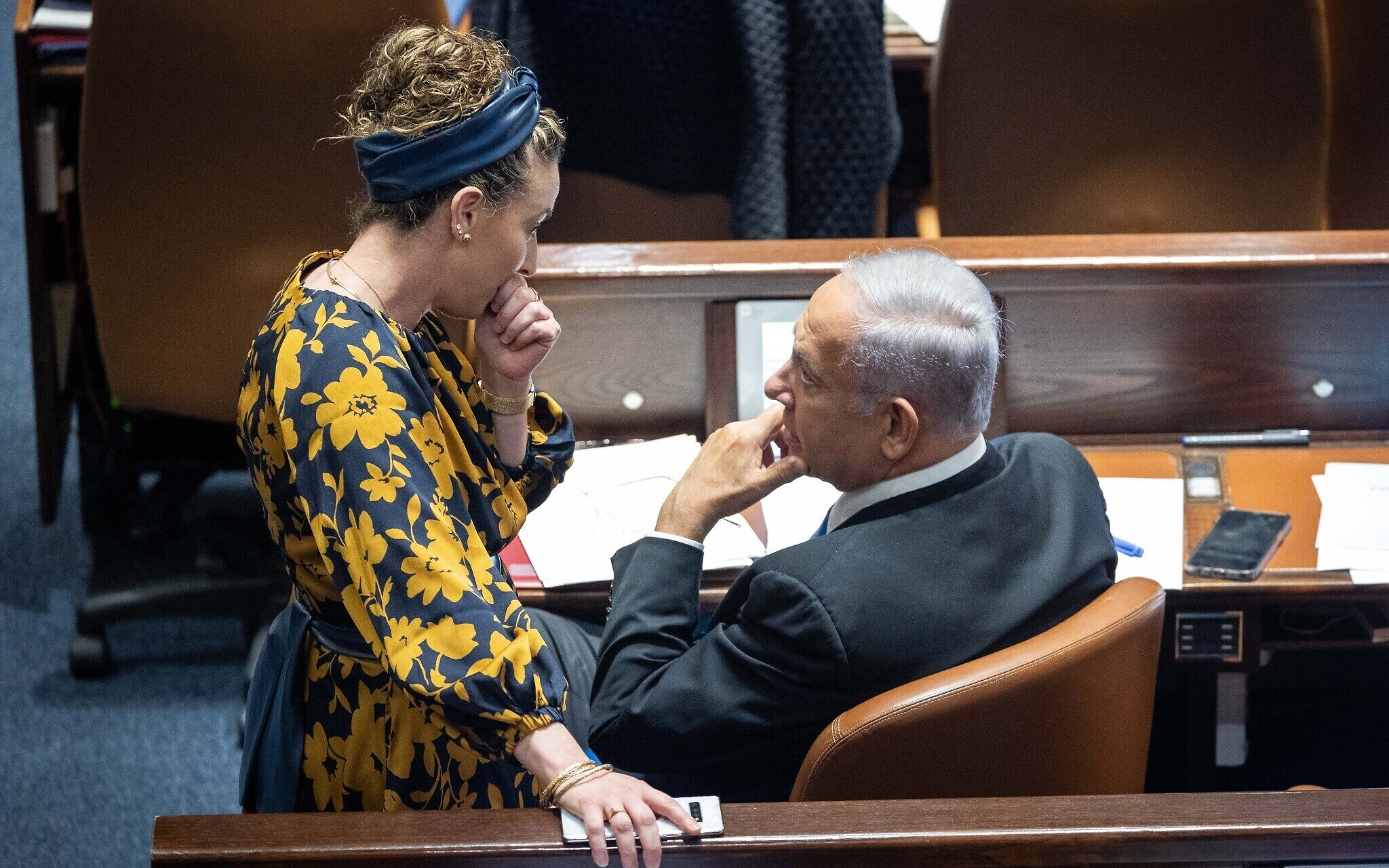
Do any of them feel even the merest twinges of guilt and regret? Very probably not.
Certainly not Idit Silman, whose defection to Likud sealed the demise of the Bennett-Lapid government in 2022 and bought her four ministerial years spent doing the opposite of environmental protection.
What about Avi Dichter, the once-admirable former Shin Bet chief who broke the Second Intifada but then sold his soul to Netanyahu?
And what of Ariel Kallner, the Likud MK who initiated the bill to hold a politically led inquiry into the failures surrounding October 7 — an inquiry to be staffed and mandated by the very government that presided over the catastrophe, rather than the independent state commission so desperately needed to establish what went wrong and how to prevent a recurrence? Kallner, too, is about to disappear into history, a dispensable, doubtless unrepentant footnote.
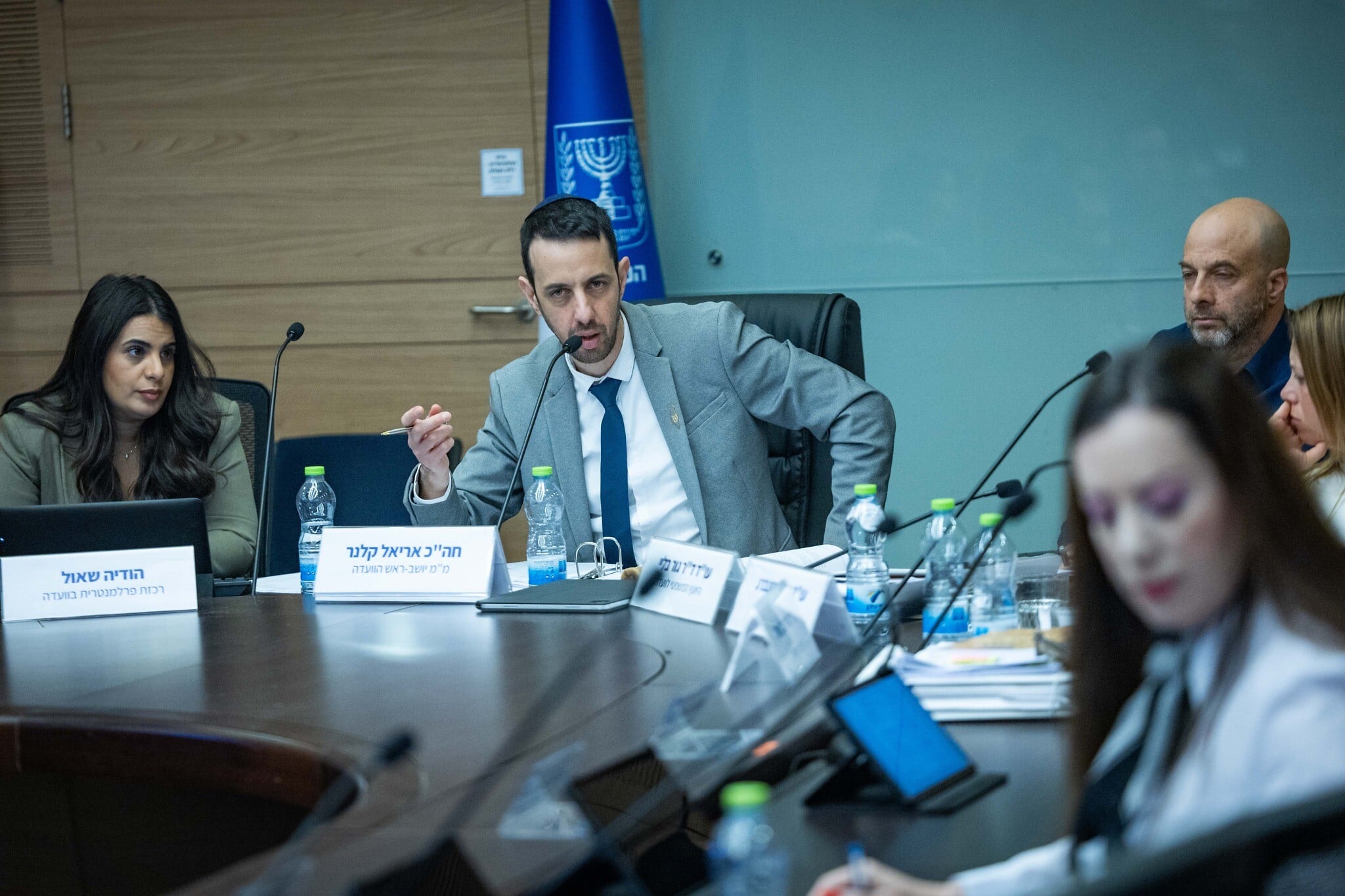
However, Ofir Katz, the House Committee chair who would appoint the farcical non-inquiry panel, fared very well in the primary, and will be back in the Knesset to help shepherd the bill through its two final readings, if a Likud-led coalition is reelected.
So, too, will Yariv Levin, the anything-but-justice minister obsessed with destroying our judiciary, who plunged Israel into the bitter internal dissent that Hamas so effectively exploited. Like much of the Netanyahu-loyal senior old guard, Levin will return, after a primary that, strikingly, failed to elect a single fresh face — unless you count far-right Otzma Yehudit defector Almog Cohen — to a realistic slot on Likud’s slate.
Coming in at No. 3 in the vote, Levin promised, before the count was even finished, “to complete the judicial reform,” and asserted, with characteristic inaccuracy and arrogance, that his success in a contest for which barely half of his own party’s members bothered to turn up represented the endorsement of his incendiary policies by “a vast public.”
Apropos all of which, as this inevitably toxic election campaign heats up, could the Shin Bet, even under Netanyahu-appointee David Zini, be prevailed upon to put aside partisan consideration and provide security protection for the opposition frontrunner, Gadi Eisenkot?
—
This Editor’s Note was sent out earlier Wednesday in ToI’s weekly update email to members of the Times of Israel Community. To receive these Editor’s Notes as they’re released, join the ToI Community here.







The Times of Israel Community.