

‘Breakthrough’ Moderna personalized mRNA cancer vaccine curbs melanoma reoccurrence
News of first positive large late-stage trial result for drug could signal new era for treating solid-tumor cancers, with tests underway for lung, breast and pancreatic cancers
 Add ToI as a Preferred Source on Google
Reuters — Moderna said Wednesday that a personalized mRNA cancer vaccine reduced the risk of recurrence and spread of melanoma in a late-stage trial, a major success in a new field of cancer treatment that sent the drugmaker’s shares surging as much as 160%.
Moderna developed the vaccine with Merck and tested it together with immunotherapy drug Keytruda, a widely used treatment for melanoma. Thousands of patients who have undergone surgery to remove high-risk melanoma tumors could benefit as soon as next year if regulators approve the vaccine, Moderna president Stephen Hoge said in an interview.
This is the first positive late-stage trial result for an mRNA cancer vaccine, which trains a patient’s immune system to fight tumors by targeting specific mutations in those cells and the first such study to show that adding a treatment to Keytruda worked better than that therapy alone. Similar approaches are being tested against lung, breast and pancreatic cancers.
Karen Knudsen, CEO of the Parker Institute for Cancer Immunotherapy, said the Moderna results could signal a new era for treating solid-tumor cancers.
“The positive hit here leads us into truly this next phase in immunotherapy,” Knudsen said. “This is an auspicious start — this is where things begin.”
The vaccine — which is a personalized treatment — could be difficult to make and scale up commercially, although Hoge said Moderna is confident it can meet demand over the next few years.
Interim results of the ongoing study, released Wednesday, found the treatment, Intismeran, met both its primary target of reducing cancer recurrence and its secondary goal of preventing tumors from spreading to other parts of the body, compared with Keytruda alone. The companies did not provide detailed results, which they said would be shared at an upcoming medical meeting.
“This is the first time that we’ve seen really clinically significant, statistically significant improvements over checkpoints like Keytruda in this population, and it is the first time we’ve done that with an individualized treatment,” Hoge said.
Merck said the companies are already in talks with regulators about the treatment.
Hoge said given the vaccine’s breakthrough therapy designation, it could be available as soon as next year. He called the result a landmark.
William Blair analyst Myles Minter said the interim results position both companies well to seek regulatory approval, while also reading positively for the vaccine’s ongoing studies in other types of cancer.
The cancer treatment combines Merck’s Keytruda with a made-to-order mRNA vaccine from Moderna that is based on an analysis of mutations found in the patients’ own tumors.
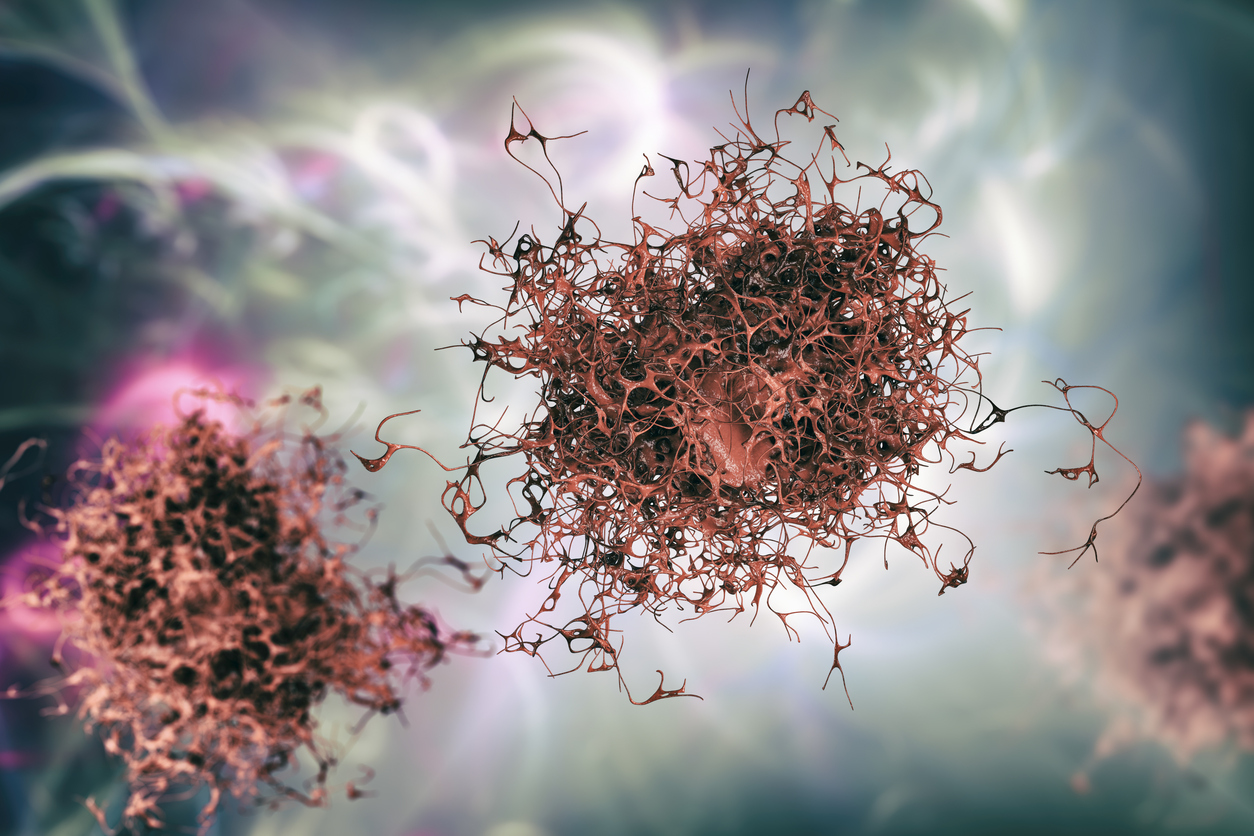
The trial enrolled 1,137 high-risk patients with stage IIB-IV melanoma that had been surgically removed.
Volunteers were randomized to receive up to nine doses of Keytruda plus the personalized vaccine or Keytruda alone for about one year. The companies said no new safety signals have emerged in the trial.
In January, the companies announced results of a mid-stage trial of the treatment showing that it reduced the risk of recurrence or death by 49% after five years.
Moderna CEO Stephane Bancel, appearing on CNBC, said the companies have not decided on pricing, saying the data had only become available “a couple days ago.”
Melanoma is the deadliest form of skin cancer. In 2023, there were more than 1.5 million people in the US living with melanoma, according to the National Cancer Institute.









The Times of Israel Community.