

After Iranian missile ‘nightmare,’ Beit Shemesh evacuees seek shelter in Jerusalem
At the capital’s Leonardo Plaza hotel, some 300 residents of the hard-hit city try to pick up the pieces of their lives after their homes were destroyed in last week’s deadly strike
 Add ToI as a Preferred Source on Google
Zev Stub is the Times of Israel's Diaspora Affairs correspondent.
For Mor Buzaglo, life has been a blur since her home in Beit Shemesh was heavily damaged by a ballistic missile from Iran last Sunday.
“Our house was severely damaged in the attack,” Buzaglo recalled. “The ceiling collapsed on top of my daughter and me, and it was only by a miracle that we are alive. The windows shattered, the light fixtures fell, and everything was broken on the floor. And that was it.”
Buzaglo and her daughter were taken to the hospital for treatment, and they were later reunited with her husband and two other children at her in-laws’ home before being sent to the Leonardo Plaza Hotel in Jerusalem.
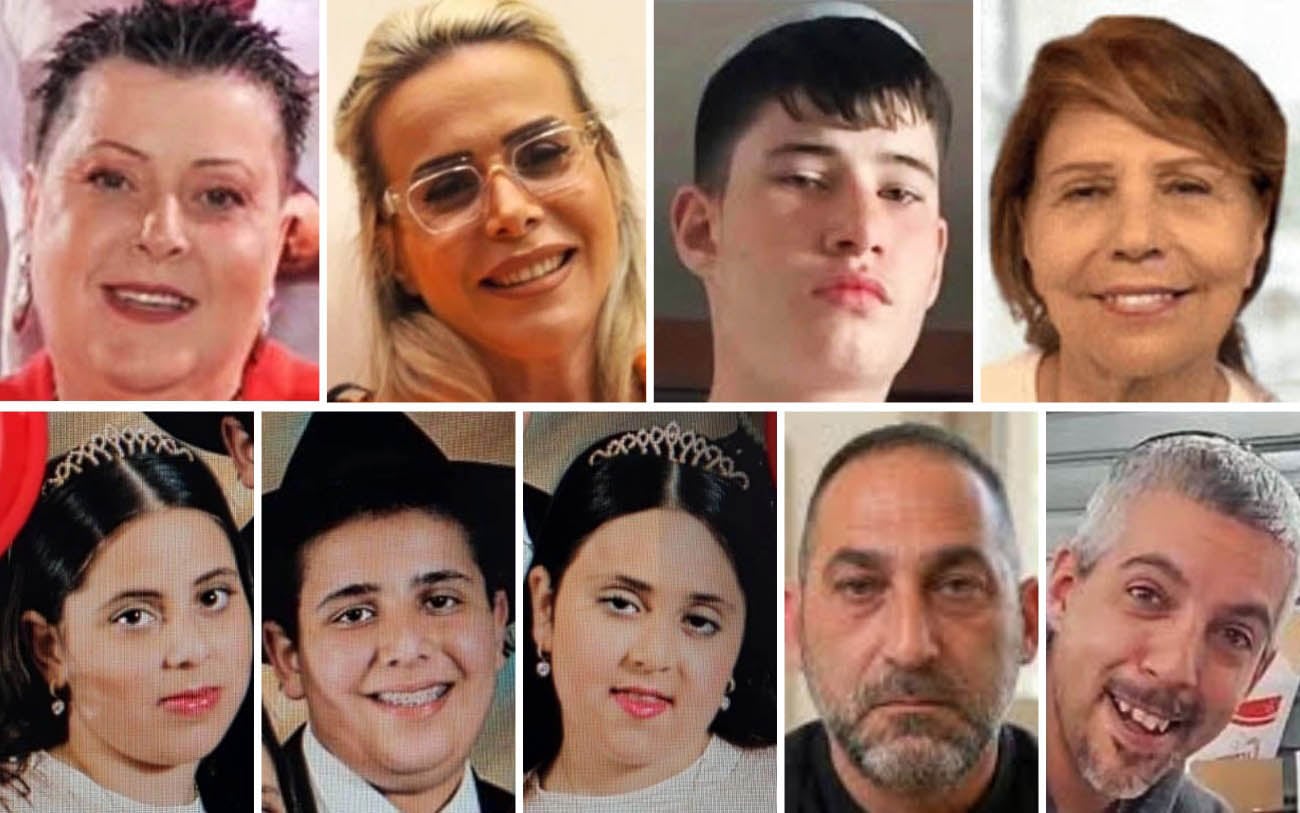
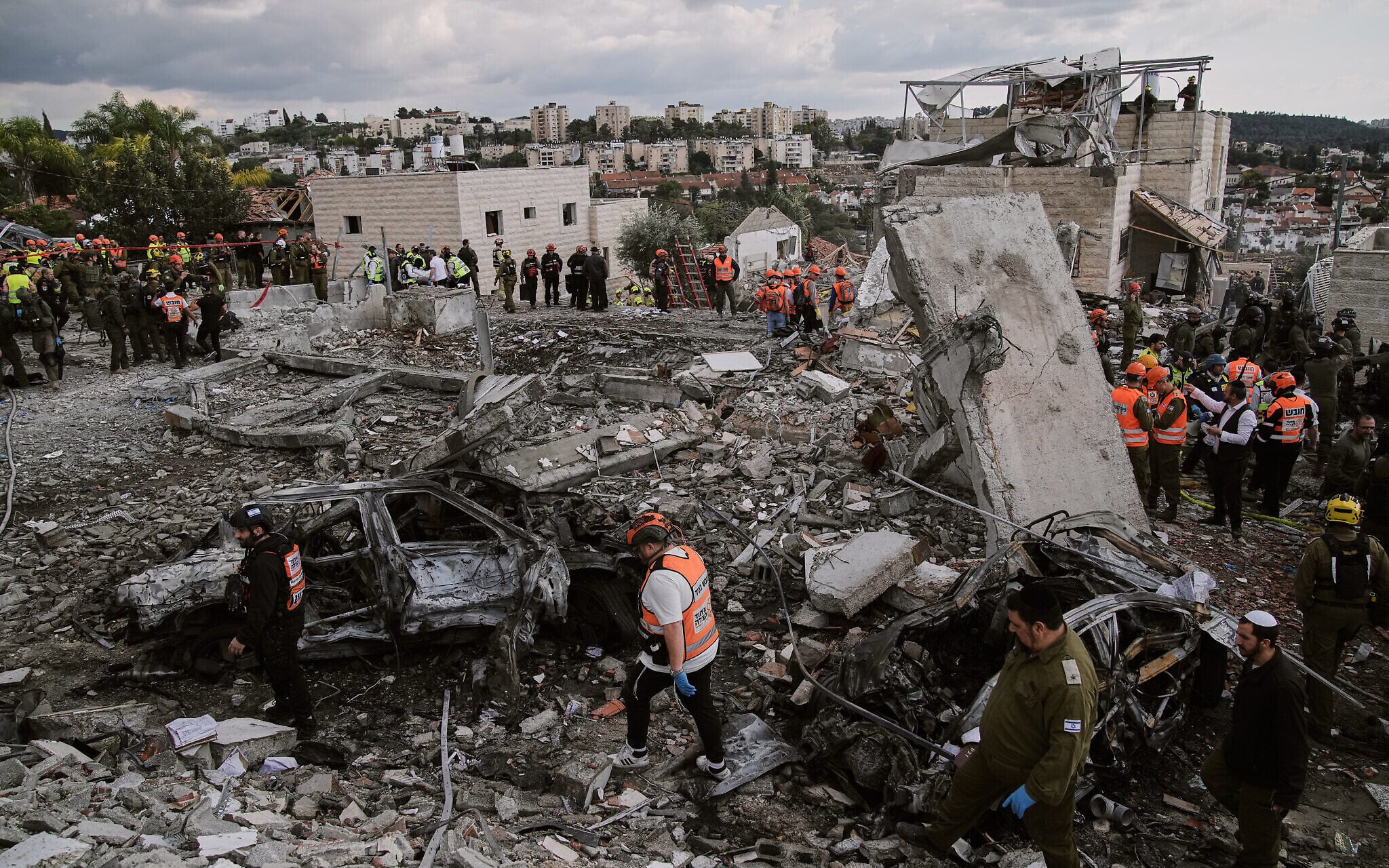
Now, she and her family are sheltering alongside hundreds of other evacuees from the city after an Iranian missile strike killed nine people and injured about 65 on the second day of the joint US-Israel strike on the Islamic Republic.
About 300 evacuees are staying at the hotel, which is part of the Fattal Hotels Group, said Ortal Noah Moalem, CEO of Fattal Hotels in Jerusalem. Many will likely stay there until their homes are rebuilt, said a Justice Ministry representative.
In the luxury hotel’s lobby on Sunday afternoon, children in pajamas played games next to piles of suitcases, while teams of volunteers, social workers and government officials sat at tables offering help.
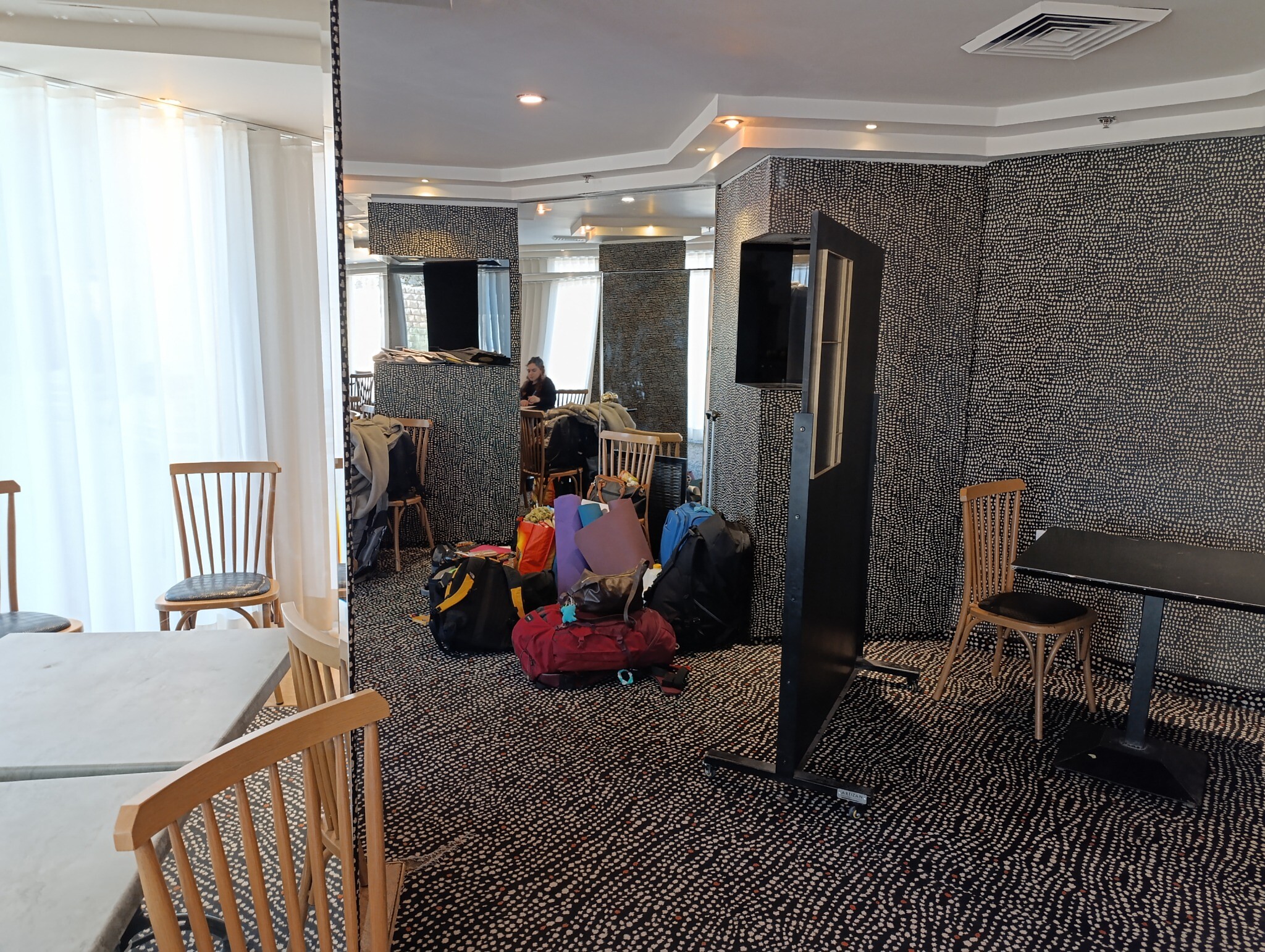
Many of the evacuees were experiencing anxiety attacks and other forms of emotional distress, and most did not know where they would live in the immediate future, said a social worker from the Beit Shemesh welfare department who requested that her name not be used. Family members of the nine people killed in the attack had been moved elsewhere, she noted.
Towards the back of the hotel lobby, signs directed people to municipal advisers, medical services and insurance advisers to inform them of their rights. Many of the guests were previously sent to a different hotel in Jerusalem and had only arrived at this one in the past day.
“Unfortunately, this hotel is already used to this,” said Noah Moalem. “This is our third time hosting evacuees since the war started in 2023. We understand that we have the opportunity to be part of this emergency effort together with the entire State of Israel. Our job right now is to open our hearts and provide a place of warmth and the best hosting we can.”

Creating a balance between the evacuees’ needs and the tone of a luxury hotel is a delicate challenge, Noah Moalem said.
“We have to be very inclusive and accepting of everyone, while preserving the atmosphere of the hotel,” she said. “We believe that if we respect our guests, they will respect the place, and we try to take that approach even when it doesn’t work out. If a kid is playing with a ball in the lobby, we’ll politely move them to play outdoors, keeping in mind that these people are here because they lost their homes.”
Many of the guests don’t know when they will be able to return home, or what challenges await them in the coming days and weeks. Buzaglo estimated that her home will need two months of renovation work before she can return.
Anastasia Kramar, another Beit Shemesh resident, is still adjusting to the new reality.
“No one ever expected that something like this could happen in our quiet, family-oriented city,” she said. “My daughter and I were in a public shelter when it happened, but no one had closed the door. Suddenly, there was this boom, and everything flew. There was a short silence, and then you started to hear the screams. ‘Where’s my son?’ ‘Where’s my mother?’ It was a nightmare.”
The hotel offered a lot of activities for children staying there, “but the adults are really struggling mentally and emotionally right now,” she said.
Now, after most homes in her neighborhood were damaged, Kramar is unsure what the future holds. While the government says it will pay for the damaged homes to be rebuilt, getting that done on the ground is another story.
“This whole situation is just horrible,” she said. “Contractors have told us they aren’t interested in fixing our home, and the government is telling us we have to first get a quote for the work before they will pay us back. Our car is also damaged, and we don’t know what will be next.”
Homeowners are entitled to different types of government compensation depending on the level of damage to the property, explained a Justice Ministry representative who was on hand in the hotel advising evacuees of their legal rights. Without addressing Kramar’s complaint directly, the representative noted that in some cases, compensation is only provided after a receipt is submitted to the authorities.

Yael, a Beit Shemesh resident studying in a post-high school military preparatory program, was volunteering at the hotel with her friend Yaela.
“We came here to volunteer and help with whatever is needed, whether it’s logistics, arranging donated items, or helping out with the children,” she said. “Some of the kids are enjoying being in a hotel, because it feels a bit like a vacation, but the adults feel very overwhelmed, and they don’t understand what is going on or what will happen next.”

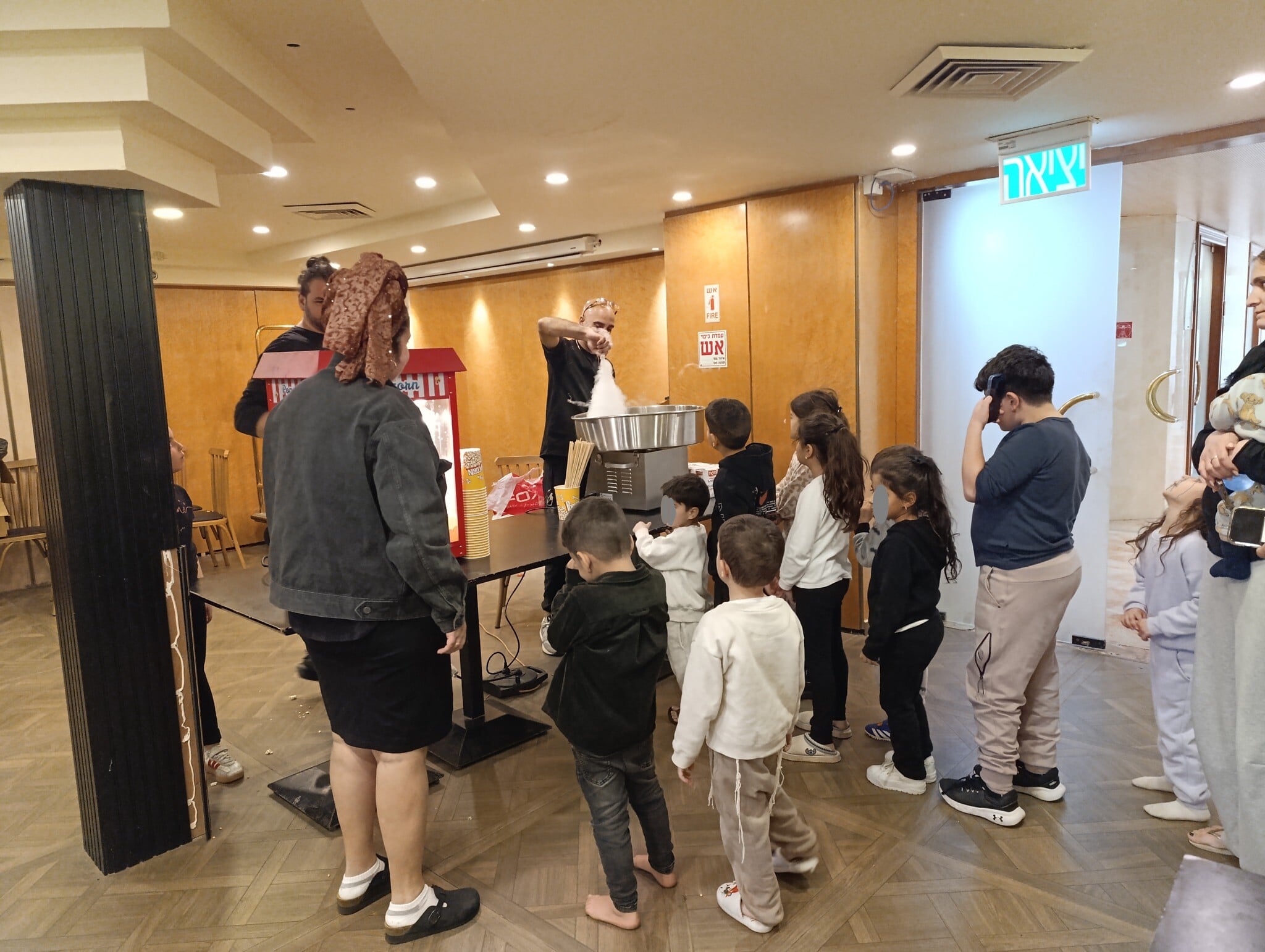
For Buzaglo, a bit of consolation came when the birthday party she had originally planned at home for her 5-year-old son was replaced with a party in the hotel, with volunteers putting on a magic show and serving popcorn and cotton candy.
“That was very exciting and heartwarming,” Buzaglo said. “It is comforting to see so many people here trying to help and offer support.”









The Times of Israel Community.