

As ceasefire holds, displaced Lebanese trickle home to find out what remains
Cars line up to cross destroyed Qasmiyeh Bridge over Litani River after Lebanese army bulldozes new path: ‘If the situation allows, we will stay and we will not leave our land again’
 Add ToI as a Preferred Source on Google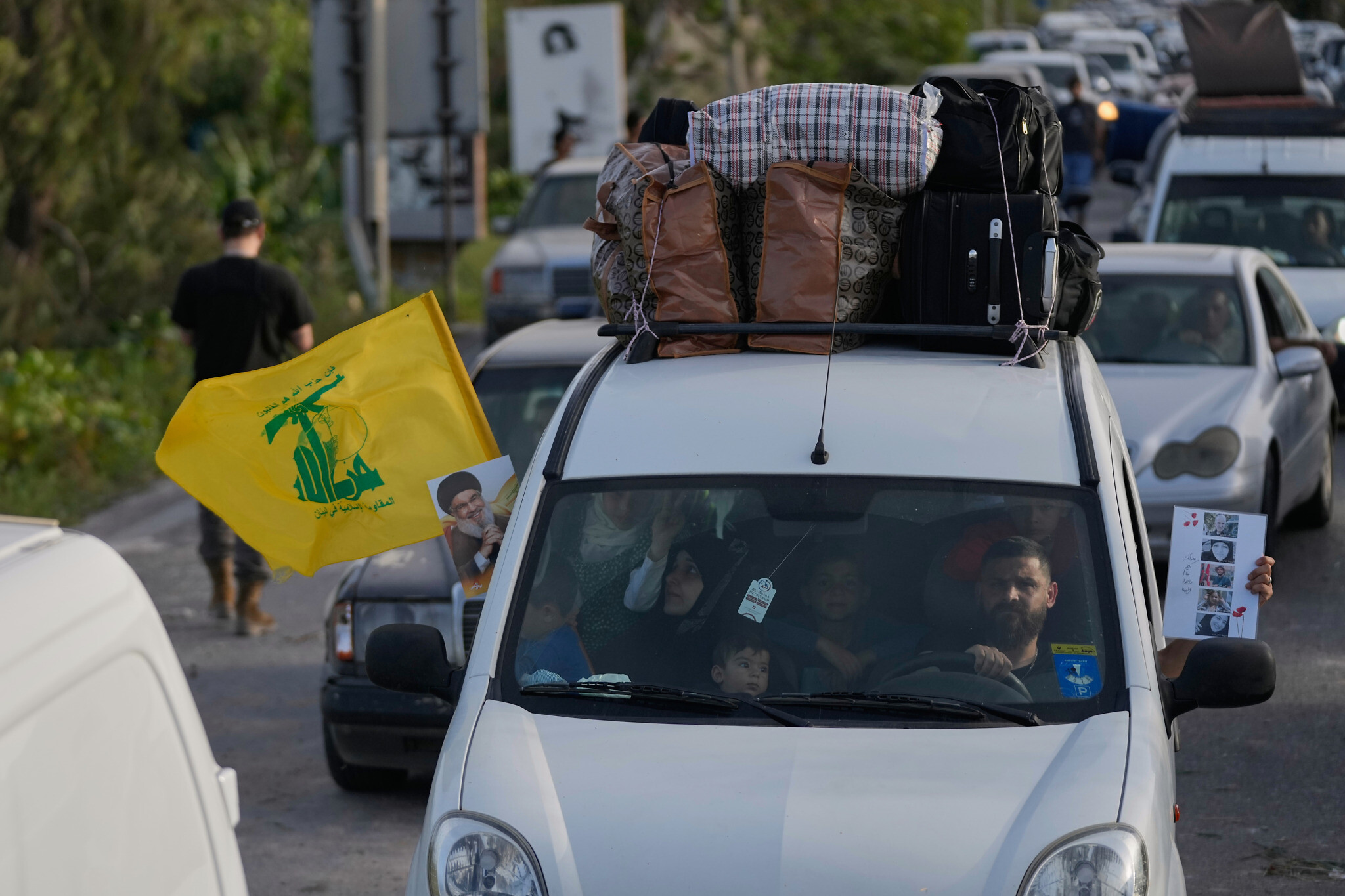
As a shaky ceasefire between Israel and Lebanon appeared to hold Friday morning, displaced Lebanese residents began trickling home and discovering whether or not their houses were still standing.
US President Donald Trump announced the ceasefire between the governments of Lebanon and Israel on Thursday. The Lebanese government has been sharply at odds with Hezbollah over the Iran-backed terror group’s decision to enter the war, and has sought its peaceful disarmament for a year. Hezbollah and its Iranian patron openly seek to destroy Israel.
In the southern village of Jibsheet, a trickle of residents returned to flattened apartment blocks and streets littered with chunks of concrete, twisted aluminum shutters and dangling electrical wires.
“I feel free being back,” said 23-year-old Zainab Fahas. “But look, they destroyed everything: the square, the houses, the shops, everything.”
In the southern Beirut suburb of Haret Hreik, Ahmad Lahham, 48, waved the yellow Hezbollah flag. He stood on a mountain of rubble that was his apartment building and also housed a branch of Hezbollah’s financial arm, Al-Qard Al-Hassan.
Iran’s pressure in its talks with the US brought the truce, he claimed, condemning Lebanon’s direct talks with Israel.
“Only the Iranians stood with us, no one else,” he asserted, calling Lebanon’s leaders “the leadership of shame.”
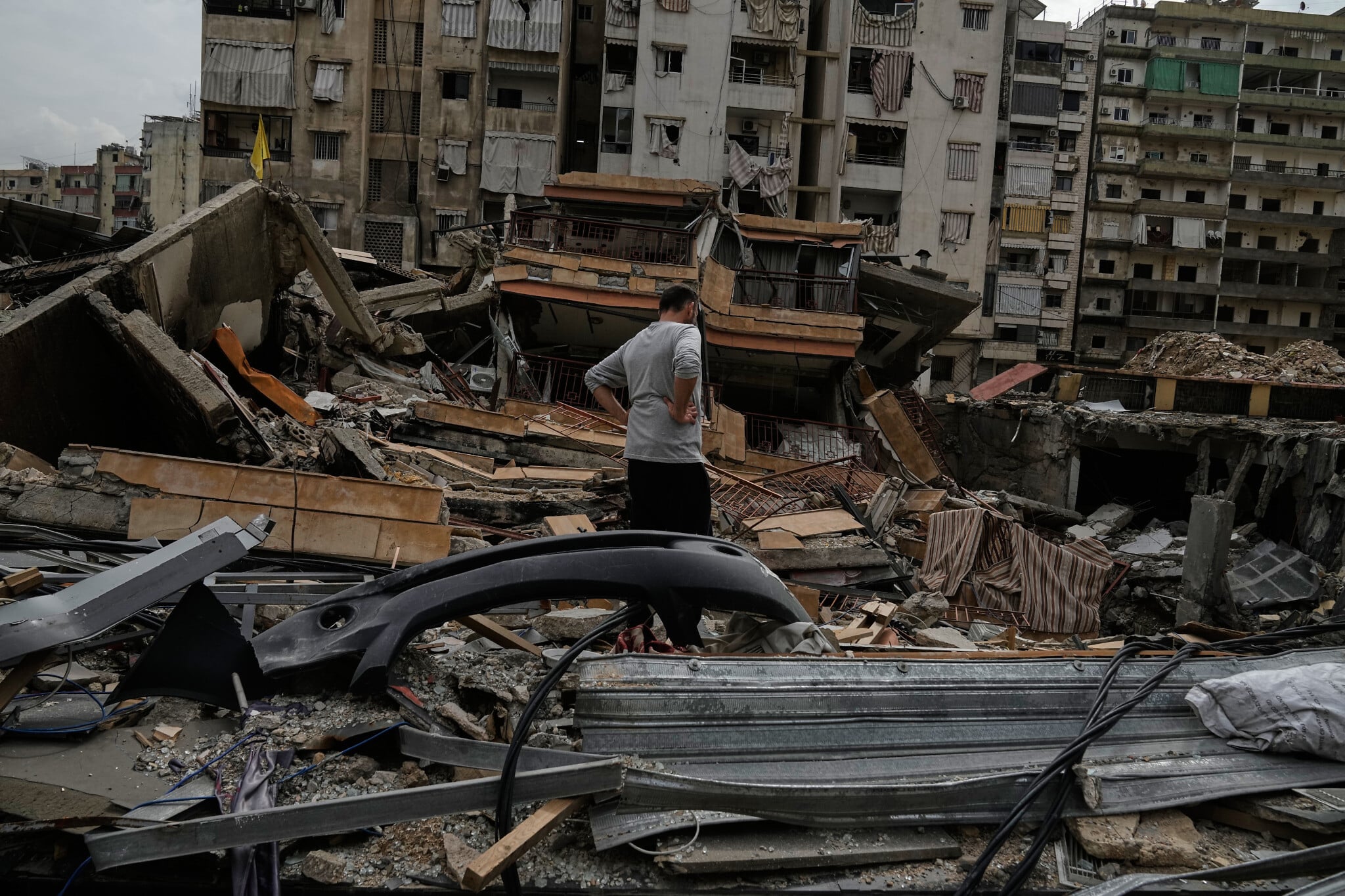
Nearby, Ali Hamza said he had just “inspected my home and praise God the building is still standing.”
But he said, “People are scared to come and live, and it is impossible to live in these circumstances, and with these smells. A full return is difficult now, despite the hardship of displacement.”
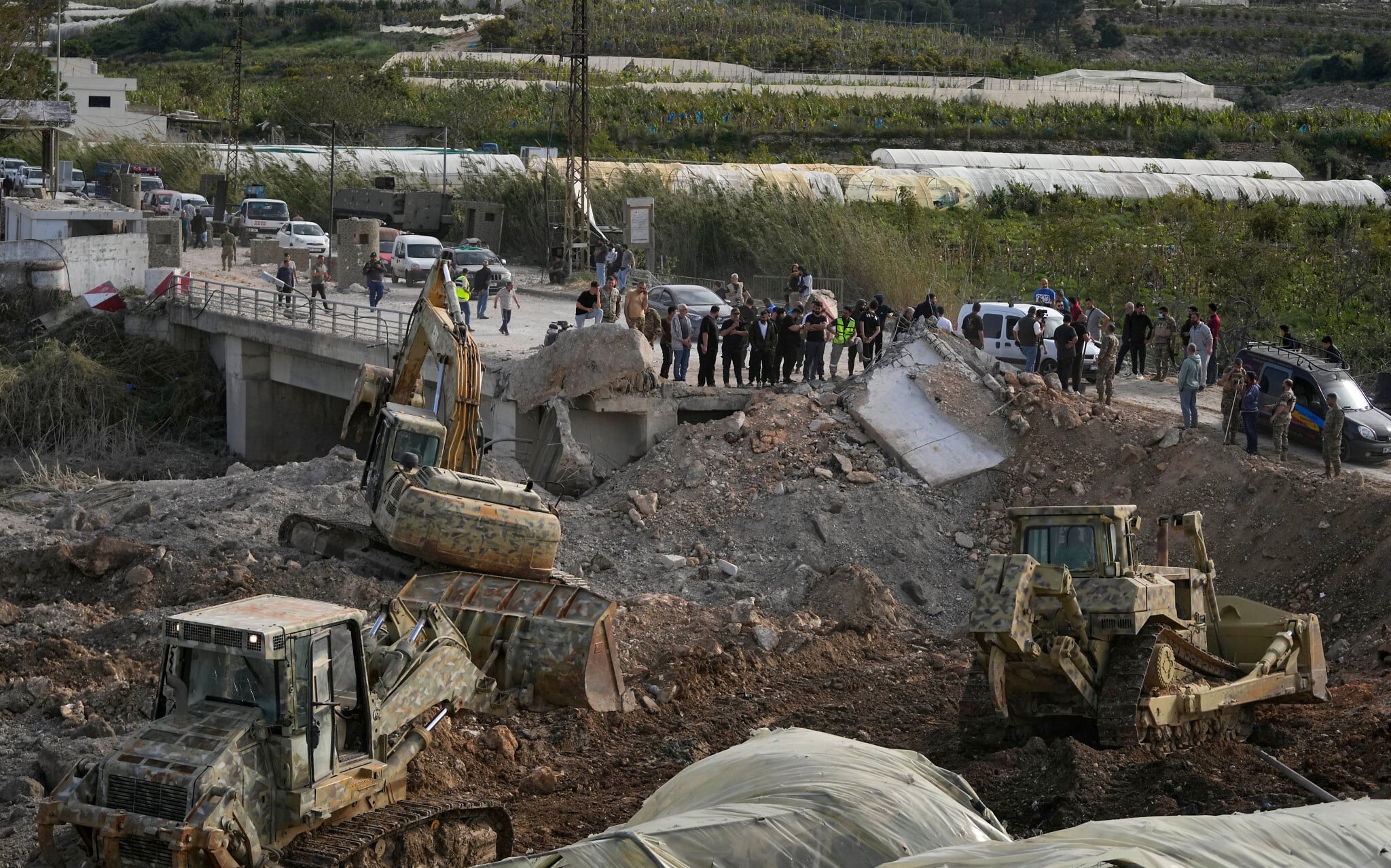
In Qasmiyeh in south Lebanon, cars were driving across a makeshift crossing over the Litani River, hastily erected after the 10-day ceasefire came into effect at midnight local time. Israel destroyed all the bridges over the Litani during the war, blowing up the one at Qasmiyeh on Thursday.
Three bulldozers, under the supervision of the Lebanese army, worked from dawn to fill the crater left by the bombing.
As soon as it was passable, motorcycles and then cars began crossing in single file, some honking their horns in celebration and waving yellow Hezbollah flags.
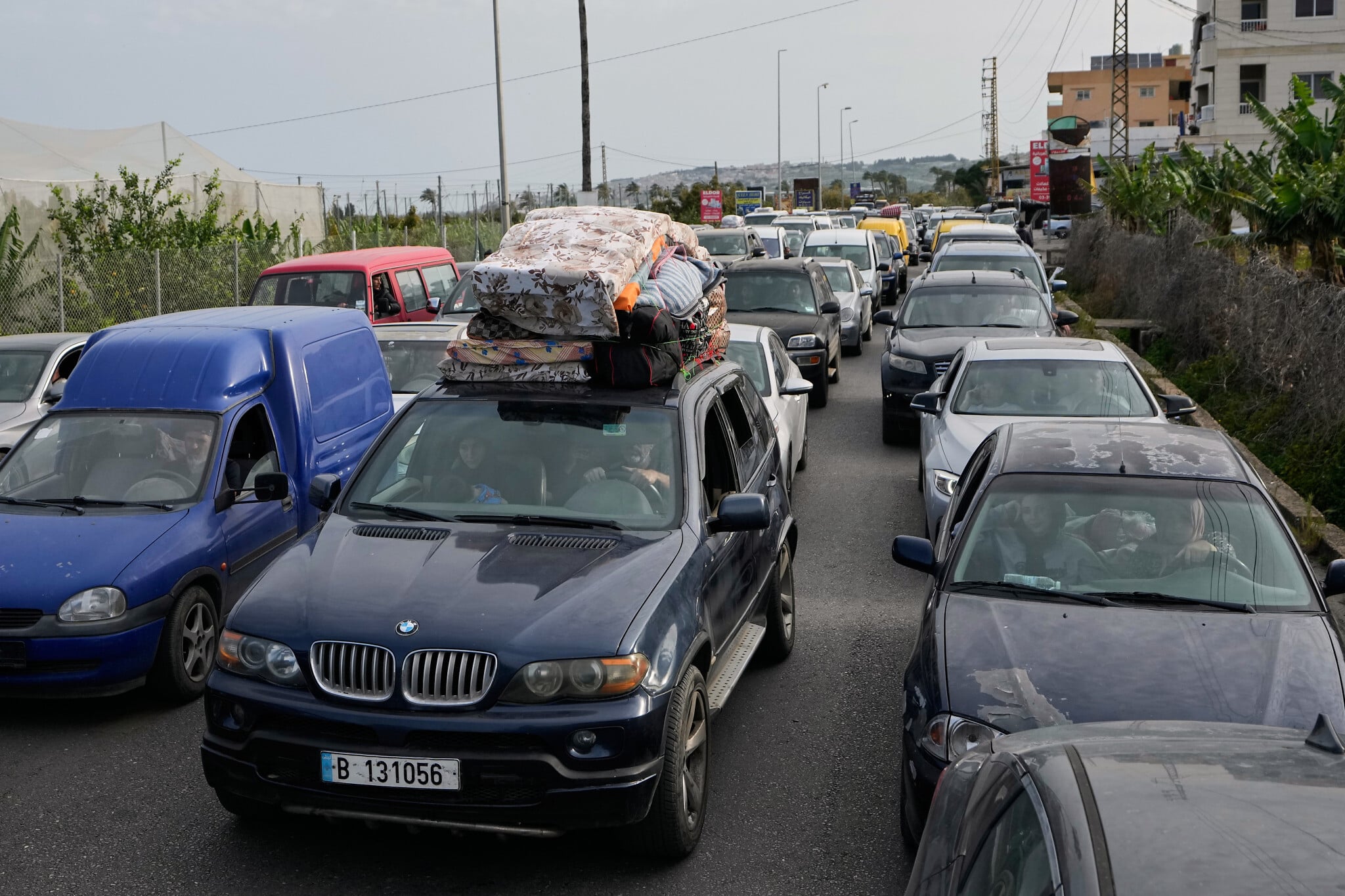
By 9 a.m., the highway linking the southern cities of Sidon and Tyre was jammed for kilometers, with tens of thousands of cars heading south, many packed with mattresses, kitchenware, and blankets.
Ghufran Hamzeh, who waited at the Qasmiyeh bridge with her son, traveled from Beirut.
“When we fled, it took 16 hours on the road, and today it’s the same thing,” she told AFP, “but that’s not important. What’s important is that we’re returning to our village and our land.”
“I don’t know if my house is destroyed or not,” she added. “If it’s destroyed, it changes nothing. I will pitch a tent in front of it and stay there.”
Sitting on a twisted piece of metal, the asphalt scattered with chunks of iron and concrete from the bombed bridge, she smiled as the bulldozers worked.
“They said the truce is for 10 days, but if the situation allows, we will stay and we will not leave our land again.”
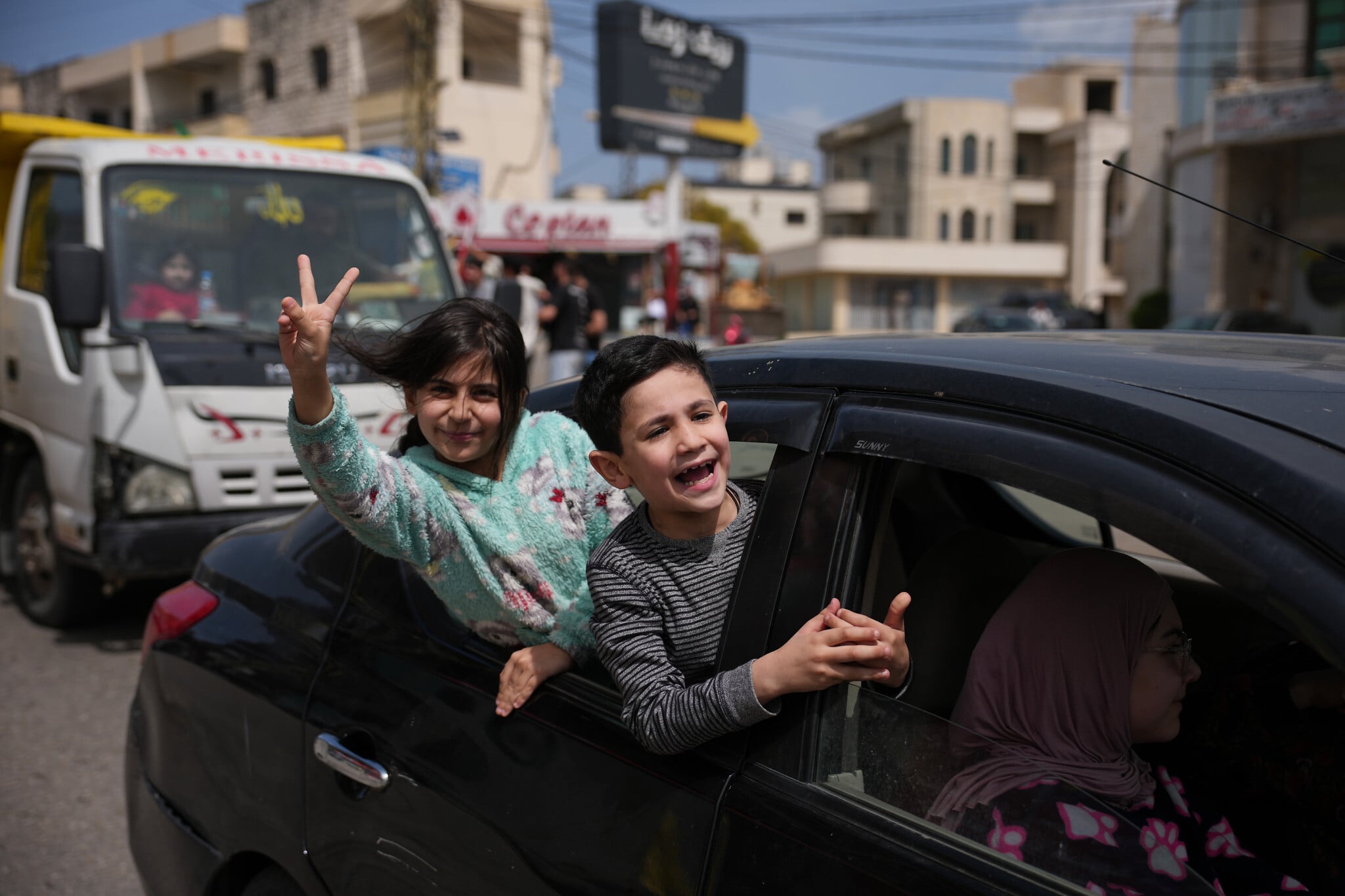
In the largely destroyed southern city of Nabatieh, some returning residents defiantly said they would stay. Others said there was nothing to come back to.
“There’s destruction and it’s unlivable. Unlivable. We’re taking our things and leaving again,” said Fadel Badreddine, who came with his young son and wife. “May God grant us relief and end this whole thing permanently — not temporarily — so we can return to our homes and lands.”
Trump told reporters after the ceasefire was announced that Lebanon and Israel would work towards a longer-term deal, and said Lebanon had agreed to “take care of Hezbollah.”
Prime Minister Benjamin Netanyahu said Thursday he had not agreed to Hezbollah’s demand to withdraw IDF forces that invaded southern Lebanon, and would maintain an extensive “security zone” up to the border with Syria.
Hezbollah said any ceasefire must not allow Israel freedom of movement within Lebanon. In a statement, the terror group claimed the presence of Israeli troops on Lebanese territory granted Lebanon and its people the “right to resist.”
Times of Israel staff contributed to this report.






The Times of Israel Community.