

Netanyahu doubles down on assertion he’ll visit NYC once Mamdani becomes mayor
PM says he’s open to speaking with mayor-elect if latter agrees to recognize Israel as Jewish state, declines to say when he’ll retire, insists he enjoys widespread public support
 Add ToI as a Preferred Source on Google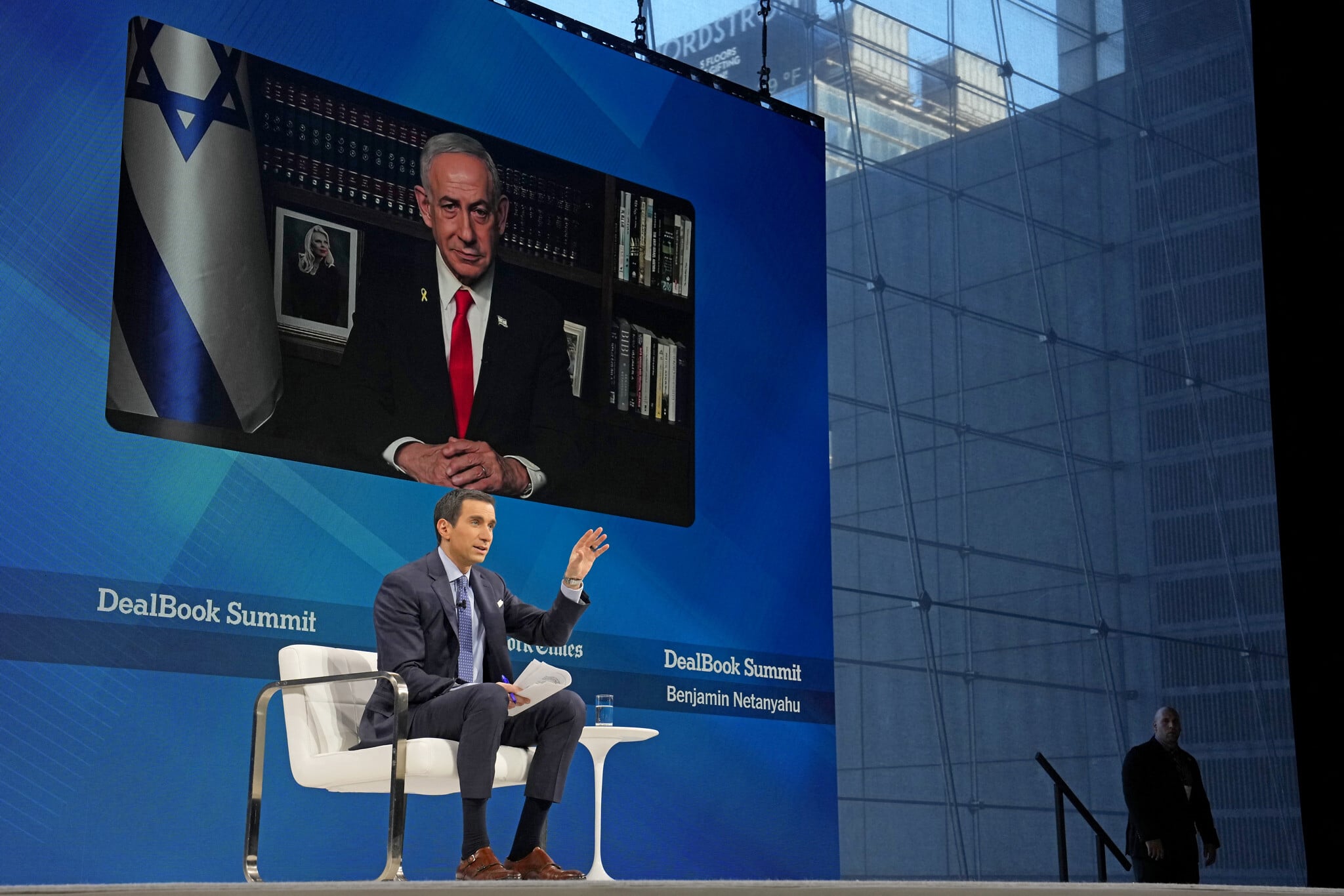
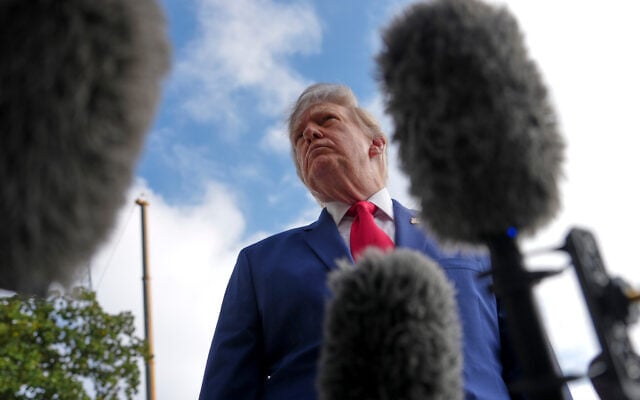
Prime Minister Benjamin Netanyahu said Wednesday that he still planned to visit New York City despite incoming mayor Zohran Mamdani’s threats to arrest him in compliance with an International Criminal Court warrant.
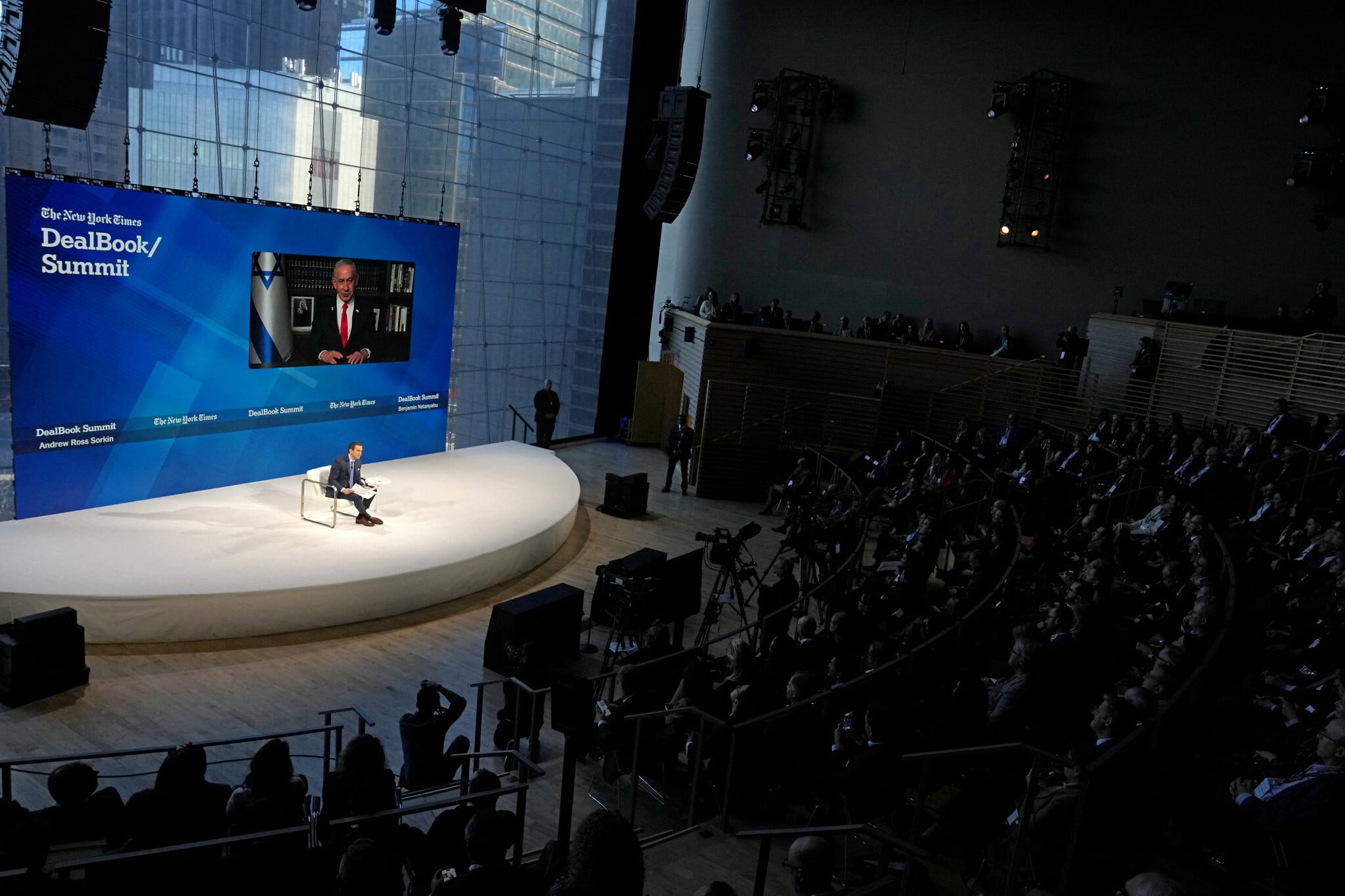
“Yes, I’ll come to New York,” Netanyahu said in a virtual interview with the New York Times’ Dealbook forum. The premier made the same pledge in July, before Mamdani was elected mayor four months later.
Asked if he would seek to speak to Mamdani, Netanyahu replied, “If he changes his mind and says that we have the right to exist, that’ll be a good opening for a conversation.”
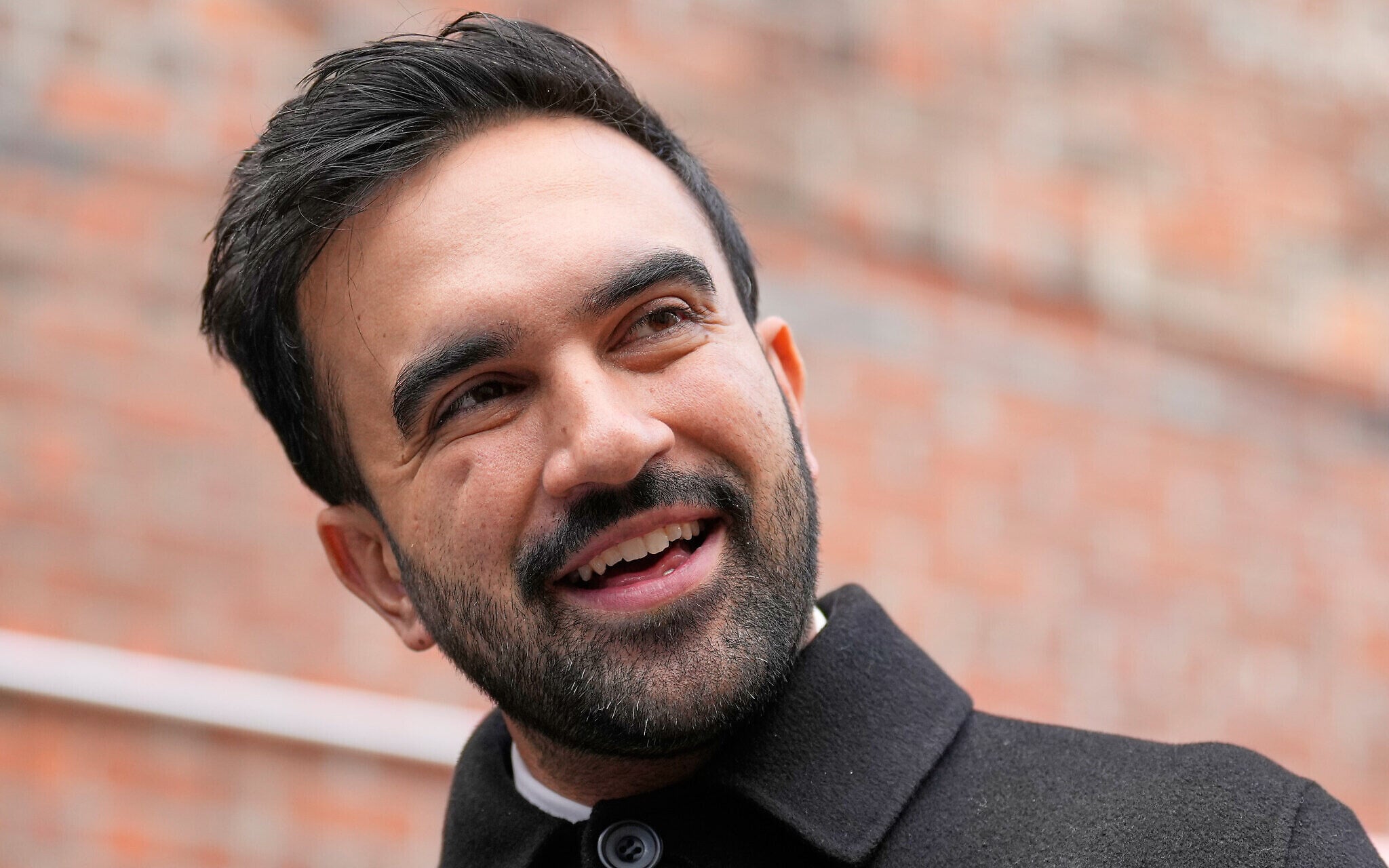
Mamdani, a democratic socialist who will be New York’s first Muslim and first South Asian mayor, has said he supports Israel’s right to exist but has balked at saying Israel has the right to be a Jewish state, saying no country should have a “hierarchy of citizenship” based on religion or other factors.
Mamdani declined at first to condemn slogans such as “globalize the intifada” or to call for the disarmament of Hamas, though he later walked back his position on both points following significant backlash.
Mamdani has vowed to send the New York Police Department to enforce arrest warrants against leaders wanted by the International Criminal Court, including Netanyahu or Russian President Vladimir Putin.
The Hague-based ICC last year said it had reasonable grounds to believe Netanyahu was responsible for alleged war crimes and crimes against humanity in Israel’s war against Hamas in Gaza following the unprecedented October 7, 2023, attack.
Israel has strongly rejected the accusations. Israel, the United States and Russia are among the countries that have refused to join the ICC.
Despite the mayor-elect’s statements, an arrest of Netanyahu is considered unlikely, and it is debatable if he’ll even have the authority to act on them once he becomes mayor in January. The federal government handles immigration, and US President Donald Trump’s administration has vigorously defended Israel, including slapping sanctions against ICC judges and prosecutors.
New York is home to the largest Jewish population outside Israel as well as the United Nations, where Netanyahu has regularly attended the annual General Assembly.
Later in the interview, Netanyahu was asked about his age and whether it might impact his ability to continue serving as prime minister. The 76-year-old declined to say when he’d retire. Netanyahu, Israel’s longest-serving leader, has faced some health problems in recent years.
“I don’t measure it by time,” he said. “I measure it by missions, by tasks.”
He claimed — contrary to many polls that show his coalition struggling to retain a majority in next year’s election — that he has broad support in Israel.
“I’m supported by a great majority of the people in the country,” he said. “You’d never know that by the foreign reporting, but that’s [the truth]. That’s why I keep winning these elections.”
He said that his two priorities moving forward were technological innovation, including AI, and what he called a “broader peace.”
“I think there’s another revolution coming,” he said regarding technology. “I intend to steer it, along with the achievement of a broader peace. These are two enormous tasks that I’d like to take on. And when history is within reach, you don’t step aside. You step forward. That’s what I’m doing.”
Asked about his ongoing criminal trial for fraud, bribery and breach of trust, Netanyahu called the corruption charges against him “bogus,” accusing the prosecution of seeking to oust him from office.
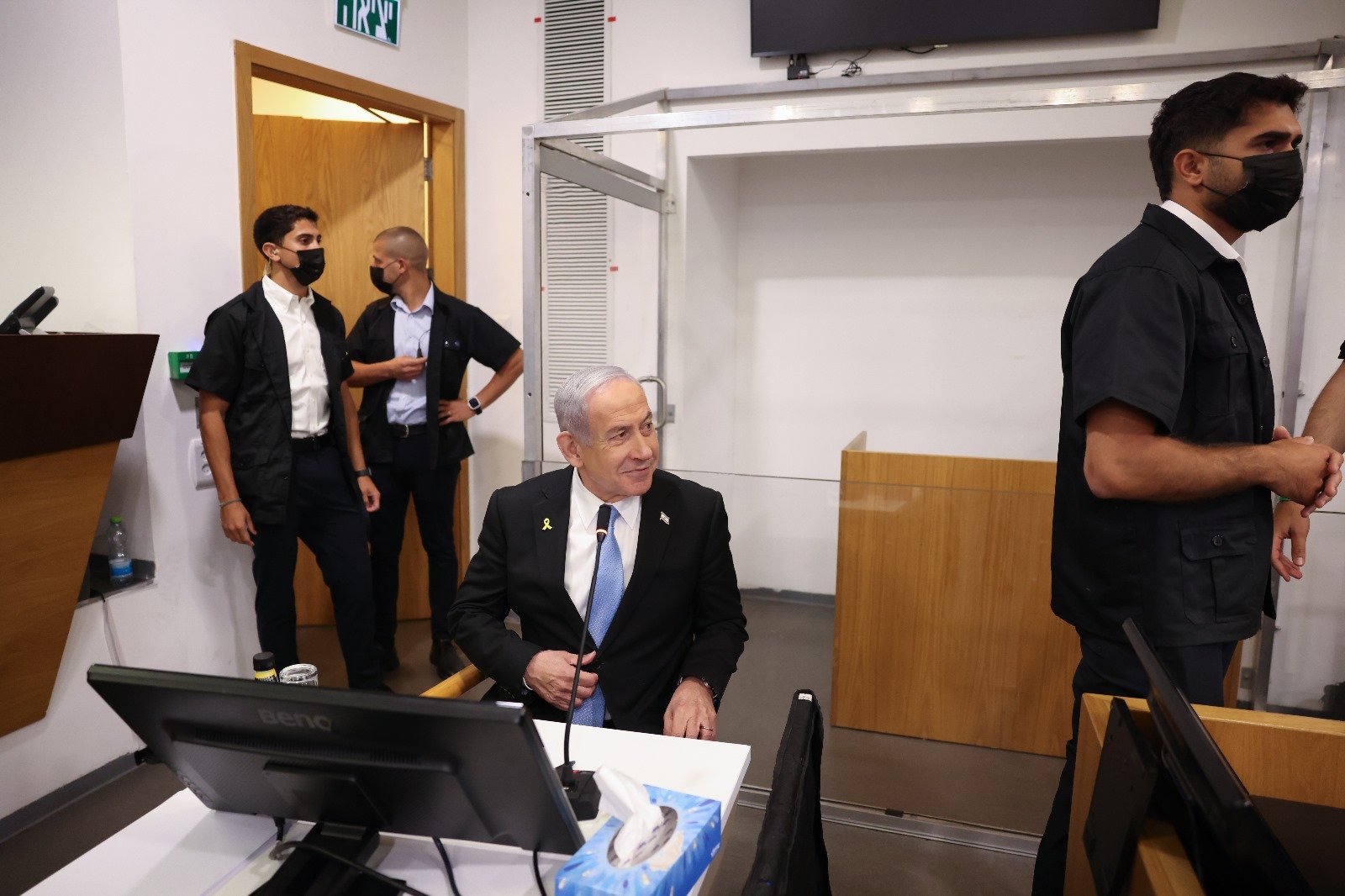
In recent days, Netanyahu formally requested a pardon from President Isaac Herzog in his years-long trial, though he maintained he had done nothing wrong, framing the request as a desire to free himself of the time-consuming proceedings for the good of the country.
“They kept on going [with the trial] because they don’t want justice. They want me out of office,” he said, adding later, “This trial has just collapsed, it’s become a joke.”
He asserted that “in our system, when you ask for a pardon, you’re not admitting to any guilt, you don’t have to, and I don’t.” Legal scholars have questioned that claim, and the premier’s critics say receiving a pardon while failing to admit wrongdoing would deal a mortal blow to the rule of law in Israel.
Netanyahu declined to detail what he and Trump discussed regarding the trial in a recent phone call. Trump has repeatedly called for Netanyahu to be pardoned, including sending an official letter to Herzog last month requesting he do so.
Asked if he believed normalization with Saudi Arabia could be achieved despite Riyadh’s repeated insistence that progress would depend on the creation of a credible pathway toward Palestinian statehood, the Israeli leader said, “People didn’t believe that we’d get peace with four Arab states in the Abraham Accords… Everybody said it’s not going to happen, but it did.”
“I think there’s a very strong interest to advance that peace. It’s got to be peace based on security. Israel will not sacrifice its security. But I think that we can do great things. I think we can [sign] peace accords not only with one country, [but] many countries, including Islamic countries outside the region.”



The Times of Israel Community.