

CENTCOM chief cites reports Iran’s proxies holding back salaries to send money to IRGC
Adm. Brad Cooper says US blocked export of $25b of Iranian oil, controls Hormuz, even as at least one tanker said struck; increased Iranian help reportedly fueled Houthi advances
 Add ToI as a Preferred Source on Google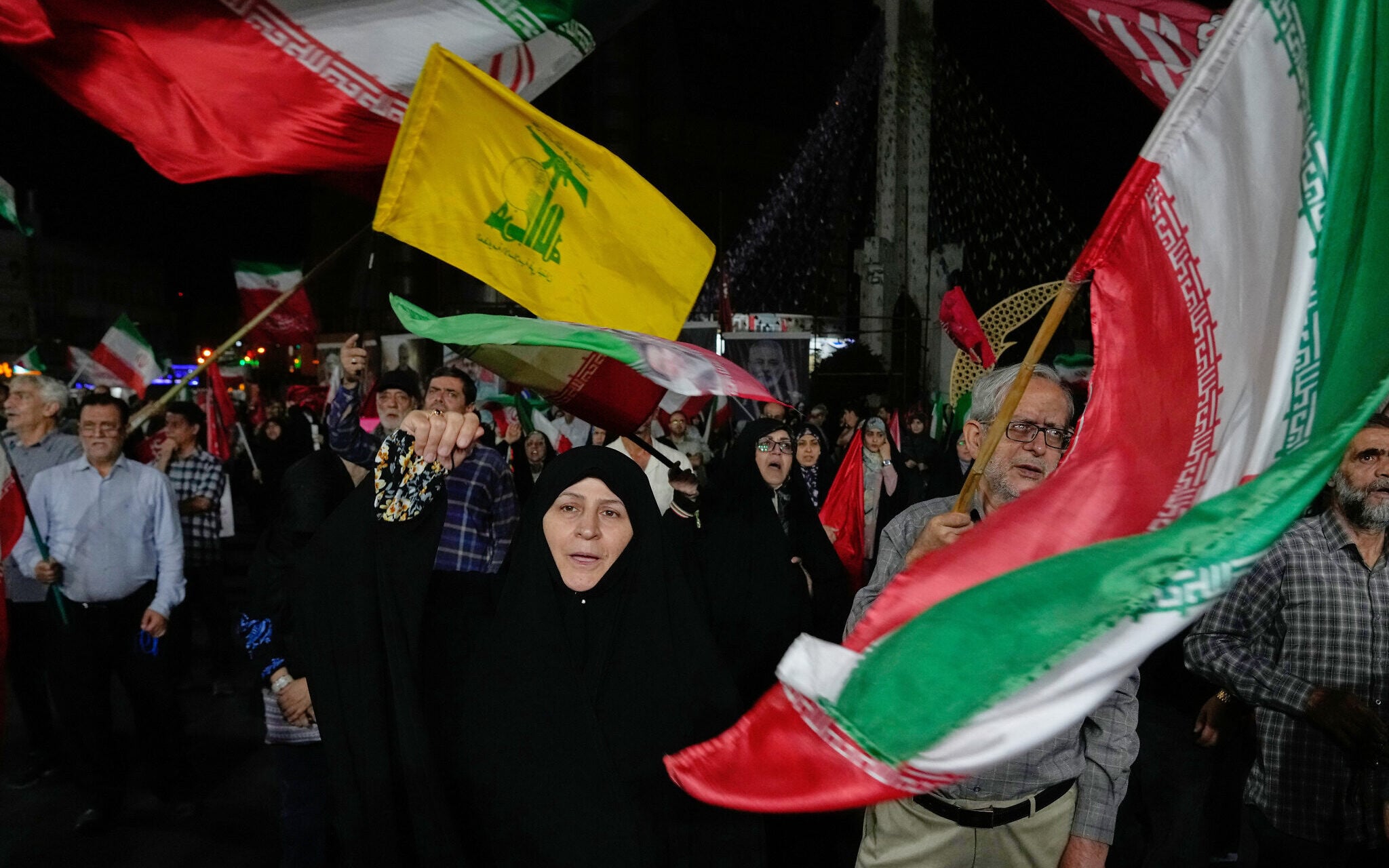
Adm. Brad Cooper, head of the US military’s Central Command, said in a video statement Saturday that “there are reports” that Tehran’s regional proxies were withholding payments to fighters to “funnel money back” to Iran’s Islamic Revolutionary Guard Corps.
Meanwhile, sources cited by the Wall Street Journal said increased military assistance from the Islamic Republic has helped Yemen’s Iran-aligned Houthi rebels gain ground against Saudi-backed forces.
In the video statement, Cooper said the US had blocked Iran from exporting $25 billion dollars worth of crude oil and frozen Iranian cryptocurrency worth $35 million.
“The Islamic regime is clearly feeling the economic pain and the IRGC is increasingly showing signs of greater desperation as a result,” Cooper said.
He also said the “Strait of Hormuz is controlled by the United States and our regional partners, not Iran,” even as at least one tanker was reportedly struck in the key waterway.
Iran launched a blockade in the strait early in the war that the US and Israel launched on February 28 in a bid to destabilize the Islamic Republic’s regime and destroy its ballistic missile and nuclear programs. The US in April launched its own retaliatory blockade on Iran-linked shipping.
Update from CENTCOM Commander: pic.twitter.com/YR9yHJ5IQB
— U.S. Central Command (@CENTCOM) October 16, 2026
The strait previously carried about a fifth of the world’s oil shipments, and Iran’s blockade has sparked a global rise in energy prices.
US forces are helping ships traverse the strait, including 400 merchant vessels over the past week, and have also helped usher out more than a billion barrels of oil, Cooper said.
He added that more than 20 civilian mariners have been killed by Iran’s attacks on commercial shipping since February.
IRGC says US-guided tanker on fire after hitting mine in Hormuz
Iran has demanded that all ships seek authorization before transiting the strait. The Islamic Republic’s demands to control the strait and charge fees from transiting ships have frustrated peace talks with the US and scuttled an interim agreement that Tehran and Washington reached in June.
On Saturday, the IRGC said an oil tanker was on fire after it hit a mine while trying “to cross the strait with US support… by deactivating all its tracking systems.” The statement did not give an exact location.
“A supertanker in violation of regulations, carrying more than two million barrels of crude oil and attempting to pass illegally through the Strait of Hormuz, struck a mine, triggering an explosion and a fierce fire,” the Revolutionary Guards said, posting a video of a tanker in flames at night.
IRGC navy chief Adm. Ali Ozmai had warned this week that any ships that turn off their tracking systems while transiting the strait would be deemed “hostile.”
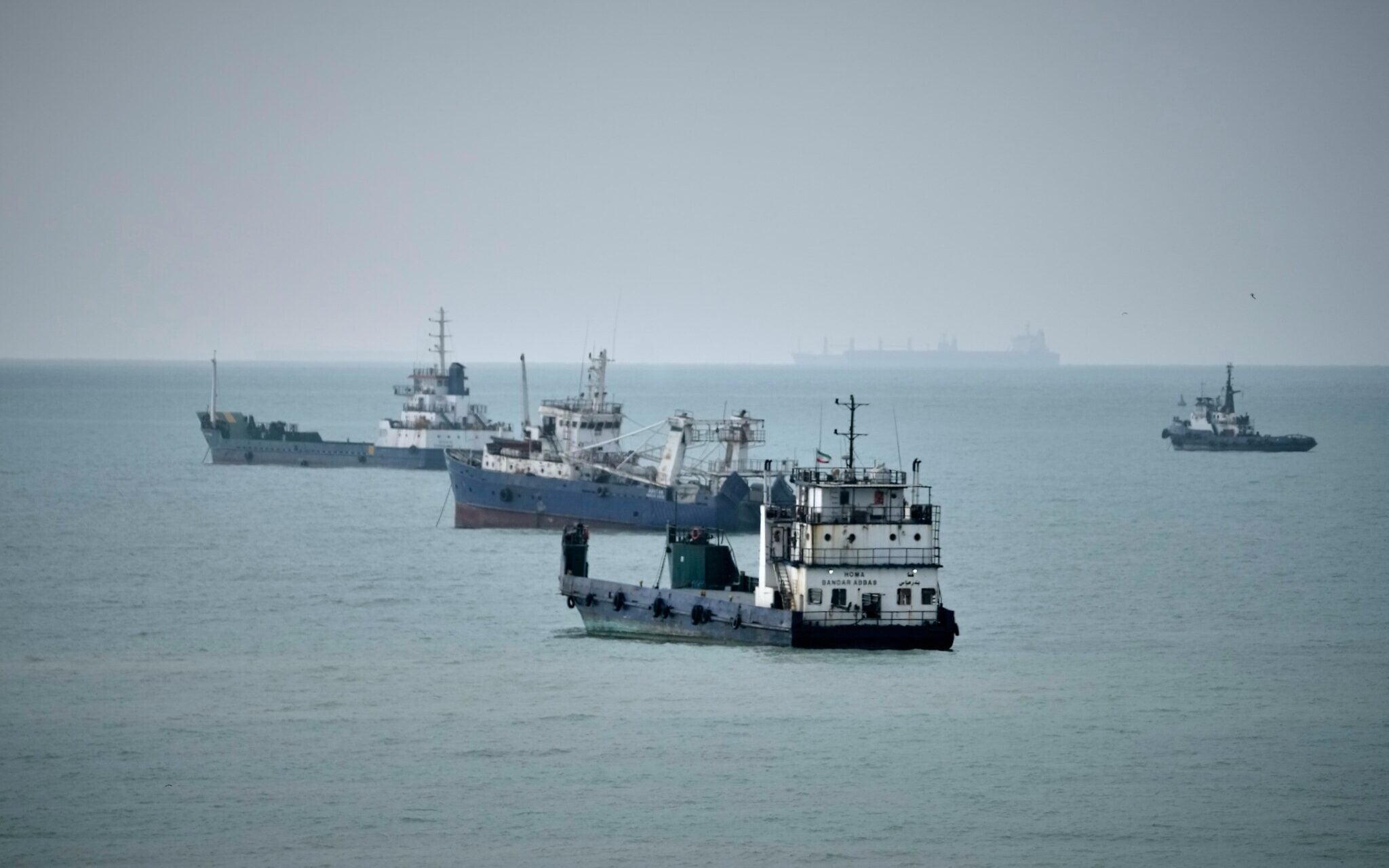
The United Kingdom Maritime Trade Operations (UKMTO) also said Saturday that a tanker was struck by an “unknown projectile” off Saudi Arabia’s Gulf coast on Friday, forcing the evacuation of the ship’s crew.
The vessel was hit 68 nautical miles off the coast of Jubail, and “all crew are reported safe,” the agency said, adding that no environmental impact had been reported.
Vanguard, another maritime security agency, identified the ship as the Marshall Islands-flagged Safeen Principal crude oil tanker, saying it lost power and suffered an engine-room fire.
UKMTO later said that also on Friday, a ship in the same area was attacked by a rocket-propelled grenade (RPG), with the crew reported safe.
It was unclear whether the two UKMTO statements referred to the same incident, or whether either of them referred to the same tanker that the IRGC said had hit a mine.
Report: Iran helping Houthis direct drone, missile attacks on Saudi-backed forces
Amid the tensions off the Gulf coast, the Iran-backed Houthis have in recent weeks taken over Yemen’s Red Sea coast, affording them control of the Bab el-Mandeb Strait, a key passage for Saudi oil shipments.
Sources briefed on Yemeni and Saudi intelligence were cited by the Wall Street Journal on Saturday as saying ramped-up assistance from Iran fueled the Houthis’ rapid gains.
The Houthis launched a maritime blockade against Saudi Arabia in July, effectively ending the parties’ four-year truce, and have struck Saudi oil tankers, energy infrastructure and airports, with a strike on Riyadh’s international airport last weekend killing at least 13 people.
Saudi Arabia and its allies in Yemen have pummeled the rebels, including with a Saudi strike in July against a Houthi airport where two Iranian planes were ferrying people to the funeral of Iran’s Supreme Leader Ali Khamenei, who was killed at the start of the US-Israeli bombing campaign.

According to the Journal, the flights were also carrying Iranian paramilitary officers and an arms cache that included “drone parts, missile guidance systems and impact detonators.”
Sources in the coalition against the Houthis said IRGC officers were on the front lines helping the rebels direct attacks, and that the rebels were using first-person-view drones guided by fiber-optic wire, indicating they had received training from Iran, according to the Journal. Similar drones have been used by Hezbollah, Iran’s Lebanese proxy, against Israeli troops.
Mohammed al-Bukhaiti, a senior Houthi official, was quoted by the Journal as saying the “exaggerated” allegations about IRGC assistance were an attempt to justify Saudi attacks and explain the Saudi-backed forces’ failures.








The Times of Israel Community.