
 Add ToI as a Preferred Source on Google
This is part of a series, “Uprooted.” Each column is a curated monologue from an individual among the tens of thousands of internally displaced Israelis during the war with Hamas who were evacuated from the country’s northern border and the Gaza envelope.
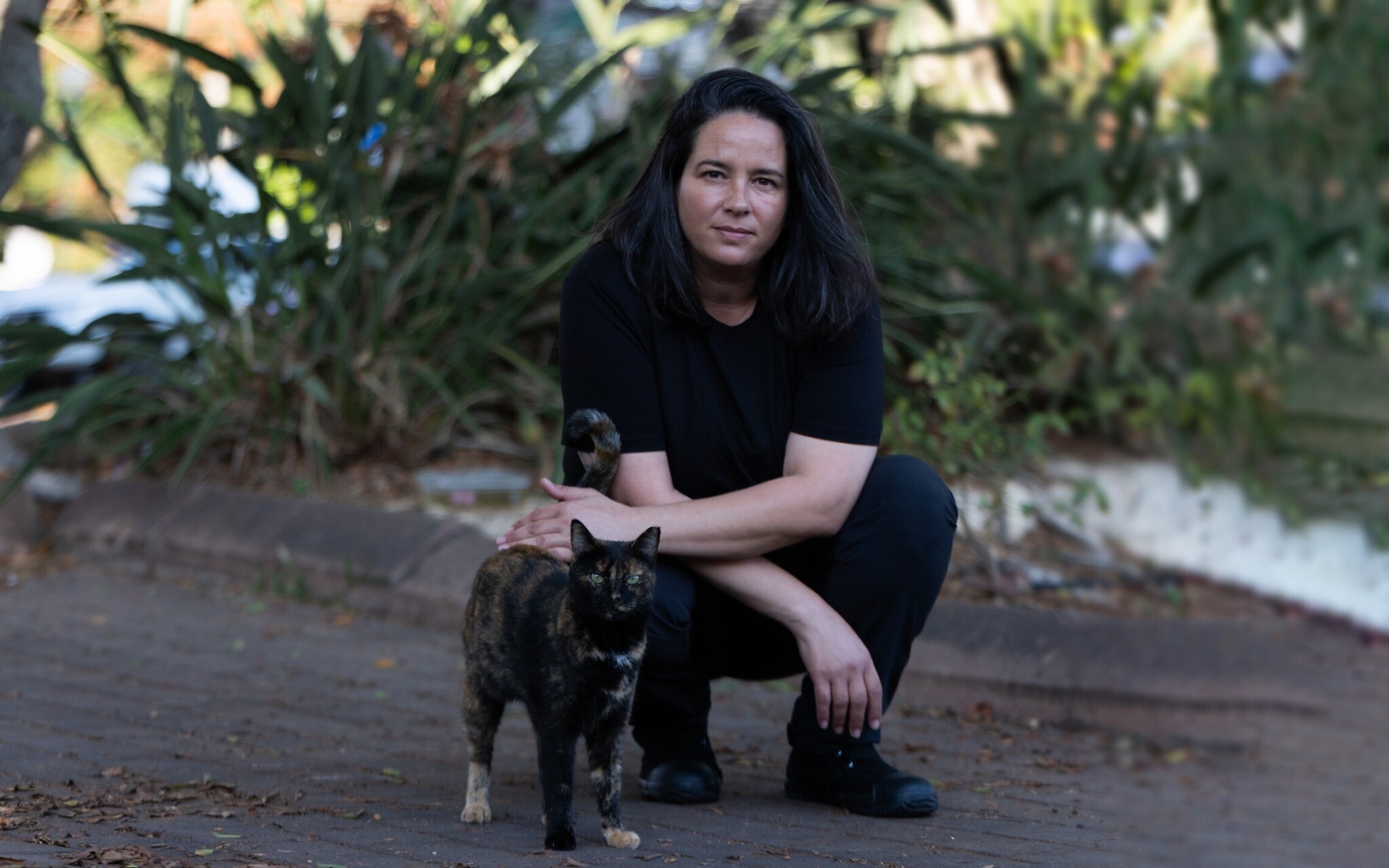
Located in the Upper Galilee near the Lebanese border, Shtula is a moshav on the front line, part of Ma’ale Yosef Regional Council. Most folks here make a living from farming and tourism, and you’ll find some businesspeople in the newer part of the moshav. I landed here 14 years ago and instantly fell in love. There’s something special about this place – it’s remote, green all year round, not too crowded, surrounded by nature and animals.
In Shtula, we’ve got a mix of religious, traditional, and secular folks. You’ll see women in cargo pants and head covering alongside more religious women wearing wigs. Somehow, it all meshes together. People often ask me, “What are you looking for in Shtula?” My answer: “I found myself.”
When I first showed up, I met Rabbi Tsalah Eliyahu at Gideon’s grocery store. He asked Gideon if my tattoos were the real deal, then turned to me and warmly said, “I’m Rabbi Tsalah, welcome to our moshav.”
Shtula was populated by Kurdish immigrants who were sent here by the state, and they lived here among their own people. Suddenly, a bunch of us, young folks with dogs and tattoos, showed up, and they welcomed us, and encouraged us to stay. Gideon, who runs the local grocery store, usually closes at three in the afternoon, but he always says, “If you ever get stuck, just give me a ring, and I’ll come open up. But not for cigarettes.” There’ll always be someone here for you.
Saturday, October 7
My husband Amichai woke me up early on Saturday (something he knows he’s not supposed to do). I opened my eyes, and he said, “Something’s happening.”
I grabbed the gun from under my pillow and asked him if something was happening on the border. He told me that things are still calm here, but chaotic in the south and the “east,” meaning around Metula and Tel Hai.
I checked my Facebook and saw people sharing updates from their family members. I followed the news and social media, and just couldn’t believe what was happening. I started calling friends in the south from my days at the Nature and Parks Authority, trying to figure out if they were safe.
I tried to organize a civilian search and rescue for dogs in the south, reaching out to people I knew to bring them north or at least to central Israel.
At one point, I realized that there were people at a nature party, high and sleep-deprived, under attack. I wanted to rush there and help, but then I realized that things were too chaotic; and as a mother of two in a northern border moshav, capable of handling a weapon, I had to stay close.
The evacuation
On the night between Saturday and Sunday, my husband and I took turns keeping watch. We debated whether to evacuate and as we saw the moshav clearing out, we began to realize what had happened — a disaster, a pogrom, with acts of murder and rape and unfathomable cruelty.
I tried avoiding videos, but details spread, and we felt that it might hit us up north soon. Then we heard explosions on the fence. Tensions were rising and we were also getting reports of every Druze soldier killed or injured due to our proximity to Yanuh-Jat [an Israeli Druze village and local council northeast of Acre].
One of my dogs is old and epileptic, and I didn’t want to expose him or my children to this tension. We talked to Amichai’s mom in Even Yehuda. She pushed us to leave and stay with her. She said, “If you don’t come, I’ll come get you, and I won’t be nice about it.”
On October 7, the people in Shtula, even those who’d never left before, packed up. On October 8, we made the call to leave, too.
What did you pack?
I figured it’d be a short trip, so I packed a few essentials into a backpack – five pairs of socks, a handful of underwear, and a couple of shirts.
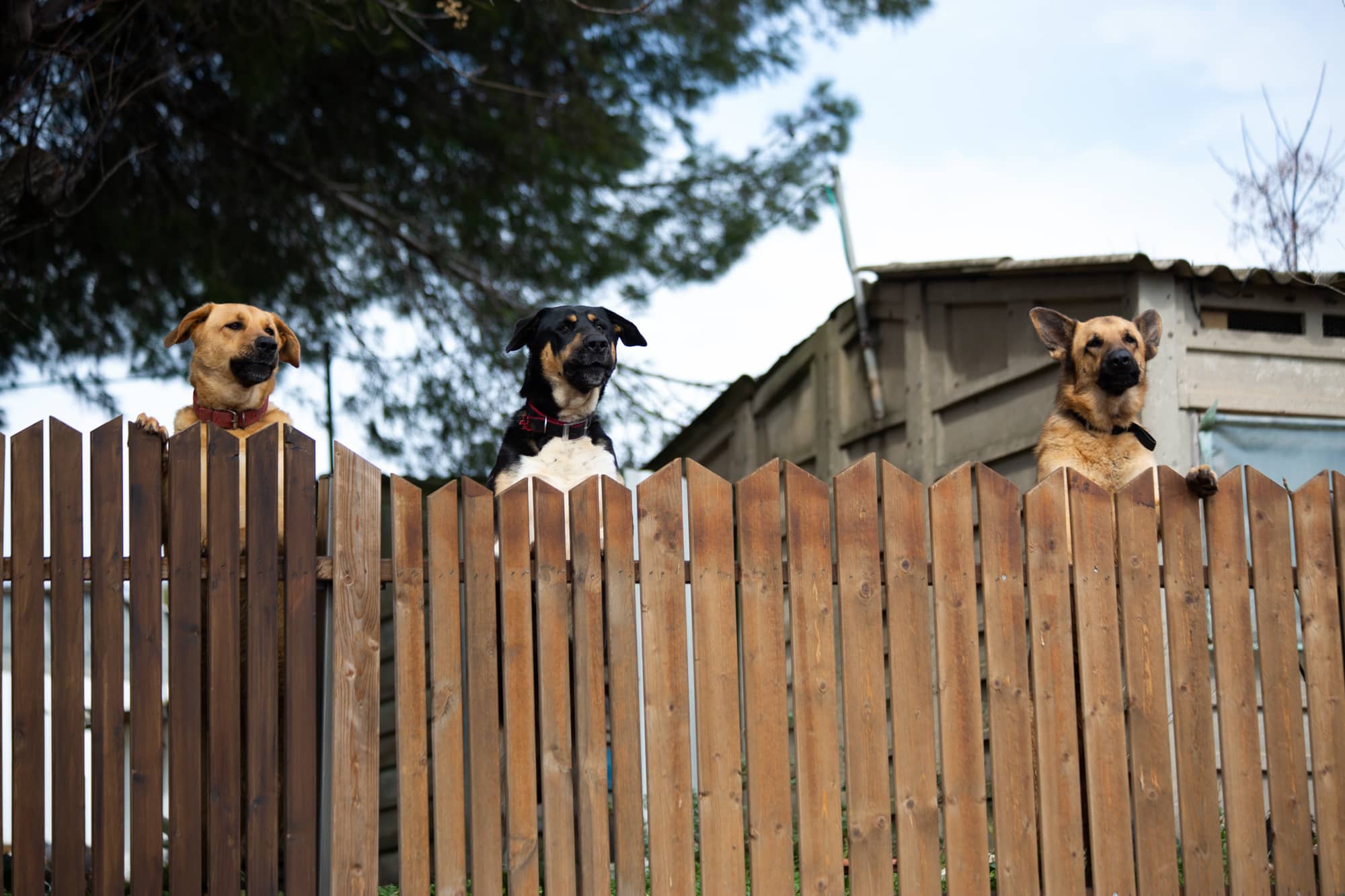
It seems my subconscious had other plans because I ended up bringing all the dog food and medications for my sick dog, along with the crate for my small pup. He tends to make a mess at home without it.
I also took a charger and my laptop, plus clothes and sports gear for my son Yair, who’s 11 and into boxing. I told myself that, worst case, I could always come back for more stuff.
Living in the shadow of Hezbollah
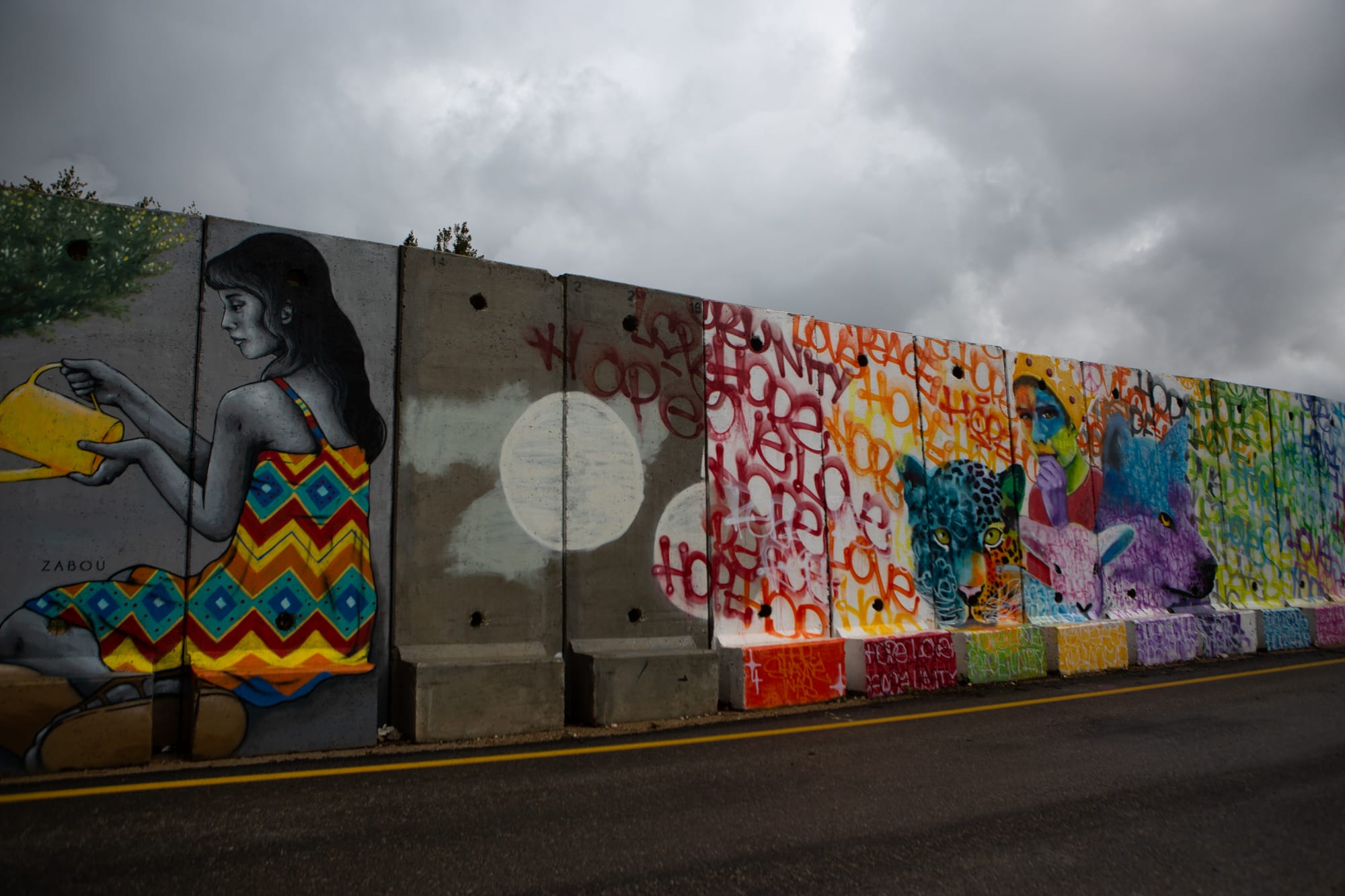
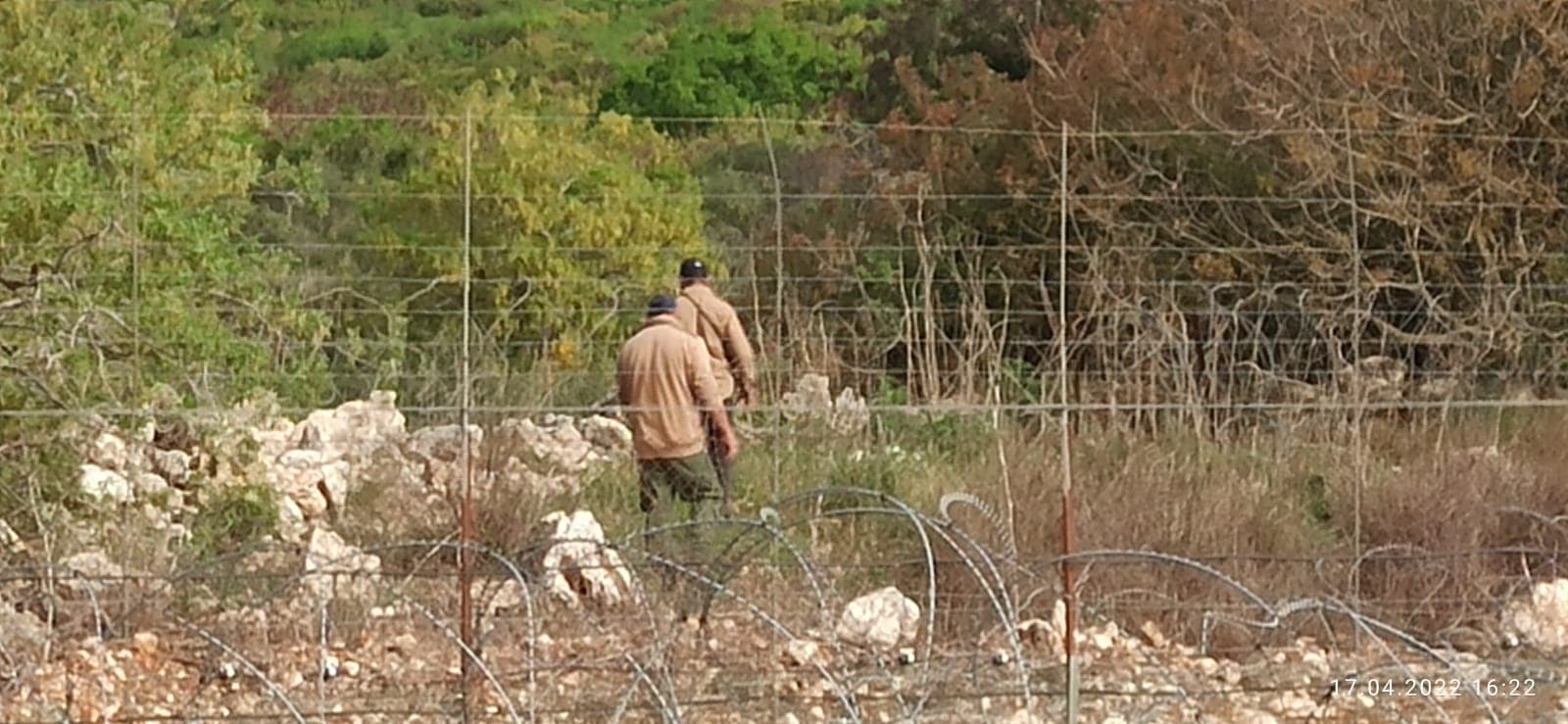
In recent years, we’ve been growing more anxious about terrorists infiltrating the moshav. Hezbollah watchtowers were erected along our border and stood undisturbed for years. I could see them from our house, from the porch.
At the moshav’s edge, there’s a green patch. If I cross it, I see them watching us. Sometimes, they curse and provoke us. During a walk with the dogs, they shouted at me from beyond the fence, “Where are you from? We’ll come to visit Shtula one day, we’ll come to your house first!” This isn’t some cheeky kid fighting over a toy; we’re talking about Hezbollah. It’s scary, because who knows if they might actually come tomorrow?
Despite the watchtowers, I continued walking there with the dogs, thinking about how we were getting used to it. We live like caged animals growling at everyone passing by until exhaustion sets in, then indifference. Retreating from provocation, turning our back to those who annoy us, feeling helpless.
Unfortunately, this is the reality in Israel now. We evacuated from the south and the north because they slaughtered and threatened us, and we were abandoned to our fate. Now they are pushing us into a confined area, not unlike they did to the Jews in Russia in the late 18th century until the early 20th century – concentrating everyone in a specific area [the Pale of Settlement] and prohibiting them from living elsewhere. The already small state of Israel has gotten smaller.
In 2014, we began hearing Hezbollah digging tunnels. They claimed it’s impossible to hear someone digging 80 meters deep under the ground, but with limestone rocks and iron pipes, women washing cucumbers in the kitchen heard noises of hammering and voices in Arabic coming from the sinkhole. I also heard strange sounds and called the local head of security, who brought the army for inspection, but we never received proper answers.
My political opinions lean right, but I don’t see Netanyahu as an ideal of patriotism or concern for the people. We are a life-loving people, we love to celebrate things and have fun – whether in a cafe, a concert or a trance party. A people willing to serve their country both in the military and through the taxes we pay. And what have the mothers of Be’eri received in return?
The state distances itself from a significant part of the public struggling with post-traumatic stress and combat shock – a public that fought for the country and now has to burn itself in front of army offices to get the attention it deserves.
First station: Even Yehuda
Our first destination was Grandma’s house in Even Yehuda, where we stayed for about six weeks. It was really nice, with my mother-in-law — a mix of Hungarian and Georgian heritage married to a Turk — treating us to delicious homemade food. I had to balance it out with some junk food just to even things out. Still, all I wanted was to go back home to Shtula, take off my work shoes, and ask the kids not to disturb me while I continued working…
I miss making a cup of coffee for my neighbors. I miss the neighbor who “quit smoking” dropping by to borrow a cigarette and tease me about still being a smoker.
There have been several missile hits since the beginning of the war. The head of security advised against returning unless absolutely necessary. I understand the disruption it might cause for security forces, and I understand that it isn’t conducive to a normal life for the children. In our previous life, they were always outside, playing with friends on the porch or hanging out outside. But now, it’s deserted.
Three weeks into the war, I enrolled them in school in Even Yehuda, trying to make the best decision under the circumstances. Initially, I showed them around, explored open spaces, and pointed out the shops. There’s a cinema within walking distance, lots of ice cream flavors, and three pet shops.
I created a budget, attempting to turn the situation into an adventure. It is, but adventures are usually something you choose, not something you’re forced into.
Amichai was upset about the evacuation, and I tried to console him. “Come with me to Decathlon,” I told him. “Let’s check out the big outlet mall.” There are things here we don’t have in the north, from the perfume I like to the whiskey I haven’t had in years. He replied, “I know what you’re trying to do, but I’m not the kids.” He wants to go back home.
Second station: Bat Hefer
A month ago, we moved to Bat Hefer. We wanted a house with a garden in a smaller community. A friend introduced us to the place and said it’s Shtula’s little sister in terms of the security situation. The truth is, I sleep well here because there are constant IDF warning shots near the fence. I swapped one fence for another. Here, too, you can hear digging sounds.
At the moment, Bat Hefer is safe and pleasant. There are no sirens, no interceptions, and I don’t have high expectations. Everything I need is within walking distance. The children have integrated into schools, and Shir started first grade for the third time since September. First in Moshav Granot, second in Even Yehuda, and three weeks ago – in Bat Hefer.
What gives you a sense of home?
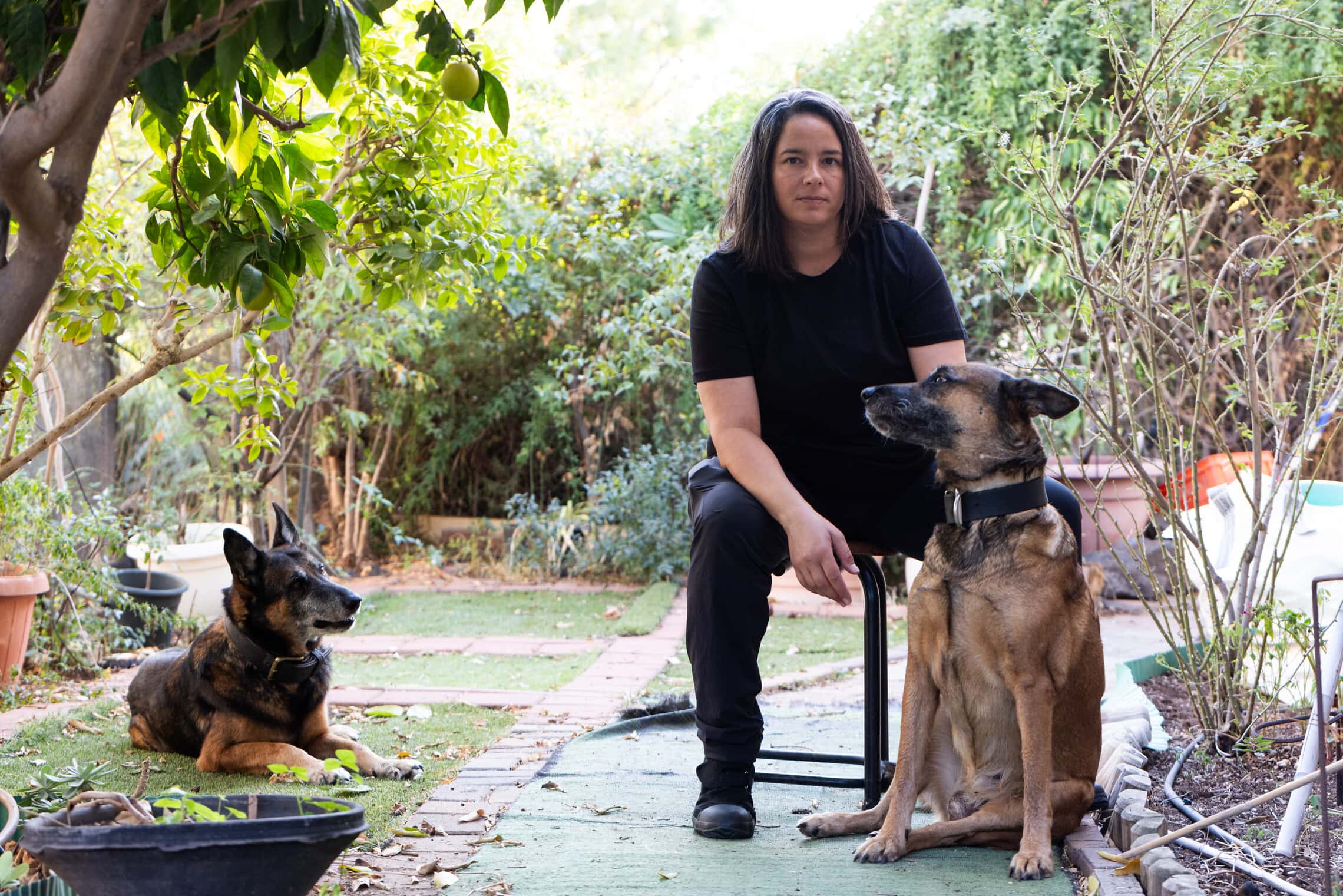
My dogs. Where they lie down, their scent – there is my home. Plus, we’re a little bit nomadic in nature, which is helpful.
What do you miss most?
Being in my own home. Feeling like my own boss. Making noise whenever I want. I’ve been outside the house for two and a half months. Sometimes I’m sad, sometimes I miss it, and sometimes I try to trick myself into thinking it’s a fun adventure, but it doesn’t really feel that way.
I bought myself a pair of shoes that I dreamed about for four years, went to Tel Aviv, and made a few traffic violations because I don’t know how to drive in cities. I do know how to drive on roads with wild boars, and I miss driving on roads where no one else travels.
I really miss my community. Most of them moved to a hotel in Nof HaGalil. Every Saturday, I send a message to Shtula’s WhatsApp group: “Shabbat Shalom to Shtula. We miss you, Amichai, Hadas, Yair, and Shir.” And I see messages going back and forth: “Does anyone have a pair of tweezers?” And I miss messages like: “Who has an eggplant?”
My work
The academic year begins this month, and we’re preparing for it within the faculty while also interacting with students. At Tel Hai College, I will be teaching via Zoom, while at Haifa University, there will also be in-person teaching. The state supports the academic year for those registered in evacuated areas.
We fight to keep every student, and obviously, we make adjustments for reserve soldiers, families of captives, and people who have lost loved ones. They have a hard time focusing on studying, and that’s understandable, but we don’t let them drop out and do everything possible to help, including assisting them in claiming their rights and benefits. As a tutor, I have smaller classes, and I can provide more personal attention and a listening ear.
Recently, we started receiving support from the state, and it helps, but we don’t take on new dog-training clients as we don’t know how long we’ll be here. Somehow, we manage.
The future
Israel is living on the edge. I am afraid of what will happen if the north joins the conflict. If the war reaches my home, I’ll avenge the fallen in the south. Throughout history, Jews have been murdered because of their Judaism, and the threat persists. I believe they will try to kill us and conquer our lands. We cannot bury our heads in the sand.
I live on autopilot. I don’t see the future or remember the past. Everything is a blur. I go about fulfilling my daily tasks, and sometimes I don’t notice that another week has passed. Nothing is alright, even when everything seems to be.
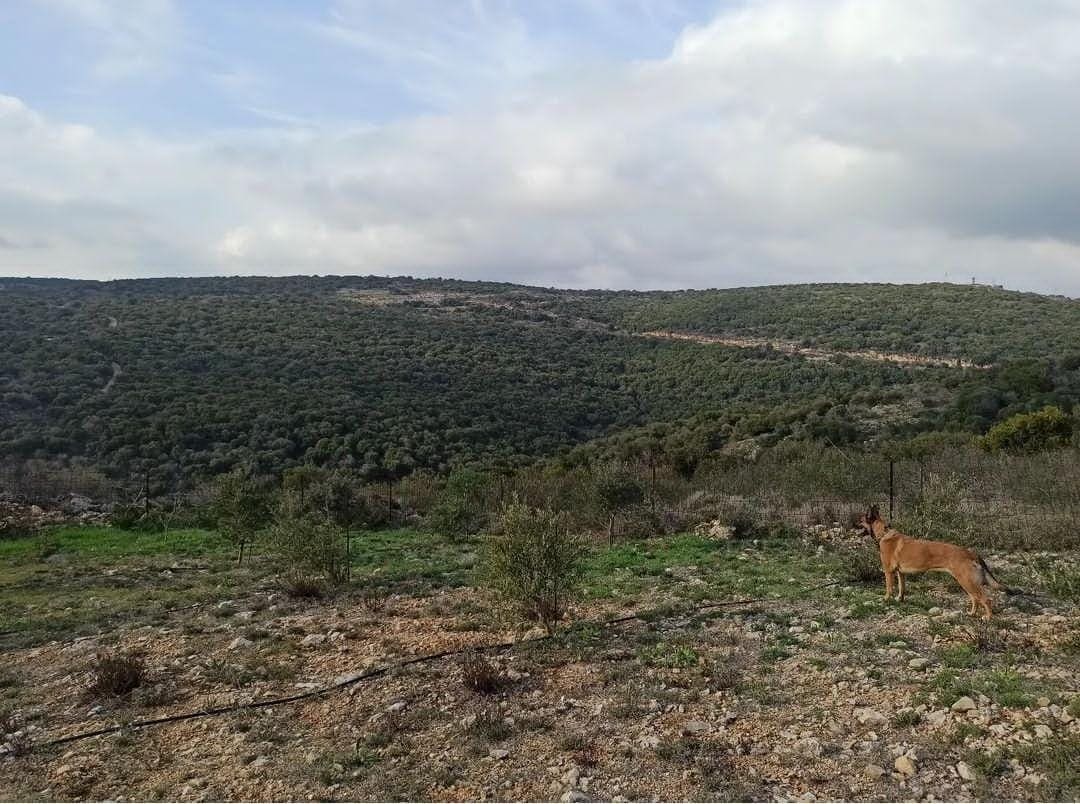
I know I will return. No one will keep me away from Shtula. Israel needs these settlements, but sometimes Israel is too stupid for its own good. If there’s no settlement guarding the border, the border is pushed further inward. At the moment, in any case, it’s impossible to go back, and we also face reconstruction because our home was hit by shrapnel, and the boiler leaked into the house.
Every once in a while, doubt creeps in. Will we go back? Maybe there won’t be enough people who want to go back? Who would want to go back to a place where, at any moment, you could be murdered? When you see that your government’s strategy is to evacuate you, why go back? Every time a rocket falls near the moshav, several families leave, and I assume some families didn’t have time to put down roots. Why would they want to come back?
In the Galilee, there are trees with an interesting root system: trees whose roots can bore into rocks to reach water. It’s the same with people living in a specific place. They begin to assimilate with the nature around them, with the animals, and with the trees. But if you haven’t lived there long enough – your roots stay shallow.

The Times of Israel Community.