

After Jerusalem church leaders rebuke Christian Zionism, schism blamed on Jordan, PA
Patriarch statement seemingly portrayed IDF veteran Ihab Shlayan’s pro-Israel activism as outside religious consensus, but letter lacked Catholic backing and may have been directed from above
 Add ToI as a Preferred Source on Google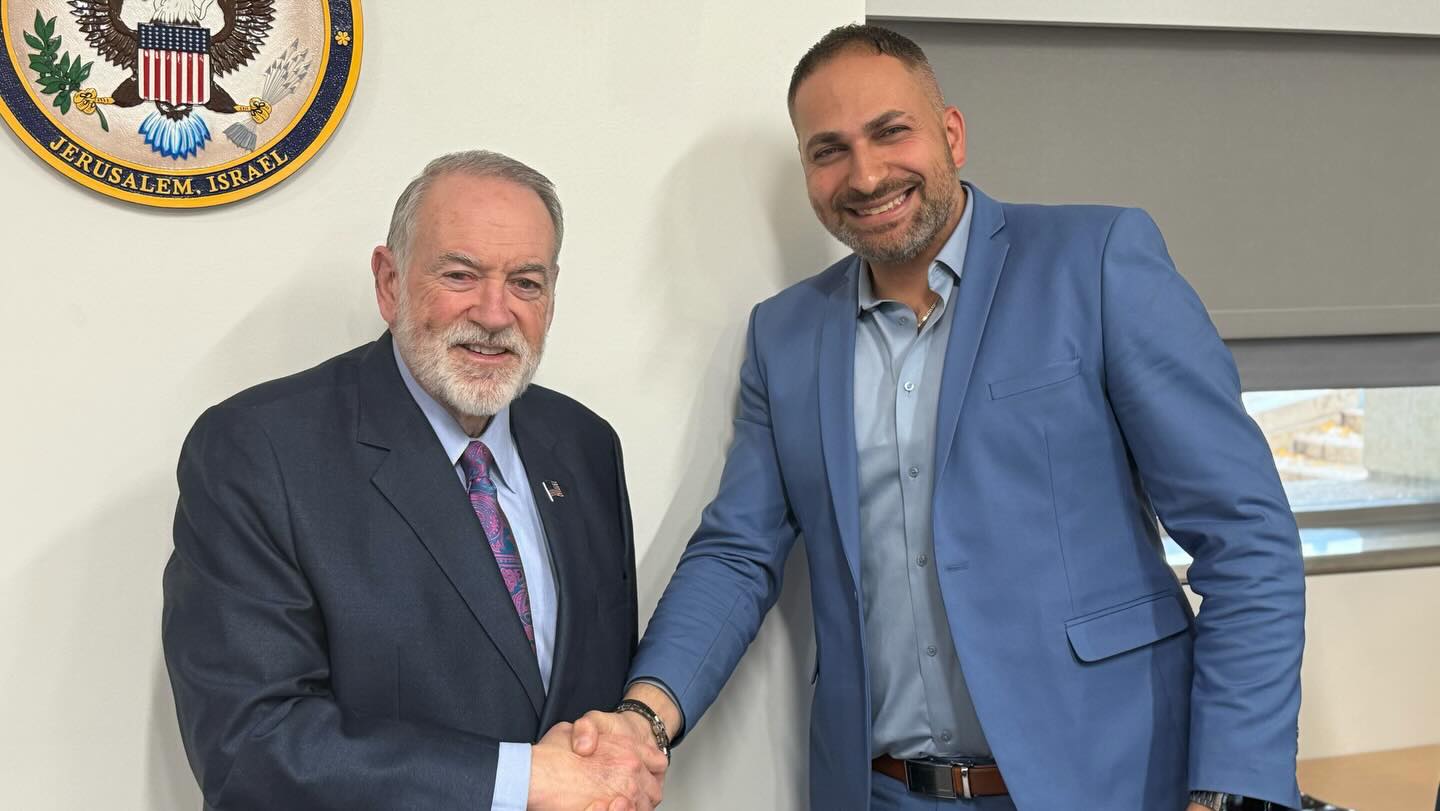
An Israeli Christian organizer whose activities are thought to have been targeted in a controversial statement put out by church leaders condemning Christian Zionism last month says the move was initiated by the Greek Orthodox Patriarchate in Jerusalem under pressure from the Palestinian Authority and Jordan.
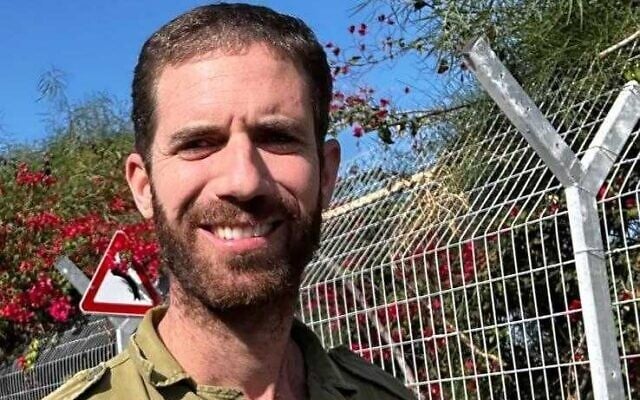
Ihab Shlayan, founder of the Israeli Christian Voice advocacy group, was not named in the January 17 statement, which sparked an interconfessional fight on social media over Israel and Zionism. But he was widely understood to have been its focus due to his criticism of church leadership and embrace of Israel and its military.
Yet while some have pointed to the letter as evidence that Shlayan and other evangelical Zionists fall outside the margins of mainstream Christianity, questions have arisen regarding the actual extent of support for the extraordinary statement.
The declaration was issued under the rubric of the Patriarchs and Heads of Local Churches of Jerusalem, an umbrella group which includes the heads of the Roman Catholic, Greek Orthodox, Armenian, Eastern Catholic, and other Orthodox churches.
According to Shlayan, the driving force behind the initiative was Greek Orthodox leadership under the heavy guidance of forces outside Israel, which he maintains wields only symbolic power in East Jerusalem.
“Those who control the entire Patriarchate and all of East Jerusalem are the Jordanian Waqf and the Palestinian Authority,” he said. The Waqf refers to the Jordanian-controlled endowment that administers the Temple Mount for Muslims.
The Greek Orthodox Patriarchate, Jordanian embassy and PA all did not respond to requests for comment.
Shlayan said the statement was the result of his outreach activities on behalf of Christians in areas where the church leaders and others felt he had no standing to do so.
“So many events happened recently [involving Israeli Christian Voice] that the [Greek Orthodox] patriarch started receiving pressure from Jordan and the Palestinian Authority because I spoke on behalf of Christians in the Palestinian territories about what they’re going through there,” alleged Shlayan.
“The day that Israel and the US wake up and understand that things can’t continue like this, then these types of statements won’t go out,” said Shlayan.
In the statement, church leaders condemned “recent activities undertaken by local individuals who advance damaging ideologies,” singling out Christian Zionism by name.
“The Patriarchs and Heads of Churches further note with concern that these individuals have been welcomed at official levels both locally and internationally,” continued the statement.
The group regularly issues statements on issues of concern to Christians in the region, including fairly sharp criticisms of Israel.
But January’s statement was different.
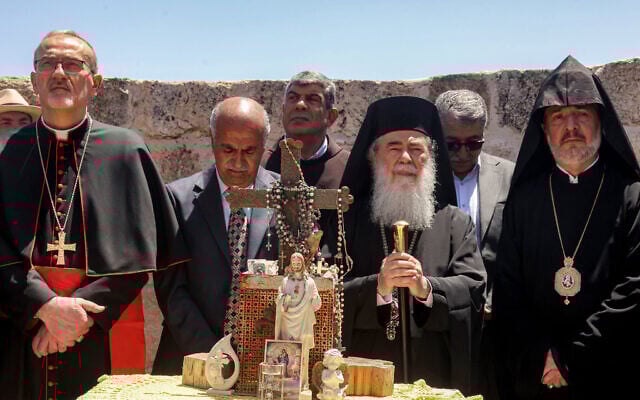
Aside from not naming the mystery individual spreading “damaging ideologies,” the letter was out of character for some of the leading Church leaders, especially Latin Patriarch Pierbattista Pizzaballa, who do not usually pick public fights with other Christians.
Shlayan, a reservist IDF lieutenant colonel who served in the army for 25 years, went public with his efforts to create a movement of Israeli Christians who openly support the state after retiring from military service in June 2024. He had been involved quietly since 2012 in The Forum for Drafting the Christian Community and related organizations, pushing Israeli Christians to join the IDF.
In recent months, Shlayan met with senior local and foreign officials to speak about the needs of Israeli Christians, arguing that the current Church leadership is failing to meet their needs.
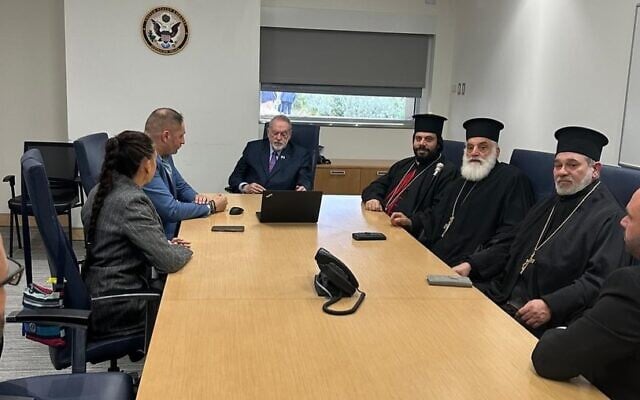
On August 22, he met with US Ambassador Mike Huckabee, a fellow Christian Zionist, to discuss the welfare of Christians in Israel, and they agreed to meet again with local clergy.
The two discussed “future courses of action with the Trump Administration and with the Government of the State of Israel, in order to advance the needs and requests of the Christian community in Israel and the Holy Land,” Israeli Christian Voice said. “We will continue to hold meetings with senior leaders across the Western and Christian world, and with every organization and nation that believes in our mission — for the protection of Christians in the Middle East and in the State of Israel.”
That follow-up meeting took place on January 9, with clerics from both Israel and the West Bank.
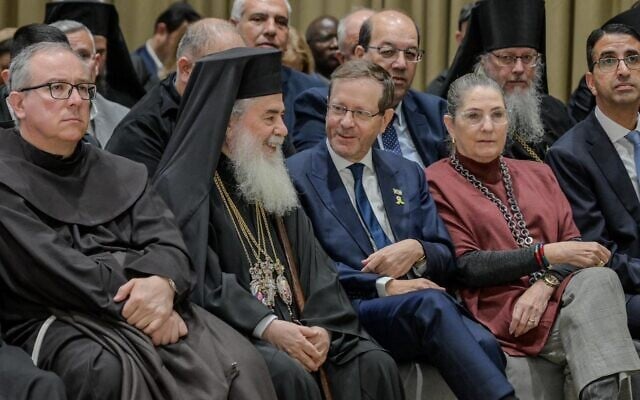
Shlayan was also invited to President Isaac Herzog’s January 12 New Year’s reception for Christian leaders, including those in the Patriarchs and Heads of Churches group.
Shlayan noted that Israeli Christian Voice has regularly criticized church leaders, though without mentioning them by name, putting him and the group in the crosshairs of some of the leading churches.
“The Christian people today are suffering: no job opportunities, no land, no homes, and no clear horizon for the future, while some continue to theorize from behind desks and privileges,” the group wrote on its social media pages recently.
It also called on Christians leaders to “let the people speak” and to “give them the right to decide without guardianship or intimidation.”
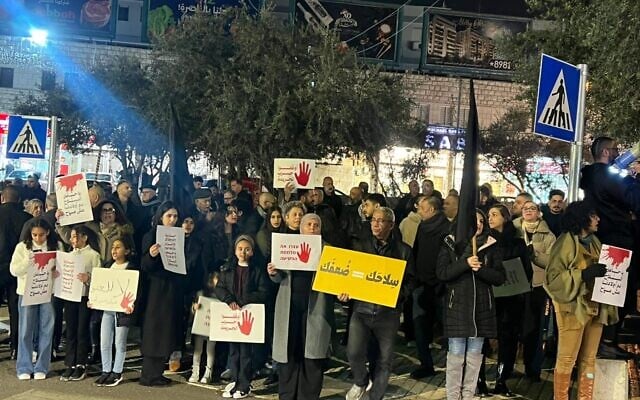
As the highly publicized letter from the patriarchs spread quickly online, those hostile to Israel used it as evidence that Christian Zionists were outside a firm cross-denominational consensus.
It turns out that it was anything but.
Missed messages
The Catholics wanted nothing to do with the letter, The Times of Israel has learned.
The Latin Patriarchate, as the Roman Catholic Church is known in the Holy Land, did not share the Christian Zionism statement on its website or on any of its social media channels, though it has shared all the previous Patriarchs and Heads of Churches statements. Pizzaballa’s name does not appear on the statement, nor does his signature.
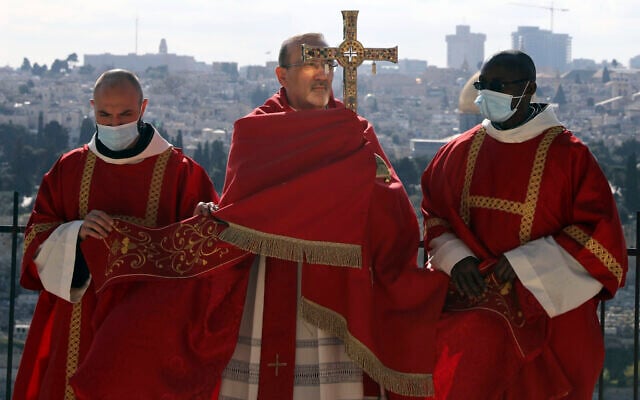
The Custodia Terre Sancte, the Franciscan mission to the region, removed the statement from its website as well.
When asked by The Times of Israel if the Latin Patriarchate supports the statement, an official from the Patriarchate said only, “No comment.”
Pizzaballa, the top Catholic official in the region, is an unlikely candidate to sign on to such a statement. The Italian Franciscan, who famously offered to go into captivity in Gaza in the place of Israeli hostages, is a gentle bridge-builder, one who has gained great admiration from Israeli and Jewish leaders.
“In my opinion, it would be wonderful if he were elected [pope], not just because he comes from here and he understands us, but because he’s such an exceptionally bright and good person,” Rabbi David Rosen, former American Jewish Committee international director of Interreligious Affairs, said ahead of the 2025 conclave.
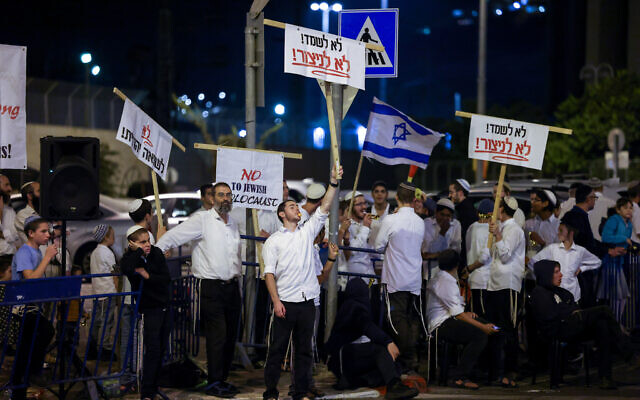
Pizzaballa is a fluent Hebrew speaker and earned an MA from the Hebrew University in Jerusalem. Though he is not afraid to speak out about pressures on Christians in Israel, Gaza, and the West Bank, he is not looking to make headlines attacking the Jewish state or Zionism.
According to Shlayan, citing sources in the churches, the statement was rushed out, and Pizzaballa was not aware of it until after it came out.
According to a person familiar with the umbrella group’s workings, statements are sent to members as a draft and if there are no objections by a certain time then it is assumed that the church leaders all agree with the statement.
However, Pizzaballa was in Jordan visiting Catholic communities there when the statement came out, meaning it is possible he never saw the secretariat’s draft.
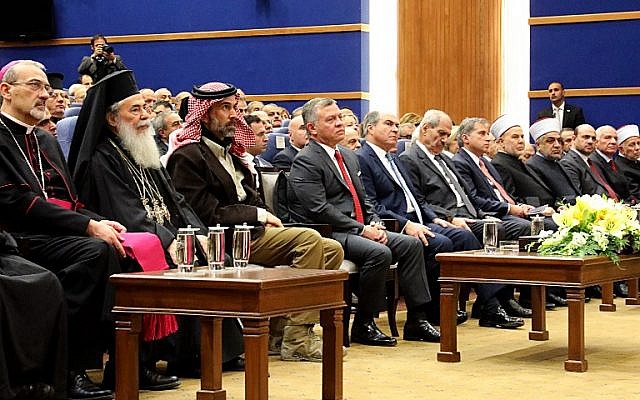
Shlayan, who prays at the Immanuel Evangelical Church in Haifa on Fridays and the St. Gabriel Greek Orthodox Church on Sundays, is a proud “Christian, Israeli, Zionist,” but has harsh words for Israel’s approach toward Christians in the country.
He wants Israel to recognize Christians as their own unique minority community in the country, as it does with Druze, Bedouin, and Circassians. In general, Israel regards Christians according to their ethnic background, meaning most are considered part of the Muslim-majority Arab community.
Shlayan also wants Christians to have their own pedagogical department in the Education Ministry, so that Christian children can learn their own history instead of Muslim history in Arab schools.
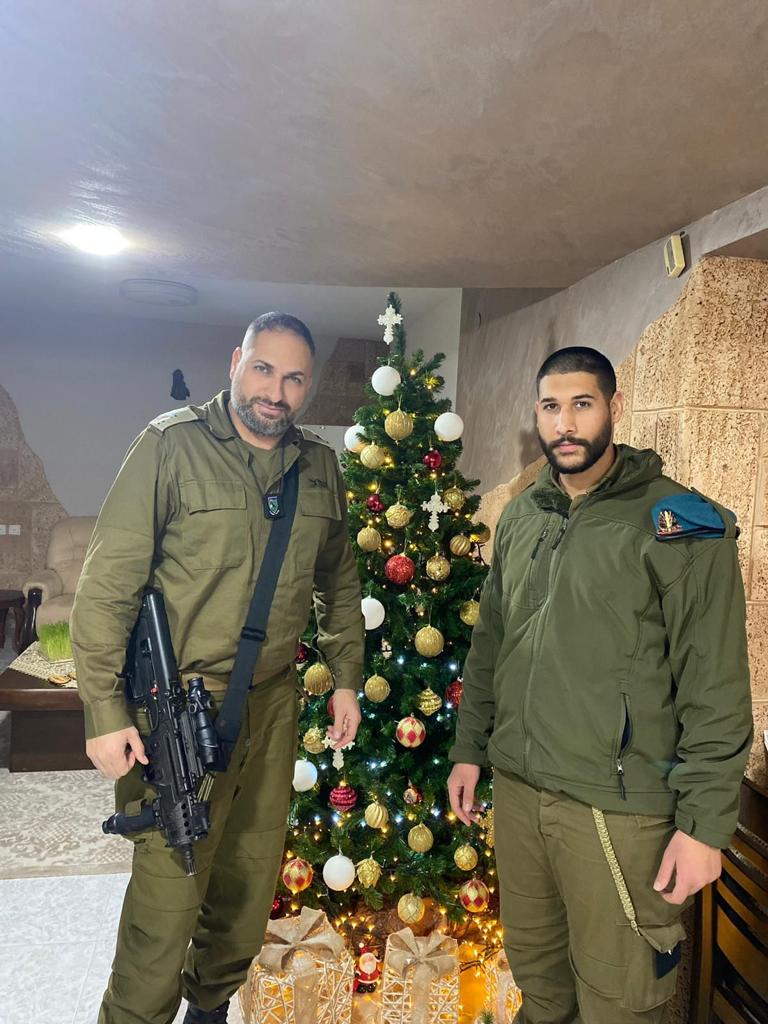
In the IDF, he lamented, there is no one responsible for Christian recruitment, and the state has not created a memorial for the 29 Christians who fell in the IDF.
“What do I have to tell the Western Christian world?” he asked rhetorically. “Other than that, we manage to breathe and live with a bit of dignity without being killed, that we can dress as we like and we can pray? Beyond that—nothing, nothing.”


The Times of Israel Community.