

Latest round of Israel-Syria negotiations kicks off in Paris
Netanyahu reportedly agrees to Trump request to renew stalled talks with Damascus, while insisting potential deal must not violate Israeli red lines
 Add ToI as a Preferred Source on Google
A fifth round of talks between Israel and Syria started on Monday in Paris, the first meetings in nearly two months, after progress toward a security arrangement between the two countries stalled.
The negotiations were expected to last two days, Axios reported on Sunday, citing an Israeli official and another source with knowledge of the details.
Syrian state news agency SANA reported that the talks, mediated by the US, resumed on Monday.
SANA, citing a Syrian government source, said the Syrian delegation was led by Foreign Minister Asaad al-Shibani and intelligence chief Hussein al-Salama. The resumption of the talks reflected a push by Damascus to reclaim what it describes as its non-negotiable national rights, the source said.
The discussions are focused on reviving a 1974 disengagement agreement that established a UN-monitored buffer zone between Israel and Syria after the 1973 Yom Kippur War, SANA reported.
US President Donald Trump, who has been eager for a deal to be signed, asked Prime Minister Benjamin Netanyahu to restart the talks when they met last week at Mar-a-Lago, according to Axios.
While Netanyahu agrees with Trump that a deal must be reached soon, he has insisted that an agreement not cross Israel’s red lines on ensuring security along its frontier with Syria, the Israeli official told Axios.
Trump’s Syria envoy Tom Barrack, who is also the US ambassador to Turkey, was mediating the talks.
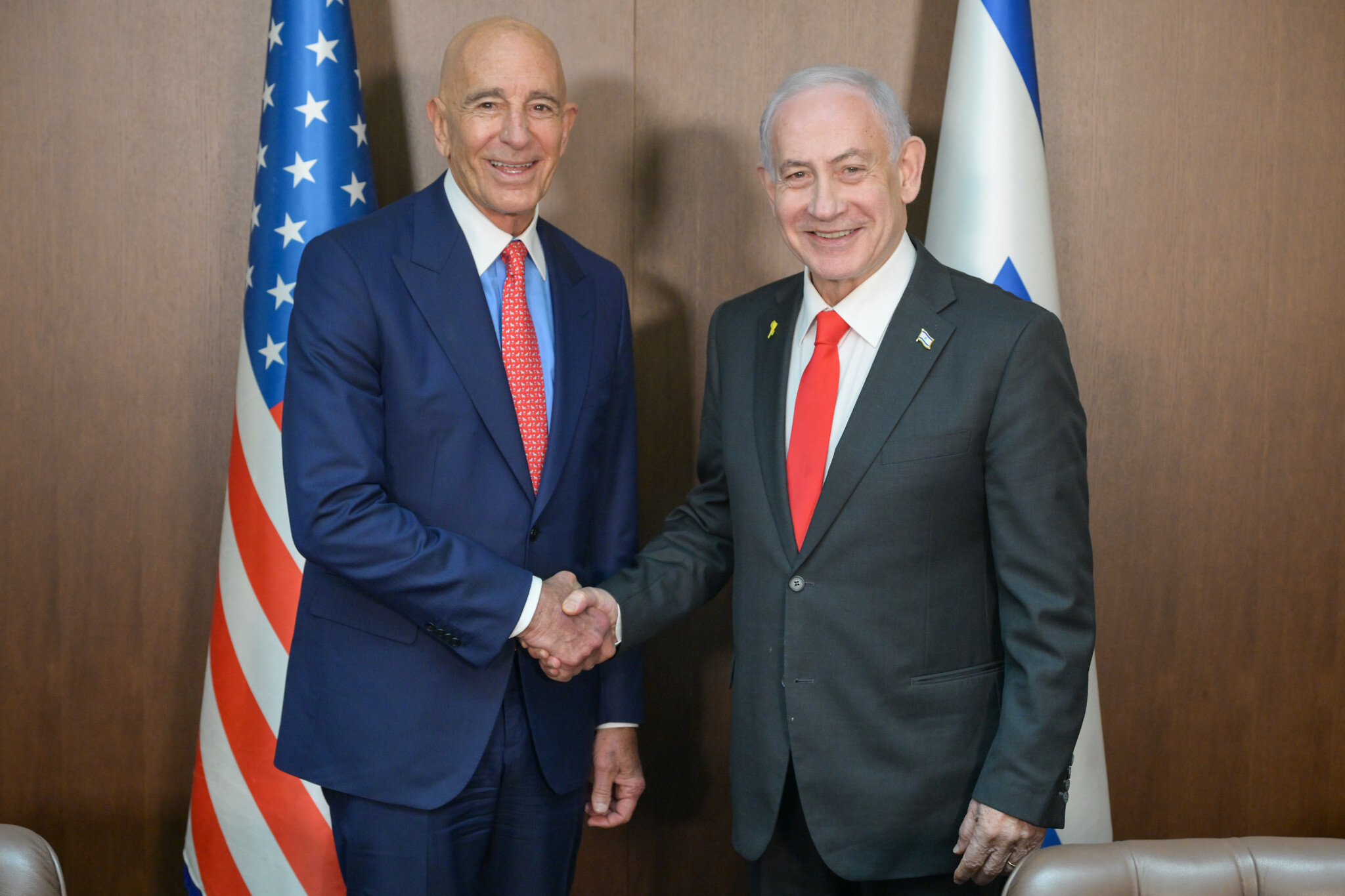
With the resignation of Strategic Affairs Minister Ron Dermer, who led the previous rounds, Netanyahu placed Israel’s Ambassador to the US Yechiel Leiter at the head of the Israeli team, along with his Military Secretary Maj. Gen. Roman Gofman and acting National Security Adviser Gil Reich, the report said.
Gofman has been nominated by Netanyahu to be the next Mossad chief.
Trump has expressed hope for a diplomatic accord, after the IDF seized parts of southern Syria, mostly within a UN-patrolled buffer zone, after the collapse of Bashar al-Assad’s regime in December 2024.
Israel has cited fears the area could fall into the hands of terror groups that could use it as a staging ground for attacks, and said the 1974 disengagement agreement, through which the buffer zone was created, had been made temporarily void by Assad’s ouster.
IDF troops, meanwhile, have been operating in areas up to around 15 kilometers (nine miles) inside Syria, aiming to capture weapons that Israel says could pose a threat to the country if they fall into the hands of “hostile forces.”
While there was optimism in September that a deal could be signed, Reuters reported at the time that contacts between Israel and Syria had reached a dead end due to Israel’s demand to open a “humanitarian corridor” into the Sweida province in southern Syria – where sectarian violence has killed hundreds of people from the Druze community, which Israel has vowed to protect.
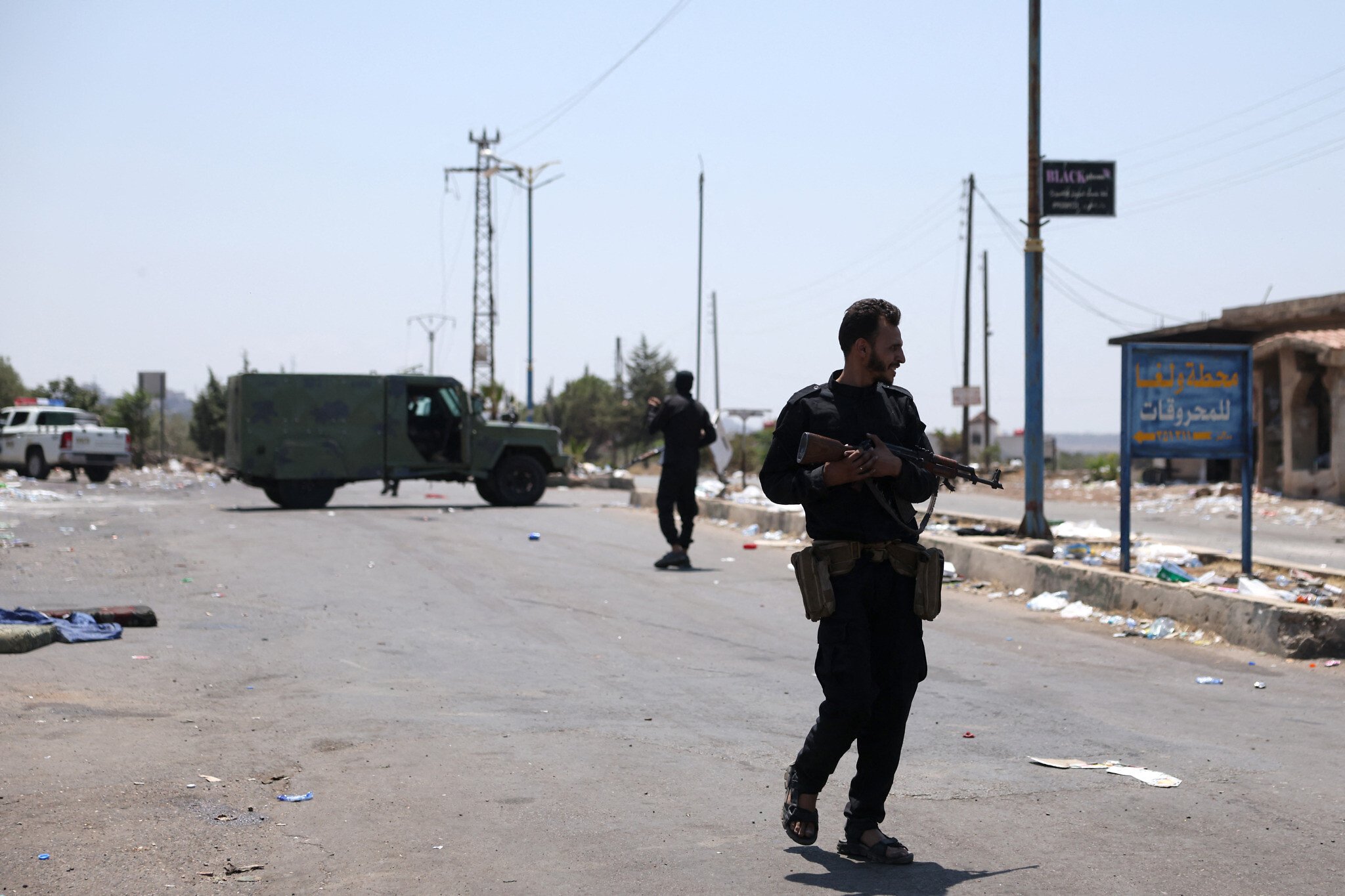
Sources told Reuters that Israel requested early on in the talks to open a passage for delivering aid to Sweida, but Syria rejected the request, claiming it would harm its sovereignty. According to the sources, Israel repeated the demand later in the negotiations, leading progress on the agreement to stall.
Reports in November suggested Israel’s terms have since changed, and it is now demanding full diplomatic relations, which Syria has said is not currently on the cards, further complicating the process.
Trump in December warned Israel against destabilizing Syria and its new leadership, days after IDF soldiers battled gunmen in the country’s south, and said he is “very satisfied” with the country’s performance under new President Ahmad al-Sharaa, whose forces ousted Assad.






The Times of Israel Community.