

As Germany rearms, Holocaust-begotten ties with Israel take on increasing importance
Delivery of Jerusalem’s Arrow 3 missile defense system to Berlin marks historic reversal, reflecting growing relationship forged by guilt and anchored today in strategic necessity

 Add ToI as a Preferred Source on Google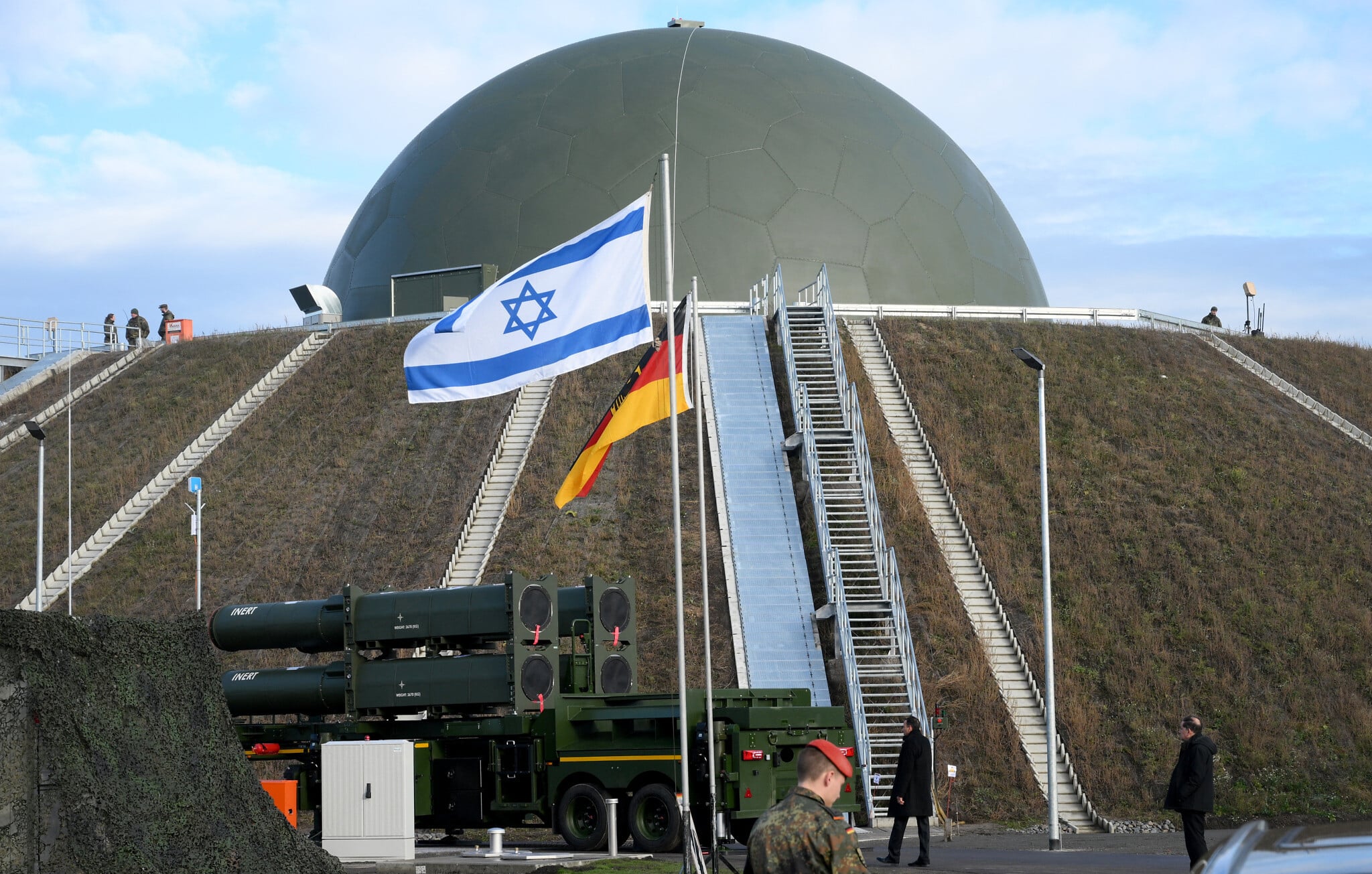
When Israel handed over its Arrow 3 long-range missile defense system to the German Air Force at Holzdorf Air Base south of Berlin earlier this month, the moment carried weight far beyond the deal’s hefty price tag.
For the first time, Israel was sending its most advanced ballistic missile interceptor system outside its own territory — and deploying it in the country that orchestrated the Holocaust. Eighty years after the liberation of Auschwitz, the Jewish state is now helping defend Germany, and by extension, much of Europe, against long-range missile threats from adversaries such as Russia and Iran.
“As a second-generation Holocaust survivor, I stand here deeply moved,” said Defense Ministry Director General Amir Baram at the handover ceremony. “A ballistic missile defense system, developed by the finest Jewish minds in Israel’s aerospace industry, out of our existential necessity, will now help defend Germany.”
The agreement, worth a whopping $4.6 billion, was signed just over a week before the October 7, 2023, Hamas attack on Israel that would set into motion a series of events that would not only prove the Arrow 3’s effectiveness in wartime, but indelibly change Israel’s relationship with Europe.
Over two years later, the handover ceremony, held as the countries marked 60 years of bilateral ties, consummated the largest defense export deal in Israel’s history, a tangible expression of time’s ability to scab over even the deepest of wounds.
More than a milestone transaction, the defense agreement encapsulates the transformation of a relationship born of genocide and moral reckoning into one increasingly defined by strategic necessity. As Germany races to rebuild its military in response to Russia’s war in Ukraine, its turn to Israeli technology to plug urgent gaps in its air defenses shows the increasing centrality of the Jewish state as a pillar of European security.
Beyond reparations
The foundation of ties between Israel and Germany rests on the memory of the Holocaust. In the immediate postwar years, the nature of the relationship was moral and financial rather than diplomatic or military, beginning with West Germany’s 1952 reparations agreement — an explicit acknowledgment of responsibility for Nazi crimes.
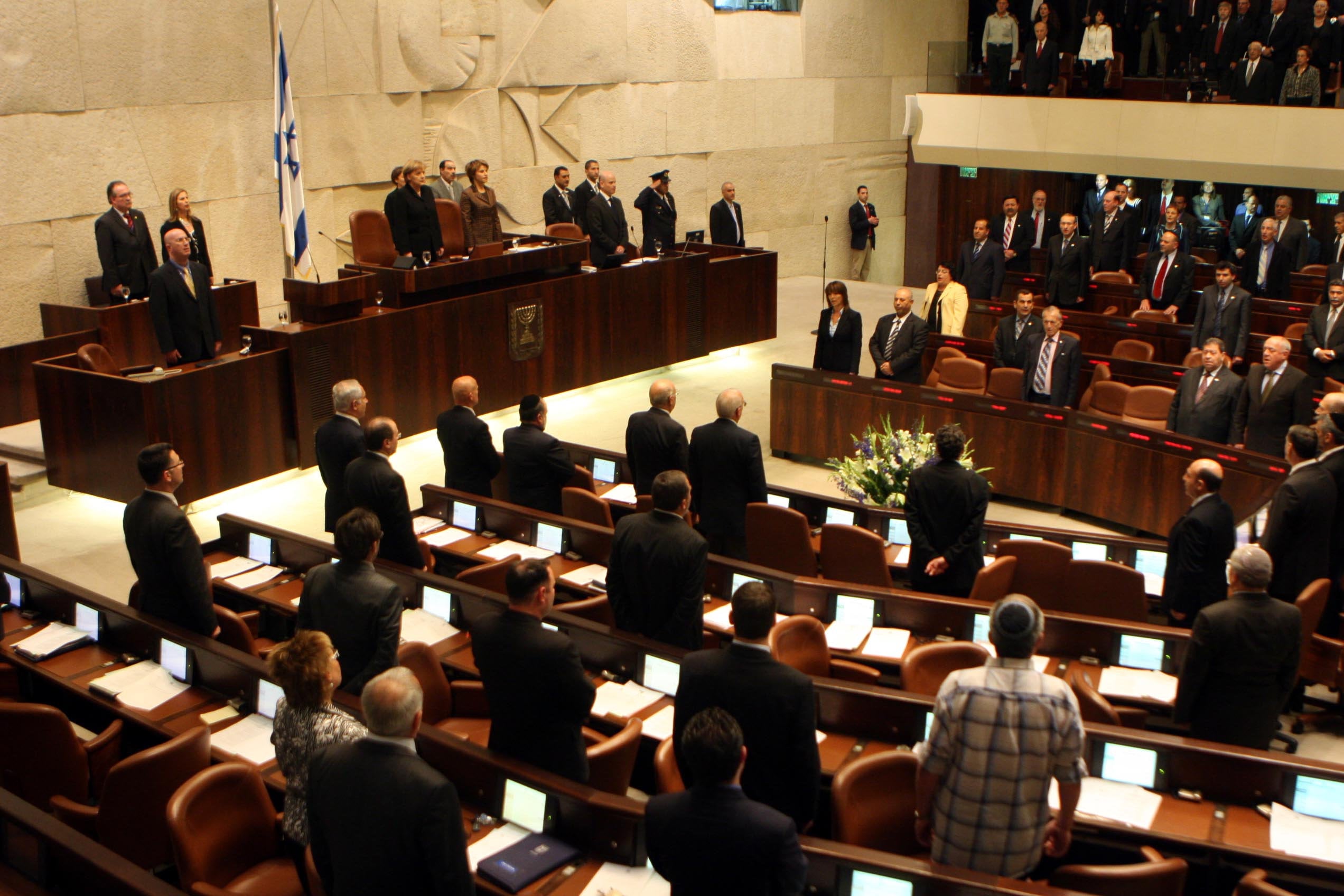
That moral commitment was codified in former chancellor Angela Merkel’s landmark 2008 speech to the Knesset, in which she declared Israel’s security part of Germany’s staatsräson, or reason for being.
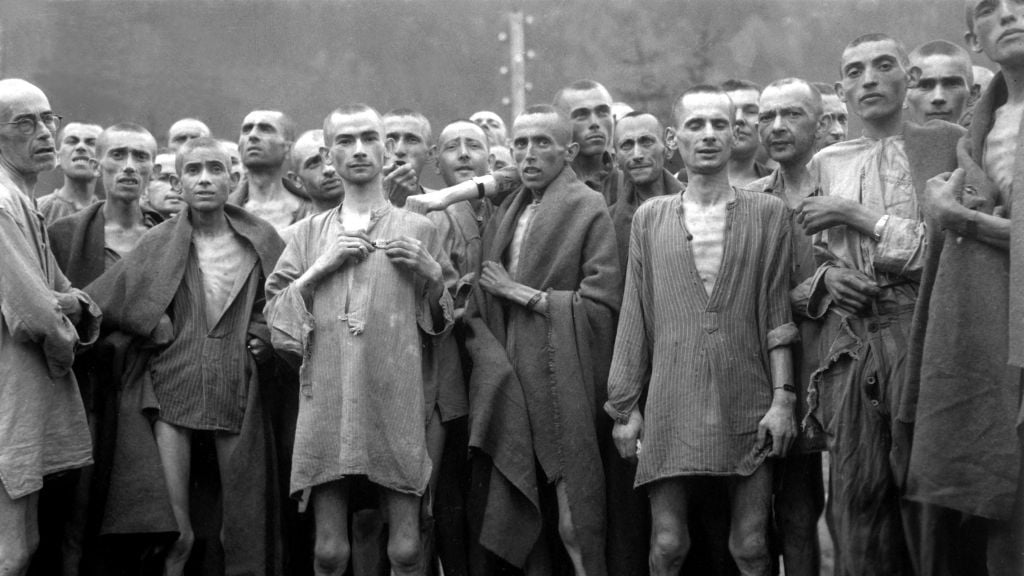
“Without the memory of the Holocaust, there would be no special relationship between Germany and Israel,” said Shimon Stein, former Israeli ambassador to Germany and a senior researcher at the Institute for National Security Studies (INSS) in a 2018 article. “This memory was the core of the original relationship.”
According to the Foreign Ministry in Berlin, Germany’s “unique relationship with Israel… stems from Germany’s responsibility for the Shoah” and “is a cornerstone of German foreign policy.”
German Ambassador to Israel Steffen Seibert stressed that the relationship rests on two parallel foundations.
“Historical responsibility is one pillar of our relationship: the other is made up of the liberal democratic values that we share — the values of our Constitution and your Declaration of Independence,” he told The Times of Israel.
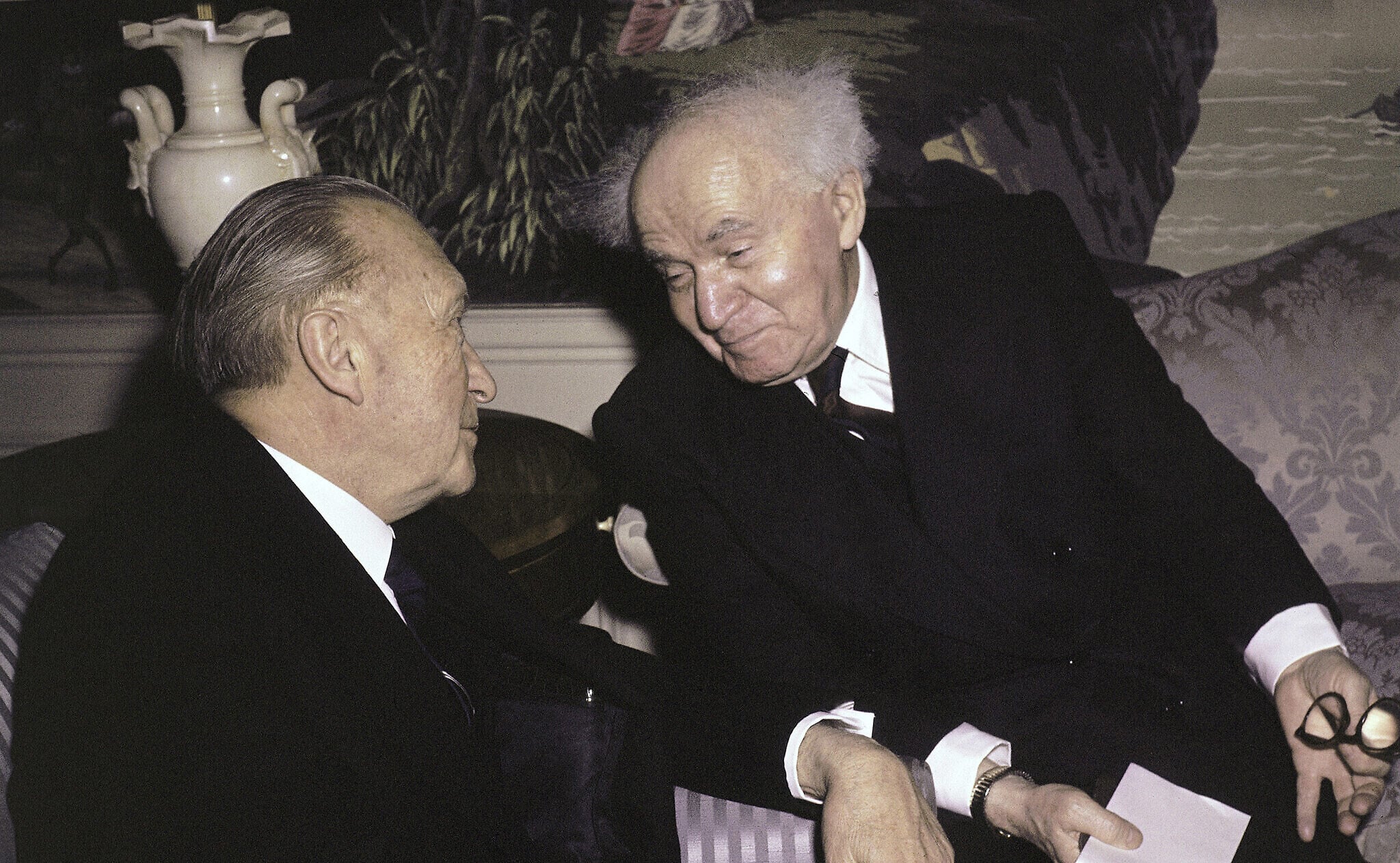
The relationship’s first decisive test came during the 1956-57 Suez Crisis, when Washington reportedly urged West Germany to freeze restitution payments to Israel as leverage against Jerusalem. Chancellor Konrad Adenauer refused.
Adenauer told US president Dwight Eisenhower and secretary of state John Foster Dulles that relations with Israel were “a matter of German ethics,” German historian Michael Wolffsohn told The Times of Israel. The stance strengthened ties between Jerusalem and Bonn and soon translated into secret military cooperation.
In late 1957, Israel dispatched a delegation to Germany for talks that paved the way for an arms deal that culminated with Israel selling grenade launchers to West Germany in 1959.
The transaction sparked outrage in Israel when it became public, but marked the birth of a military relationship that would grow steadily deeper.
Diplomatic relations were formally established in 1965 under Prime Minister Levi Eshkol and Chancellor Ludwig Erhard, despite fierce Arab opposition that led several states to sever ties with Bonn.
Israel’s reliance on Germany as a defense partner grew after 1967, as French opposition to the Six Day War effectively ended the Franco-Israeli defense relationship, forcing a strategic realignment.
In 1991, German foreign minister Hans-Dietrich Genscher visited a Scud missile impact site in Ramat Gan and pledged to supply Israel with submarines — a move widely seen as giving Israel a second-strike nuclear capability.
Wolffsohn described it as the moment Germany “took the question [of Israel’s preservation] literally.”
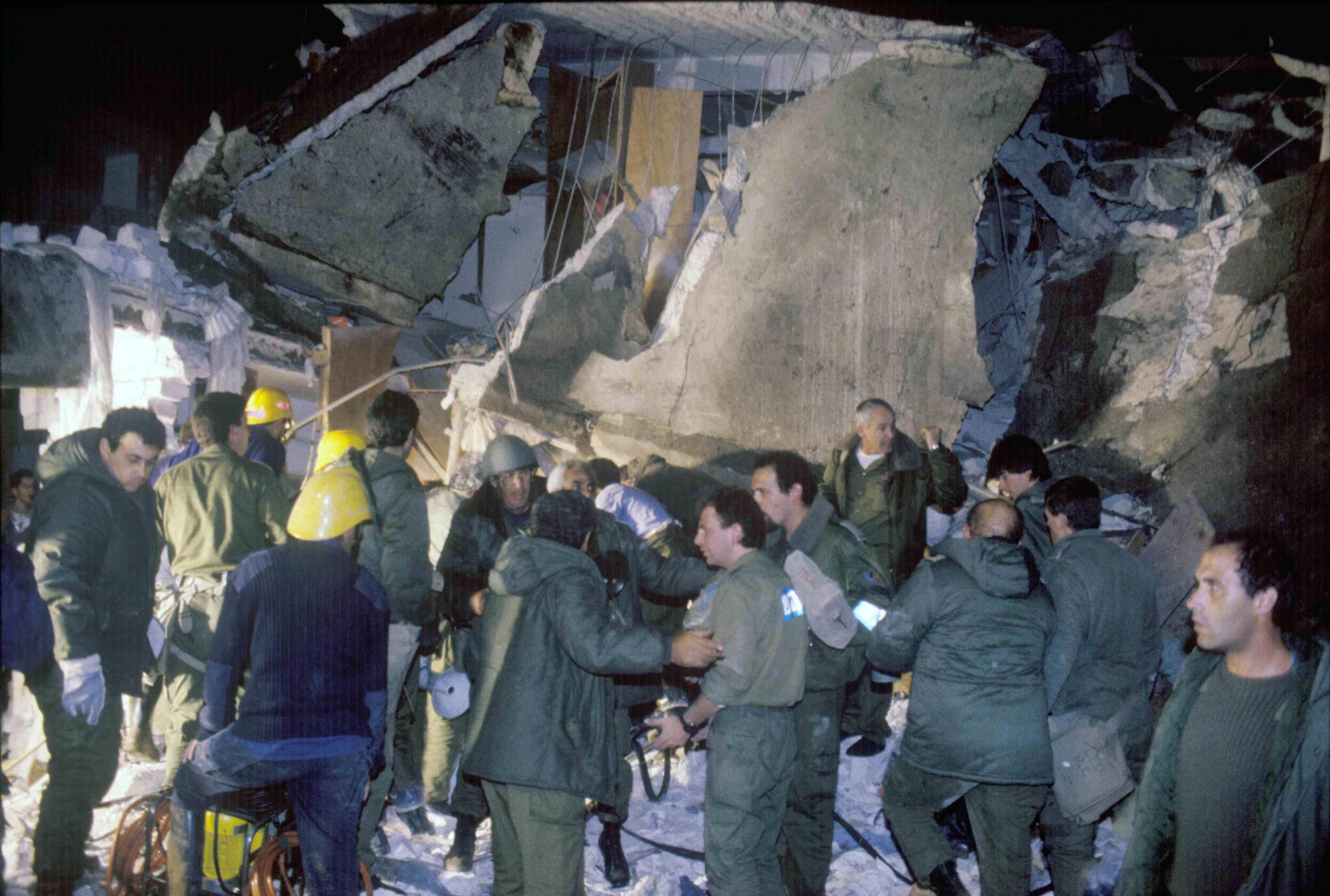
Over the next several decades, the defense partnership would remain strong, surviving challenges such as liberal chancellor Gerhard Schröder’s decision to freeze submarine deliveries in the late 1990s. Today it not only endures, but has proven indispensable for both countries.
Rearming for Russia
As Germany races to rebuild its military after decades of underinvestment laid bare by Russia’s invasion of Ukraine, its reliance on Israeli missile defense, drone, and battlefield technologies has become a strategic necessity — one that constrains how far political pressure on Israel can realistically go.
Beyond the Arrow 3, in recent years Berlin has purchased Israeli-made Heron drones for reconnaissance and strike missions, Spike anti-tank missiles jointly produced with German partners, and the TROPHY active protection system to shield its Leopard 2 tanks from anti-armor threats.
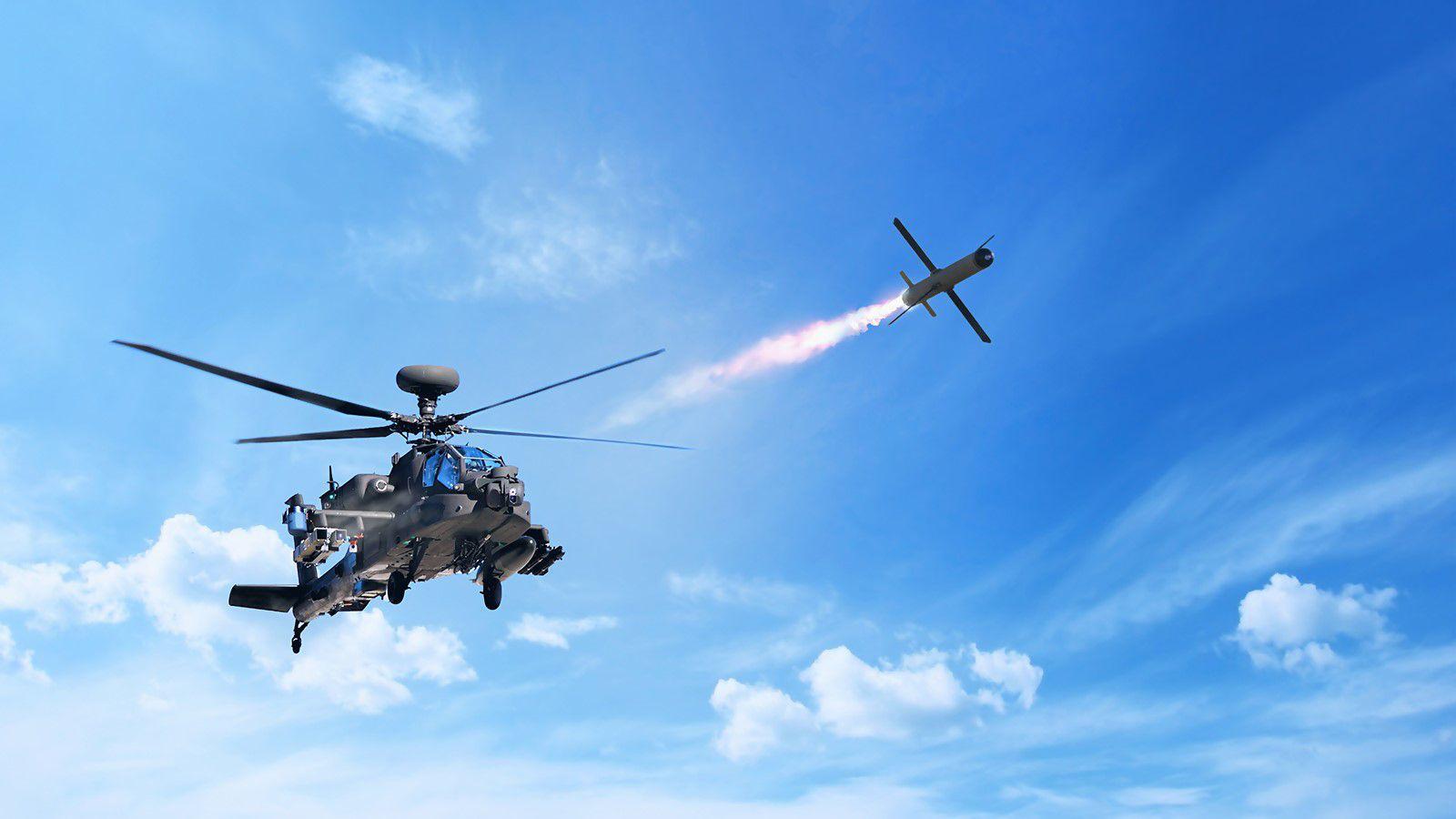
That trend is only poised to grow as Germany increasingly turns to Israeli defense systems in rebuilding its military capabilities.
Under Merz, Berlin has committed to building “the strongest conventional army in Europe,” employing practically unlimited defense spending and relying heavily on Israeli missile, drone and air-defense technology to counter long-range threats from Russia and its partners.
According to Defense Ministry figures from June, Europe was the largest purchaser of Israeli defense goods in 2024, buying 54 percent of nearly $14.8 billion in total exports. Ministry officials attributed the increase in demand for Israeli-made weapons from European countries to Russia’s ongoing invasion of Ukraine.
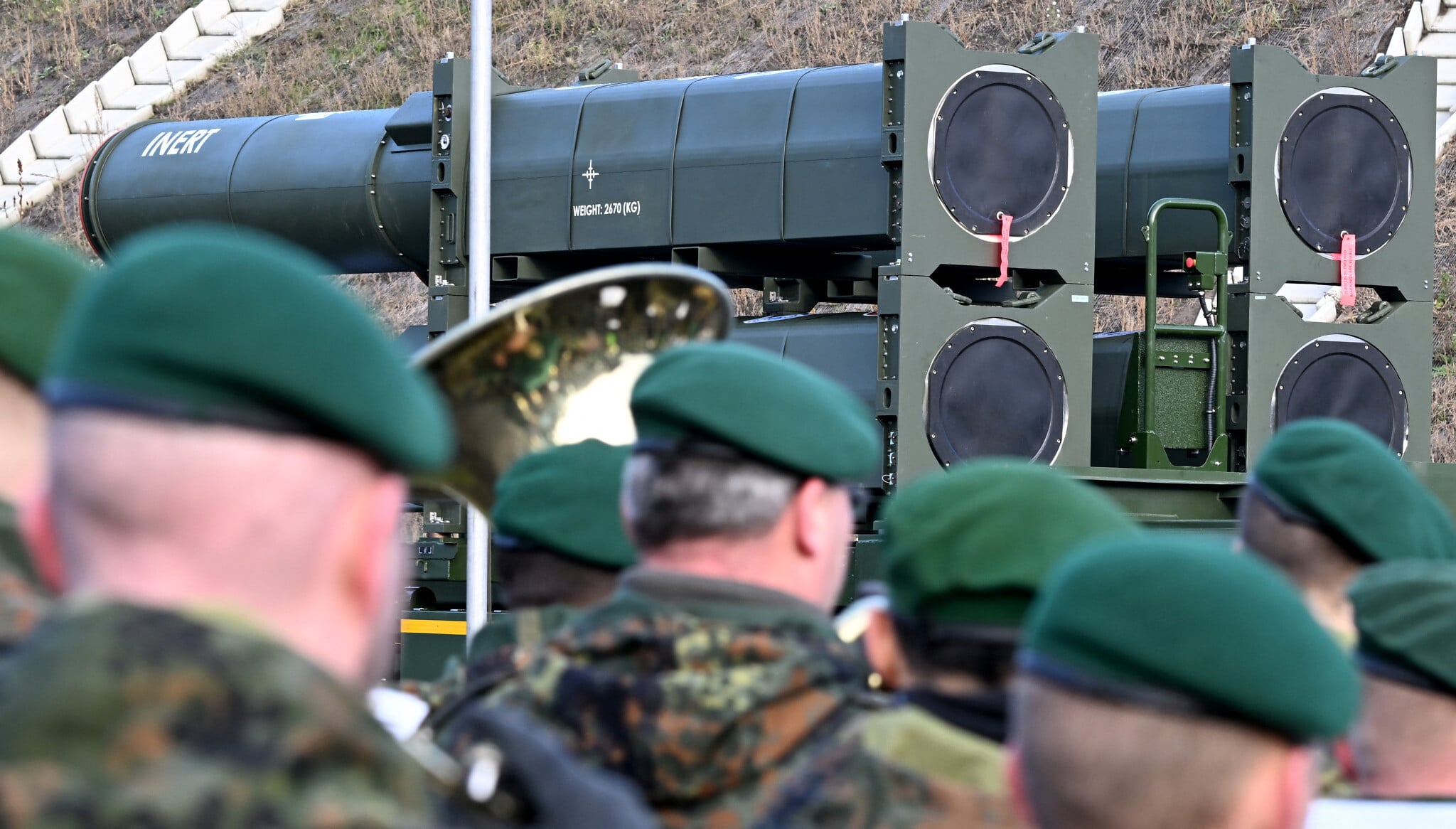
“The fact that Germany now relies on Israeli capabilities to defend its citizens carries deep historical resonance,” the Telegraph reported Baram as saying last month. “It stands as a testament to how our relationship is defined not by past wounds but by a shared commitment to prevent their return.”
The defense relationship goes the other way as well. Between 2020 and 2024, Germany accounted for 33% of Israel’s military arms imports, according to data from the Stockholm International Peace Research Institute, underscoring Israel’s reliance on German defense manufacturing alongside its growing role as a supplier.
German-built naval equipment, munitions and components remain central to Israel’s military capabilities.
Alongside hardware acquisitions, intelligence cooperation between the two countries has also deepened. Israeli security services have played a key role in providing intelligence that German authorities credit with helping disrupt Hamas-linked networks and thwart planned attacks on Jewish and Israeli targets in Germany, underscoring the partnership’s growing operational dimension.
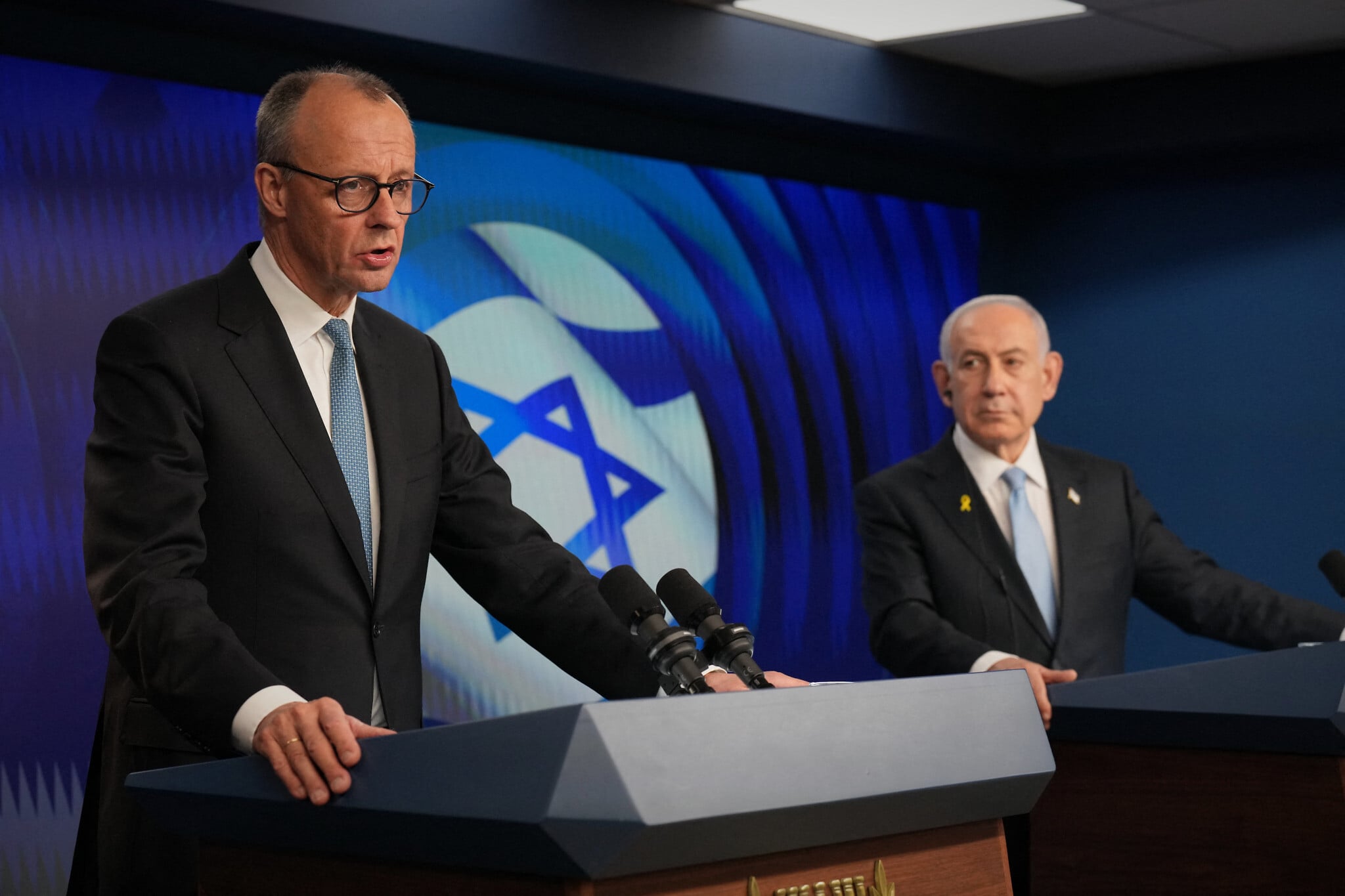
“There is a structural dependence of Germany with regard to Israel,” Wolffsohn explained. “Israel can only count on Germany and any other country if and as long as it can offer functions, abilities or knowledge they don’t have themselves” — and Israel, he stressed, offers capabilities Germany cannot readily replace.
That dependence became evident earlier this year, when Chancellor Friedrich Merz announced a temporary freeze on certain arms exports to Israel amid mounting domestic and international criticism over the Gaza war.
The move, which Prime Minister Benjamin Netanyahu said amounted to “rewarding Hamas terrorism,” was widely viewed in Jerusalem as a political gesture rather than a strategic shift — a perception reinforced when the freeze was quietly reversed just months later.
For Wolffsohn, the episode laid bare the hard limits of Germany’s leverage. While Berlin may signal displeasure, he said, it cannot afford a sustained rupture with Israel without undermining its own security interests.
Fading guilt
Seibert framed the countries’ partnership as fundamentally and irreducibly unique — rooted in history, yet sustained by shared values.
“It is indeed unique, and I believe it should remain that way,” Seibert told The Times of Israel about the relationship. “In an unlikely way, the worst abyss of history has brought us together, and we can never take for granted that the nation that committed the crimes of the Shoah and the nation of the survivors have become partners and even friends.”
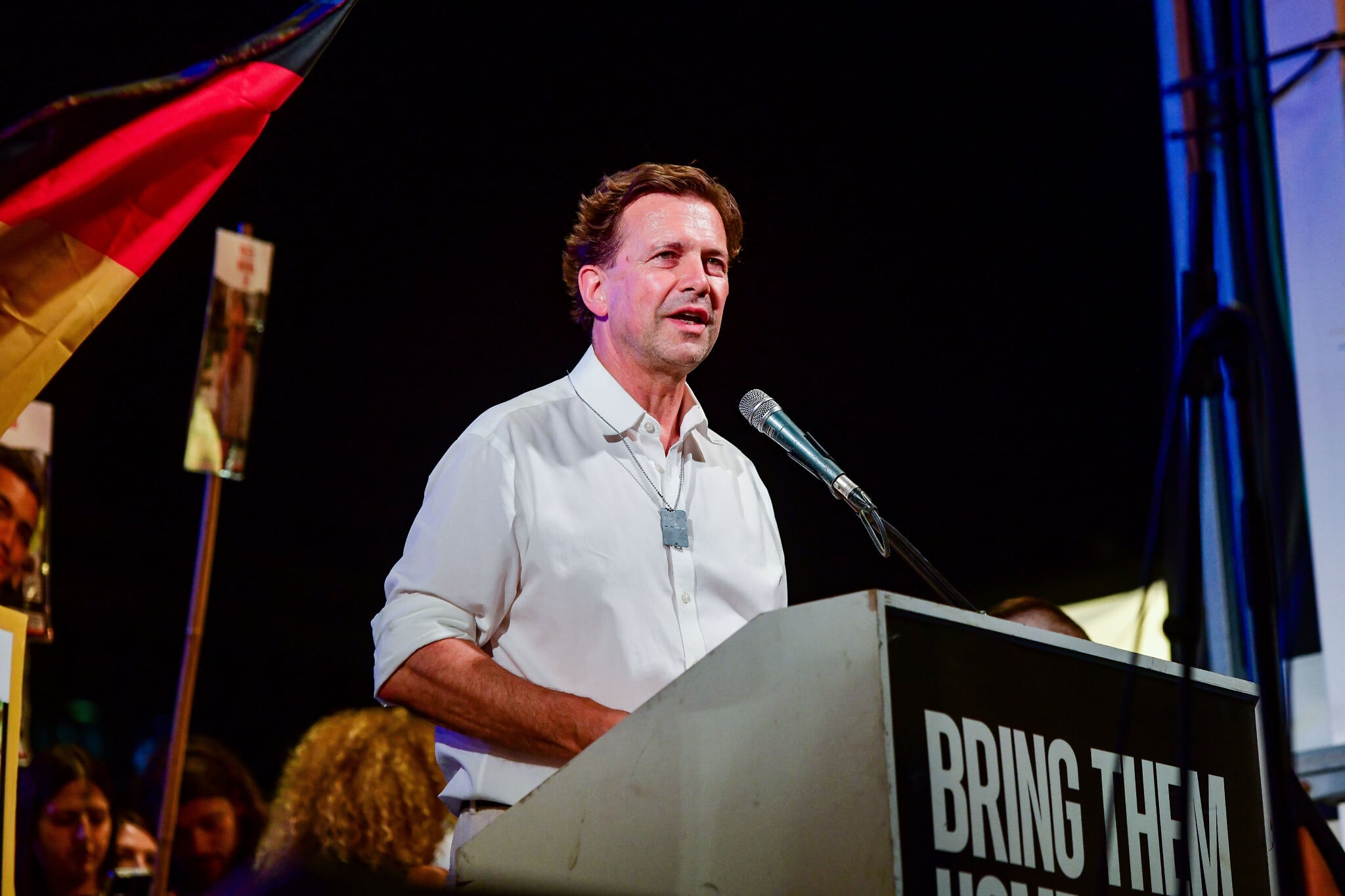
But much of the German public, including its growing Muslim population, is no longer guided by Holocaust guilt, and over the past three decades has become more comfortable aiming criticism at Israel.
“Nobody gives a damn,” said Wolffsohn. “The sad fact in Germany’s moral setup is that they are sick and tired of the Holocaust theme, and therefore nobody is taking that as a political factor anymore.”
According to Stein, Germany’s strong emphasis on international law has increasingly clashed with Israeli policy since the 1990s, contributing to what many in Jerusalem perceive as a more distant and skeptical approach.
Surveys conducted earlier this year by the Bertelsmann Stiftung, an independent Germany-based foundation, show that while a large majority of Israelis favored intensifying bilateral ties, particularly in the military and economic spheres, German respondents were far more cautious.
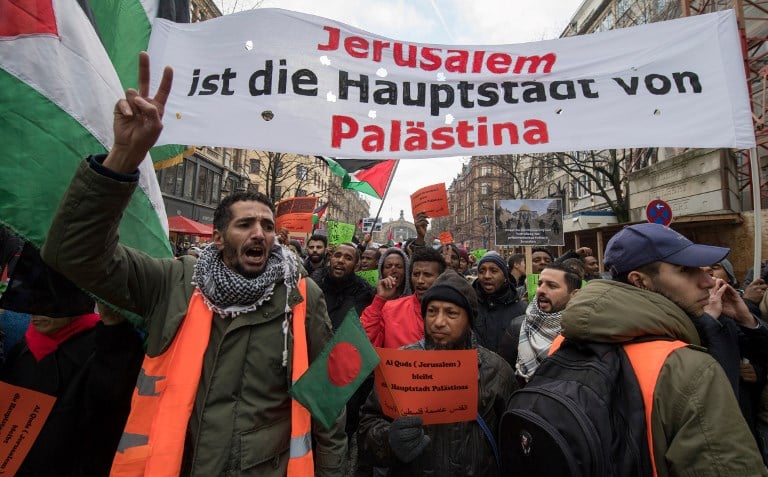
Around 40% of Germans said current levels of cooperation are sufficient, and Germans tended to place greater value on exchanges in science, research and civil society rather than defense. The findings point to a widening gap between public attitudes and the government’s increasingly close security ties with Israel.
Seibert acknowledged rising tensions within German society.
“This anniversary year has highlighted many strengths of our relationship, but also some challenges: rising antisemitism, which we need to fight on all fronts — criticism of Israel’s policies in a sizable part of the German public, which is legitimate and needs to be taken seriously,” he said.
According to Channel 12 news, Israel’s Foreign Ministry has made a strategic decision to focus on bolstering ties by trying to influence opinion on the German street, targeting the country due to its influence in Europe and its underlying pro-Israel inclination.
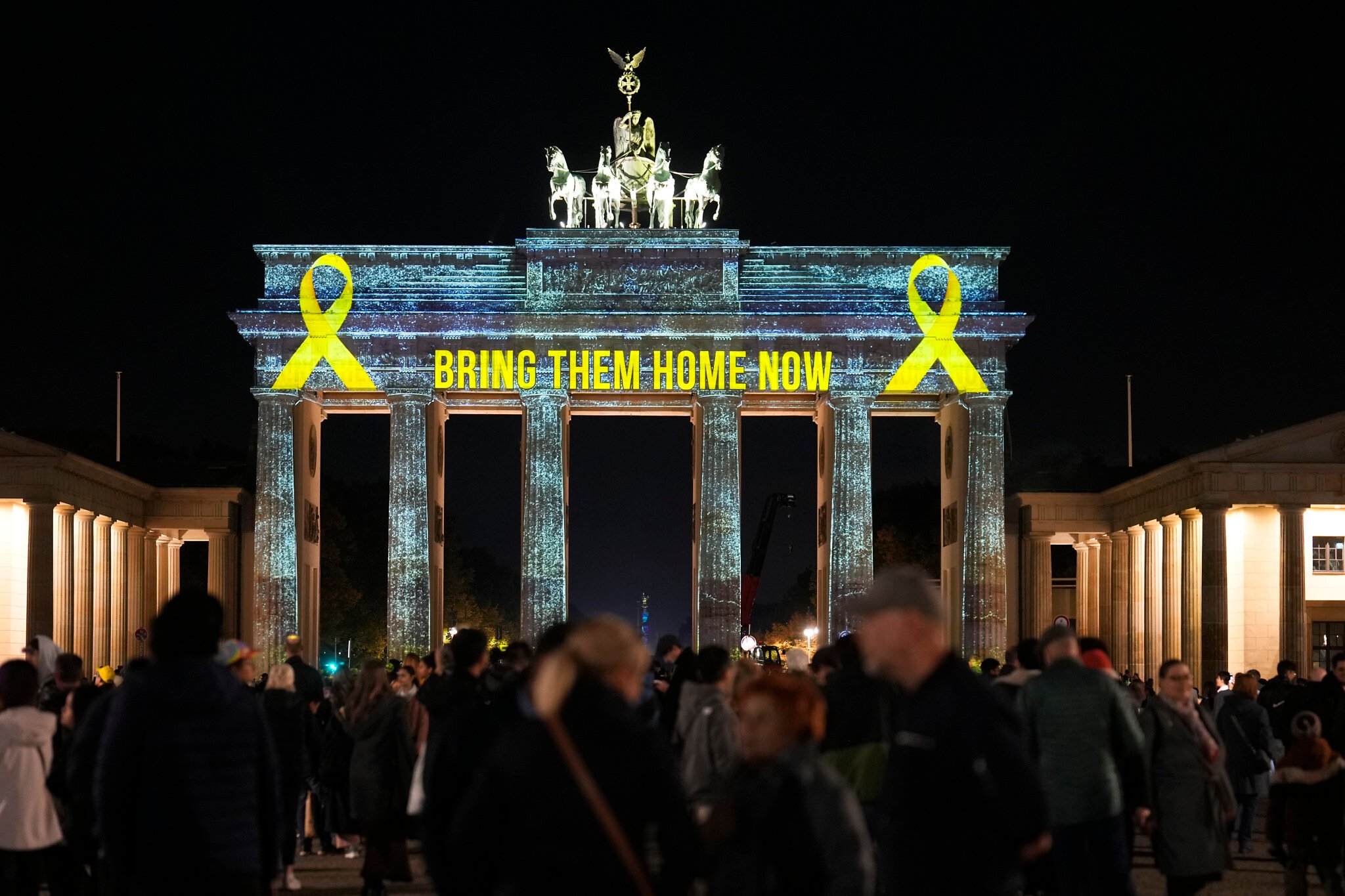
A campaign reportedly launched earlier this year included extensive engagement with local media and high-profile initiatives under the moniker #RememberTogether, such as a Nova festival exhibition in Berlin, a memorial ceremony for October 7, and the illumination of the Brandenburg Gate with calls for the release of hostages.
An internal Foreign Ministry survey cited by Channel 12 found that positive sentiment toward Israel in German discourse rose sharply following the campaign, from 39% in September to 71% in October, giving German leaders greater political space to make decisions favorable to Israel. It did not specify how sentiment was measured.
Close personal ties between Foreign Minister Gideon Sa’ar and his German counterpart, Johann Wadephul, have also helped, with Sa’ar hosting Wadephul twice at his private home in recent months.
Seibert struck a cautiously optimistic note about the relationship moving forward.
“Fortunately, this difficult year is coming to end on a brighter note than it started: I am first and foremost thinking of the return of the hostages and the ceasefire in Gaza,” he said. “Much remains to be done to turn this ceasefire into a real peace. We work for this with our Israeli friends — alongside the US and other international partners.”
Nava Freiberg contributed to this report.







The Times of Israel Community.