

Cracking down on Bedouin crime, Ben Gvir accused of punishing victims to please his base
Police operation to stem lawlessness after complaints from residents of Jewish towns in northern Negev draws fire for using harsh West Bank-style tactics against Arab citizens
 Add ToI as a Preferred Source on Google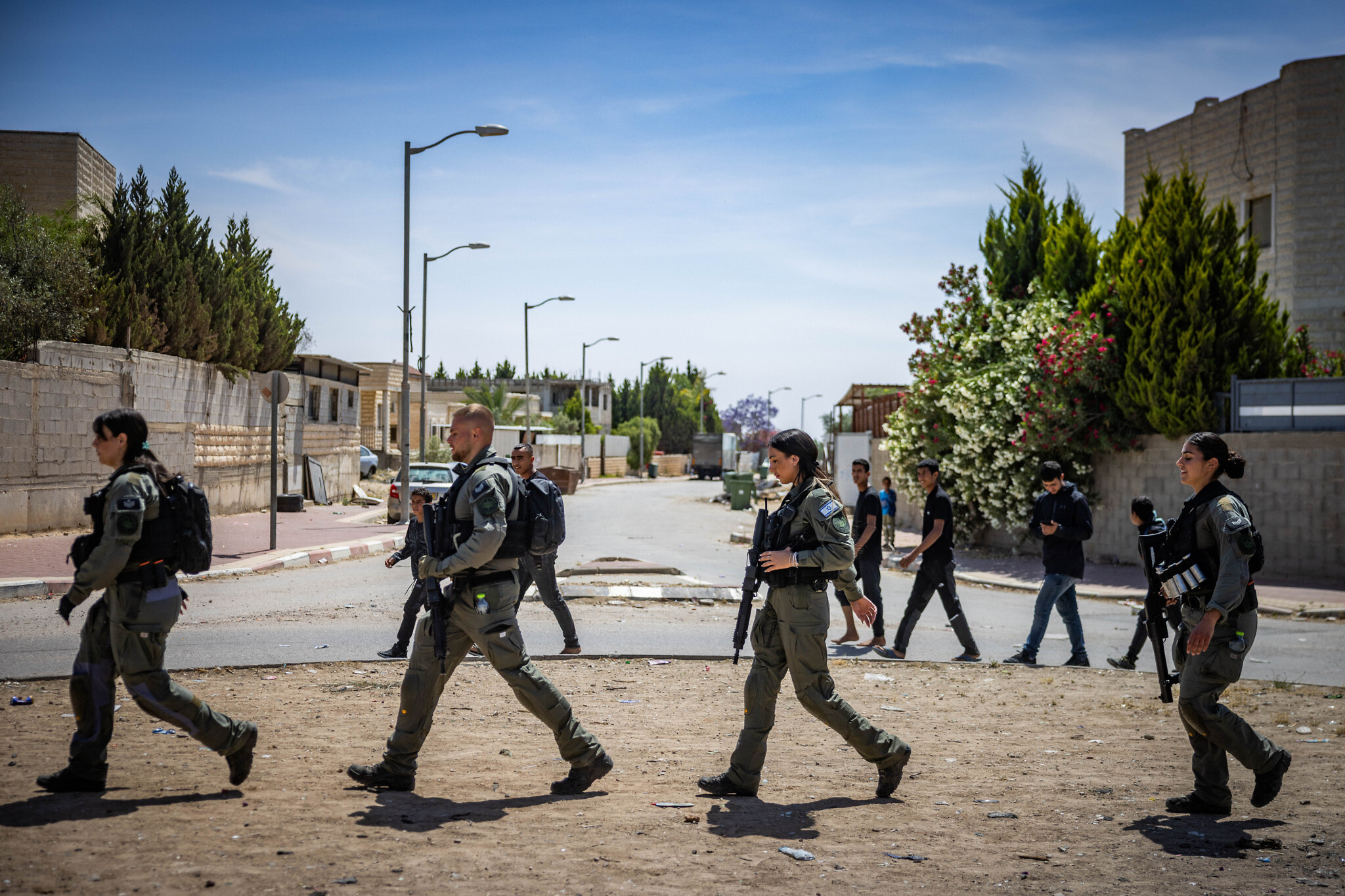
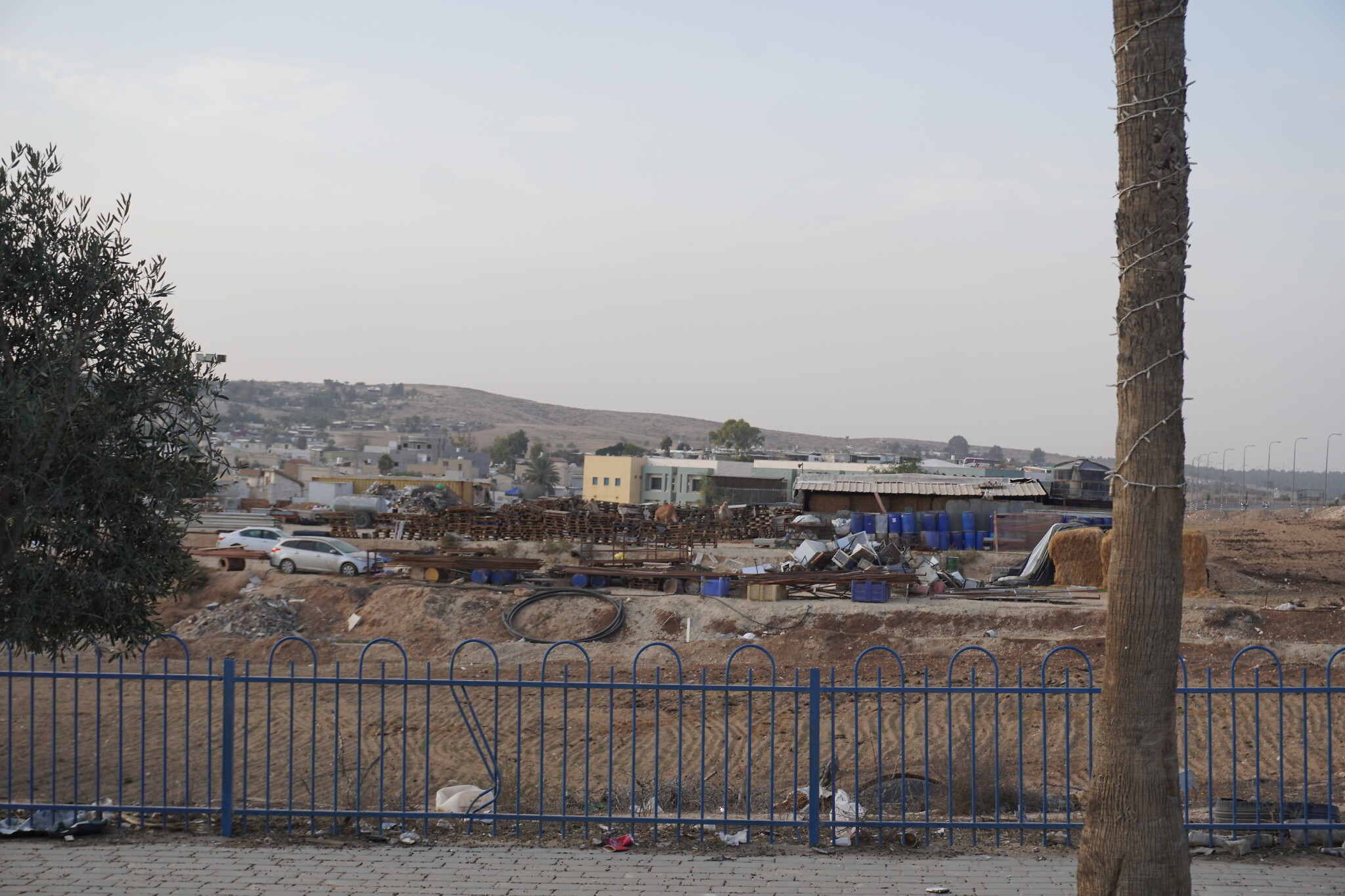
LAKIYA, Negev — Monday afternoon and the Bedouin town is quiet. Many of the shops along the main thoroughfare are shuttered and pedestrian traffic on the sidewalk is sparse.
At a traffic circle near the main entrance to the northern Negev town, a billboard flashes a message in bright colors: “No to violence, yes to tolerance.”
A few seconds later, a new message replaces the it: “Be kind, don’t be violent.”
Lakiya, like the vast majority of Arab cities and towns in Israel, has been plagued by an unparalleled wave of violent crime for the past three years, with police largely failing to rein in the bloodshed.
The result is that even during the day residents avoid leaving their houses, fearful parents are reluctant to send their kids to school, and local politicians move cautiously and only under the protection of bodyguards.
But it was not until the staccatos of gunfire echoing through the desert air started to spark concerns in nearby Jewish towns that National Security Minister Itamar Ben Gvir, who oversees the police, began to pay attention.
Responding to complaints from worried residents of Jewish-majority northern Negev towns, Ben Gvir last month announced the launch of “New Order,” a police operation ostensibly aimed at combating violent crime in Bedouin society.
Jewish residents say they have benefited from the operation, and are now enjoying calmer roads and quieter nights.
But critics say the police’s actions are heavy-handed and appear to use tactics imported from the army’s handling of Palestinians, spurred on by statements by Ben Gvir that have described the criminal activity as a national security threat.
Many local Arab residents are convinced the minister, who leads the far-right Otzma Yehudit party, is solely interested in using the issue to drum up support from Jewish voters ahead of election scheduled for 2026, seeking to appear tough on crime but investing little in actually helping an Arab community with whom he is often at loggerheads.
“At the end of the day, he’s interested in the Jewish towns. He wants to be able to tell them that he supports them and will work for them,” said Adam al-Asad, a community activist from Lakiya. “He’s exploiting the collective trauma of Jewish society; he’s instilling more fear into people at the Arabs’ expense.”
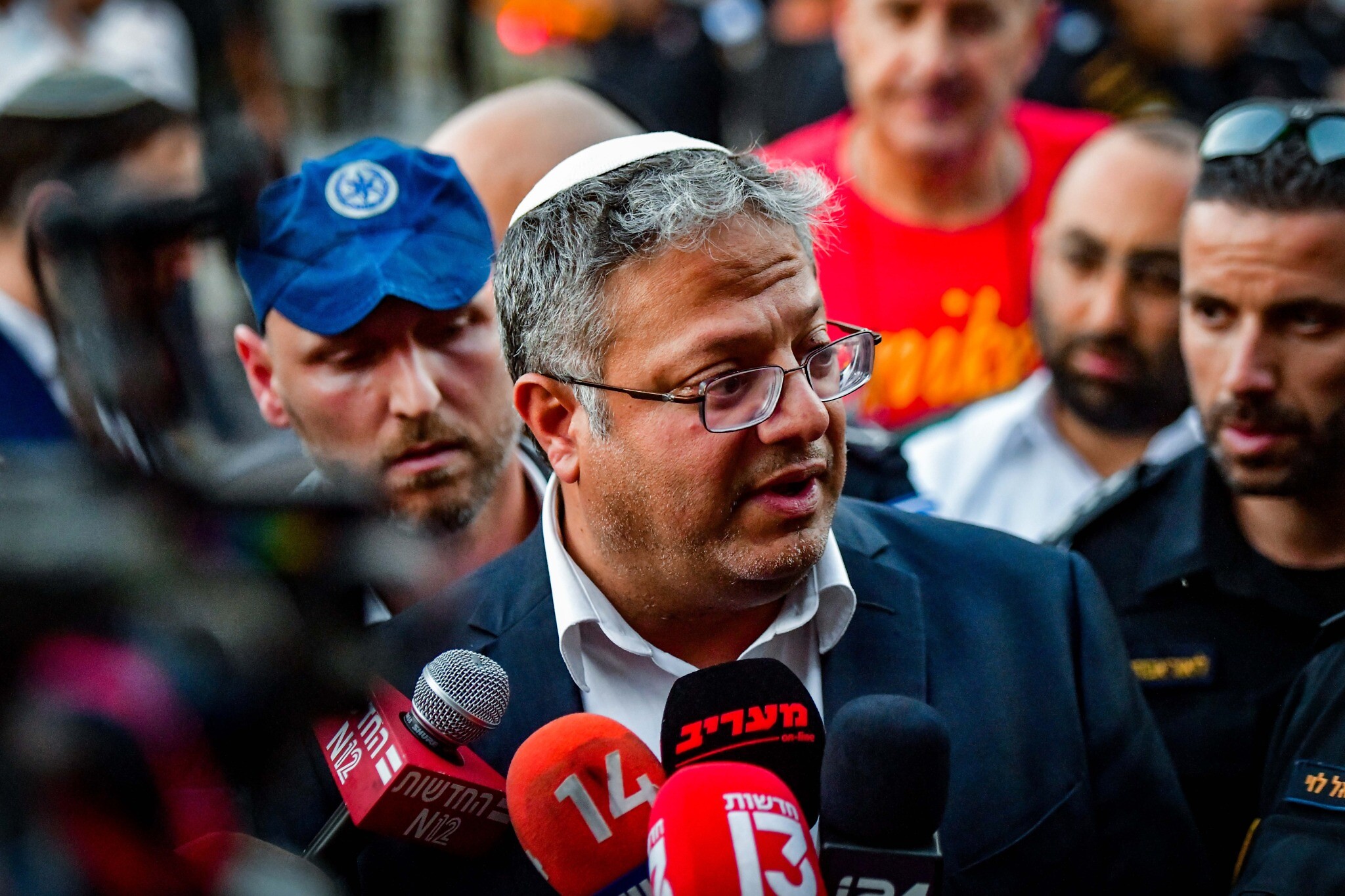
The minister denies acting for political gain, but his moves appear to have endeared him to residents of nearby Jewish towns.
“Ben Gvir truly responds directly, immediately, at any time,” said Nirdit Ben Ami, a bakery owner in nearby Meitar.
When heavy gunfire from the Bedouin city was heard in neighboring Carmit in mid-November, Ben Gvir hastened south in the middle of the night. He claimed without any proof that the shooting was terror-related, alleging that Bedouin criminals, angered by police’s removal of mosque loudspeakers, tried to take revenge by firing on the Jewish town from afar.
Ben Gvir met with Jewish residents of Carmit, then entered Lakiya flanked by a large phalanx of police. He quarreled with residents who happened to be on the street and motorists driving by before leaving.
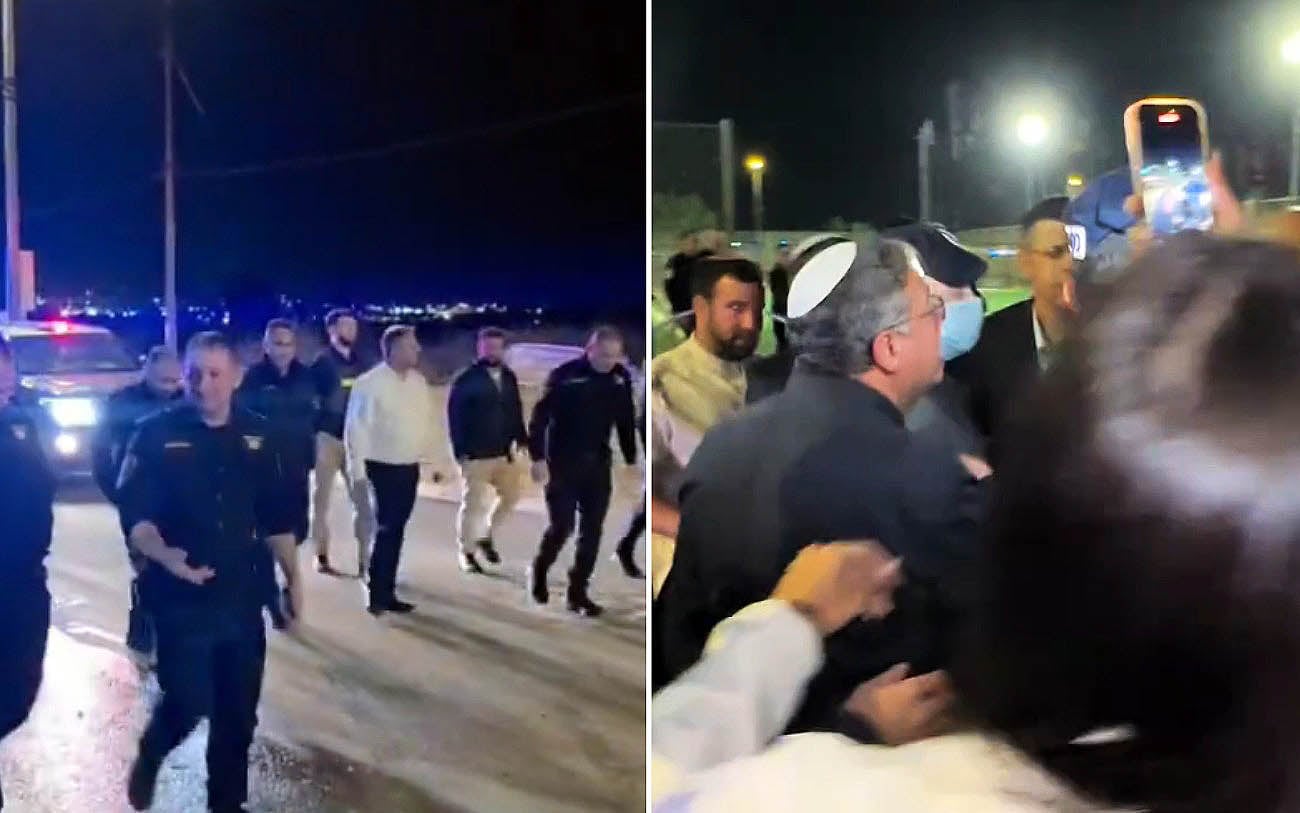
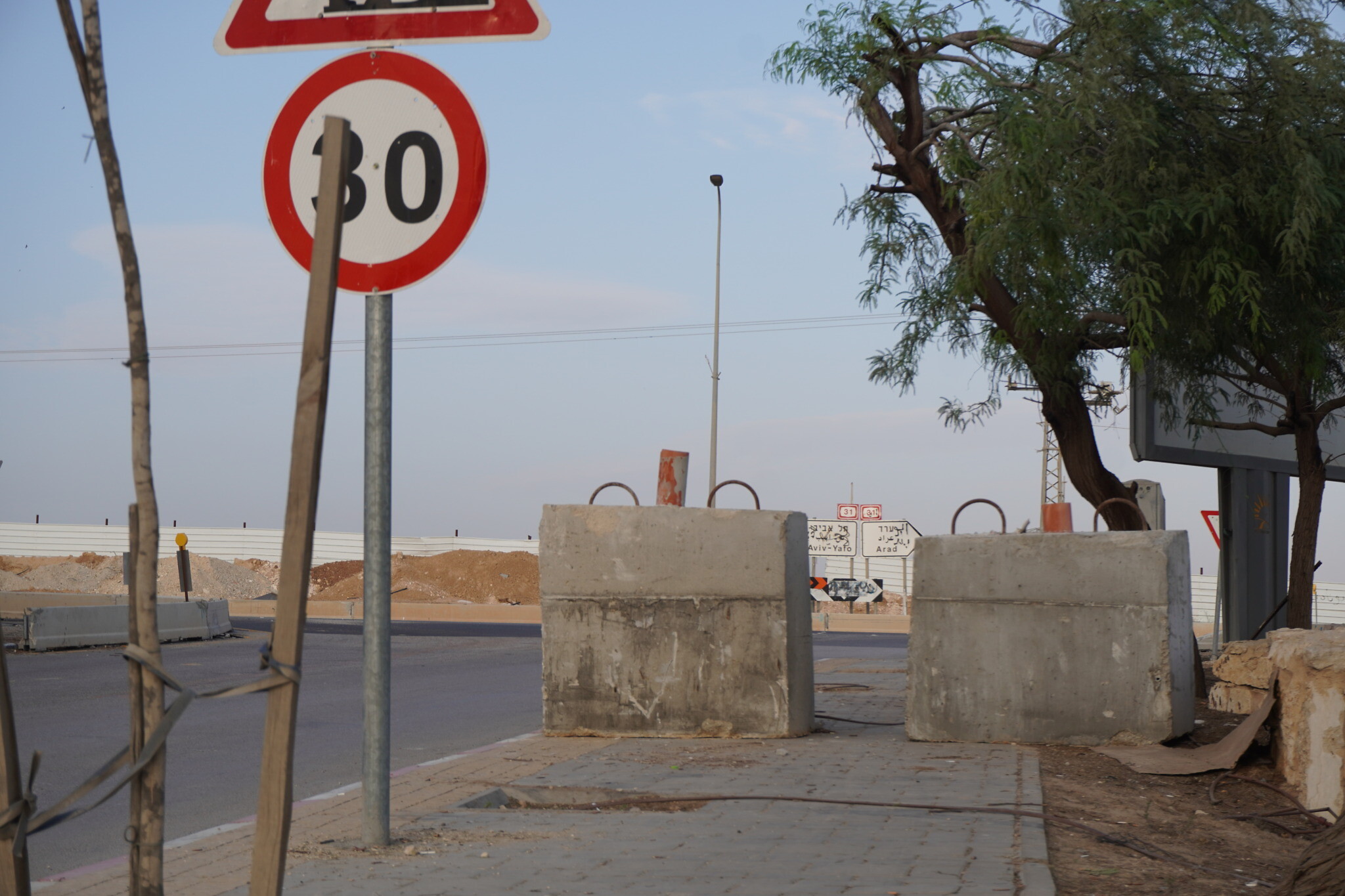
He returned days later, declaring himself the “landlord” of the Arab town and this time instructing police to block off the main road leading in and out of town with large concrete slabs, preventing vehicles from leaving or entering Lakiya.
The action was reminiscent of measures carried out by the military against Palestinians in the West Bank, or more rarely, in East Jerusalem. But this time it was being used against Israeli citizens inside sovereign Israel, effectively placing civilians he is charged with protecting under siege.
“This is the problem. We’re an Israeli town in every sense, in no way related to the West Bank, but he [Ben Gvir] comes to impose on us the reality that exists there. He came to tell people that they are just like Hebron,” said al-Asad.
Residents, including the head of the town council and Ra’am MK Waleed Alhawashla, pushed aside the concrete blocks, which still stood on the sidewalks near the town’s main entrance a day later.
Alhawashla, from the Bedouin village of Mulada, is the politician who has put up the stiffest opposition to the Ben Gvir’s operation. When the minister walked down Lakiya’s main street with his entourage, Alhawashla was also there denouncing the minister as a racist. In response, Ben Gvir tauntingly shouted barra, Arabic for “out,” at the Arab politician.
“All Negev residents are interested in the fight against crime, but Ben Gvir wants to fight Bedouin society, not criminals,” Alhawashla told The Times of Israel, claiming that the minister comes to the Negev not to talk to residents and local politicians but to “argue with them in front of the cameras and shout that he is the ‘landlord.'”
Ben Gvir, in his eyes, is “not trying to catch criminals, but humiliate citizens.”
Martial law
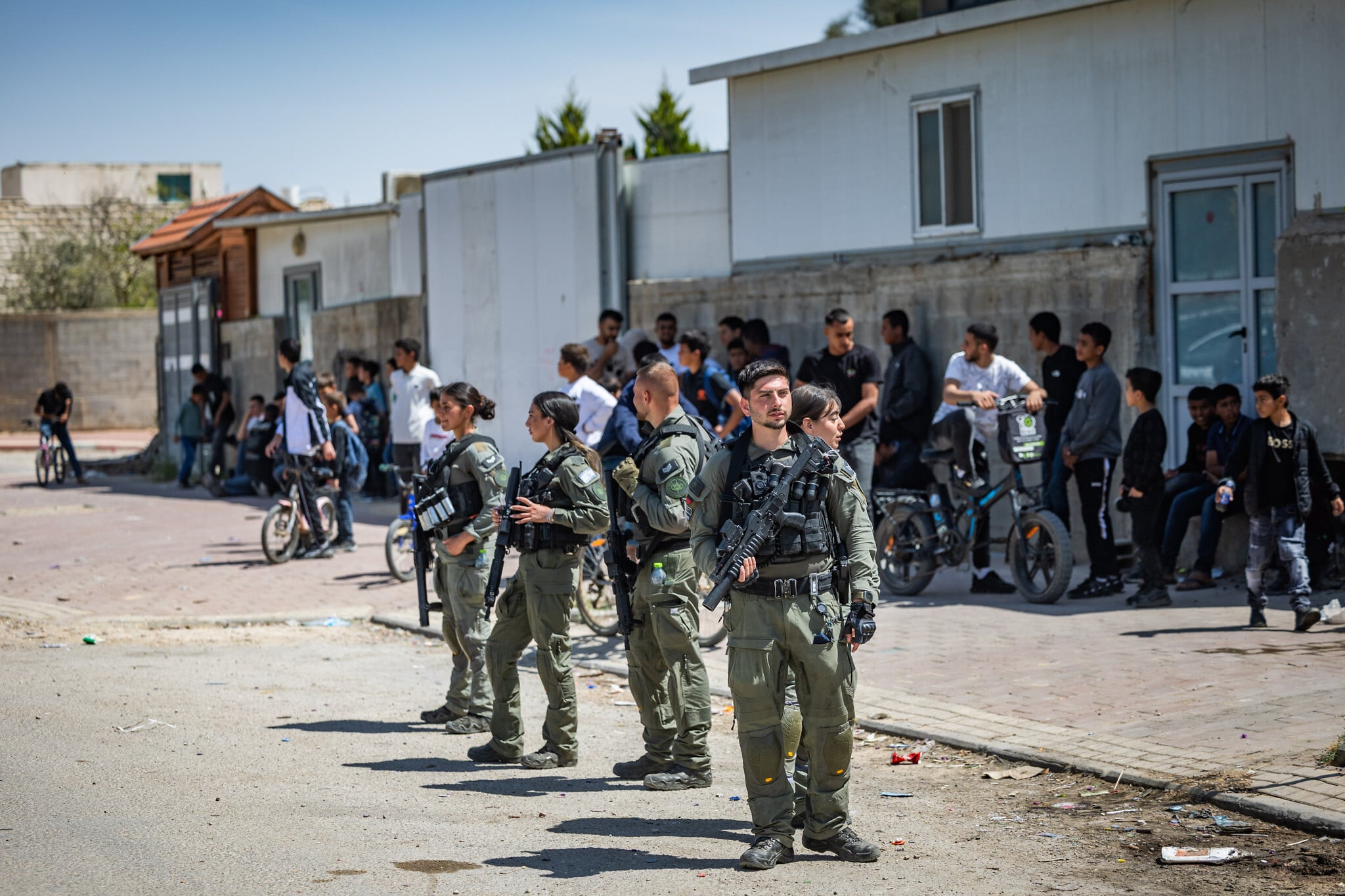
But beyond the cinderblock stunt, police say they are doing much more to combat crime in Lakiya and other Bedouin towns in the area, announcing arrests of over 100 suspects since the operation was launched, with at least 40 indictments filed in the last three weeks.
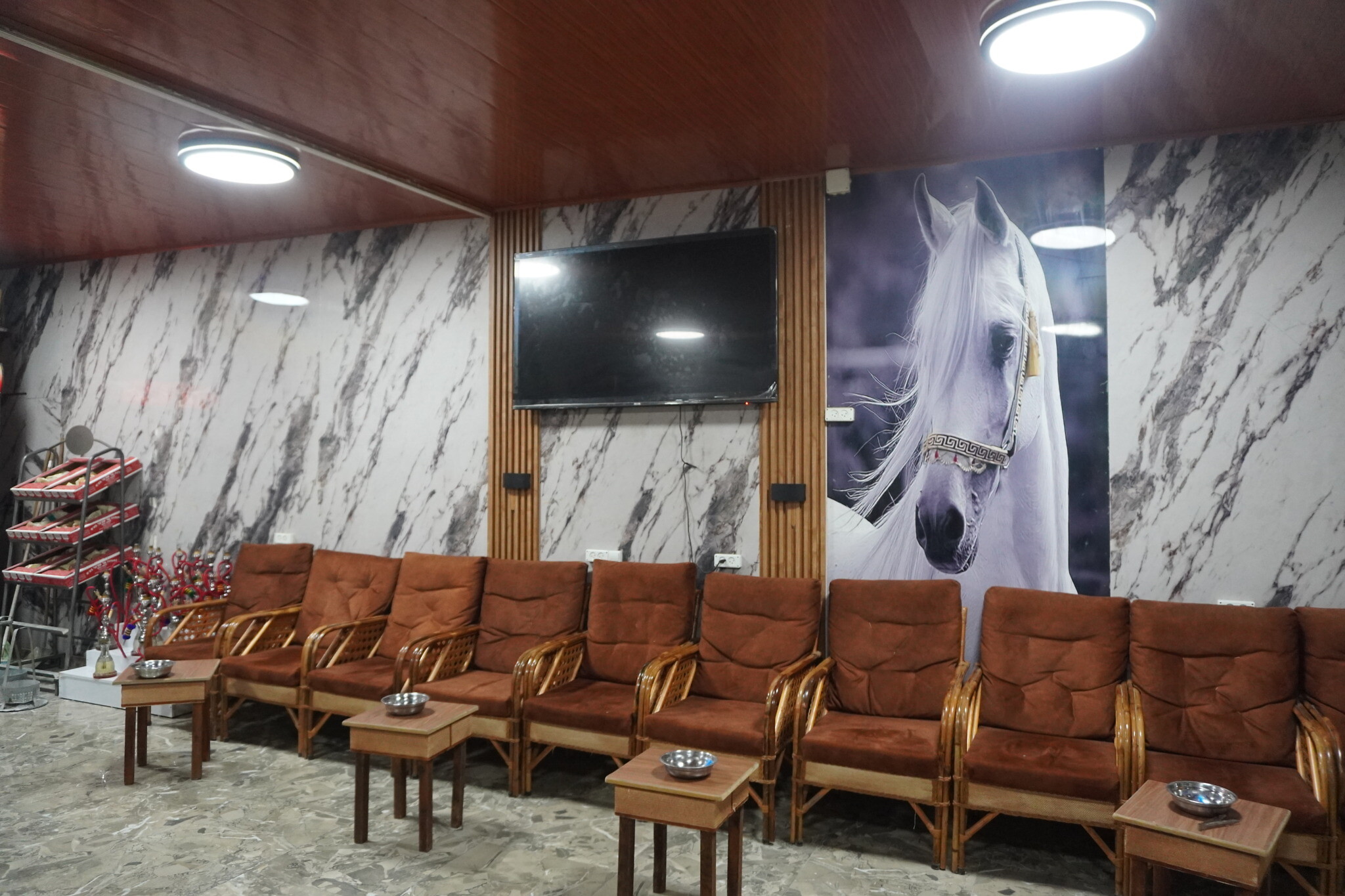
But residents say they feel like West Bank-style enforcement is encroaching on their towns in the Negev. After a raid on a cafe in the Bedouin town of Hura, several patrons who had witnessed the scene told The Times of Israel it was like an army raid on a Palestinian refugee camp.
Closed circuit TV footage of the raid, one of several in the city overnight between December 2 and December 3, showed heavily armed officers in military gear standing amid overturned chairs and tables, yelling at about a dozen men lying prone on the ground with their hands behind them.
Eyewitnesses told local outlet Yom Albadya that officers hurled stun grenades into the establishment and a police helicopter whirred overhead during the operation. Anyone inside was handcuffed with zip ties and made to lie on the cold ground.
Police and Border Police officers raid a cafe in the Bedouin town of Hura, in southern Israel, at midnight on December 3, 2025. (Ishaq Abu al-Qi’an/Courtesy)
One eyewitness told local media that the raid was a “dangerous precedent of martial law,” adding that police “lay the men on the street, tied people outside — without a warrant or reason.”
Another said that officers would beat anyone who tried to ask a question during the two-hour affair.
No arrests were made in the cafe, according to the owner and Hura’s deputy council head Ishaq Abu al-Qi’an.
Police have not yet responded for comment on the raid, but said in a more general statement that officers managed to seize six army-grade weapons while operating in Hura on the day of the raid.
Legislation currently moving through the Knesset has lent credence to the feeling that Arabs in crime-wracked locales are being subject to harsh anti-terror tactics. In October, lawmakers began advancing a bill to allow the national security minister to designate certain crime syndicates as terror organizations. Some fear the bill would allow police to use terror-fighting tactics against normal civilians, not just lawbreakers.
Speaking to The Times of Israel, Abu al-Qi’an expressed support for “regular ongoing police activity and the maintenance of public order, the state’s authority and the rule of law” in the town, but said the police actions in Hura had been “vengeance and looting under the guise of imposing authority.”
In a statement to The Times of Israel, Ben Gvir contended that the operation is a much-needed change for residents in the Negev and denied that it was declared because of elections next year.
“Unlike other places, we do not operate according to election constraints. In Otzma Yehudit we work around the clock,” his office said.
“It’s maybe not so pleasant for some of the residents, but there is no choice. We are bringing a new order to the south with home demolitions, the national guard, traffic fines, [and] fines on noise from mosques,” his office continued. “You’d be surprised, but a great many Bedouin residents in fact love what we are doing and know that governance is important.”
Yet crime persists. On December 3, four young men were injured in a knife fight in Rahat, a nearby Bedouin city. That came hours after a 19-year-old was shot and seriously injured in Kuseife. And on Sunday, a man was stabbed to death in Segev Shalom, a Bedouin community near Beersheba.
According to the Abraham Initiatives monitor, the slaying brought the number of Arabs in Israel killed this year to 239, significantly higher than last year’s record toll.
‘Tied down by criminals’
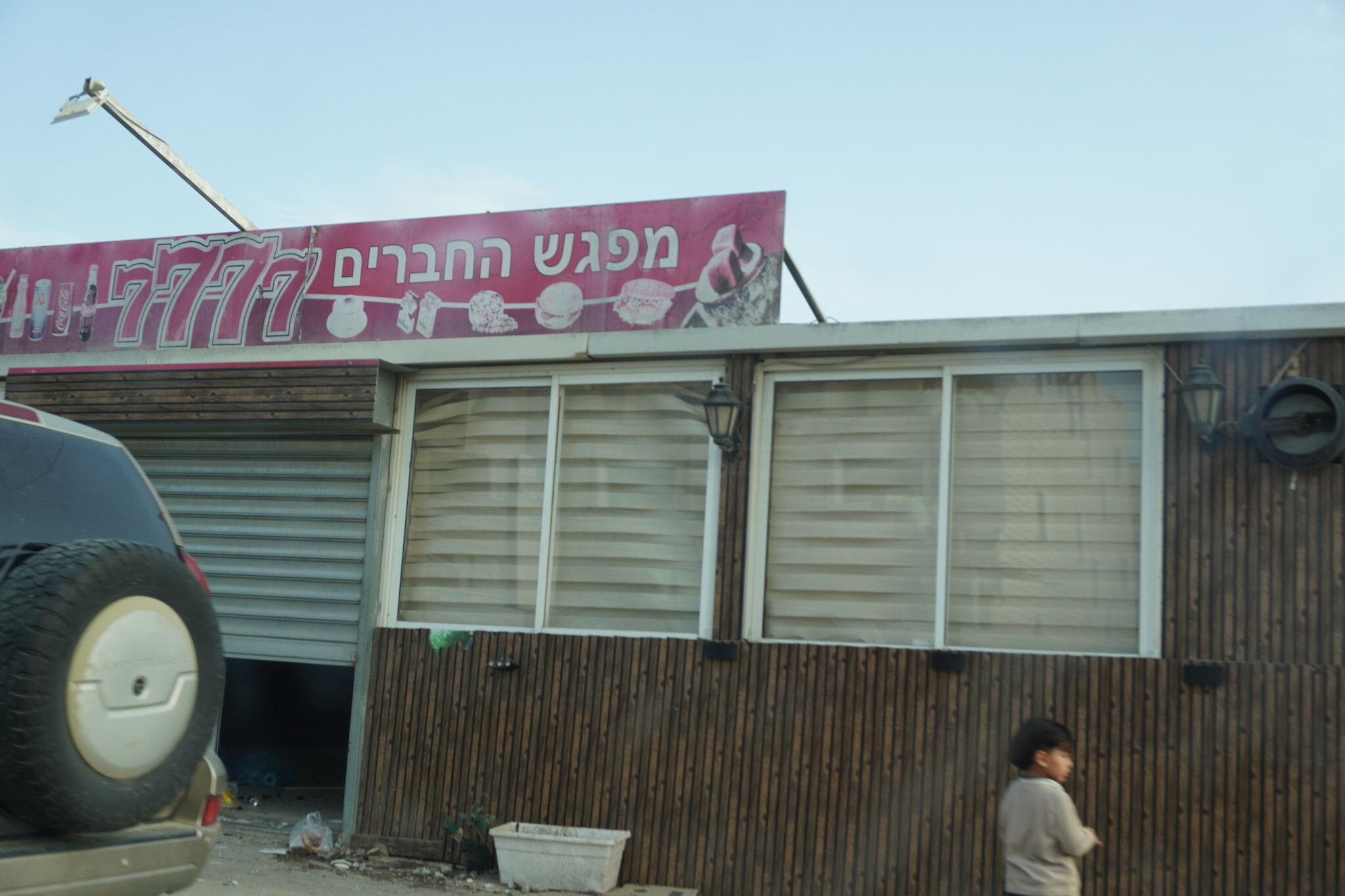
In Lakiya, plenty of blood has been spilled along just the main street of the town. Driving along the road, al-Asad pointed to sites where murders had taken place. A mother and father were killed in front of their son near a traffic circle in a family dispute. The son of a cafe owner was shot outside the establishment, leading it to shutter indefinitely.
On a dirt path that splits off from the town’s main road, a large school stands empty, one of three high schools in the city of 18,000. For around a week, over 800 high school students have avoided coming to classes ever since a shooting took place near the site, spurred on by a blood feud between two branches of an extended family.
“This has caused a lot of harm, the fact that people here aren’t in school and instead sitting at home with nothing to do,” said al-Asad.
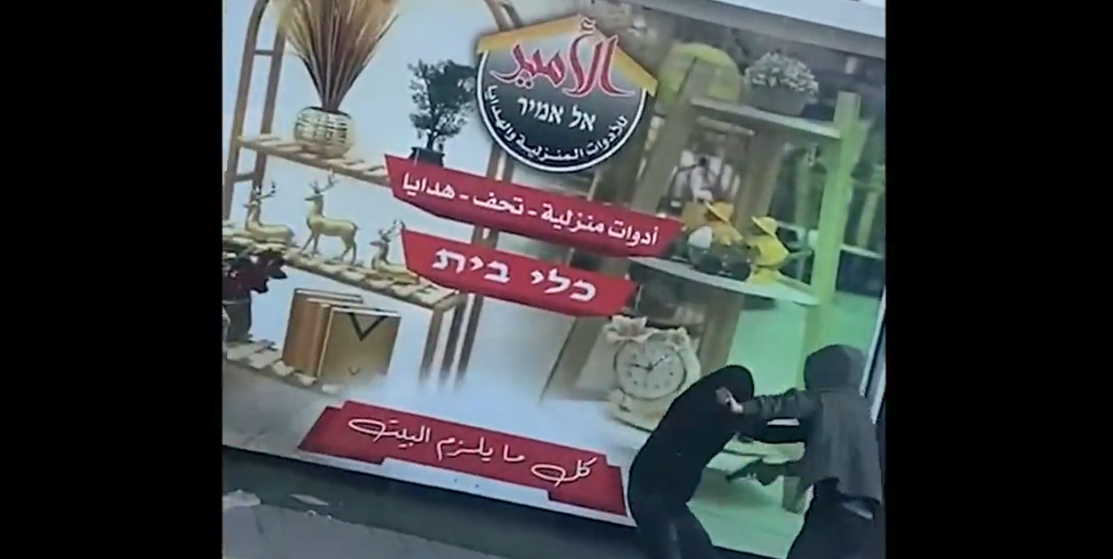
Lakiya’s city hall has been attacked twice this year, apparently by criminals attempting to gain control of construction contracts. In the first incident, suspects threw grenades into the offices, causing extensive damage. A few months later, the building was shot up with a stolen Israel Defense Forces-issued machine gun, according to authorities.
Al-Asad said municipal officials were “extremely tied down by the criminals in the community” making it impossible for local government to do its job.
“But also the government and Ben Gvir don’t support the local politicians; they just come and add more to the burden,” he added.
The violence has aggravated what al-Asad describes as deteriorating ties between the Bedouin locales and Jewish neighbors since the October 7, 2023, Hamas-led attack on southern Israel, and has only been exacerbated by what he characterized as Ben Gvir’s attempts at fearmongering.
He has seen the change up close each morning, driving daily to the gym in Meitar, a small Jewish town just up the road. “They set up those yellow gates, just like they have in the Gaza border communities, and they brought in tons of police and Border Police troops near the entrance — it put people into a panic,” he said.
‘He’s really taken action’
At a shopping center in Meitar, a town of some 12,000 residents that sits a few kilometers from Lakiya and the Bedouin city of Hura, October 7 remained at the front of residents’ minds during a recent visit.
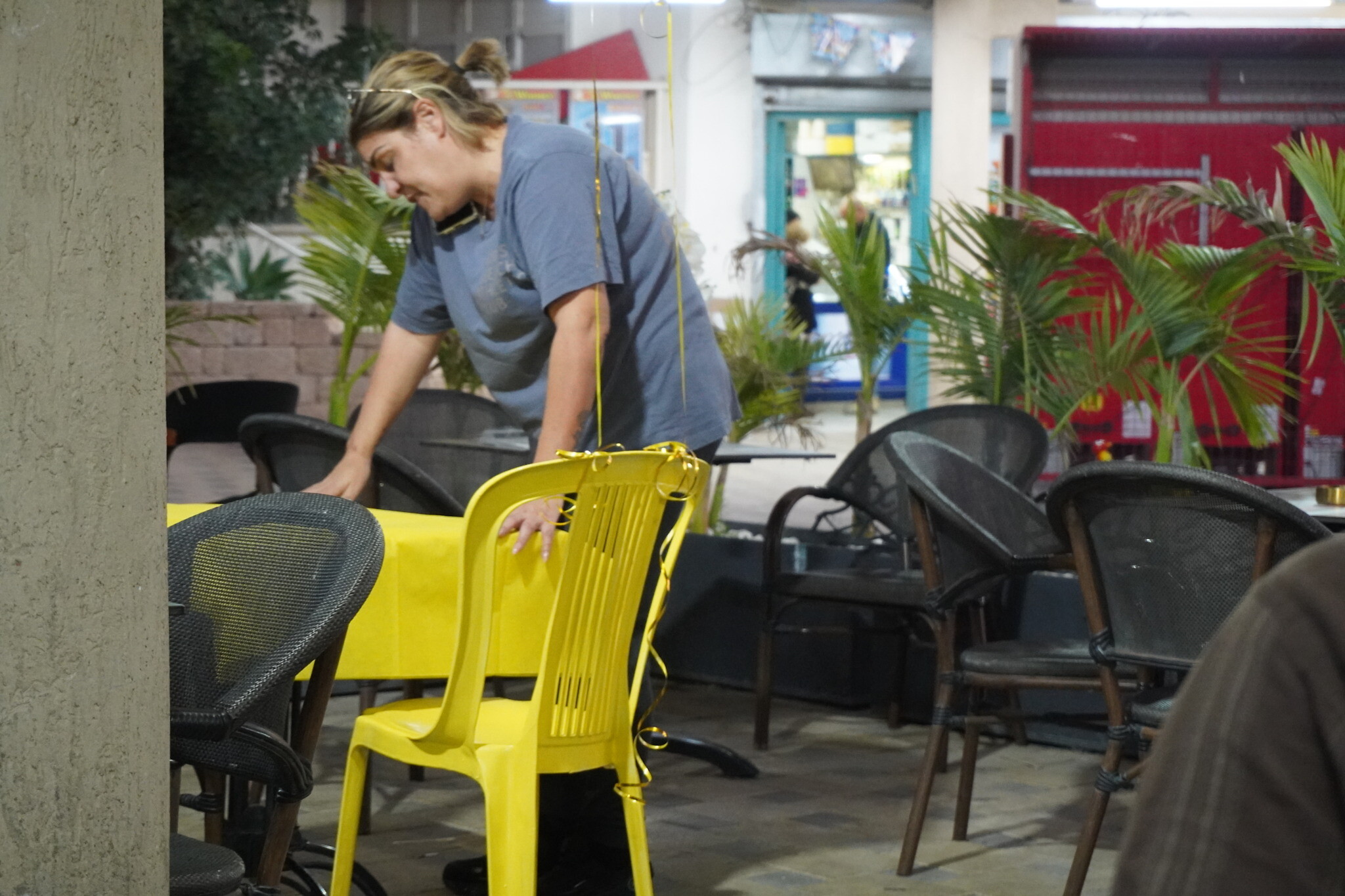
Ben Ami, the bakery owner, was rushing back and forth to her car just before sundown, chatting with customers while putting together a display outside her establishment: a yellow chair at a table with a yellow tablecloth adorned with yellow balloons.
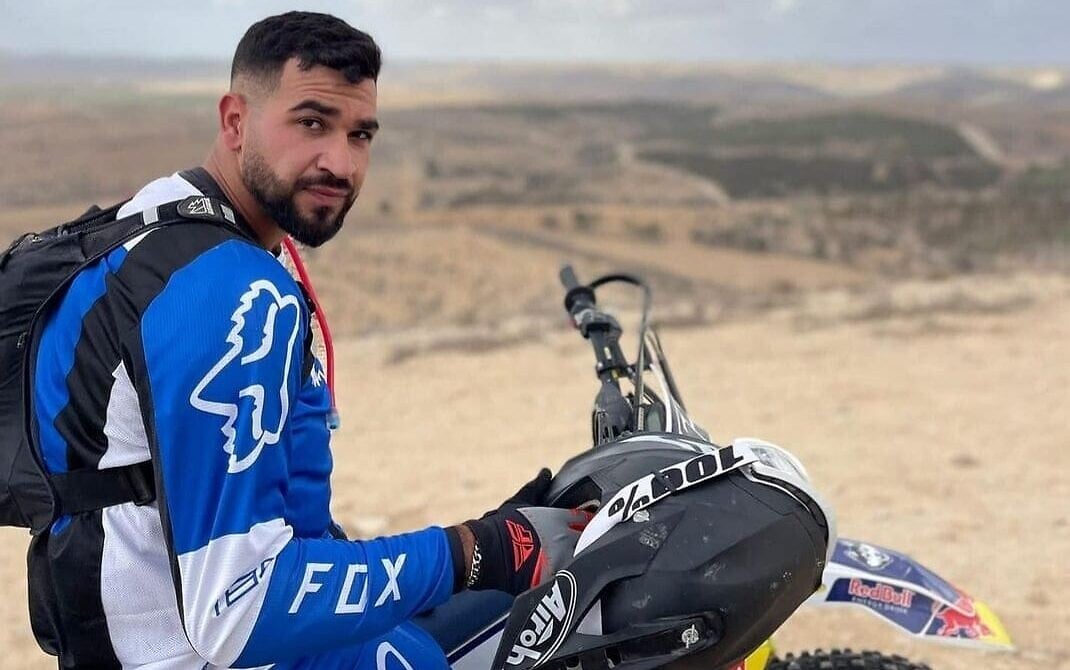
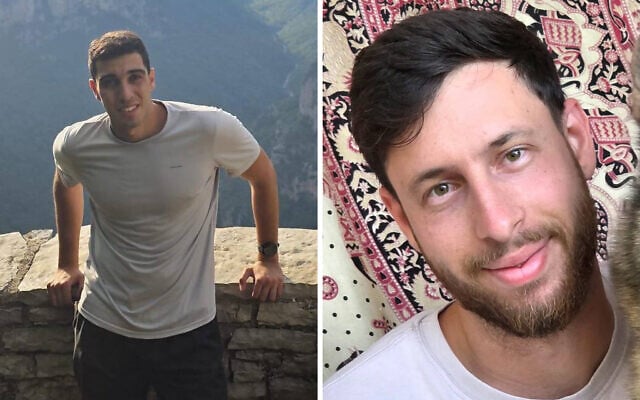
In the chair, she placed a portrait of Ran Gvili, a Meitar resident who is the last remaining deceased hostage held by Hamas in the Gaza Strip.
Gvili, a 24-year-old member of the Yasam police counter-terror unit, rushed to front lines on October 7 despite injuries sustained in a motorcycle crash days earlier. He was killed while battling Hamas in Kibbutz Alumim, and his body was abducted to Gaza.
“I’ve known him since he was a boy, he would come often to the bakery. He was a good kid. On Thursday, two days before October 7, he was here. He came and bought some loaves of bread; we spoke about how he needs to undergo a surgery on his shoulder,” she said.
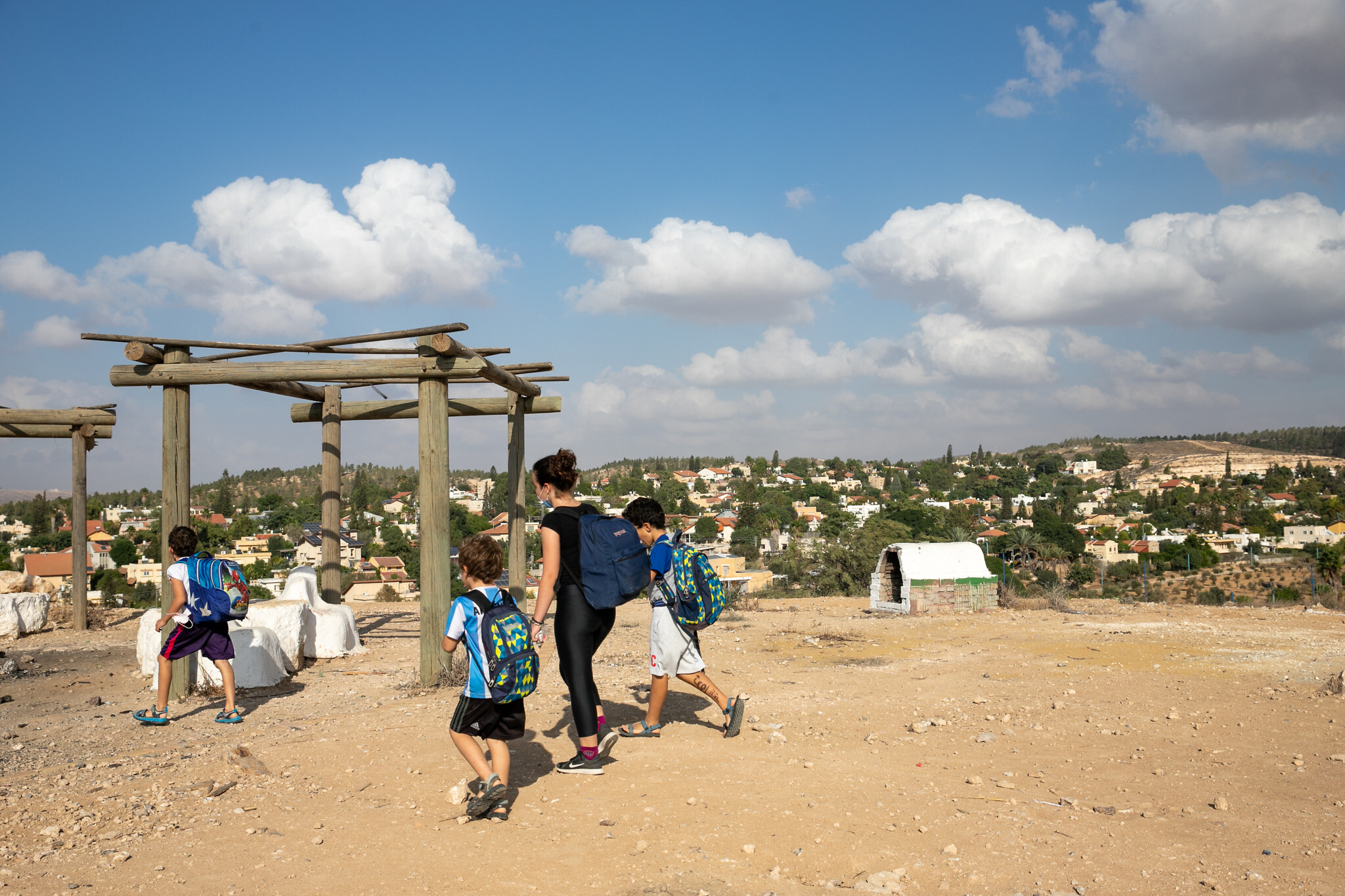
Ben Ami lives in the Rabin neighborhood, in the southernmost part of Meitar, which is just over a kilometer (about 0.7 miles) from the Bedouin town of Hura. Though she hasn’t been directly affected by the violence, she said she hears gunfire nearly every night from her home.
She also hears from Ben Gvir, who she said regularly converses with residents in a local WhatsApp group.
“He’ll come at any hour, any hour of the night, it doesn’t matter when,” she said.
Ben Ami claimed that there were “fewer hooligans on the roads” since the launch of the police operation, and noted that Ben Gvir had been receptive to complaints about calls to prayer over mosque loudspeakers which, she said, had “really increased in volume recently.”
Despite the far-right minister’s claims, she wasn’t convinced that the surging crime was terror-related. Still she admitted she was considering switching her vote from Likud to Ben Gvir’s Otzma Yehudit in the next elections, currently scheduled for October 2026.
“Honestly, I mainly support Bibi,” she said, using a nickname for Prime Minister Benjamin Netanyahu, who leads Likud. “But if Ben Gvir were to run, I think that I would support him. He’s really taken action.”




The Times of Israel Community.