

Fallen soldier who took 150,000 photos memorialized in Jerusalem exhibit for youth
20-year-old Lavi Lipshitz captured tens of thousands of intimate moments on the Israeli street in photos now on display nearly two years after he was killed in Gaza
 Add ToI as a Preferred Source on Google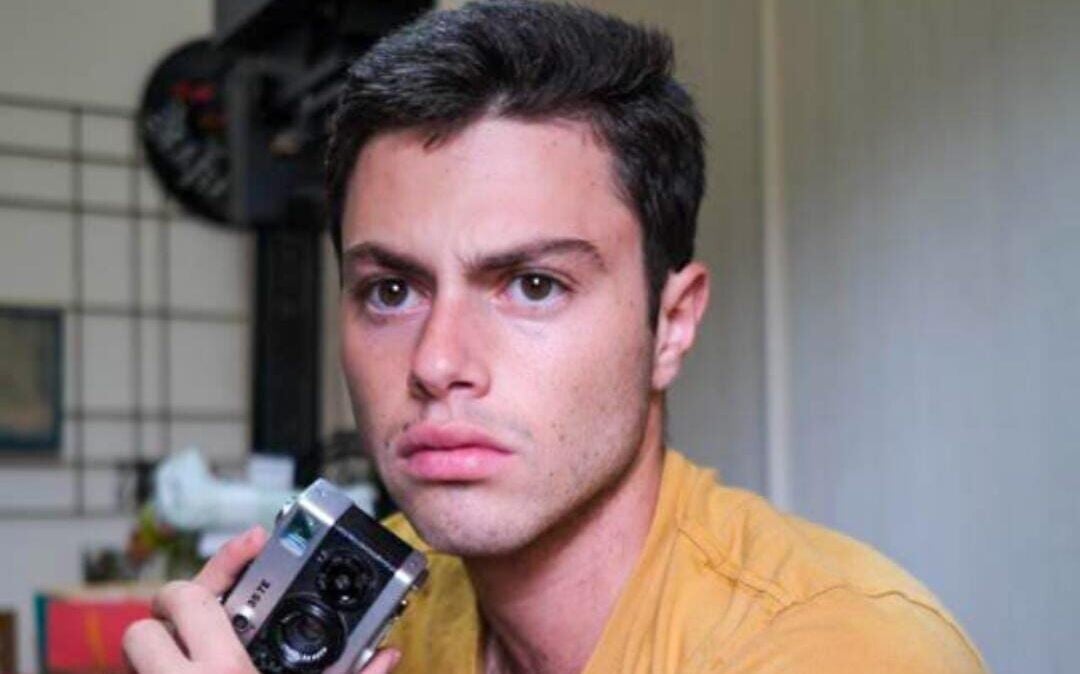

Lavi Lipshitz had taken some 150,000 photos before his life was cut short in Gaza nearly two years ago. The 20-year-old, who never went out without his camera, left behind a trove of his work, which is now on display for the first time in Jerusalem.
The Givati soldier was the first to be killed after being struck by Hamas RPG fire on October 30, 2023, during Israel’s initial ground invasion of the Strip following the terror group’s October 7 massacre.
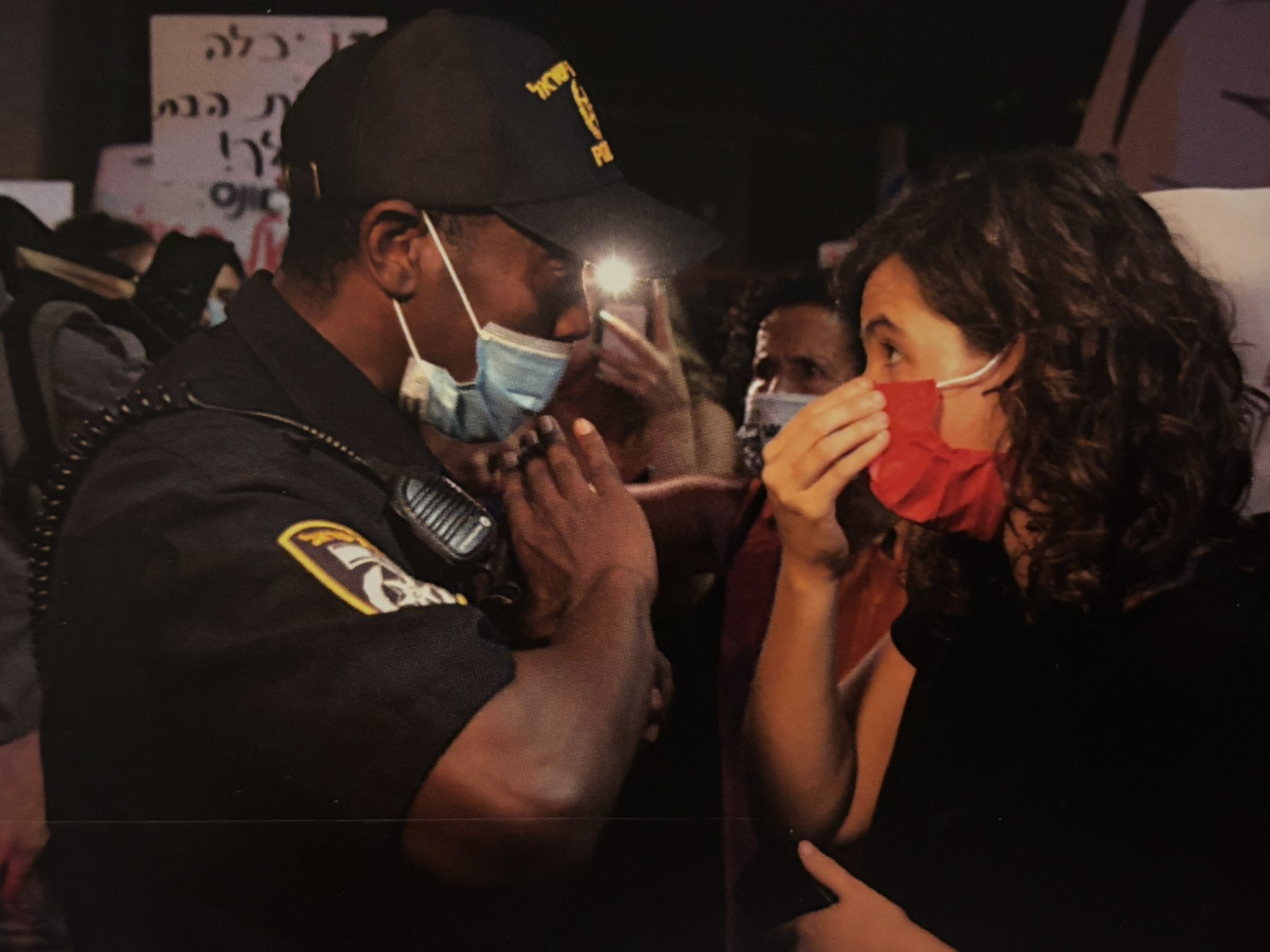
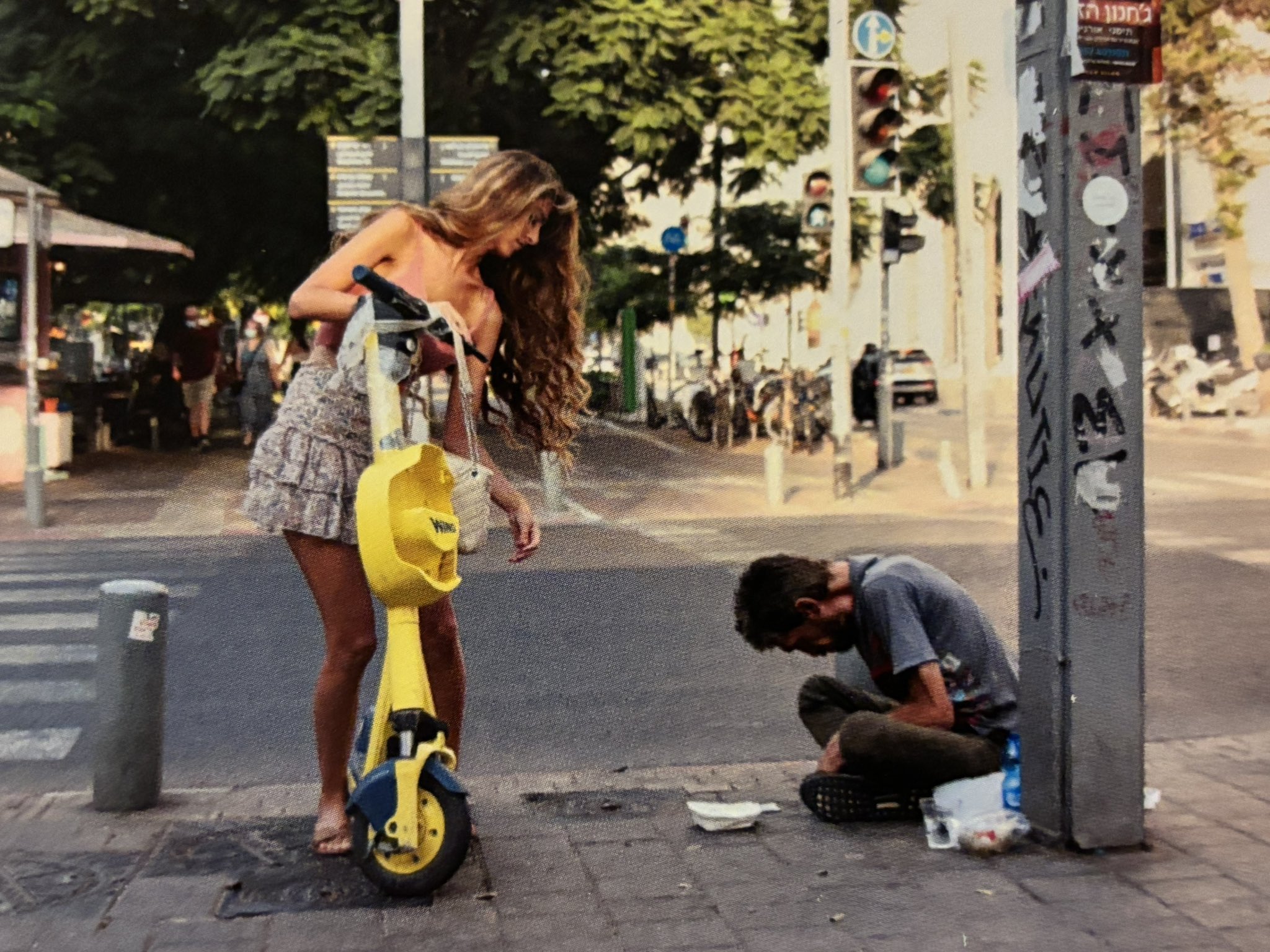
Since Lipshitz was first given a camera at age 12, he managed to capture intimate, fleeting moments as a street photographer — a woman dismounting her scooter to greet a homeless man on the street, a masked protester locking eyes with a policeman during a demonstration, a train breezing past shadowy silhouettes seated side-by-side on a station platform.
These images and hundreds more form a roadmap for Lipshitz — as a person and an artist — and are on view through April 2026 at the Djanogly Visual Arts Center in southern Jerusalem.
Though he gained posthumous renown for the photos he posted online from his army service, until now, Lipshitz’s earlier work had remained in an unopened computer file his parents were reluctant to access.
Soon after his death, Jerusalem-based curators Hila Timor-Ashur and Guy Biran contacted Lipshitz’s parents with the idea of an exhibit to showcase his work, but the loss was too fresh.
“We needed more time,” said Shlomit Lipshitz, Lavi’s mother, to The Times of Israel.
In May this year, the curators once again reached out to his family with a specific goal in mind: to bring their son’s work to a younger audience.
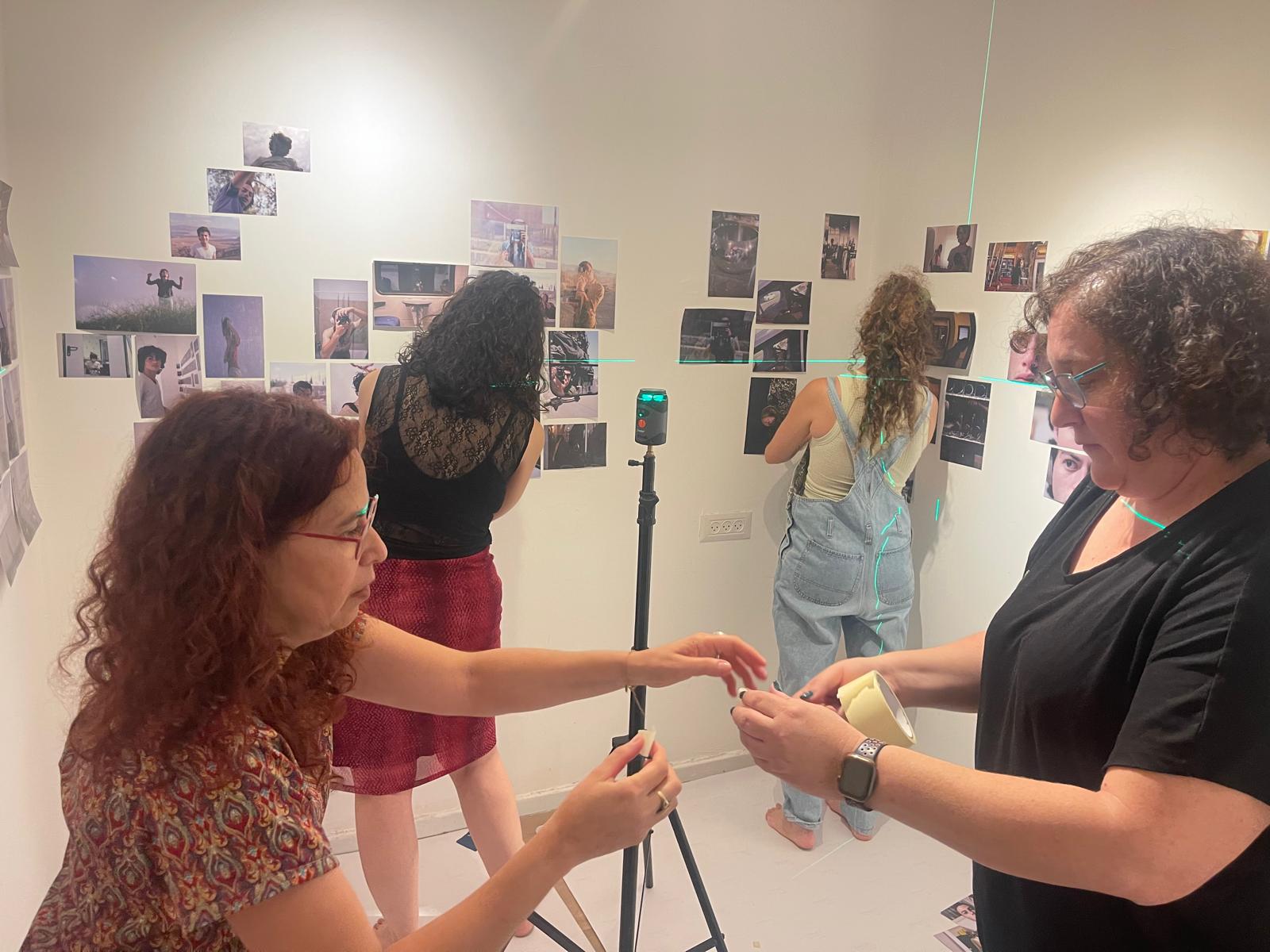
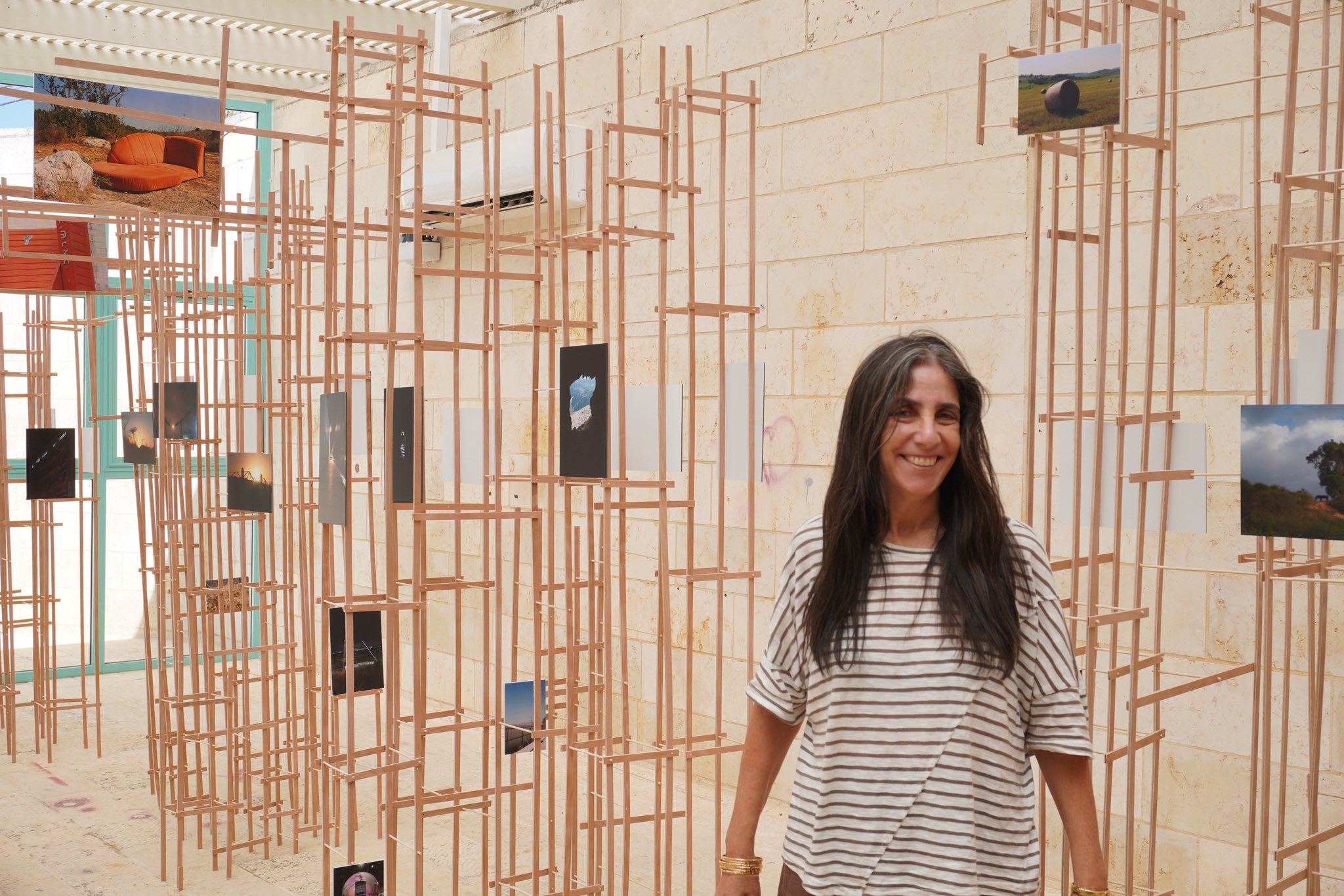
The resulting exhibit is located in an unassuming building in southern Jerusalem that houses a gallery geared towards youth. It is split into three small rooms that each contain hundreds of photos.
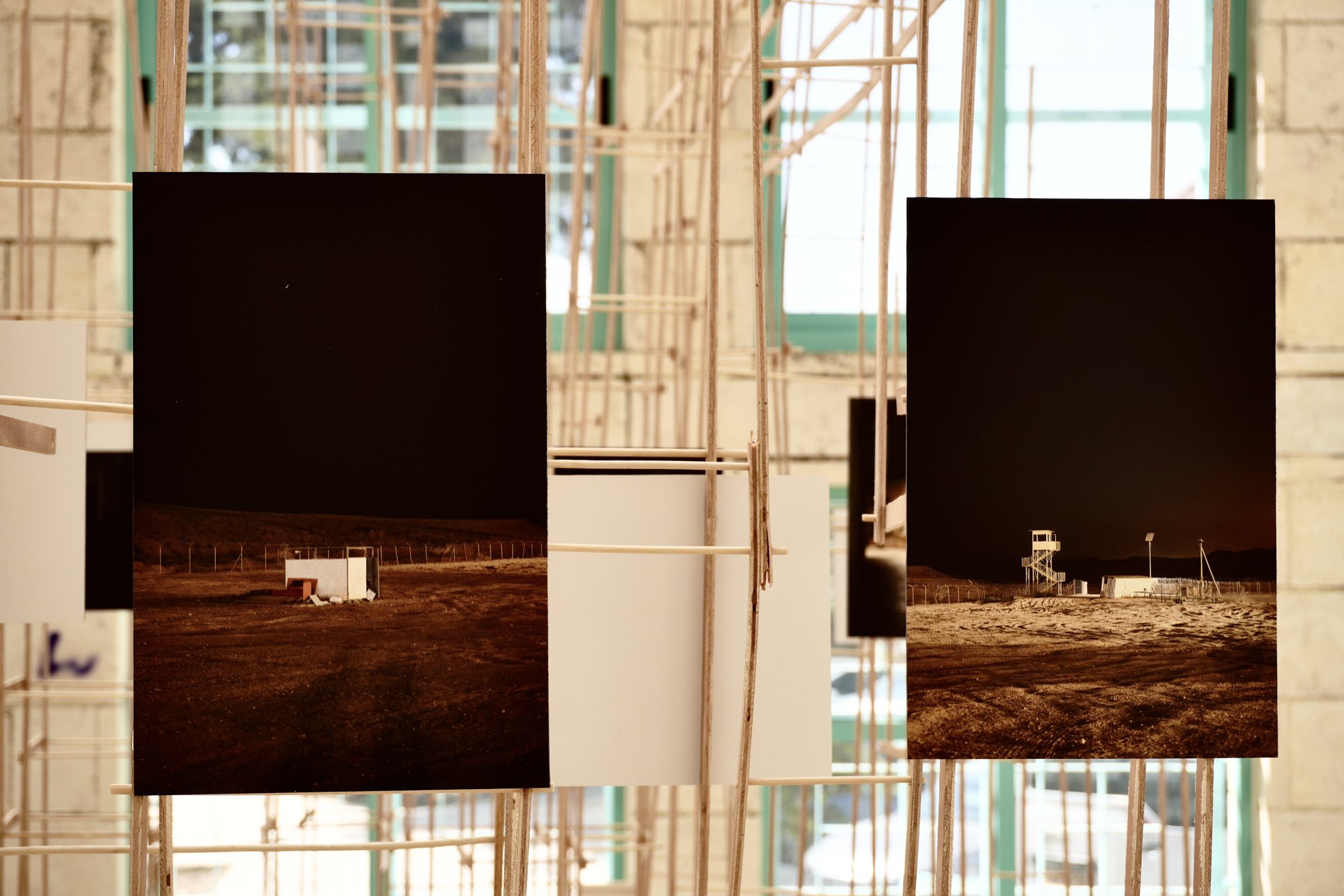
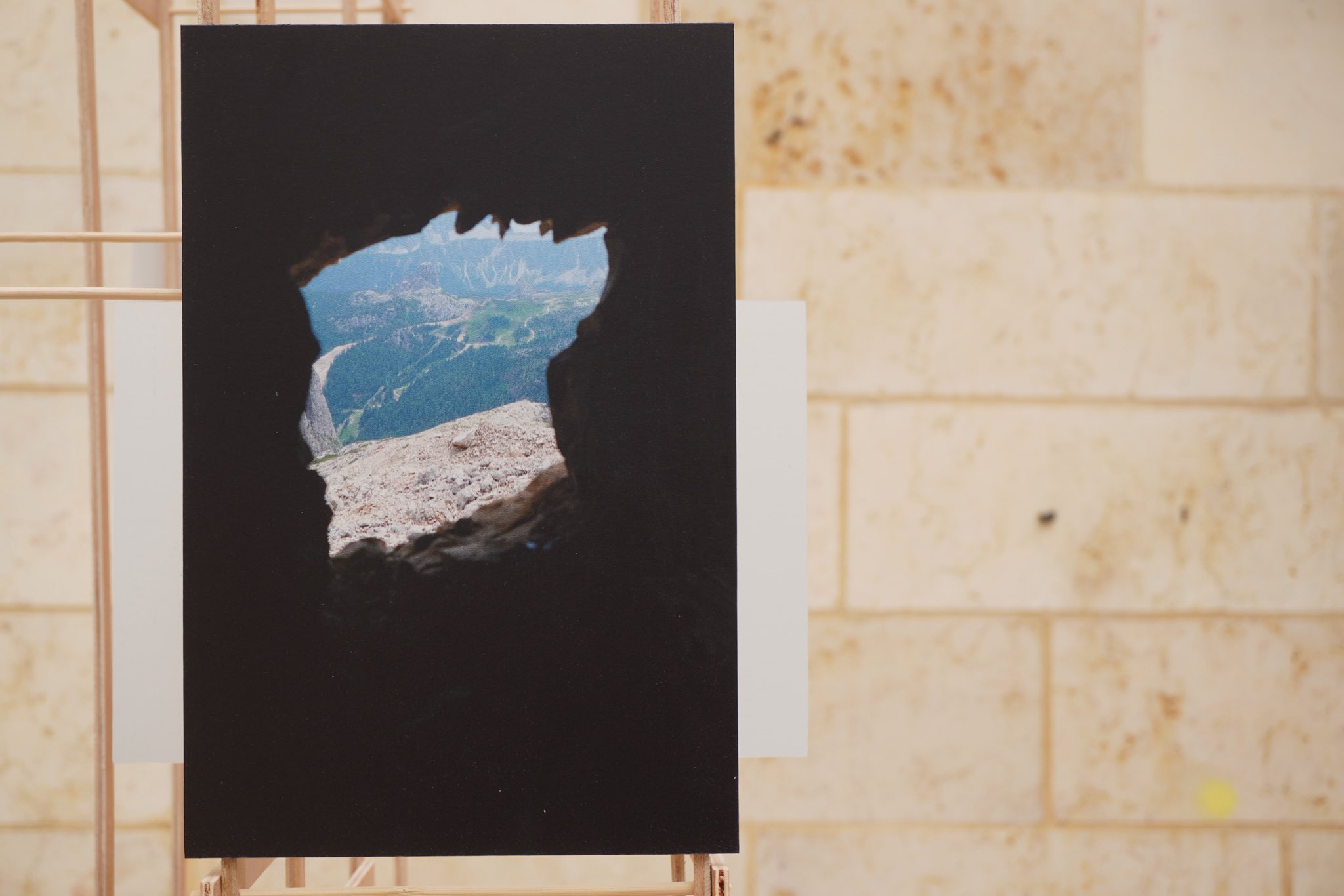
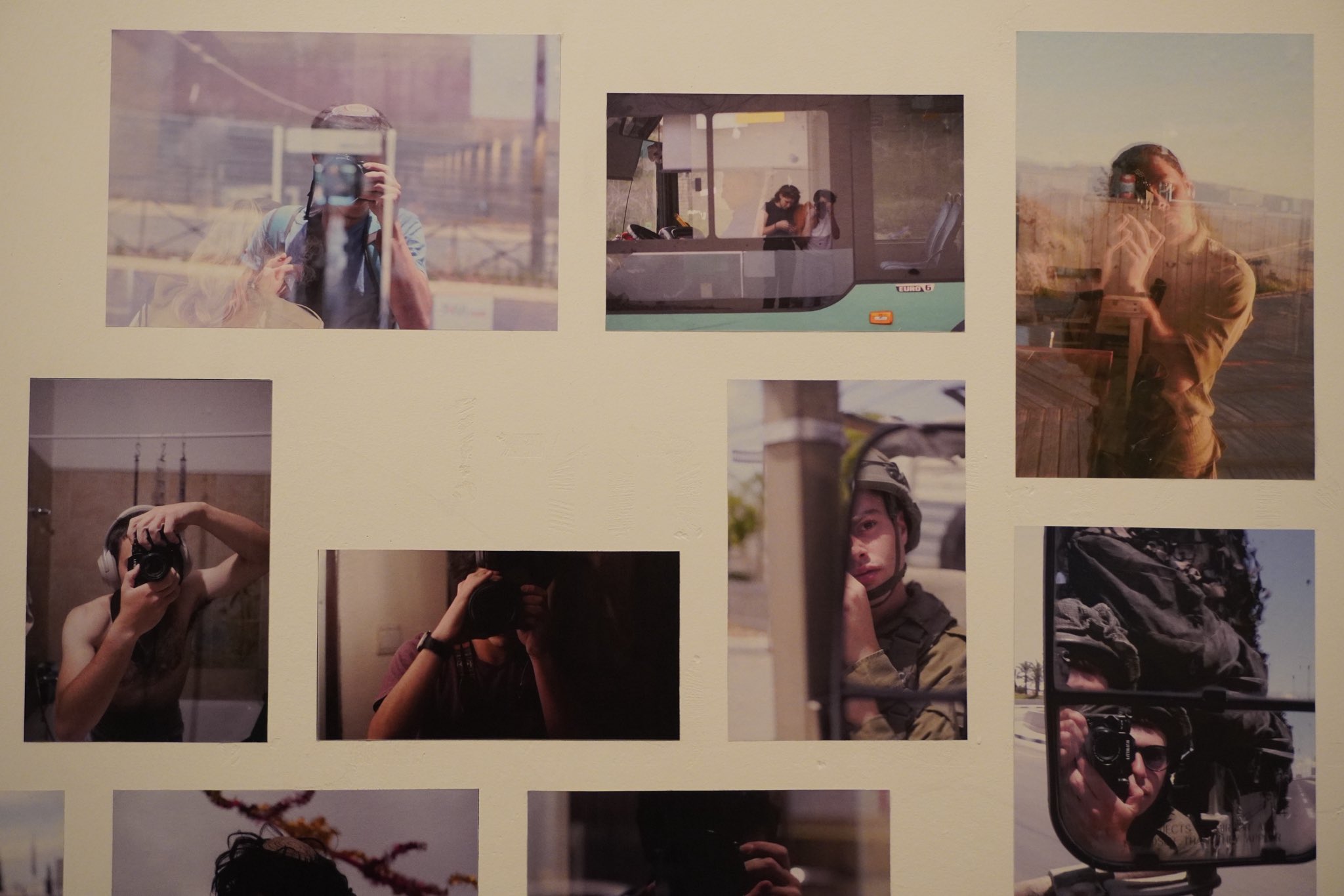
Upon entering, one is met with rotating images of Lipshitz’s street photography projected onto darkened walls. To the right is a smaller room filled with the slain soldier’s self-portraits, and to the left is a sunlit space with dozens more of his abstract and landscape works posted on wooden fixtures.
“He had many photos in which he searched for the light, for the right angle, so we took that and went with it,” said Timor-Ashur. Recurring in his work are photos of lonely buildings glowing at night and dark, cavernous spaces with crevices emanating light.
He also took hundreds of self-portraits — close-ups of his face, himself in uniform or playing guitar in his room. Tiny mirrors are scattered between the photographs, meant to inspire young exhibitgoers to identify with the slain soldier.
“As a child, he was able to find his way of expressing himself from a very young age,” Timor-Ashur said. Part of the curators’ goal with the exhibit was to send a message to adolescents that they, too, can turn their creative hobbies into serious pursuits, as Lipshitz did with his photography.
Getting into Lavi’s head
When Shlomit and her husband Nitzan agreed to the proposal for the exhibit, with some hesitation, they delved into their late son’s digital collection for the first time. It consisted of 141,181 photos taken during the last eight years of his life.
The experience was “stomach-churning,” his mother recalled.
“It was a very complicated act to log into Lavi’s computer and access the files of his photos from middle and high school. Every single photo brings back memories and creates an encounter between us and him,” Shlomit said. “We were getting inside his head, to understand how he thought, what he saw.”
Though taxing, the process only reinforced what Shlomit knew about her late son, as she rediscovered just how deeply he perceived the world.
“The boy’s canvas was so wide. He always wanted to do, create, develop and learn. His curiosity constantly propelled him forward,” she said. “He loved the subjects of his photographs. He dealt with people from the fringes of society; he wanted us to see them, not to ignore them.”
Lipshitz devoured books on photo theory in an effort to hone his craft, reading Susan Sontag’s “On Photography” and Roland Barthes’s “Camera Lucida” several times over. He wouldn’t go a day without using his camera, and often revisited the same visual themes over the course of years.
The daunting task of sifting through Lipshitz’s work fell upon the curators, who, over the course of months, were able to narrow down the vast collection to 4,000 photos for his parents to choose from.
“The special thing about him is that he was present in so many human moments, but he didn’t disturb them [his subjects]. People allowed his camera’s gaze and weren’t afraid of him,” said curator Timor-Ashur. “He captured very special and loving moments of Haredim, beggars, foreign workers — groups of people that weren’t necessarily his neighbors.”
Shlomit called the process of selecting the photos a “win-win” for both the family and curators. “The feeling was that they understood him so well from the photos he took, even though they didn’t know him a day in his life. That told me that his art and his person were one and the same — he was his work,” she said.
‘Till When,’ a chronicle of army life
Lipshitz’s passion for photography landed him at the Israel Arts and Science Academy, a Jerusalem boarding school for academically gifted high schoolers, where he majored in art. Many of his photos were shot in the capital.
The transition to army life after graduating was “very complicated,” his mother recalled. “It was completely different from what he knew from school. It took a lot of time until he understood army speak; he was an artist in his soul.”
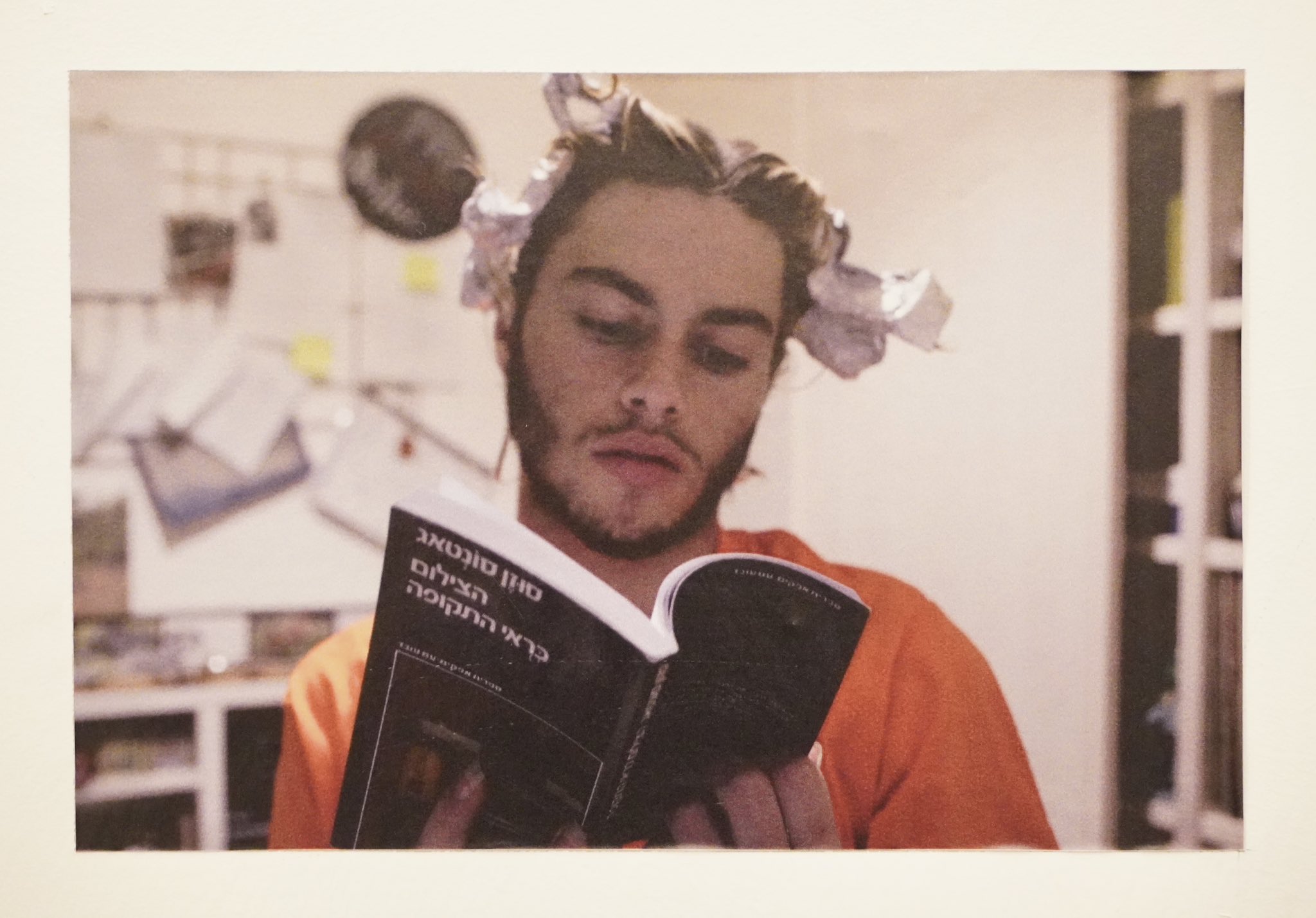
The young man hadn’t planned to join the IDF in a combat role and instead wanted to be an army photographer. But the plan didn’t pan out, and he soon found himself stationed in the West Bank as a combat soldier, his mother said.
“But he didn’t stop taking photos; there wasn’t a single moment during his position in the army that he gave up on himself,” she said.
During his military service, Lipshitz opened an Instagram account under the name “Till When,” where he posted his photos depicting army life. After his death, Israelis flocked to the page, posting replies under his photos and turning his account into an online memorial.
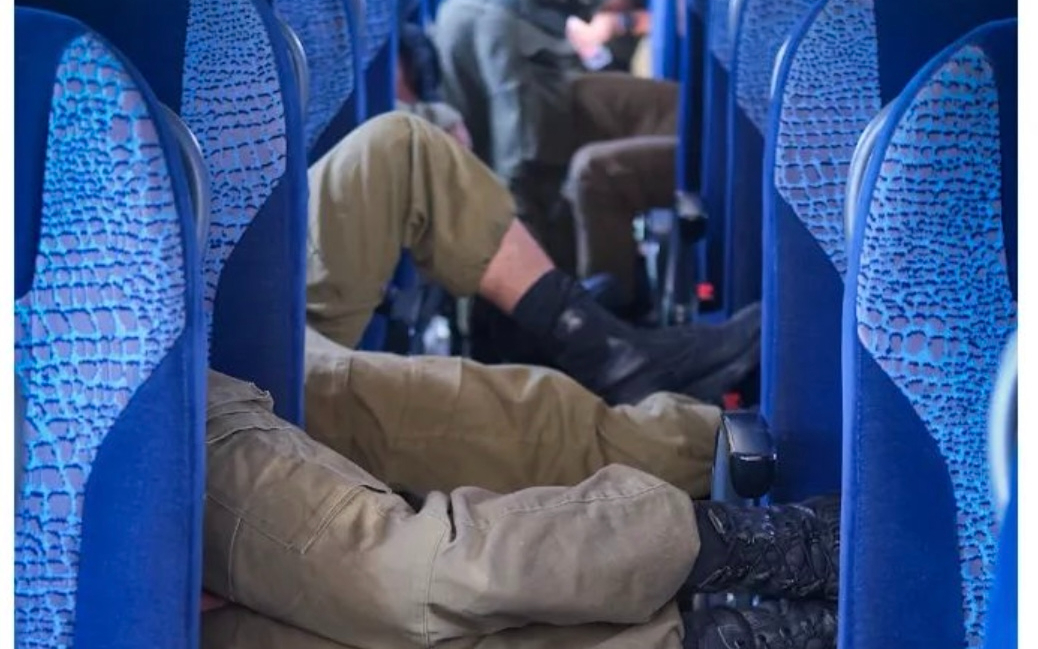
The photos captured the more mundane aspects of the military: soldiers resting on the bus, stops at gas stations and out-of-order urinals.
“Not once had he told us that it was really difficult for him, but he understood that he needed to learn how to live with the conflict. The longer he was in the army, the more time he spent with his team, the better he got to know them,” Shlomit explained.
Lipshitz had already been aware of the risk to his life even before October 7. After an operation in Jenin the summer before Hamas’s massacre, he took it upon himself to write a letter to his family, urging them to continue living their lives should he ever be killed.
“I ask that you do not drown in grief. Grief may be daily and exhausting, yet the activity that may grow out of it is not exhausting, but constructive,” he wrote in the letter, shared by his mother.
“Nothing has been more difficult for me than doing nothing, so I ask everyone around me — always do.”




The Times of Israel Community.