

Frustrated with the US, Gulf states look to China for help reining in Iran
Beijing has avoided challenging Tehran’s Hormuz blockade, and Gulf concerns could end up taking a backseat to superpower politics and China’s reliance on Iranian oil, analysts say
 Add ToI as a Preferred Source on Google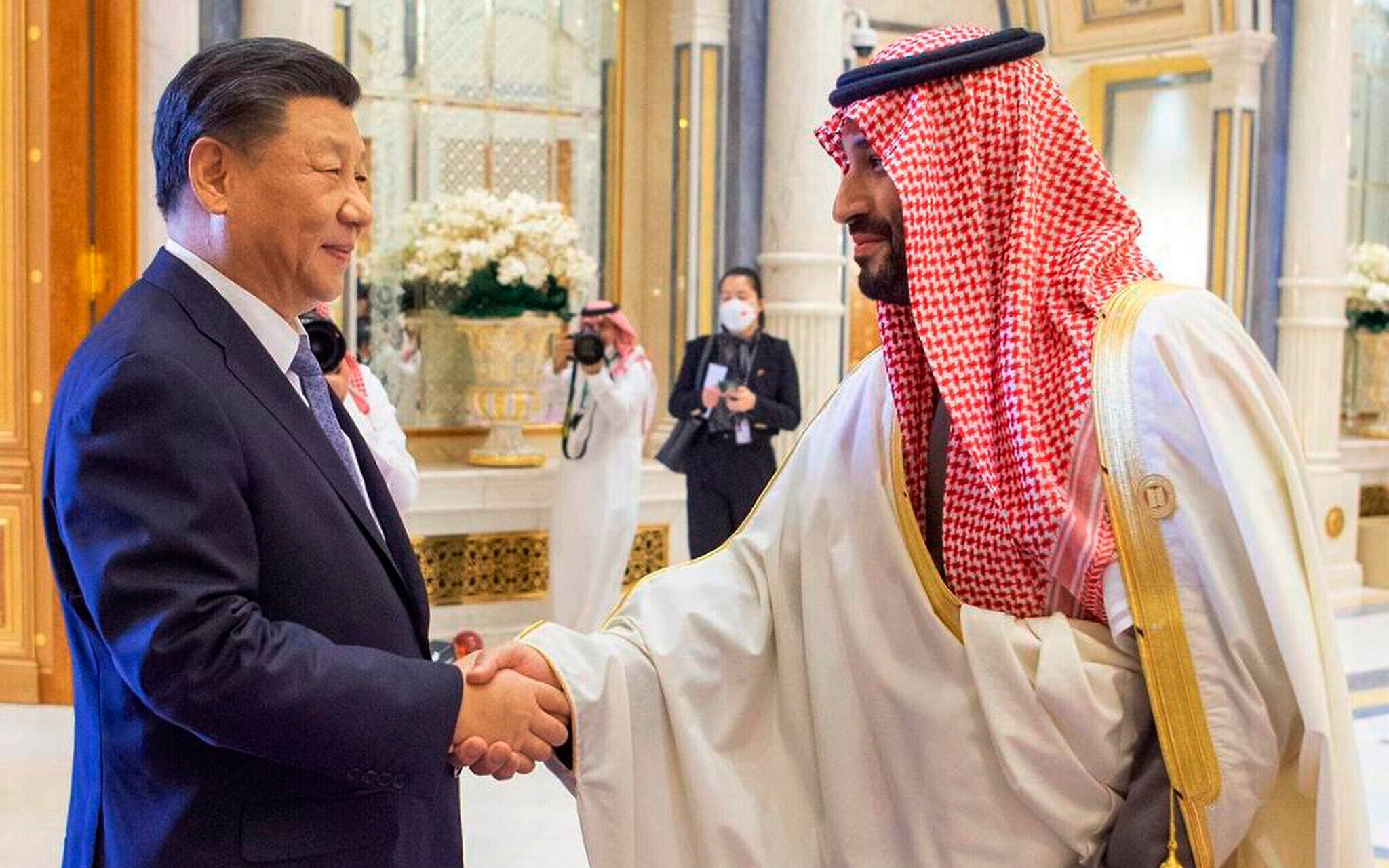
BEIRUT/RIYADH (Reuters) — As the Iran war escalates again, Gulf Arab states are looking to China, not Washington, to use its economic leverage over Iran to open up the Strait of Hormuz and Red Sea, testing how far Beijing is able and willing to pressure Tehran.
The Gulf push for a bigger Chinese role is driven by growing frustration, Gulf sources say. The war launched on February 28 with US-Israeli attacks on Iran that have hurt the Gulf states’ regional foe but also restricted their vital energy exports and, to varying degrees, put them in the firing line.
With Iran and its allies threatening the Bab el-Mandeb waterway in the Red Sea as well as Hormuz, Gulf states have sought Beijing’s help, conscious that the war has exposed the limits of American power, three regional sources say.
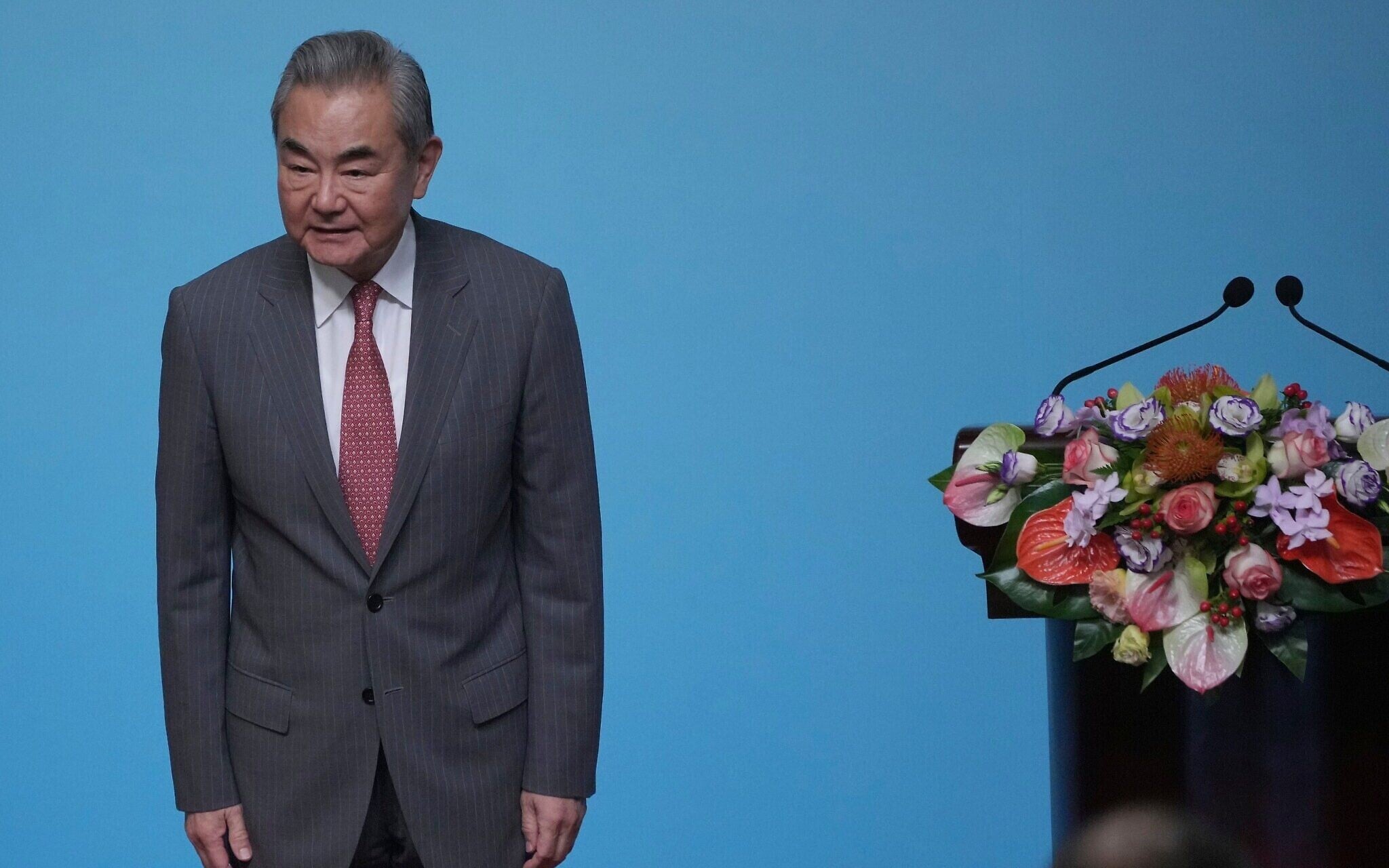
China’s Foreign Minister Wang Yi has held dozens of calls and meetings with counterparts seeking a new ceasefire, while special envoy Zhai Jun has held talks in Gulf Arab capitals as well as Iran.
“China has maintained close communication with all parties, and has consistently worked to stop the fighting and promote peace,” its foreign ministry said in response to a request for comment.
China’s position as both a major buyer of oil from across the Gulf and Iran’s biggest trading partner presents opportunities but also sensitivities.
“There’s huge respect between the Gulf and China and they are a big trading partner, so any issue is raised in a very quiet manner,” one Gulf source said.
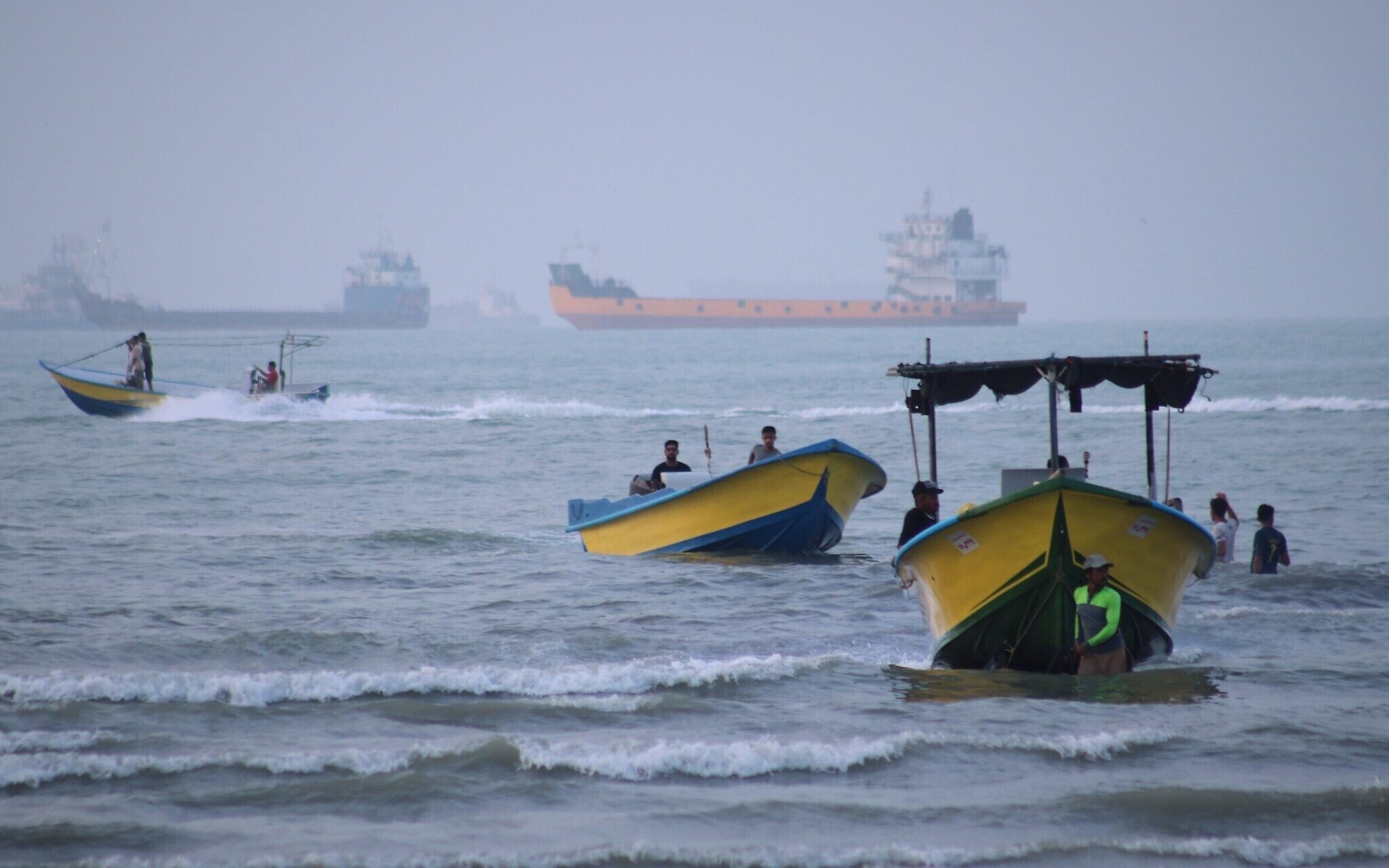
Iran says it will maintain control over the Strait of Hormuz, noting it was attacked during negotiations over its nuclear program, which the US and Israel have vowed to destroy.
Gulf governments ultimately hope that Beijing will steer Tehran toward a negotiated settlement, said the source, adding that China often moves slowly and cautiously.
But they are aware that a prolonged war may also serve China’s interests by piling pressure on the United States.
China’s Mideast policy constrained by great-power rivalry
China has developed close trade and investment ties with the six states in the Gulf Cooperation Council — Bahrain, Kuwait, Oman, Qatar, Saudi Arabia and the United Arab Emirates — since a Gulf-China summit in 2022. Another summit is planned this year in Riyadh but not yet confirmed.
But Beijing has refrained from publicly challenging Tehran’s threats to shipping, fueling doubts about how far China is prepared to go to secure the Gulf and its exports.
“The Chinese are trying to be more involved; they are trying to be more helpful,” a second Gulf source said. “But China has turned out not to be as influential as we thought — whether that is a lack of will or a lack of capacity is debatable. What seems to happen when America enters the fray is that superpower calculations dominate over everything else.”
Henry Tugendhat, a China specialist at the Washington Institute, told Reuters that Beijing’s overriding priority is preserving relationships across the region rather than risking diplomatic fallout by openly siding with either camp.
Once Washington became directly involved, Beijing’s calculations extended beyond the Gulf itself to encompass its wider ties and rivalry with Washington.
“Gulf governments can buy Chinese technology, investment and drones, but what they cannot buy is Chinese leverage that operates independently of (its relations with) Washington,” a source with direct knowledge of China’s discussions said.
China’s President Xi Jinping is expected in the United States for talks with President Donald Trump on September 24. China’s foreign ministry said Xi had put forward a four-point proposal to safeguard and promote peace and stability in the Middle East and also proposed backing countries in the region to advance development, security and cooperation.
China and other countries are balancing their interests
China has leveraged its deep economic ties to push into Middle East diplomacy, brokering a surprise diplomatic rapprochement between Saudi Arabia and Iran in 2023 that is now being put to the test.
Beijing is pushing Pakistan to mediate between Washington and Tehran for a resumption of peace talks, three Pakistani sources told Reuters last week. China will continue to “play an active role in restoring peace and tranquillity in the Middle East Gulf region as soon as possible,” its foreign ministry said then.
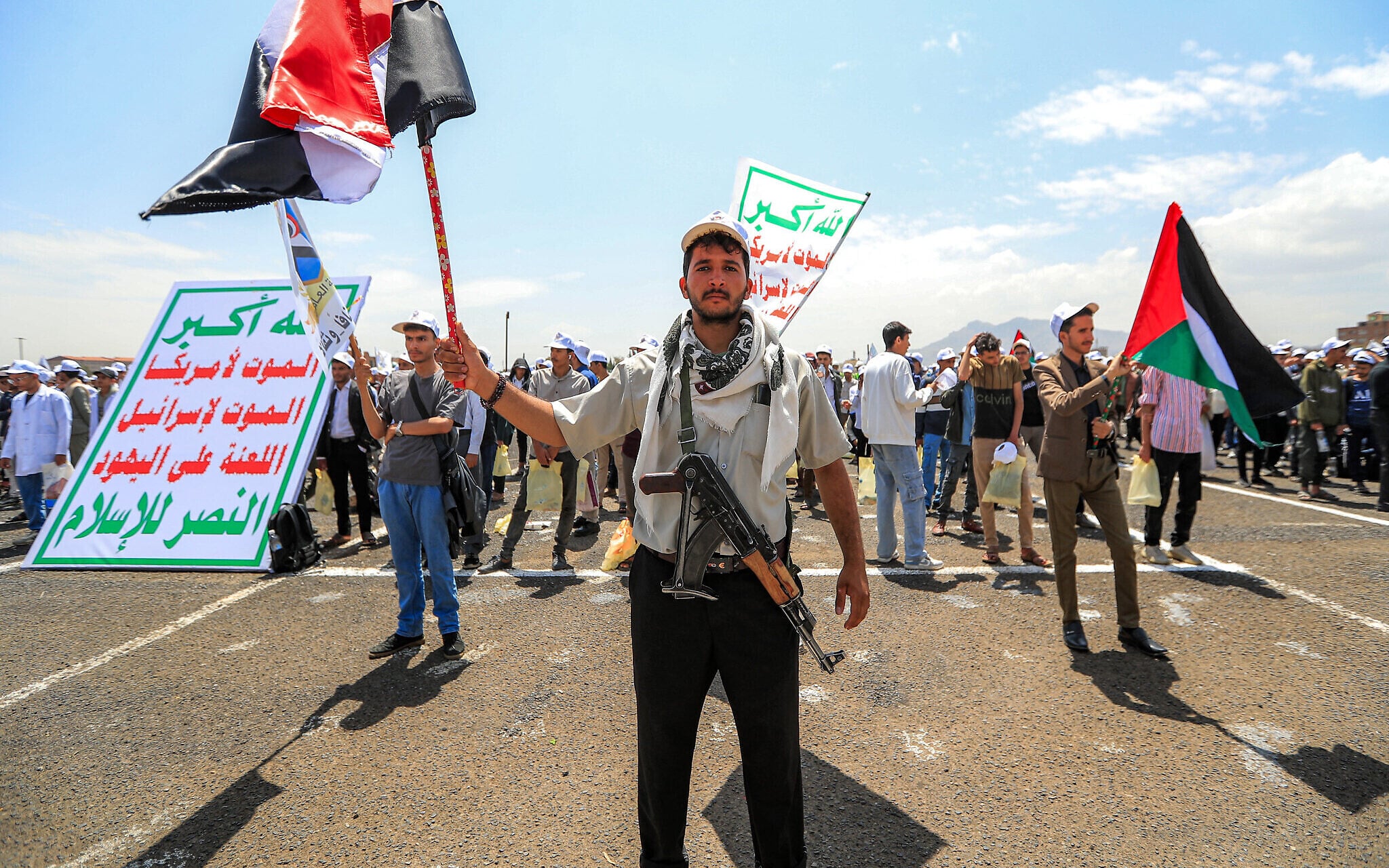
China has also held direct talks with Yemen’s Houthi movement to enable its tankers to sail through the southern Red Sea without being attacked after the Iran-aligned militia pledged to prevent access to Saudi ports, six sources with knowledge of the matter said this week. China’s transport ministry did not respond to a request to comment on that.
Anna Borshchevskaya, a senior fellow at the Washington Institute, said narrow bilateral arrangements that helped shield Chinese-linked shipping were the only visible outcome of its diplomatic efforts so far.
“Beyond that, it’s hard to see what else China has been able — or willing — to achieve,” she said, arguing that the war had allowed China to protect its interests while increasing voter pressure on US and European leaders from energy price rises.
China has benefited from a steep discount on Iranian oil resulting from international sanctions on Iran. Over the years, it has increased support for Iranian security through dual-use components, chip equipment and satellite navigation systems, while not overtly providing military aid since the war began.
Since the Iran war broke out, Beijing has consistently denied media reports that it offered chip equipment, intelligence support, or defense systems to Iran, saying that Beijing’s position was “above board and straightforward” and it “never added fuel to the fire.”
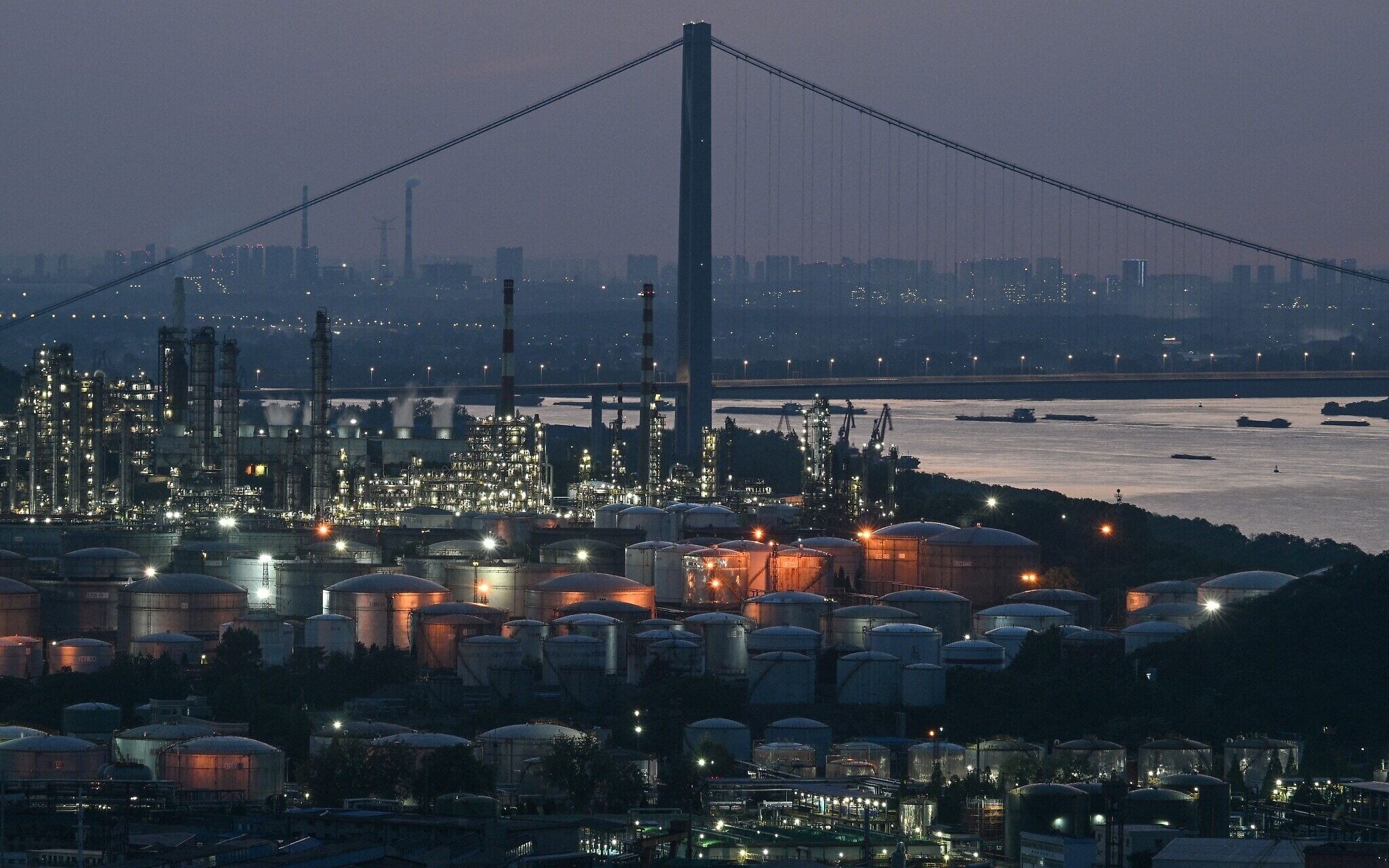
Beijing’s response to the crisis reflects a longstanding strategy of avoiding binding security commitments far from its core interests in East Asia, analysts say.
While Washington’s alliances rest on mutual defense obligations, Beijing prefers partnerships built on trade, investment and arms sales — with any closer military involvement confined to its immediate vicinity, they add.
The source with direct knowledge of China’s discussions said Beijing’s transactional understanding with the Houthis has largely kept Chinese-linked ships out of harm’s way, but not created pressure to end all attacks, acting in the same way as it did during Houthi attacks on ships in 2023-4.
Unlike the United States, China has no defense commitments in the Gulf, no military mandate to safeguard regional waterways and little appetite to assume either, the source said.
Beijing has said China is not prepared to use military force to reopen the Strait of Hormuz and does not believe other parties can do so. It instead calls for diplomacy and dialogue and for safety and free flow of international shipping routes.







The Times of Israel Community.