

Gaza deal’s secret humanitarian annex omits GHF, which isn’t poised for postwar role
Document says ‘other organizations’ to assist in aid distribution but the US- and Israel-backed group not slated to be among them, as it runs out of funds and its leader departs

 Add ToI as a Preferred Source on Google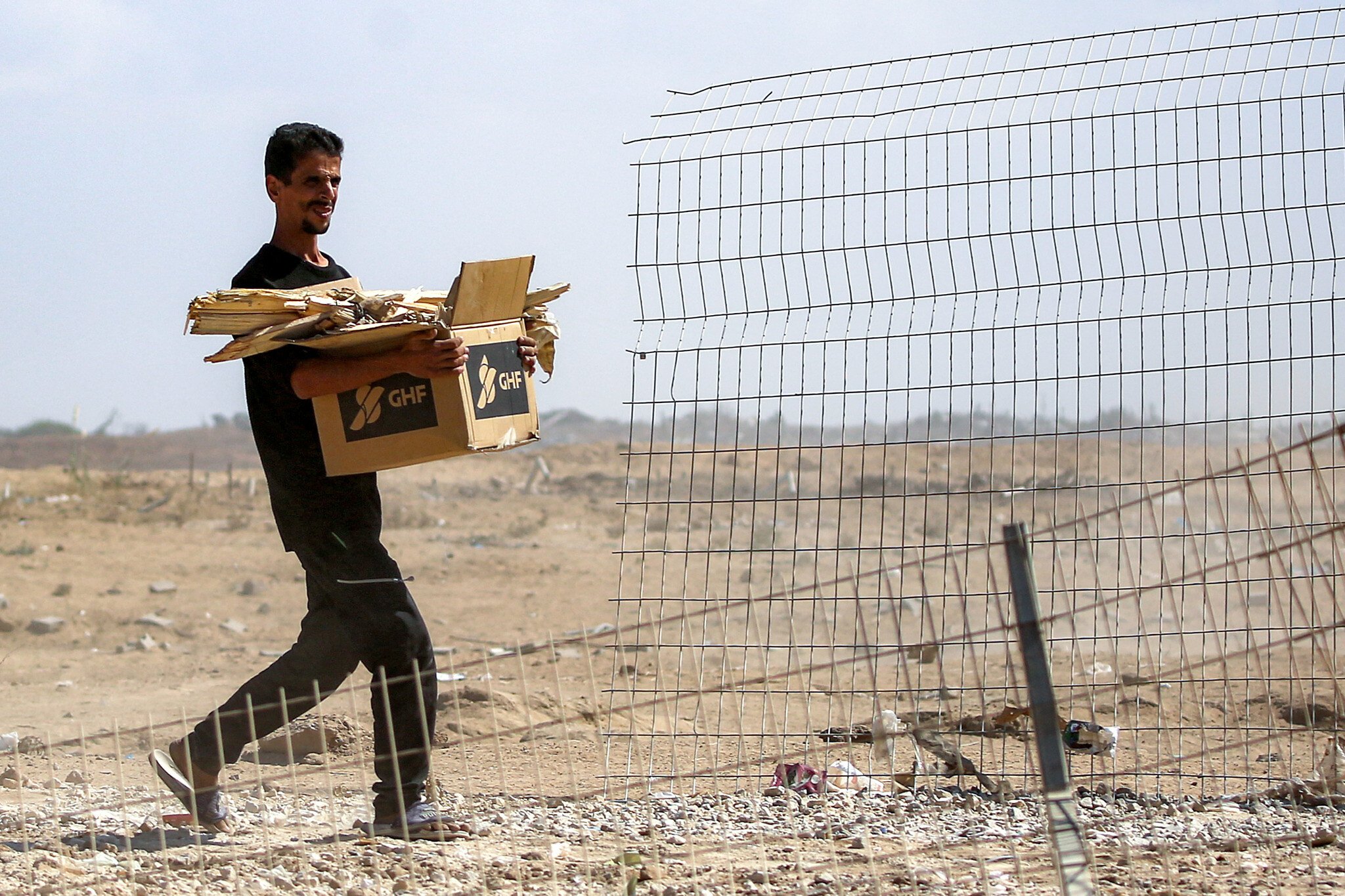
A yet-to-be-publicized humanitarian annex in the Gaza ceasefire and hostage release deal that Israel and Hamas signed last week does not stipulate a role for the Gaza Humanitarian Foundation, as officials familiar with the matter told The Times of Israel that the cash-strapped American organization is not slated to take part in the Strip’s postwar humanitarian operations.
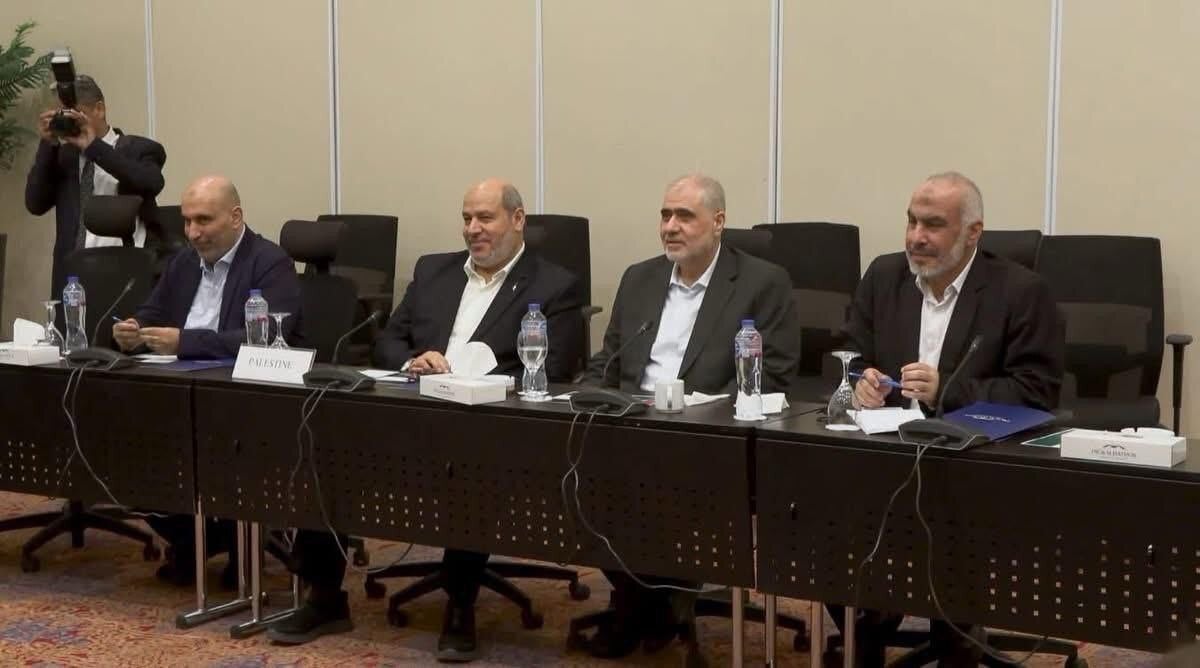
“UN agencies, other organizations, the Red Crescent and countries operating in the Strip will receive and distribute aid,” reads an excerpt from the humanitarian annex obtained by The Times of Israel and verified by two sources involved in the negotiations.
While “other organizations” leaves an opening for GHF’s continued involvement, an Arab diplomat said the two words were largely included to placate Israel, which pushed back on language that explicitly ruled out a role for GHF.
An Israeli official acknowledged that while GHF came to play an important role following its rocky establishment in May, Jerusalem does not expect it to continue operating in the Gaza Strip.
GHF has only been able to distribute less than two dozen trucks of aid on average for the past month, as its funding has dried up.
Only the US earmarked funds for GHF, announcing in June that it would allocate $30 million to the organization. But two months later, the State Department acknowledged that only half of the funds had been transferred, and it has yet to confirm that the other $15 million was sent.
GHF sources have claimed to have received funding from at least one other country in Eastern Europe, but have yet to disclose further details, claiming that the country wants to remain anonymous.
While technically an American organization, Israeli officials and business leaders with links to Prime Minister Benjamin Netanyahu’s government were closely involved in the GHF’s establishment, according to sources familiar with the matter.
Israel has long accused Hamas of coopting humanitarian assistance and argued that the goal of GHF was to exclude the terror group from aid distribution by setting up sites in areas cleared and controlled by the Israel Defense Forces. Netanyahu said Israel’s goal was for GHF to eventually become the sole provider of humanitarian aid in Gaza, replacing the UN and other international agencies that Jerusalem says Hamas exploits.
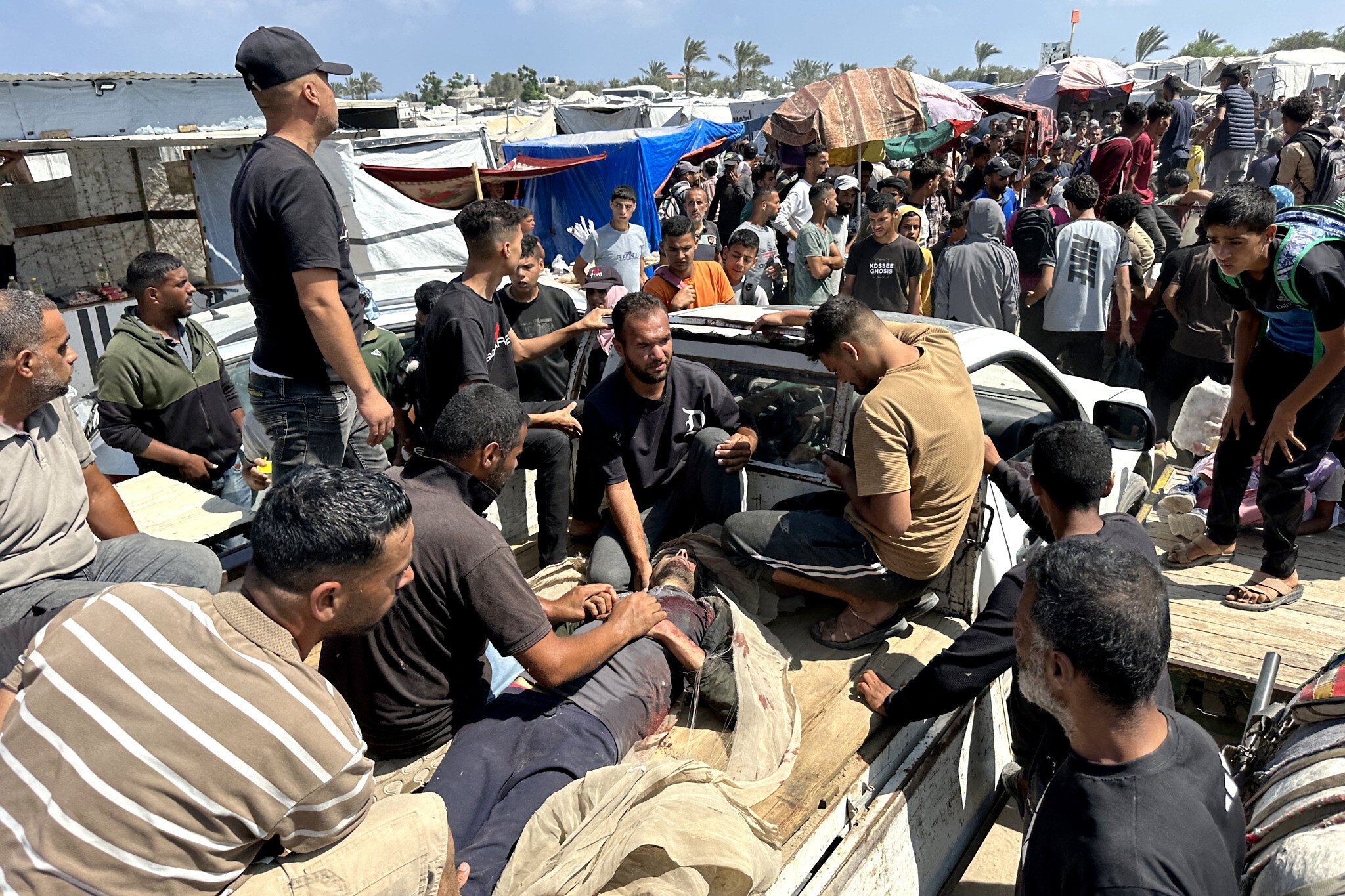
But GHF’s rollout was marred by near-daily reports of shootings by IDF troops at Palestinians seeking to reach the aid distribution sites, with the UN saying that over 1,000 people were killed in those incidents. The IDF has stated that the death tolls have been inflated, that its troops only fired warning shots at those who posed a threat to troops, and that Hamas operatives and other gunmen were also opening fire at crowds of aid seekers.
The deadly incidents outside GHF sites began to decrease toward the end of the summer, and the aid group has managed to distribute what it says were over 185 million meals to Gazans.
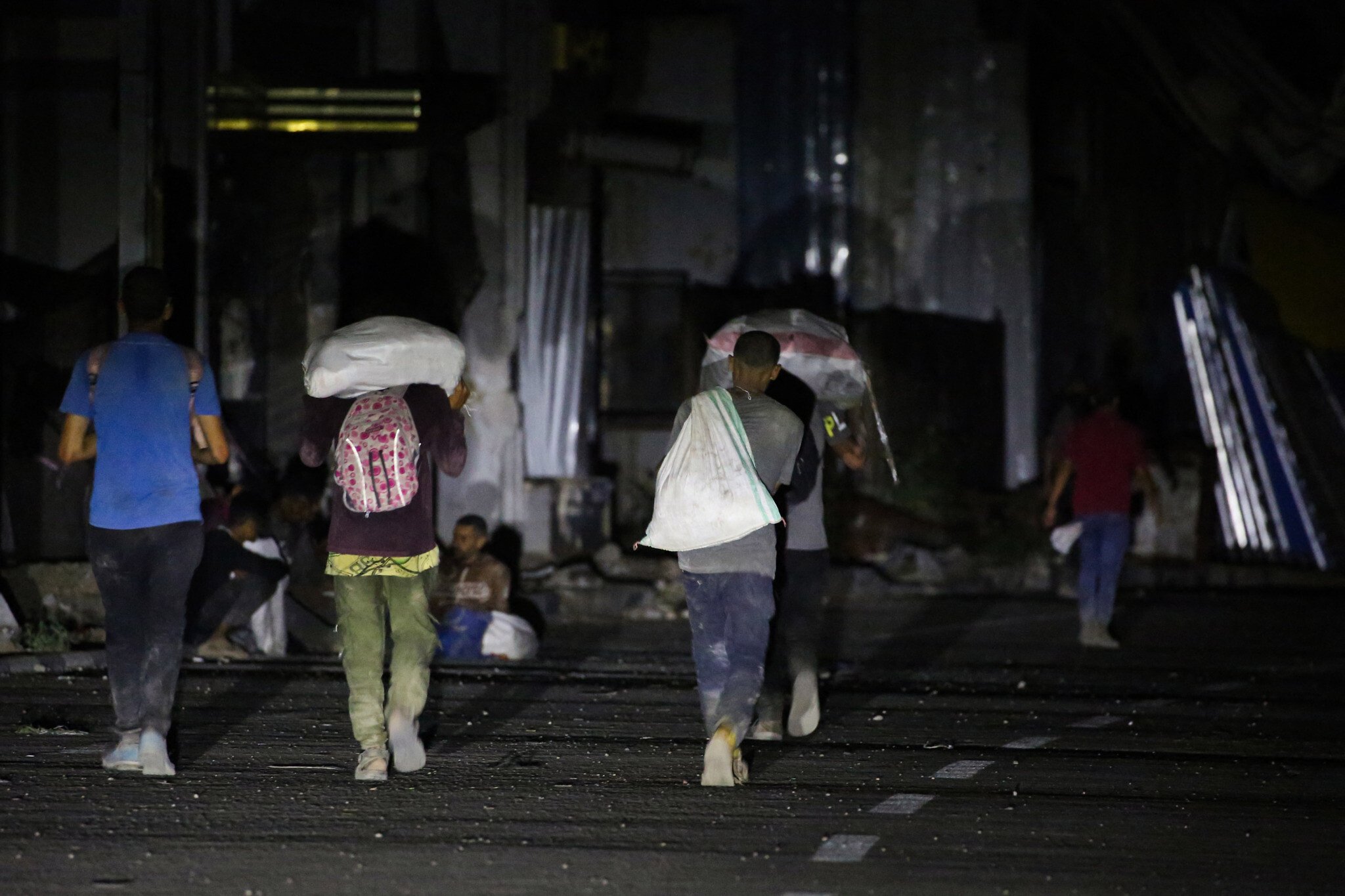
But by last month, it was only distributing a small fraction of the aid entering Gaza, and pledges by US Ambassador to Israel Mike Huckabee that GHF would scale up its operations from three to 16 sites never materialized.
‘Tactical changes in operations’
The ceasefire signed last week in Sharm el-Sheikh appears to be accelerating GHF’s exit from Gaza, with one of its sites near central Gaza’s Netzarim Corridor already abandoned, as part of the IDF’s withdrawal from the area. GHF has only operated in parts of the Strip controlled by the IDF. Its other two distribution sites in southern Gaza’s Khan Younis and Rafah have also halted operations since Friday.
The document signed by Israel and Hamas stipulates that during the ceasefire, aid will enter Gaza at “a minimum in consistence with the 19 January 2025 agreement regarding humanitarian aid,” which set a benchmark of at least 600 trucks entering Gaza.
The language of the clause in the document was similar to that of Trump’s 20-point plan for ending the Gaza war, which he unveiled last week.
Israel has begun surging aid into Gaza in the days since the deal was ratified by Netanyahu’s cabinet on October 10.
The daily number of trucks has passed 500 at least twice, with a transitional period expected before the figure rises to 600 trucks per day. Moreover, Israel announced on Tuesday that it would be limiting the amount of aid it would allow in response to Hamas’s failure to return the remaining bodies of deceased hostages held in Gaza — an apparent violation of the agreement.
On Sunday, a spokesperson for GHF told The Times of Israel, “Over the next few days, during the transfer of the hostages to Israel, there will be tactical changes in GHF operations and temporary closures of some distribution sites may occur.”
“There is no change to our long-term plan,” the GHF spokesperson added, without elaborating on what the “long-term plan” is. GHF sources in the past have acknowledged that the organization was not meant to be permanent.
Even if GHF resumes operations, its impact will likely be marginal, given that it has recently brought less than two dozen trucks per day into Gaza. Per the terms of the deal, over 600 trucks are set to enter daily.
It’s unclear whether Palestinians will feel the need to risk entering IDF-controlled areas to pick up aid when so much of it will be reaching other parts of the Strip, if the terms of the ceasefire are upheld.
The Israeli official lamented that Hamas may have an easier time co-opting aid with the ceasefire in place, given that an alternative governing and security body that can be attached to the humanitarian effort has yet to be stood up and will likely take time to develop.
In addition to GHF’s financial woes, its leadership is also poised for a shakeup, as its director, Johnnie Moore, informed interlocutors last month that he will step down from his position, two sources familiar with the matter told The Times of Israel.
A GHF spokesperson denied that Moore has left GHF but did not respond to a request for comment regarding the organization’s financial status.





The Times of Israel Community.