

In a cynical industry, Rob Reiner’s films taught us the power of sincerity
From romcoms to mockumentaries, the slain director’s films were earnest and humane, exploring what people mean to each other and making viewers laugh along the way
 Add ToI as a Preferred Source on Google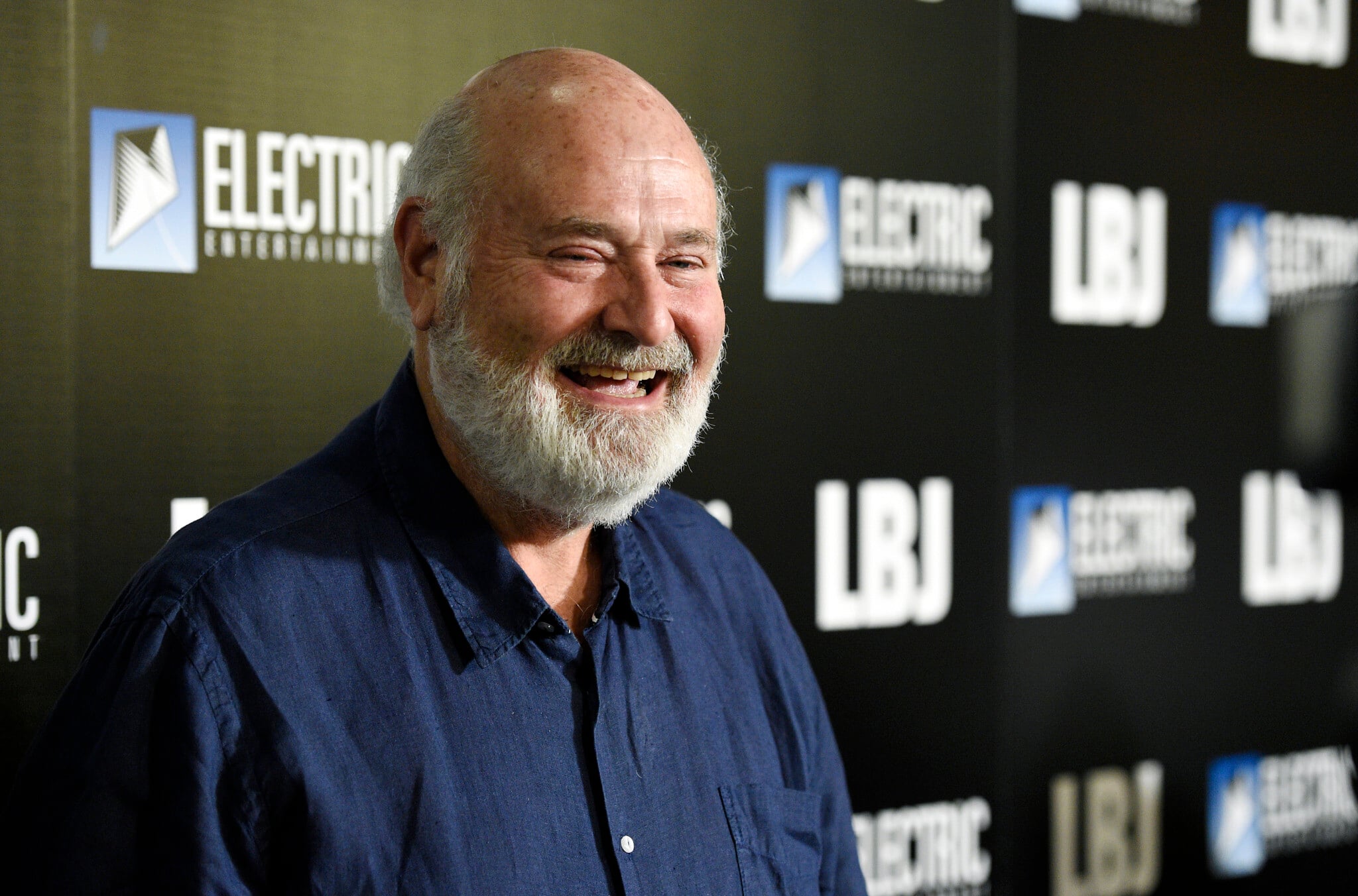
THE CONVERSATION via Reuters — Rob Reiner, the celebrated Hollywood director whose diverse filmography was loved by a broad array of audiences, was found dead on Sunday in Los Angeles. He was 78.
US authorities have described the deaths of Reiner and his wife, Michele Singer Reiner, as suspected homicide. Their son, Nick, has been arrested in relation to their death.
Despite this tragic and shocking news, the many tributes to Reiner that have emerged overnight have celebrated the evident warmth, intelligence and humor of the man and his work.
From my perspective, Reiner’s career stands as one of the clearest demonstrations of a director moving fluidly across genres while maintaining a consistent worldview.
Whether they were romantic comedies (“When Harry Met Sally…”, “The American President”, “The Sure Thing”), thrillers (“Misery”), courtroom dramas (“A Few Good Men”) or coming-of-age fables (“Stand By Me”), Reiner’s films return again and again to deeply humanist beliefs: that people, however flawed, are capable of growth and connection; that care and empathy for each other is vital; and that cinematic stories can help us recognize this in one another.
First entering the cultural imagination as Meathead on TV’s “All in the Family” (1971–79), Reiner’s performances as an actor often concealed his sharp political intelligence beneath blunt humor.
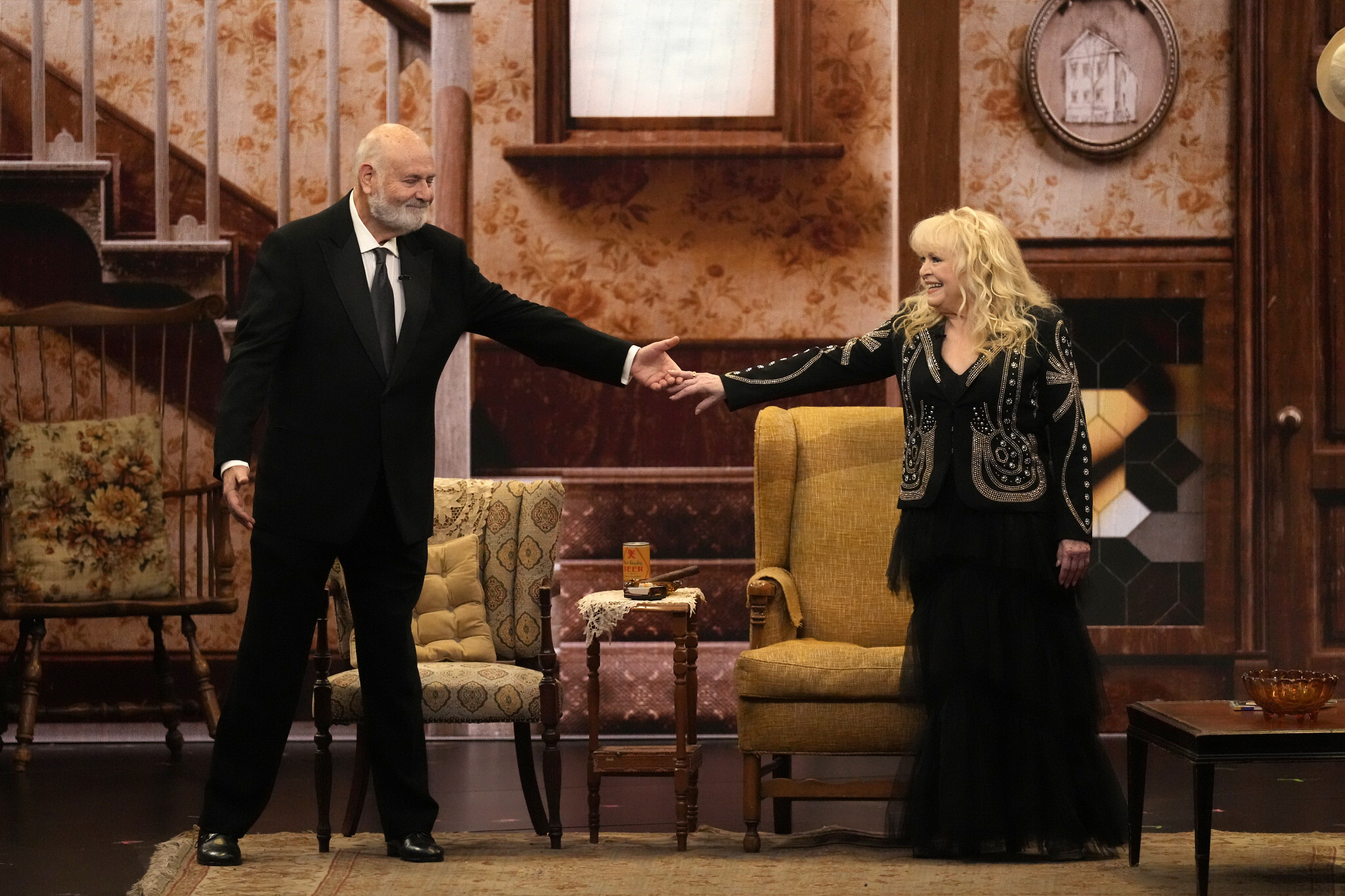
This tension between surface comedy and underlying seriousness would also become a defining feature of his work as a director.
From the outset of his directing career with “This Is Spinal Tap” (1984), Reiner used comedy as a way of revealing character, contradiction and vulnerability.
“This Is Spinal Tap” became one of the most influential comedies ever made and my personal favorite comedy of all time.
Often celebrated for its improvisational brilliance and satirical sharpness, I think the film is equally remarkable for its affection towards its characters. It treats the titular band’s absurdity as inseparable from their sincerity.
In doing so, Reiner also helped define a new comedic grammar in the mockumentary format that was incredibly influential for future generations of comedy filmmakers.

Across the late 1980s and early 1990s, Reiner’s extraordinary run of films demonstrated not only technical versatility but an emotional range that was rare among his peers.
“The Princess Bride” (1987) fused fairy-tale romance, adventure and meta-humor. “When Harry Met Sally… “(1989) remains one of the great comedic explorations of love, intimacy and relationships in American cinema.
A huge emotional range
Perhaps most striking was Reiner’s comfort with tonal complexity.
“Stand by Me” (1986), adapted from a Stephen King novella, looks back on childhood with both nostalgic memory and an acknowledgement of the darkness underneath suburban adolescence. “Misery” (1990), another King adaptation, examines toxic fandom and obsession in a taut and compelling thriller with splashes of dark humor.
“A Few Good Men” (1992) brings courtroom theatrics into conversation with questions of authority and ethical responsibility in the military, and gave us two iconic performances from Hollywood superstars Tom Cruise and Jack Nicholson.

What unites these films is not a particular style or subject matter, but perspective.
Reiner’s direction often privileged performance and emotion. Even when working within genre frameworks, he never accepted genre as a cage. Instead, he understood the pleasures of genres and how to utilize their tropes to explore broader questions of humanity.
Sincerity as a strength
Politically outspoken and unapologetically engaged, Reiner also never separated civic responsibility from artistic practice.
However, his films resisted dogma. In an industry that often privileges cynicism or ironic distance, Reiner’s work insisted on sincerity as a strength.
If there was a through-line to Rob Reiner’s legacy, I would argue it is a desire for audiences to feel deeply without embarrassment. His films demonstrated that laughter could be one of the most humane forces storytelling has to offer.
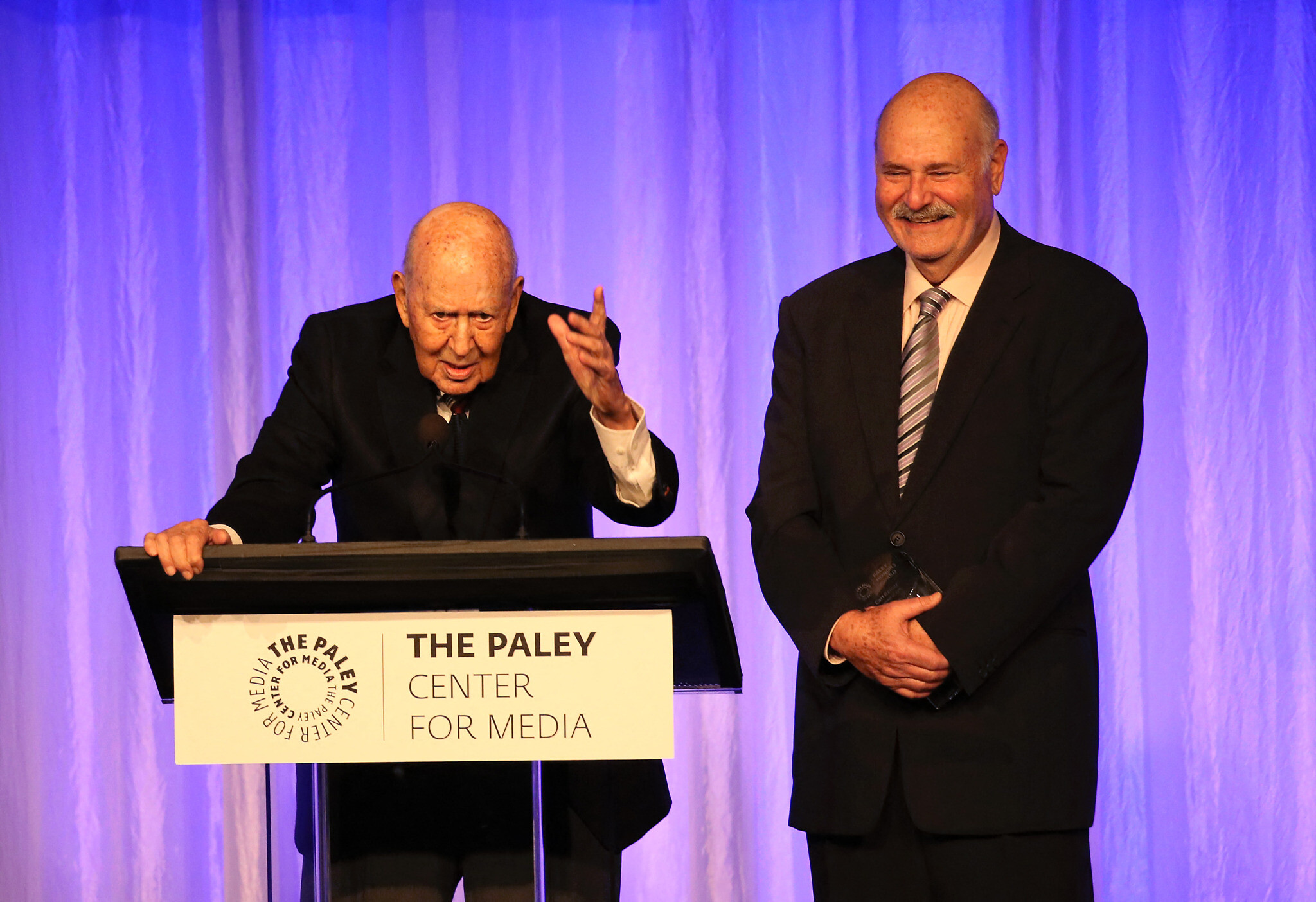
As an adolescent cinephile raised in the 1980s and 1990s, Reiner’s work opened my eyes to how important emotional connection was in the pact between audience and film.
His ability to work effectively across genres was due to the masterful and sincere way he made us care for his characters, be they buffoonish rock stars, princes and princesses, military lawyers and generals, or teenage boys facing their first exposure to mortality.
Adam Daniel is an associate lecturer in communication at Western Sydney University.
The Conversation is a collaboration between academics and journalists that publishes stories on science, health, politics, environment and more.








The Times of Israel Community.