
 Add ToI as a Preferred Source on Google
Israeli photographer, lecturer, and cultural researcher Naftali Hilger arguably has one of the most interesting jobs in the world.
A former in-house photographer for Israel’s leading travel, nature, and geography magazine Masa Aher, the German-born Hilger has visited about 80 countries, always looking for a Jewish angle.
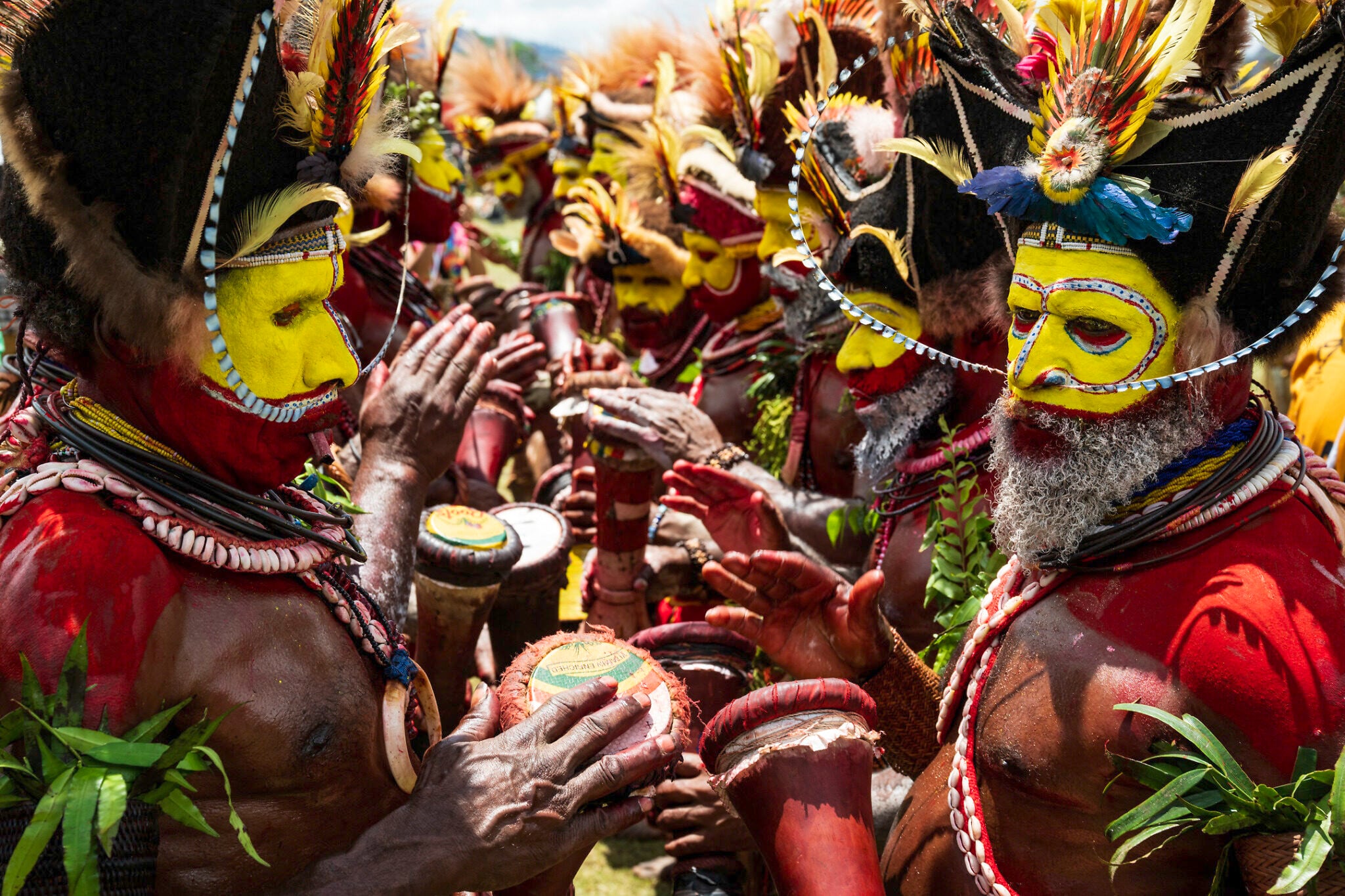
Hilger’s travels have taken him to far-flung locations including North Korea, Iran, Iraq, Yemen, Afghanistan, Pakistan, and Indonesia. But a trip late last year to Papua New Guinea to find a remote tribe practicing Jewish traditions was “one of, if not the most fascinating, trips so far,” he said.
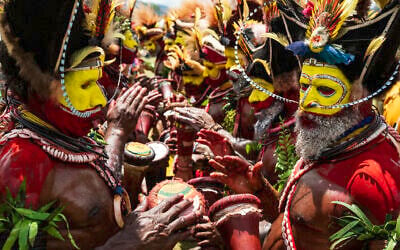
About 15 years ago, Hilger heard from a friend about the Gogodala tribe, which Prof. Tudor Parfitt, a British expert on marginalized and “hidden” Jewish communities, brought to the attention of the Jewish world in the early 2000s.
In Papua New Guinea, tribal leaders told Hilger that they left Jerusalem (“Yabi Saba” in their local tongue) in the 11th century. According to their oral history, they lived for 406 years in Barcelona and returned to Jerusalem after the 1492 expulsion of Jews from Spain. They also lived near the Sea of Galilee and on the shores of the Red Sea before setting off in canoes that eventually brought them to Papua New Guinea.
“I was told they spent 406 years in Spain and have been in Papua for the same amount of time — reason enough to return to Jerusalem,” Hilger said.
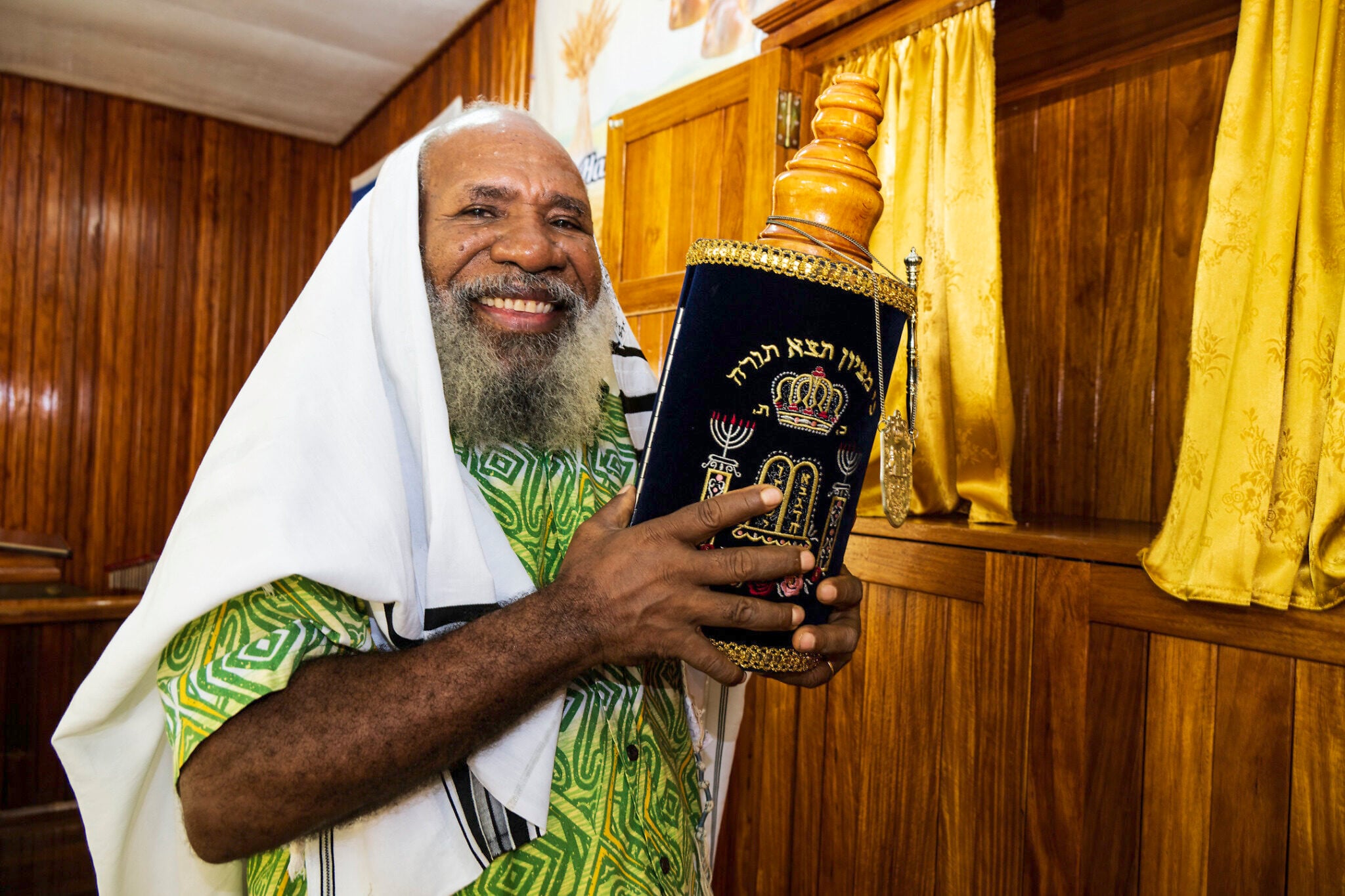
“There’s no historical proof, but they feel Jewish, and it passes from generation to generation. They observe the Sabbath. They celebrate the Jewish New Year and Passover and fast on the Day of Atonement. They don’t eat pork, and they circumcise their sons,” he said. “They say they were always Jews, just forgotten ones, but there’s no exact science here. Some think the New Testament is part of Judaism.”
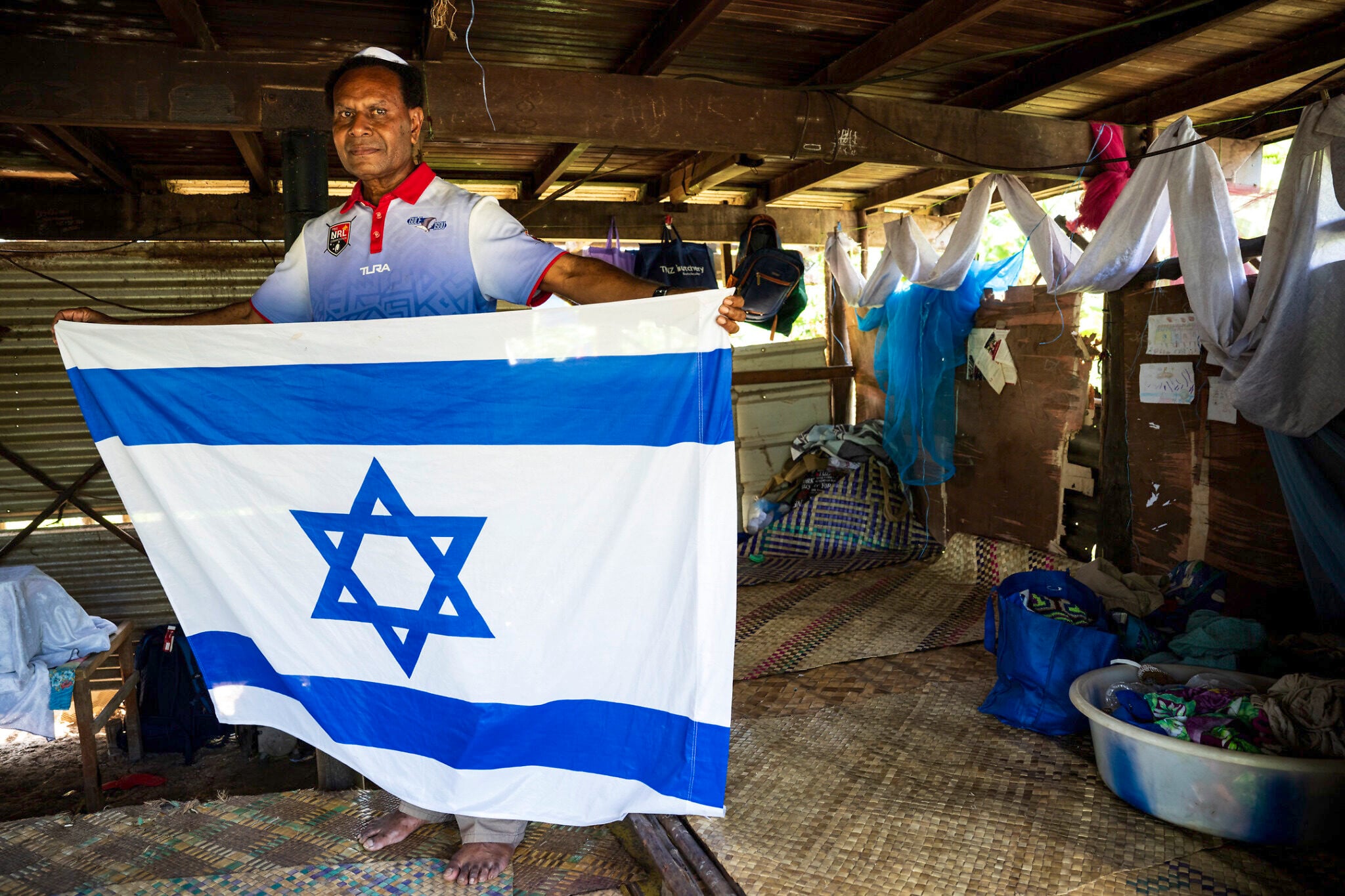
The Gogodala likely learned about Jewish rites from the Old Testament, which Christian missionaries introduced in the last century, Hilger noted. But he was sure their spirited chanting of the Hebrew Shema prayer, singing of Am Yisrael Chai, and knowledge of Israeli flags came from YouTube.
“The mystery for me was the stories about Yabi Saba [Jerusalem] and the sojourn in Spain,” Hilger said. “For this, I have no explanation.”
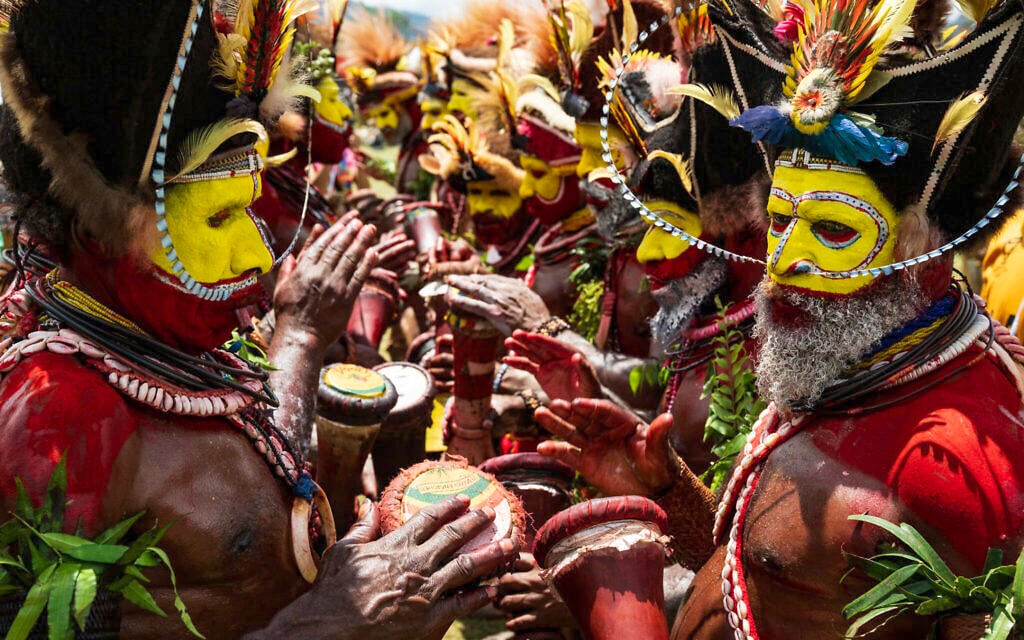
Papua New Guinea has a long history of cannibalism driven by spiritual, social, and ritualistic customs. While Hilger says it remains unclear whether the Gogodala were headhunters, there have been documented incidents of cannibalism in the Western Papua region where they live, with the last recorded one occurring in 2016.
“The first Christian missionary arrived in Papua in 1901 and never returned — they ate him,” Hilger said. “The second one had more success, but reported that some tribesmen prayed only on the Sabbath and made a huge noise when he tried to get them to pray on Sunday instead.”

Nobody knows the exact population of the Gogodala, but estimates range from 25,000 to 50,000, out of a total Papua New Guinean population of around 11 million. Population records are incomplete, and much of the country lives in remote rural areas.
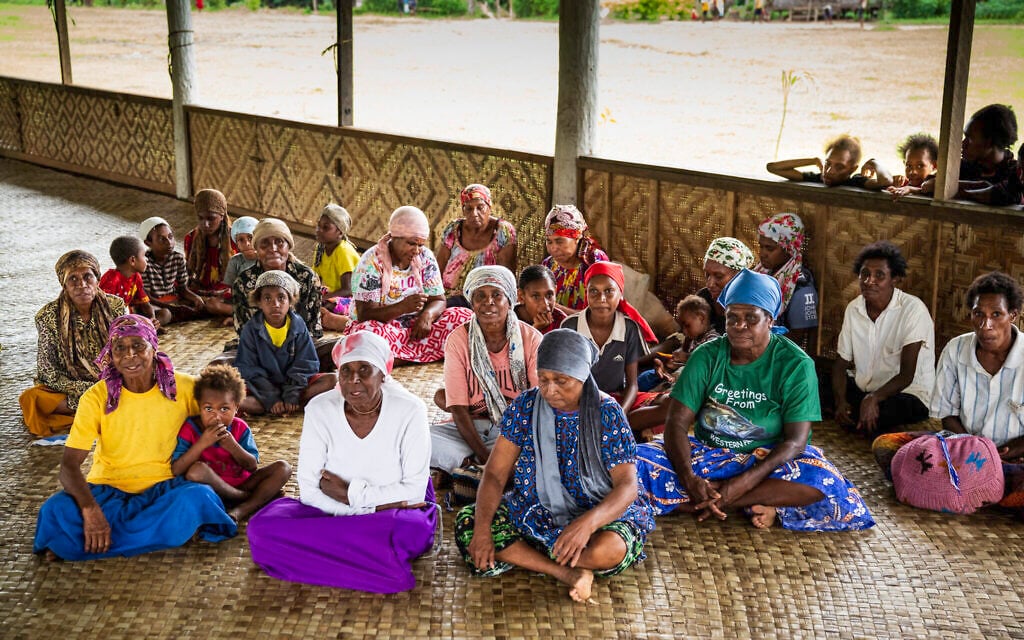
Hilger heard that around 30% of the Gogodala actively practice Judaism, while the rest cite Jewish roots but practice Christianity. Most live in a handful of small towns and villages scattered across swamp-surrounded islands in Papua New Guinea’s Western Province, which borders Indonesia. There, they rely on fishing and subsistence farming for food. While most people have smartphones, electricity and internet connectivity are spotty.
In Balimo, where Hilger found the most cohesive group practicing Jewish traditions, the community’s jungle synagogue hosted a lavish reception for him and sang in Hebrew. They said Hilger was the first visiting Jew from abroad in a decade, and enthusiastically embraced the idea of “returning” to Jerusalem.
Hilger said another small community in Kawito also had a synagogue, while a third group in Baru prayed in private homes.
Not everyone dreamed of moving to Israel, however. In Port Moresby, Hilger met someone who described himself as a “Chief of Chiefs” dedicated to reconnecting the Gogodala to their Jewish roots and establishing a “Nation of Israel” in Papua New Guinea.
He also found a community from a different tribe that had unilaterally converted from Christianity to Judaism. In Lae, Papua New Guinea’s second-largest city, he met a man who called himself “Rabbi Shlomo.” After meeting Jews while studying at a Texas university, Rabbi Shlomo taught himself Judaism, created a synagogue, and converted himself and dozens of his clan members.
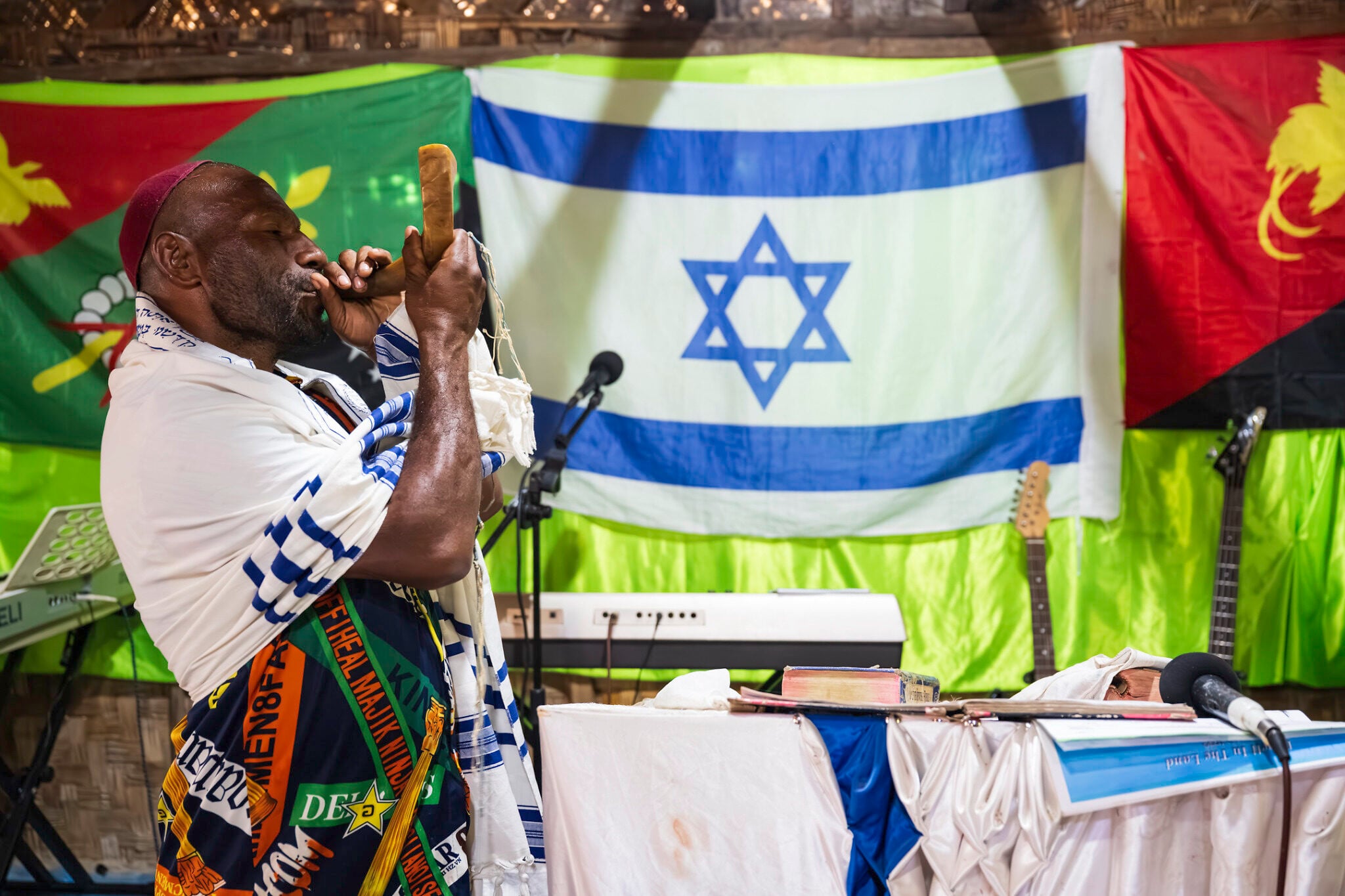
“You meet people who say they’re Jewish, Christians that also observe Jewish festivals, and Christians that say they’re Jews but are more like Christian missionaries,” said Hilger of the diverse relationships with Judaism in the country.
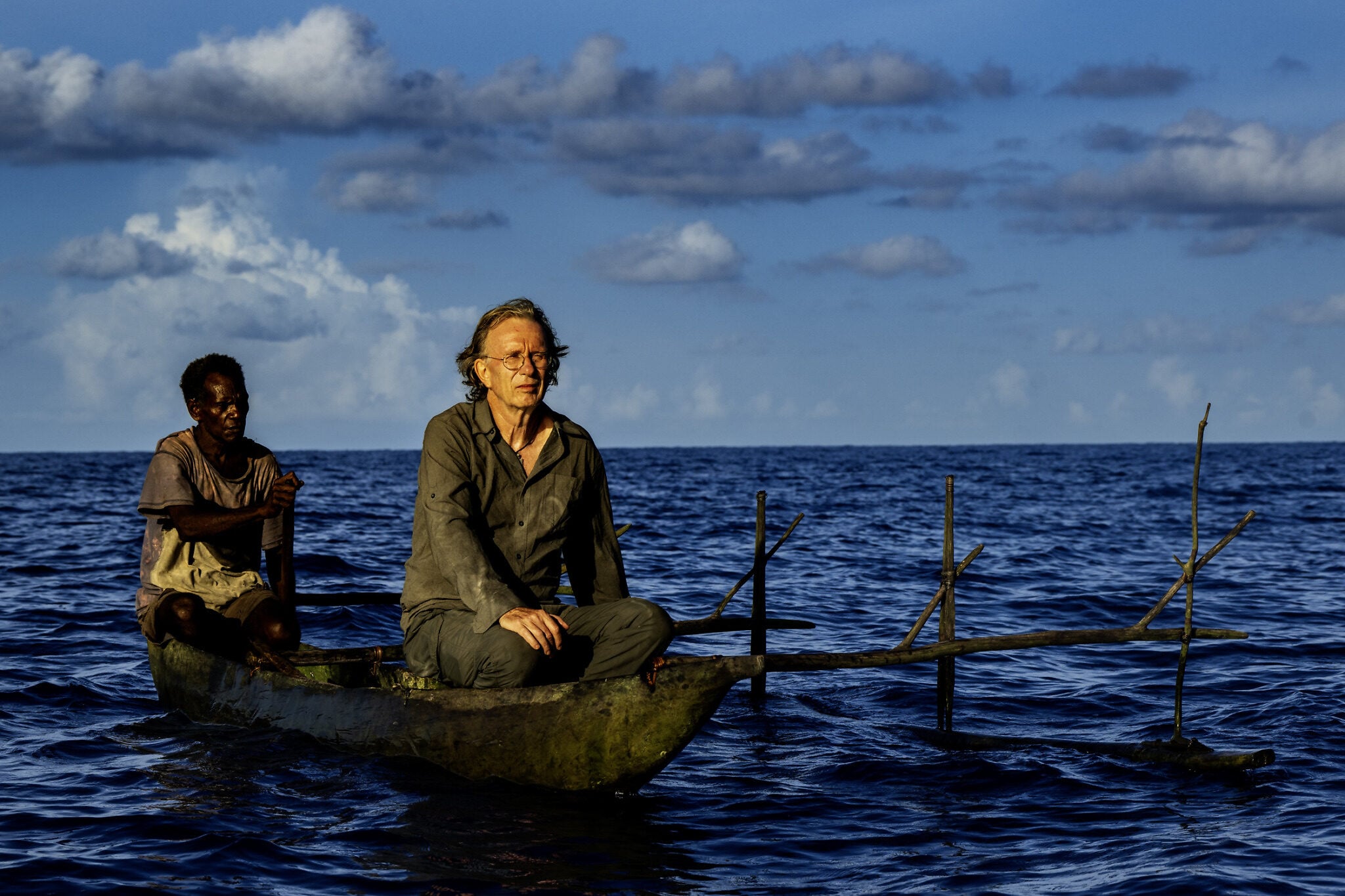
Hilger’s month-long visit required careful logistics and a trustworthy local fixer. Papua New Guinea is one of the most dangerous countries in the world, largely due to conflicts between some of the thousands of tribes, which have 840 languages. Flying into Port Moresby, Hilger caught a domestic flight — which he dubbed Air Maybe (“it was 24 hours late”) — to Balimo along the Aramia River floodplains, then traveled onward by canoe.
Hilger, who immigrated to Israel in 1978 and lives in the north, undertakes a major expedition every year and presents photography lectures in Hebrew. He has just returned from a trip to Vanuatu, Samoa and Fiji.
“It doesn’t matter who you speak to in Papua, or in Oceania in general. The love for Israel is huge,” he said. “They come from Christianity and see us as God’s People.”

The Times of Israel Community.